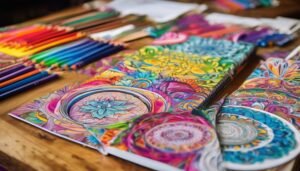
Just like a painter mastering their brush strokes, engaging in coloring activities can significantly enhance your fine motor skills. As you navigate the lines and shapes on a page, you’re not just having fun; you’re honing your hand-eye coordination and grip control. This seemingly simple task lays the groundwork for more complex skills. What you might not realize is how these improvements can impact other areas of your life, shaping your future abilities in surprising ways.
Key Takeaways
- Coloring books enhance fine motor skills by requiring precise movements and control when staying within defined lines and shapes.
- Engaging with various coloring tools improves grip strength and hand dexterity, essential for handling writing instruments in the future.
- The act of coloring encourages experimentation with grip techniques, fostering better control and coordination in hand movements.
- Regular coloring practice promotes hand-eye coordination as visual tracking skills improve while following patterns and designs.
- Coloring activities stimulate cognitive processes, enhancing focus and problem-solving skills, which further supports fine motor skill development.
The Importance of Fine Motor Skills
Fine motor skills are crucial for everyday tasks, as they enable you to perform precise movements and handle small objects with dexterity.
These skills play a vital role in fine motor development, influencing how you engage with your environment. As you progress through different activities, you’ll notice a clear skill progression, from simple actions like grasping a pencil to more complex tasks such as buttoning a shirt or tying shoelaces.
This progression enhances not only your physical capabilities but also your confidence in completing various tasks independently. By actively participating in activities that promote fine motor skills, you’re setting a strong foundation for future learning and daily functioning.
Embracing this development ensures you’re well-equipped for life’s challenges.
How Coloring Develops Hand-Eye Coordination
Coloring is a practical way to enhance your hand-eye coordination through the development of grip and control.
As you track the lines and shapes visually, you’re honing your visual tracking skills, which are crucial for many daily tasks. This activity also encourages precision in movement, allowing you to better manipulate tools and materials in the future.
Grip and Control
Engaging in activities that require grip and control, such as coloring, significantly enhances hand-eye coordination in children. When you encourage them to use various coloring techniques, they’re not just filling in shapes; they’re working on grip improvement and developing essential coordination skills.
| Coloring Technique | Grip Improvement | Hand-Eye Coordination Benefits |
|---|---|---|
| Crayon Pressure | Increases dexterity | Better precision in movements |
| Colored Pencils | Strengthens fingers | Enhanced control over strokes |
| Markers | Promotes grip strength | Faster response times |
| Watercolors | Encourages fluidity | Improved overall coordination |
| Pastels | Develops stability | Greater accuracy in coloring |
Visual Tracking Skills
Developing grip and control lays a strong foundation for improving visual tracking skills in children.
When kids color, they engage in a dynamic process that enhances their visual perception. As they move their eyes across the page, following lines and shapes, they’re not just creating art; they’re training their brain to coordinate sight and movement effectively.
This activity also fosters focus enhancement, as children learn to concentrate on their task without distractions. By practicing these skills regularly, they become better at tracking objects in their environment, which is crucial for activities like reading and sports.
Encouraging coloring as a fun and creative outlet helps children develop essential hand-eye coordination, ultimately contributing to their overall fine motor skill development.
Precision in Movement
While you might think of coloring as a simple pastime, it actually plays a crucial role in enhancing hand-eye coordination. As you engage with different coloring techniques, you’re not just filling in shapes; you’re developing precision in movement. This activity helps you refine your ability to control your hand’s movements in relation to what your eyes see.

Here are three ways coloring improves hand-eye coordination:
- Focus on Details: Staying within lines hones your ability to concentrate on small details.
- Movement Patterns: Repeatedly using various strokes helps establish effective movement patterns.
- Color Selection: Choosing colors requires visual assessment, strengthening your cognitive and motor link.
The Role of Grip and Control in Coloring
As you grasp a crayon or colored pencil, the way you hold it significantly influences your control and precision in coloring. Developing a strong grip is essential for effective coloring, as it allows you to exert the right amount of pressure on the paper.
Experimenting with different grip techniques can enhance your control, letting you navigate intricate designs with ease. For instance, using a tripod grip can improve your dexterity, while a more relaxed grip can help maintain a steady hand.
Benefits of Staying Within the Lines
Staying within the lines when you color not only enhances the visual appeal of your artwork but also serves as a critical exercise for developing fine motor skills.
By practicing this, you refine your hand-eye coordination and dexterity, which are essential for various tasks in daily life.
Here are three benefits of this practice:
- Improved Precision: Staying inside the lines helps you develop control over your coloring techniques, allowing for greater accuracy in your artistic expression.
- Enhanced Focus: Concentrating on staying within the lines fosters mindfulness, which can improve your overall attention span.
- Boosted Confidence: Completing a well-defined piece boosts your self-esteem, encouraging you to explore more complex designs.
Embracing this discipline can significantly impact your artistic journey.
Engaging With Different Tools: Crayons, Markers, and Pencils
When you choose between crayons, markers, and pencils, the tool you pick can significantly affect your fine motor skills development.
Each option requires different grip and control techniques, influencing how you manipulate the tool on the page.
Understanding these differences can enhance your coloring experience and support your skill growth.
Tool Selection Impact
Engaging with various coloring tools—like crayons, markers, and pencils—significantly impacts fine motor skill development in children.
Each tool offers unique advantages that encourage tool variety and texture exploration:
- Crayons: Their waxy texture requires pressure control, helping kids strengthen grip and hand muscles.
- Markers: These tools promote larger strokes and bold colors, enhancing coordination while navigating different movements.
- Pencils: Using pencils develops precision. The need for lighter pressure encourages delicate handling and focused strokes.
Grip and Control Techniques
Mastering grip and control techniques with crayons, markers, and pencils can significantly enhance a child’s fine motor skills. By engaging with various tools, kids develop different coloring strategies that promote dexterity.
For instance, using crayons encourages a relaxed grip, while markers require a firmer hold to maintain control during detailed work. Implementing grip exercises, like squeezing a stress ball or pinching small objects, can further strengthen hand muscles, making it easier for children to manipulate their coloring tools effectively.
Encourage your child to alternate between tools, as each offers unique benefits and challenges. This variety not only keeps coloring enjoyable but also fosters the essential skills needed for writing and other intricate tasks later in life.
Coloring Techniques That Enhance Dexterity
Although many people view coloring as a simple pastime, employing various coloring techniques can significantly enhance your fine motor skills.
By experimenting with different coloring styles, you can turn your hobby into an effective dexterity exercise. Here are three techniques to consider:
- Coloring Small Spaces: Focus on intricate designs that require precision, improving your hand coordination.
- Layering Colors: Use multiple shades in a single area to practice control and pressure, enhancing grip strength.
- Using Different Tools: Switch between colored pencils, markers, and crayons to challenge your grip and hand movements.
Incorporating these techniques into your coloring routine not only makes the activity more engaging but also contributes to the development of essential fine motor skills.
Incorporating Coloring Into Daily Activities
By integrating coloring into your daily activities, you can create opportunities for both relaxation and skill development.
Establishing consistent coloring routines can significantly enhance your fine motor skills. For instance, set aside a few minutes each day to color during breakfast or while waiting for appointments. This daily engagement allows you to practice hand-eye coordination and grip strength in a fun, low-pressure environment.
You might also encourage your children to join in, fostering a shared experience that promotes bonding and skill development. Consider using various coloring materials, like crayons, markers, or colored pencils, to add variety and challenge.
The Impact of Coloring on Cognitive Development
As you engage in coloring, you’re not just filling in shapes with colors; you’re also stimulating various cognitive processes that can enhance learning and problem-solving skills. This activity encourages cognitive engagement and fosters creative expression, providing several benefits:
- Improved Focus: Concentrating on coloring helps sharpen your attention span and reduces distractions, crucial for effective learning.
- Enhanced Memory Retention: The act of choosing colors and combining them can aid in reinforcing memory through visual associations.
- Problem-Solving Skills: Deciding how to color a page encourages critical thinking and decision-making, essential components of cognitive development.
Frequently Asked Questions
At What Age Should Children Start Using Coloring Books?
Most children begin enjoying coloring books around 2 to 3 years old, a crucial coloring age in their development. Engaging in this activity supports their fine motor skills and overall child development as they grow.
Can Adults Benefit From Coloring Books as Well?
Absolutely, you can benefit from coloring books! Just like a runner finds peace on a long jog, coloring offers adult stress relief and fosters creative expression, allowing you to unwind and tap into your imagination.
How Often Should Children Color to See Improvements?
To see skill progression, encourage your child to color at least three times a week. Consistent coloring frequency helps develop their fine motor skills, enhancing control and dexterity over time. Regular practice makes a difference!
Are There Specific Coloring Books Recommended for Fine Motor Skills?
When it comes to themed coloring books, opt for those with intricate designs. These challenge your grip and precision, helping you boost fine motor skills while enjoying creative expression. Explore various themes for added engagement and fun!
What Other Activities Complement Coloring for Fine Motor Development?
To complement coloring for fine motor development, try scissors practice for cutting shapes and playdough manipulation for squishing and rolling. These activities enhance dexterity and coordination, supporting your child’s overall fine motor skills effectively.
Conclusion
In the garden of childhood development, coloring books act as the sunlight nurturing fine motor skills. Each stroke of color is like a seed planted, helping your child’s hands grow stronger and more coordinated. As they navigate the winding paths of shapes and lines, they’re not just filling in pictures; they’re cultivating confidence and dexterity. Embrace the vibrant journey of coloring, and watch as it blossoms into a foundation for future learning and physical mastery.