
As you navigate the beauty battlefield postpartum, you'll find that many well-intentioned skincare tips don't stand up to scrutiny. For instance, you might hear that breastfeeding will permanently alter your skin's elasticity—this simply isn't the case. It's crucial to discern fact from fiction, especially when inexpensive products often perform as well as luxury brands, and 'natural' doesn't always mean harmless. Curious about which other myths might be steering you wrong? Consider the impact of common misconceptions on your skincare routine and how debunking these could change your approach to maintaining your skin's health.
Key Takeaways
- Breastfeeding does not deteriorate skin elasticity; changes are mainly due to hormones and genetics.
- Expensive skincare products are not necessarily more effective than affordable ones.
- "Natural" skincare products are not inherently safer and can still cause irritation or allergic reactions.
- Daily sunscreen use is essential, even if you don't see immediate sunburn.
- Drinking water alone does not improve skin complexion; balanced diet and skincare routine are crucial.
Breastfeeding Ruins Skin Elasticity
Many believe that breastfeeding negatively impacts skin elasticity, but this claim lacks scientific backing. In fact, the relationship between breastfeeding and skin elasticity isn't straightforward, and attributing a reduction in skin elasticity solely to breastfeeding is misleading.
Skin elasticity largely depends on factors such as genetics, age, and overall skin care, rather than whether or not one chooses to breastfeed. The primary cause of changes in breast shape and elasticity is actually the hormonal fluctuations and physical expansion during pregnancy itself, not the act of breastfeeding. Hormones like estrogen and progesterone soar during pregnancy, preparing the breasts for milk production, which can stretch the skin. Once breastfeeding is initiated, these hormones decrease, but the skin may have already experienced changes.
Moreover, the benefits of breastfeeding extend well beyond the considerations of skin condition. Breastfeeding offers immense health benefits for both the mother and the child, including enhanced immune protection and strengthened maternal-child bonding.
It's crucial to prioritize these benefits over cosmetic concerns.
To maintain skin elasticity during and after pregnancy, focus on hydration, proper nutrition, and gentle skincare. Encouraging mothers to understand these aspects can help them make informed decisions about their bodies and breastfeeding, without undue worry about skin elasticity.
Stretch Marks Are Preventable
While discussing skin elasticity and breastfeeding, it's also important to address the topic of stretch marks, which many new mothers worry about. You might've heard that you can completely prevent stretch marks with the right regimen; however, the truth is more nuanced.
Stretch marks, or striae gravidarum, primarily develop due to genetic factors. Your susceptibility to stretch marks is largely determined by your skin's genetic makeup. This means that despite best efforts, if your genetic disposition leans towards developing stretch marks during significant body changes such as pregnancy, they might still appear.
Topical treatments can sometimes help in managing the appearance of stretch marks, but they don't guarantee prevention. Here's what you should know:
- Genetics Play a Crucial Role: If your family members developed stretch marks during pregnancy, you're more likely to experience them too.
- Moisturizing Helps: Regularly using moisturizers can enhance skin elasticity but doesn't prevent stretch marks.
- Manage Expectations: No topical treatment entirely prevents stretch marks; they can only potentially reduce severity.
- Consult Professionals: Dermatologists can offer guidance tailored to your skin type and genetic background.
Understanding these aspects can help you set realistic expectations and focus on nurturing your body during and after pregnancy.
Expensive Products Guarantee Results
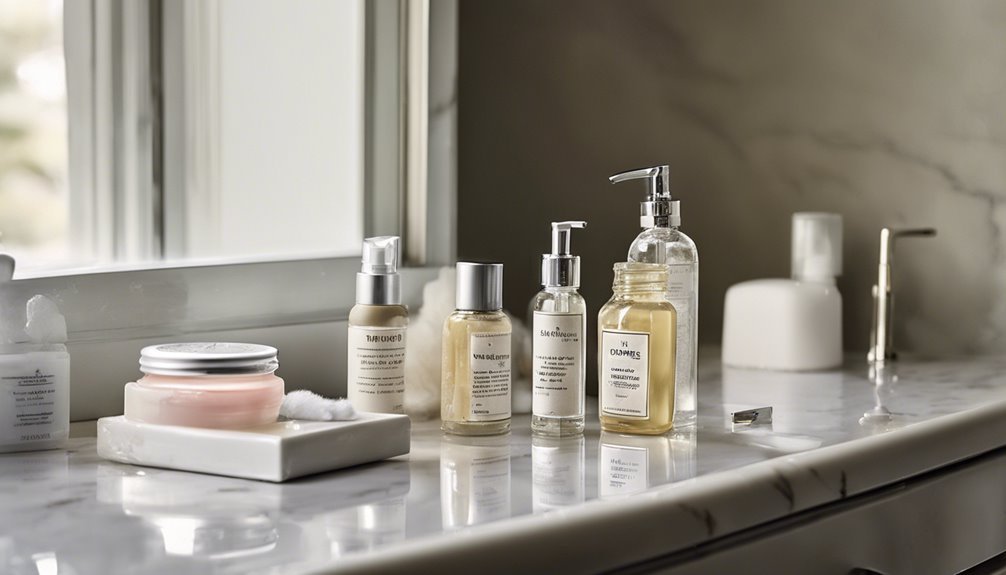
It's tempting to believe that spending more on skincare products will yield better results, especially when flashy advertising promises miracle cures for common post-pregnancy issues like stretch marks and uneven skin tone. However, price and effectiveness are not always correlated. Research shows that many less expensive products contain the same active ingredients as their pricier counterparts.
Here's a quick comparison to help you understand the emotional and practical aspects:
| Factor | Expensive vs. Affordable |
|---|---|
| Effectiveness | Many affordable products are as effective as expensive ones. |
| Ingredients | Check labels; often, they are similar if not identical. |
| Brand Loyalty | Higher price often buys brand prestige, not better quality. |
| Accessibility | Affordable products are easier to find and replace. |
| Emotional Impact | Saving money can reduce stress, which is beneficial for skin health. |
Don't let brand loyalty cloud your judgment. Effective skincare doesn't have to drain your wallet. It's crucial to scrutinize ingredients rather than be swayed by price tags. Serving your skin's true needs involves understanding what it requires, not how much you spend.
You Must Avoid Sunscreen
A common misconception among new moms is that they should avoid using sunscreen to protect their baby from chemical exposure.
However, it's crucial to understand that the benefits of using sunscreen far outweigh the potential risks when used appropriately. Sunscreen provides critical skin protection for both you and your baby, shielding against harmful UV rays that can cause long-term damage.
Here are key points to consider about sunscreen use:
- Broad Spectrum Protection: Choose a sunscreen that offers broad-spectrum protection to guard against both UVA and UVB rays.
- SPF Recommendations: For daily use, select a sunscreen with an SPF of at least 30, which blocks about 97% of UVB rays.
- Application Tips: Apply sunscreen generously on all exposed skin, including face, neck, and hands, at least 15 minutes before going outdoors.
- Reapplication: Reapply every two hours, or immediately after swimming or sweating, to maintain effective skin protection.
Natural Products Are Always Safe

Many new moms believe that products labeled as "natural" are inherently safer for their babies, but this assumption isn't always accurate. It's essential to understand that the term "natural" isn't regulated strictly by health authorities, which means it can be used loosely by manufacturers on a wide array of products, regardless of the safety of their ingredients.

When you're considering natural products, it's critical to scrutinize the ingredients list. Natural ingredients can still provoke allergic reactions or be harsh on a baby's sensitive skin. For instance, essential oils, often touted as natural solutions, can be potent and irritating if not used correctly. Similarly, some plant extracts, while natural, can be too aggressive for young skin.
Moreover, the preservation of these natural products can be a concern. Without synthetic preservatives, natural creams and lotions might've a shorter shelf life and could be prone to bacterial growth if not stored properly. This can pose a hidden risk rather than ensuring product safety.
Therefore, don't let the "natural" label lull you into a false sense of security. Always check for clinical evidence supporting the safety and efficacy of a product.
More Moisturizer, Better Hydration
Contrary to popular belief, applying more moisturizer doesn't necessarily lead to better hydration for your baby's skin. As a new mom, you might think that the more moisturizer you use, the more hydrated your baby's skin will be. However, the science behind skin hydration is more complex and involves understanding the right moisturizer types and hydration timing.
- Choosing the Right Moisturizer: Not all moisturizers are equal. Look for products specifically designed for infants, as their skin is more sensitive and requires gentler formulations.
- Hydration Timing Matters: The best time to moisturize your baby's skin is immediately after a bath. This helps to lock in moisture that the skin has absorbed during the bath.
- Quantity vs. Quality: Using a large amount of a poor-quality product can be less effective than using a smaller amount of a high-quality one.
- Over-Moisturizing Risks: Excessive moisturizer can clog pores and lead to skin irritation. It's crucial to find a balance that maintains skin hydration without overdoing it.
Understanding these aspects will ensure that you're not just applying more product, but are effectively nurturing and protecting your baby's delicate skin.
Makeup Causes Acne Breakouts
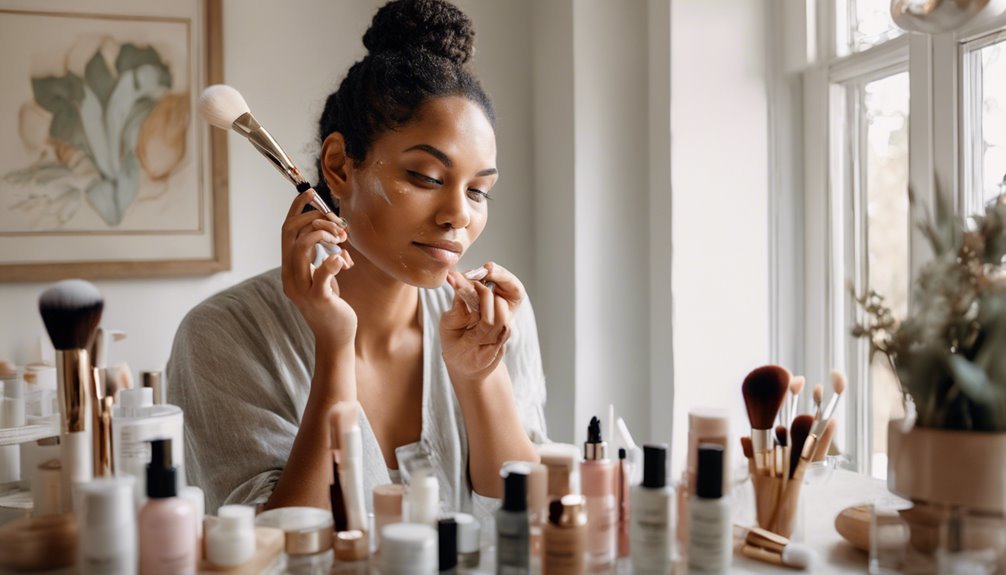
While it's commonly believed that wearing makeup can cause acne breakouts, the relationship between cosmetics and skin health is more nuanced. The truth is that not all makeup products are detrimental to your skin.
It's crucial to understand the specific makeup ingredients and how they interact with your skin type. You should be vigilant about selecting non-comedogenic products, which are specifically formulated to not clog pores. These products typically avoid ingredients such as certain oils and silicones that might exacerbate skin problems.
It's also essential to look for makeup that supports skin health, including items enriched with vitamins and hydrating agents. Equally important is maintaining a thorough skincare routine.
Always remove your makeup completely before bed with a gentle cleanser suited to your skin type. This prevents the buildup of oils and makeup residue that can contribute to acne. Additionally, integrating products with salicylic acid or benzoyl peroxide can help manage and prevent breakouts, ensuring that your makeup application is as beneficial as possible.
Scrubbing Cures Postpartum Acne
A common misconception is that vigorous scrubbing can effectively treat postpartum acne; however, this approach may actually worsen the condition.
When you're dealing with postpartum acne, it's crucial to understand that your skin is more sensitive and requires gentle care. Vigorous scrubbing can strip the skin of its natural oils, leading to increased irritation and potentially more breakouts.
Instead of harsh scrubbing, consider these gentler and more effective strategies for managing postpartum acne:
- Use a mild cleanser: Choose a soft, non-abrasive cleanser that doesn't contain alcohol or fragrances, which can irritate your skin.
- Apply topical treatments: Look for over-the-counter acne treatments containing ingredients like benzoyl peroxide or salicylic acid, but use them sparingly and with caution.
- Maintain a balanced diet: Eating a healthy, balanced diet can help regulate hormone levels and support skin health.
- Consult a dermatologist: For persistent acne, a dermatologist can provide prescriptions for topical or oral medications that are safe during postpartum and breastfeeding.
Adopting a gentle approach to postpartum skincare can help alleviate acne without compromising the health of your skin.
Tanning Evens Skin Tone

Many new moms believe that tanning can help even out skin tone, particularly after the changes brought about by pregnancy. However, it's crucial to understand that tanning poses significant risks and can actually exacerbate skin damage. When your skin tans, it's reacting to UV radiation, which triggers the production of melanin as a defense mechanism. This process doesn't so much "even out" skin tone as potentially create more uneven pigmentation and long-term issues.
| Aspect | Detail |
|---|---|
| Tanning Risks | Premature aging, increased risk of skin cancer |
| Immediate Effects | Sunburn, exacerbation of hyperpigmentation |
| Long-term Effects | Loss of skin elasticity, leathering |
| Safer Alternatives | Use of bronzers, self-tanning products |
Instead of exposing yourself to harmful UV rays, consider safer alternatives like bronzers or self-tanning lotions that don't involve UV exposure. These products can provide a temporary cosmetic fix without the adverse effects associated with traditional tanning. Remember, protecting your skin now is crucial to maintaining its health long-term, which is not just about appearance, but about practicing good self-care and setting a healthy example for your little ones.
Water Alone Enhances Complexion
Drinking plenty of water is often touted as a secret to a glowing complexion, but it's essential to examine the science behind this claim.
While hydration is crucial for maintaining overall health, the idea that water consumption directly improves skin appearance is one of the common hydration myths.
It's important to understand the connection between hydration and skin health to effectively care for your complexion.
Hydration affects the skin, but other factors like genetics, environment, and skincare routines play significant roles in your skin's condition.
Here are some crucial complexion facts to consider:
- Hydration Supports Skin Function: Adequate water intake helps maintain skin elasticity and suppleness, but it isn't a cure-all for skin issues.
- Barrier Function is Key: A healthy skin barrier protects against irritants and locks in moisture, which is more directly correlated with skincare products rather than water intake alone.
- Nutrient Impact: Vitamins and minerals can influence skin health. A balanced diet might be more effective in enhancing complexion than water intake alone.
- External Care: Regular cleansing, moisturizing, and sun protection have a more immediate and noticeable impact on skin appearance.
Frequently Asked Questions
Can Changing My Diet Improve My Skin Postpartum?
Yes, altering your diet can enhance your skin postpartum. Incorporating dietary supplements and foods rich in vitamins and minerals supports skin hydration and overall health.
Opt for omega-3 fatty acids, zinc, and vitamins A, C, and E, which are crucial for repairing and maintaining skin.
However, it's important to consult with a healthcare provider to tailor these additions safely to your specific needs, ensuring optimal benefits for both you and your baby.
Are Facial Massages Effective for Skin Tightening?
Facial massage techniques might feel rejuvenating, but they generally provide only temporary skin effects.
You'll notice some immediate plumping due to increased circulation, but these results don't significantly tighten the skin long-term.
For lasting results, more clinical interventions or targeted treatments are usually necessary.
It's essential to manage expectations and understand that while these massages offer relaxation and minor improvements, they aren't a standalone solution for skin tightening.
Is It Safe to Use Retinoids While Breastfeeding?
You're navigating a minefield when it comes to retinoid safety and breastfeeding concerns.
Generally, it's advised to avoid retinoids while breastfeeding. Retinoids, found in many anti-aging products, can potentially harm your nursing baby due to the way they process through your body and into breast milk.
Always consult your healthcare provider for personalized advice, ensuring the choices you make are the safest for both you and your baby's well-being.
How Does Sleep Affect Postpartum Skin Health?
Sleep significantly impacts your postpartum skin health.
Sleep deprivation can disrupt skin hydration, leading to dryness and a dull complexion. When you don't get enough rest, your body can't effectively repair itself, exacerbating skin issues and delaying recovery.
Prioritize good sleep hygiene to help maintain skin moisture levels and overall skin health.
Can Hormonal Changes Cause Permanent Skin Issues?
Imagine you've noticed increased skin sensitivity during pregnancy; this is often due to hormonal fluctuations.
However, these changes are typically temporary. Hormonal fluctuations can indeed heighten skin sensitivity and cause issues like acne or hyperpigmentation, but these conditions usually resolve postpartum.
Maintaining a gentle skincare routine and consulting with a dermatologist can help manage these effects effectively.
Rest assured, permanent skin damage from hormonal changes is quite rare.
Conclusion
Navigating skincare as a new mom can be daunting, especially with persistent myths. Remember, effective skincare doesn't hinge on price tags or natural labels alone. Tailor your routine, focus on proven ingredients, and consult professionals. Disregarding myths like the necessity to avoid sunscreen or that tanning evens skin tone is crucial. Embrace your journey, equipped with knowledge, to nurture your skin effectively. After all, understanding the truths behind these misconceptions will empower you to make informed, beneficial skincare choices.