
Navigating the journey back to clearer skin after having a baby can seem daunting, but you're not alone in this. By integrating simple, yet effective strategies like proper hydration, balanced nutrition, and gentle skin care routines, you'll set the foundation for noticeable improvements. Still, there's more to explore beyond these basics that could significantly enhance your skin's health and appearance. Consider how adjusting your sleep patterns and managing postpartum hormones play a pivotal role. Curious about the less obvious steps that might transform your skincare regimen? Let's uncover these together.
Key Takeaways
- Drink 8-10 glasses of water daily to hydrate and flush out toxins, enhancing skin clarity.
- Incorporate a balanced diet rich in omega-3s, fruits, and vegetables for vital antioxidants.
- Ensure 7-8 hours of quality sleep nightly to reduce stress and promote skin repair.
- Follow a gentle skin care routine using mild cleansers and moisturize regularly with products containing hyaluronic acid and vitamins.
- Avoid harsh chemicals and opt for natural, paraben-free skincare products to prevent irritation and support skin recovery.
Hydrate Consistently
Maintaining optimal hydration is crucial for enhancing your skin's health, especially post-pregnancy. When you drink enough water, you're not just quenching your thirst—you're providing essential support to your skin.
Adequate hydration benefits your body by helping to maintain skin elasticity, which is particularly vital after you've given birth. This elasticity allows your skin to adapt as your body changes during and after pregnancy.
Scientific studies highlight that well-hydrated skin is less prone to sagging and wrinkles. This is because water replenishes skin tissues, moisturizes, and increases its elasticity. By ensuring you consistently drink the recommended amount of water—generally 8-10 glasses daily—you can significantly improve your skin's texture and resilience.
This simple practice not only aids in your overall health but also supports the skin's repair processes.
Moreover, proper hydration helps to flush out toxins from your body, which can contribute to clearer, more radiant skin.
Prioritize Sleep Quality
Adequate sleep is essential for your skin's health, particularly after pregnancy. When you're well-rested, your body repairs itself more efficiently, which can lead to clearer skin.
Establishing a consistent sleep schedule is critical. Aim for at least 7-8 hours of quality sleep each night. Going to bed and waking up at the same times daily helps regulate your body's internal clock, which can improve sleep quality.
To enhance your sleep environment, consider several factors. A dark, quiet, and cool room is ideal. Invest in blackout curtains and perhaps a white noise machine if you find yourself easily disturbed by outside noises.
The temperature of your room should be comfortably cool, as a cooler sleeping environment promotes better sleep. Moreover, assess your mattress and pillows to ensure they provide the support you need.
Gentle Cleansing Routine
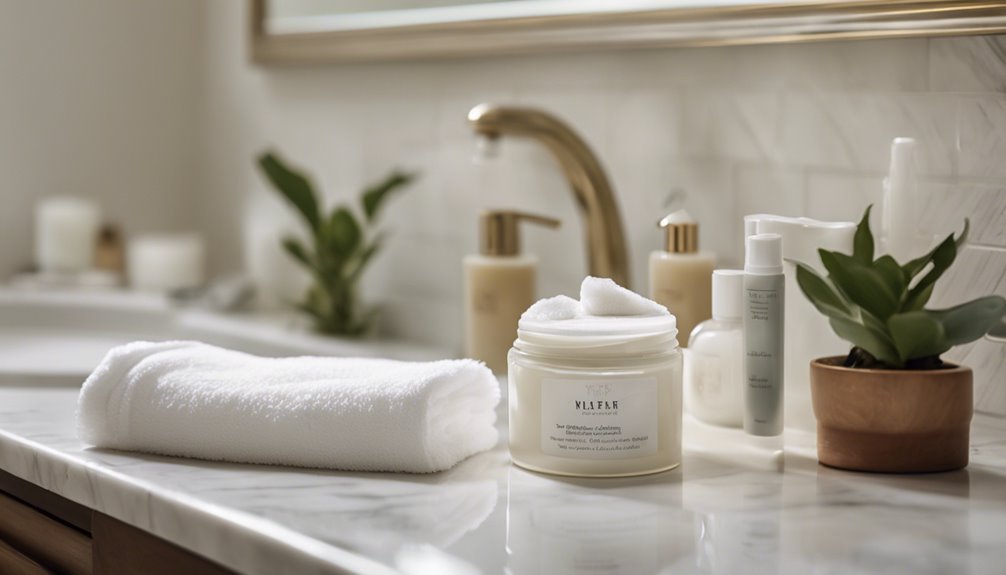
Transitioning to a gentle cleansing routine can significantly enhance your skin's recovery post-pregnancy. During this delicate period, your skin requires extra care to regain its balance and health. Incorporating gentle exfoliation and soothing ingredients into your daily skincare can do wonders.
Here's how you can refine your cleansing routine for optimal results:
- Choose a Mild Cleanser: Opt for cleansers that are free from harsh chemicals and fragrances. Products containing natural ingredients are less likely to irritate your sensitive postpartum skin.
- Incorporate Gentle Exfoliation: Use products with soft, natural exfoliants like oatmeal or jojoba beads. They help remove dead skin cells without causing irritation.
- Use Soothing Ingredients: Ingredients like aloe vera and chamomile not only cleanse but also soothe and calm the skin.
- Limit Washing: Over-washing can strip your skin of natural oils. Limit cleansing to twice a day to maintain natural skin moisture.
- Pat Dry: After washing, gently pat your skin dry with a soft towel instead of rubbing. This prevents aggravation and helps retain moisture.
Moisturize Daily
Regularly moisturizing your skin is essential for maintaining its elasticity and hydration, especially after pregnancy. Postpartum hormonal changes can leave your skin dry and less supple, making daily application of a moisturizer not just beneficial, but necessary.
When selecting a moisturizer, look for products that are free from harsh chemicals and are rich in hydrating ingredients like hyaluronic acid, which retains water to keep your skin more hydrated and youthful.
You'll also want to consider moisturizers that include vitamins such as Vitamin E, known for its healing properties, and Vitamin B5, which helps maintain skin softness and elasticity.
Remember, the skin on your face may have different moisturizing needs compared to body skin. It's often beneficial to use a lighter, non-comedogenic moisturizer for your face and a thicker cream for your body. This tailored approach helps address the specific hydration needs of different areas effectively.
Make moisturizing a part of your daily skincare routine, applying it every morning and night after cleansing. This regularity helps to reinforce the skin's barrier, reducing the likelihood of dryness and irritation.
Healthy Balanced Diet

While moisturizing is crucial for external skin care, embracing a healthy balanced diet plays an equally important role in enhancing your skin's health from the inside out.
After childbirth, your body needs to recover and replenish, and what you eat can significantly influence the quality of your skin. By focusing on nutrient-rich foods, you're providing your body with the essential building blocks to promote healing and vitality.
Integrating a variety of vitamins, minerals, and antioxidants through your diet doesn't just help your skin; it supports overall health, which is especially important postpartum.

Here are some tips to incorporate into your meal planning:
- Include Omega-3 Fatty Acids: Found in fish like salmon and sardines, these are vital for maintaining skin moisture and elasticity.
- Eat Plenty of Fruits and Vegetables: These are high in antioxidants which protect the skin from cellular damage.
- Choose Whole Grains: Rich in fiber, they help improve gut health, influencing skin clarity.
- Hydrate with Water and Herbal Teas: Keeping hydrated helps maintain optimal skin moisture.
- Lean Proteins: Support tissue repair and are essential for skin regeneration.
Manage Stress Levels
Managing stress effectively is crucial for maintaining not only your mental health but also the health of your skin after childbirth. The postpartum period can be overwhelming, and it's important you take steps to prioritize your emotional and physical well-being.
High stress levels can exacerbate skin issues such as acne or eczema, so finding effective stress relief methods is key.
Mindfulness practices are highly recommended for new mothers. Engaging in mindfulness can reduce the stress hormone cortisol, which in turn can help improve your skin's condition.
Simple activities like deep breathing exercises, meditation, or yoga can be incorporated into your daily routine, even if you only have a few minutes to spare.
These practices not only foster relaxation but also enhance your overall resilience to stress.
Postpartum Hormonal Care
Following childbirth, your body undergoes significant hormonal changes that can impact your skin's health. As you navigate this new chapter, understanding how to manage postpartum hormonal fluctuations is essential for maintaining clear, healthy skin.
Here are some evidence-based strategies to help you cope with hormonal changes and reduce skin sensitivity:
- Consult a dermatologist: Seek advice from a skin care professional who understands postpartum skin issues.
- Gentle skincare products: Opt for hypoallergenic and non-comedogenic skincare items to lessen irritation.
- Balanced diet: Incorporate foods rich in antioxidants and omega-3 fatty acids to support skin health.
- Adequate hydration: Drinking plenty of water helps maintain skin hydration and resilience.
- Regular skin assessments: Monitor your skin's condition and adjust your skincare routine as needed.
These steps can help you mitigate the effects of hormonal fluctuations on your skin.
Remember, each individual's skin responds differently to hormonal changes, so it's crucial to tailor your skincare approach to your specific needs.
Exercise Regularly
Regular exercise also plays a significant role in enhancing your skin's health postpartum. Engaging in activities like postpartum yoga and strength training can significantly improve your circulation, which is crucial for skin repair and rejuvenation. Improved blood flow ensures that your skin cells receive ample oxygen and nutrients, which can help to clear up complexion issues that arose during pregnancy.
Postpartum yoga, in particular, is excellent for gently restoring your body's balance and reducing stress. High stress levels can exacerbate skin problems by increasing the production of hormones like cortisol, which can lead to breakouts. By incorporating yoga into your routine, you're not only aiding your physical recovery but also promoting a healthier, more radiant complexion.
Strength training is another vital component. It helps in toning and rebuilding muscle mass, which can boost your overall metabolism. A higher metabolic rate increases the rate at which your body processes and eliminates toxins, potentially reducing the occurrence of pimples and other skin imperfections.
Avoid Harsh Chemicals

While focusing on physical activities to improve your postpartum skin, it's equally important to avoid harsh chemicals in skincare products that can damage your delicate skin.
Opting for natural skincare and chemical-free options can significantly enhance your skin's health, allowing it to recover and rejuvenate more effectively after childbirth.
Harsh chemicals often found in conventional skincare products can be overly aggressive, stripping your skin of natural oils and leading to irritation and dryness.
Instead, seek out products with gentle, nurturing ingredients that support your skin's balance and recovery. Here are some key considerations to guide you:
- Choose Products with Natural Oils: Look for items containing coconut oil, argan oil, or shea butter, which are gentle and hydrating.
- Avoid Synthetic Fragrances: These can be irritating; opt for products scented with natural essential oils.
- Read Labels for Sulfate-Free Options: Sulfates can strip your skin of essential moisture.
- Look for Paraben-Free Products: Parabens are preservatives that can disrupt hormonal balance.
- Consider Organic Certifications: Products certified organic are less likely to contain harmful chemicals.
Regular Skin Examinations
Ensuring your skin remains healthy after childbirth involves more than just choosing the right products; it also requires routine skin examinations.
It's vital to monitor your skin for any changes or emerging conditions that might need attention. Regular check-ups with a dermatologist can help identify issues early on, leading to more effective treatments.
Dermatologist advice often emphasizes the importance of being aware of any new moles, changes in existing moles, persistent rashes, or skin discoloration.
These can sometimes indicate underlying health conditions that develop or worsen post-pregnancy. A professional can provide targeted advice and care tailored to your specific needs during this sensitive period.
By scheduling regular skin exams, you're not only taking care of your health, but you're also setting a strong example for those around you who may depend on your guidance and support.
This proactive approach ensures that you're at your best, equipped to care for your new baby and yourself.
Frequently Asked Questions
Can Breastfeeding Affect My Skin Condition?
Yes, breastfeeding can affect your skin condition due to hormonal changes.
These adjustments can lead to issues like acne or dryness. However, the breastfeeding benefits extend beyond nourishment: they support your baby's immunity and foster bonding.
To manage skin changes, maintain a healthy diet, stay hydrated, and consult a dermatologist if necessary.
This approach not only serves your well-being but also enables you to provide the best care for your child.
How Does Postpartum Thyroid Dysfunction Impact Skin Health?
Imagine your skin as a canvas, sensitive and responsive to internal changes. Postpartum thyroid dysfunction can disrupt your hormonal balance, leading to potential skin issues.
The thyroid hormones, when imbalanced, contribute to skin inflammation and changes in texture and appearance.
It's essential to monitor thyroid levels during the postpartum period, as managing these hormonal changes can help mitigate their impact on your skin, ensuring it remains as healthy and vibrant as you're in serving others.
Are There Specific Vitamins That Improve Post-Baby Skin?
Yes, certain vitamins can significantly enhance your skin's health.
Vitamin C, for instance, promotes collagen production, improving elasticity and firmness.
Vitamin E is crucial for its antioxidant properties that protect skin cells from damage.
Additionally, vitamin A helps in skin cell regeneration and repair.
Integrating these vitamins into your diet can provide essential nutrients that support skin health, ensuring it remains vibrant and resilient.
Should I Alter My Skincare Routine Seasonally Post-Baby?
Yes, you should consider altering your skincare routine seasonally.
Seasonal skincare adjustments are crucial because your skin's needs change with the weather.
In winter, you might need more moisturizing products to combat dryness, while summer might require lighter lotions and increased sun protection.
Always choose products suited for your current skin condition and consult with a dermatologist to ensure your routine supports skin health effectively throughout the year.
Is Collagen Supplementation Beneficial for Postpartum Skin Recovery?
You might wonder if taking collagen supplements can help your skin recover after childbirth.
Research suggests that collagen, a key component in maintaining skin elasticity, can indeed support skin health.
Opting for high-quality collagen sources can be beneficial. By boosting collagen levels, you're likely to see improvements in skin texture and firmness.
Do consider consulting with a healthcare provider to tailor supplements that best fit your postpartum needs.
Conclusion
Remember, achieving clearer skin after your baby isn't just a dream—it's entirely possible with consistent care. Take Sarah, for example, who saw significant improvement in her postpartum acne by integrating these tips, especially focusing on hydration and a gentle skincare routine. Stick to these practices diligently, and consult your dermatologist regularly to tailor them to your changing skin needs. With dedication, you'll not only feel better but also see visible results.