
If you've ever woken up with puffy eyes, you're not alone. This common nuisance, often a result of poor sleep, allergies, or diet, can be both uncomfortable and visually frustrating. You might already know about using cold compresses, but have you considered the surprising effects of proper hydration or the angle at which you sleep? While these remedies offer temporary relief, understanding their mechanisms can empower you to tackle the root causes more effectively. Let's explore why these solutions work, and what other tactics might be even more effective in keeping those unwelcome bags at bay.
Key Takeaways
- Use cold compresses like gel packs or ice bags for 10-20 minutes to reduce swelling effectively.
- Apply chilled cucumber slices on your eyes for 10-15 minutes to soothe and hydrate the skin.
- Place refrigerated, caffeinated tea bags on closed eyelids for 15-30 minutes to constrict blood vessels.
- Elevate your head with extra pillows while sleeping to aid in lymphatic drainage and minimize morning puffiness.
- Ensure adequate hydration by drinking at least eight 8-ounce glasses of water daily to prevent fluid retention.
Understanding Puffy Eyes
Puffy eyes, your body's response to various triggers, can arise from factors such as lack of sleep, allergies, or even genetics. When you're helping others to manage their eye health, it's crucial to understand that these aren't just cosmetic concerns but can also signify underlying health issues.
Firstly, lack of sleep disrupts hormonal balance, which can cause fluid retention around your eyes. Encourage maintaining regular sleep patterns as a preventive measure.
Allergies are another common culprit; they trigger the release of histamines, which inflame blood vessels and lead to swelling. Identifying and avoiding allergens is key.
Furthermore, genetics play a role; some people are predisposed to weaker skin around the eyes, making them more vulnerable to puffiness.
To educate effectively, stress the importance of a balanced diet and adequate hydration. Salt intake should be monitored, as excess salt can exacerbate fluid retention.
Additionally, remind them that smoking deteriorates skin quality and can worsen puffiness. By understanding these causes and adopting preventive measures, you can significantly aid individuals in reducing the appearance of puffy eyes and improving overall eye health.
Cold Compress Essentials
Applying a cold compress can quickly reduce swelling and alleviate discomfort associated with puffy eyes. You're likely seeking the most effective method to serve those you care for or even yourself. Understanding the different cold compress types and the appropriate cold compress duration is crucial for optimal results.
| Type | Description | Recommended Duration |
|---|---|---|
| Gel Pack | Stays cold longer, conforms to face shape | 15-20 minutes |
| Ice Bag | Affordable, reusable | 10-15 minutes |
| Frozen Peas | Molds easily to eye contours | 10-15 minutes |
When using any type of cold compress, wrap it in a soft cloth to protect the delicate skin around your eyes from frostbite. Start with clean skin to avoid irritation and apply the cold compress gently. Don't press too hard; let the coolness work its magic. The duration varies slightly depending on the type, but generally, keeping the compress on for about 10 to 20 minutes is beneficial. This interval helps reduce puffiness effectively without overexposing the skin to extreme cold. Remember, consistency is key—regular use yields the best results.
Cucumber Slices Benefit

Refreshing relief for swollen eyes can often be found right in your own kitchen. Cucumber slices are a time-honored remedy known for their incredible cucumber benefits, particularly their cooling effect on the skin. When you place chilled cucumber slices on your eyes, the coldness helps constrict blood vessels, reducing swelling and inflammation almost instantly.
Cucumbers contain powerful antioxidants, including flavonoids and tannins, which effectively combat irritation and reduce puffiness. This is because these antioxidants prevent the accumulation of fluid and minimize oxidative stress in the skin tissues around your eyes.
Moreover, the high water content in cucumbers aids in hydrating the thin layers of skin around your eyes, providing a soothing sensation and further helping to reduce swelling. The cooling effect of cucumber also helps soothe tired eyes, which is particularly beneficial if you're looking to refresh after a long day or reduce the stress on your eyes.
For the best results, you should use fresh cucumbers that have been refrigerated. Slice them thickly to ensure they stay cool longer, covering your eyes completely. Lie back, relax, and let the natural properties of cucumber revitalize your eyes for about 10 to 15 minutes.
Hydration for Eye Health
While the cooling effects of cucumber slices offer temporary relief from puffiness, maintaining adequate hydration is fundamental to long-term eye health. Water intake significantly influences the balance of fluids in your body, including those in and around your eyes. Dehydration can lead to the retention of fluids as a protective measure, which, paradoxically, results in puffiness under the eyes.
Increasing your water intake helps maintain this delicate balance, reducing the likelihood of puffiness. The hydration benefits extend beyond just alleviating eye bags; they also contribute to the overall health of your eyes. Proper hydration aids in the production of tears, which not only keep your eyes comfortable but also clear them of debris and prevent infections.
To ensure you're getting enough fluids, aim for at least eight 8-ounce glasses of water per day. However, your specific needs may vary based on your activity level, overall health, and environmental conditions.
You might find it helpful to carry a water bottle with you throughout the day to encourage regular sipping.
Elevate Your Head While Sleeping

Elevating your head while you sleep can significantly reduce the morning puffiness around your eyes. This simple adjustment in your sleep posture allows for better fluid circulation and prevents the accumulation of fluid under your eyes. By optimizing head elevation, you're not just aiming for cosmetic benefits; you're enhancing your overall sleep quality and health.
When you adjust your sleep posture to elevate your head, you're employing gravity to aid lymphatic drainage and reduce swelling. This isn't just a quick fix; it's a preventive strategy that supports your body's natural processes. To implement this effectively, consider using an extra pillow or an adjustable bed base to maintain a gentle, consistent elevation throughout the night.
Here's how different elevations can impact your eye appearance and sleep quality:
| Elevation Height | Benefits |
|---|---|
| Low (1-2 inches) | Minimal impact on eye puffiness, slight improvement in sinus drainage |
| Medium (3-5 inches) | Reduces eye puffiness, aids in sinus drainage, may improve snoring |
| High (6+ inches) | Maximally reduces eye puffiness, significantly aids in sinus and respiratory function |
Tea Bags as a Remedy
After exploring how elevation during sleep can reduce eye puffiness, another effective remedy involves the use of tea bags. This method leverages the natural properties found in various tea types, combined with cooling effects to soothe and reduce inflammation around the eyes.
Tea contains antioxidants and caffeine which, when applied topically, can help tighten the skin and draw out fluid that contributes to puffiness.
Here's how you can use tea bags to help those you serve manage their puffy eyes:
- Choose the Right Tea: Opt for teas rich in caffeine and tannins, such as green, black, or oolong tea, which are most effective in reducing inflammation and tightening the skin.
- Steep Correctly: Soak two tea bags in hot water for about 3-5 minutes, then remove and let them cool to a safe temperature.
- Chill for Enhanced Effect: Place the soaked tea bags in the refrigerator for 20 minutes to enhance their cooling effects.
- Apply with Care: Place the chilled tea bags over closed eyelids and rest for about 15-30 minutes.
- Repeat Regularly: For best results, practice this treatment daily, especially in the morning or after a long day.
This simple, natural remedy can be a soothing, enjoyable way to help those around you look and feel their best.
Reduce Salt Intake

Reducing your salt intake can significantly help in managing puffy eyes. Excessive sodium in your diet causes your body to retain water, leading to swelling around the delicate eye area.
To combat puffiness, it's crucial to identify and modify your salt sources. Begin by examining your food labels; processed and pre-packaged foods often contain high levels of sodium.
Opt for fresh produce and lean proteins, which naturally contain less salt. Incorporating these dietary changes doesn't just reduce eye puffiness; it also contributes to overall health.
Cooking at home allows you to control the amount of salt added to your meals. Use herbs, spices, and salt-free seasoning blends to enhance flavor without the extra sodium.
Additionally, be mindful of sauces and dressings, which are common hidden sources of salt.
Massaging the Eye Area
While adjusting your diet can play a significant role in managing puffiness around the eyes, another effective method is massaging the eye area.
Massage helps stimulate lymphatic drainage and reduces eye pressure, which can contribute to swelling. You'll want to use gentle strokes to avoid any harm, as the skin around your eyes is particularly delicate.
Here's how you can perform an eye massage effectively:
- Start at the Inner Corners: Use your index or middle finger to apply light pressure at the inner corners of your eyes. This area links to your sinuses, which when pressured gently, can help reduce fluid retention.
- Move Outwards: Slowly move your fingers outwards along the under-eye area towards the temples. This helps facilitate lymphatic drainage from the central facial region.
- Circular Motions: Employ soft, circular motions on the temples to further promote circulation and reduce tension.
- Pressure Points: Gently press the pressure points just under the brow bone for a few seconds each. This can help relieve eye pressure and promote relaxation.
- Repeat: Repeat the sequence three to five times, ensuring your touch remains gentle throughout.
Allergy Management Tips

Managing allergies effectively is crucial for reducing puffiness around your eyes. Identifying and avoiding allergy triggers can significantly alleviate symptoms. Awareness of environmental factors also plays a key role. Here's a concise guide to manage common allergens:
| Allergen Type | Common Sources | Management Strategy |
|---|---|---|
| Pollen | Trees, grasses, weeds | Keep windows closed during high pollen days |
| Dust Mites | Bedding, carpets, upholstered furniture | Use allergen-proof covers, wash regularly |
| Pet Dander | Cats, dogs, other furry animals | Bathe pets weekly, limit access to bedroom |
| Mold | Damp areas, bathrooms, old food | Use dehumidifiers, clean moldy surfaces |
You'll find that by tackling these allergens, the irritation and consequent puffiness around your eyes may decrease. Make sure you clean your living spaces regularly, focusing on areas where allergens accumulate. Using air purifiers can help remove airborne allergens, reducing exposure.
Additionally, monitor local air quality and pollen reports to plan your outdoor activities when allergen levels are lower. Staying proactive in your approach will not only help your eyes look better but also improve your overall comfort and health.
Selecting Eye Creams
After addressing environmental allergens, you might still notice some residual puffiness around your eyes. Selecting the right eye cream is crucial for minimizing this issue and rejuvenating your delicate eye area.
Here's what you should look for:
- Natural Ingredients: Opt for creams containing caffeine, cucumber, and chamomile. These natural components are known for their soothing and anti-inflammatory properties.
- Peptides and Antioxidants: Look for products with peptides, which help strengthen skin, and antioxidants like Vitamin C, which can reduce puffiness by improving skin health.
- Hydration Factors: Hyaluronic acid is a must-have for its intense hydration capabilities, helping to plump the skin and reduce swelling.
- Non-Irritating Formulas: Choose hypoallergenic creams that are free from fragrances and alcohol to avoid further irritation that can increase puffiness.
- Proper Application Techniques: Find creams that come with a metal rollerball applicator or suggest using a gentle patting motion for application to stimulate lymphatic drainage without stressing the skin.
Makeup Techniques to Camouflage
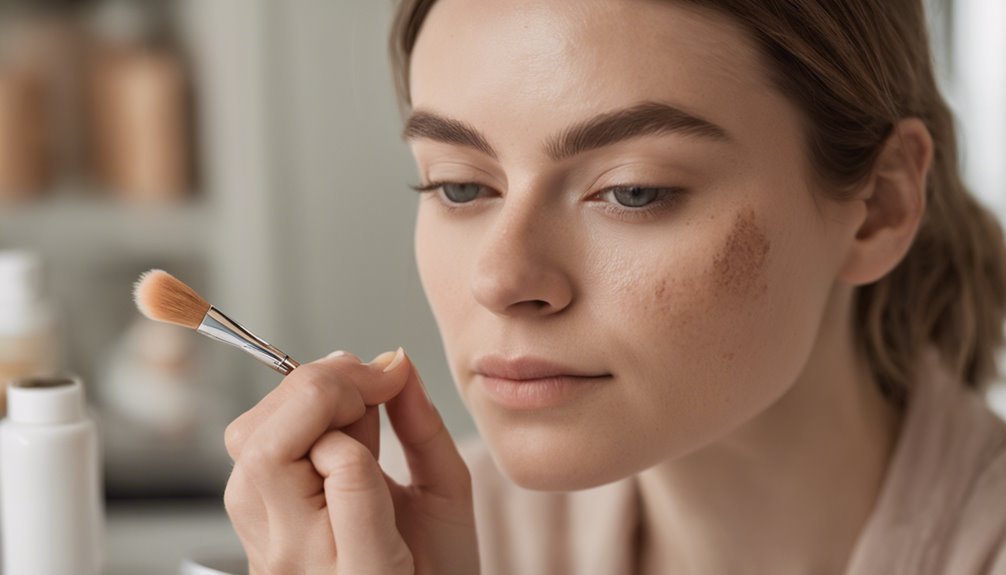
Applying makeup strategically can effectively camouflage the appearance of puffy eyes and enhance your facial features.
Begin by utilizing color correcting techniques to neutralize discolored areas. A peach or salmon-colored corrector is ideal for bluish under-eye circles, counteracting the darkness. Apply this only on the darkest areas to avoid drawing attention to the puffiness.
Next, use a light-reflective concealer that matches your skin tone to brighten the under-eye area. Pat it gently rather than rubbing, to minimize irritation. Set this layer with a fine, loose powder to prevent the makeup from creasing throughout the day.
For your eyeliner techniques, opt for a nude or white eyeliner on the waterline to make your eyes appear larger and more awake. Avoid heavy eyeliners, as dark lines can make your eyes look smaller and accentuate puffiness.
Instead, focus on lifting the eye with a slight winged eyeliner on the upper lid, which draws attention away from any under-eye swelling.
When to See a Doctor
While mild puffiness under your eyes is typically harmless and usually a result of factors like sleep deprivation or diet, persistent or severe swelling could signal underlying health issues.
It's crucial to be proactive about symptom awareness and explore treatment options when necessary. If you're noticing that your eye puffiness is accompanied by other concerning symptoms, it might be time to consult a healthcare professional.
Here are key signs that should prompt a visit to your doctor:
- Persistent Puffiness: Swelling that doesn't improve despite home remedies or lifestyle changes.
- Pain or Discomfort: If the area around your eyes is sore or painful.
- Accompanying Symptoms: Such as redness, itching, or vision changes.
- Asymmetry: One eye is significantly more affected than the other.
- Related Health Concerns: Signs of infection or an allergic reaction, or if you have a medical condition that might affect your eyes, like thyroid issues.
These indicators help ensure you're not overlooking potential health problems.
Prioritizing your health by consulting a professional can provide peace of mind and appropriate care.
Frequently Asked Questions
Can Seasonal Changes Increase Puffiness Around the Eyes?
Yes, seasonal changes can indeed increase the puffiness around your eyes.
As seasons shift, changes in humidity levels and the prevalence of allergens like pollen contribute to this issue. These allergens can trigger allergic reactions, leading to swelling as your body tries to fight off perceived threats.
Higher humidity can also exacerbate these effects, making your eyes appear puffier.
It's essential to manage these allergies effectively to alleviate such symptoms.
Are There Specific Vitamins That Prevent Eye Puffiness?
Yes, certain vitamins can shield your eyes from the unwelcome guest of puffiness.
Vitamin C and E are particularly noteworthy; their antioxidant properties help reduce inflammation and support capillary health, crucial for minimizing puffiness.
Additionally, Vitamin B3 improves skin elasticity, reinforcing delicate under-eye areas.
Incorporating these vitamins into your diet can significantly bolster eye health and prevent the appearance of tired, swollen eyes, serving both your well-being and those around you.
How Does Sleep Quality Affect Eye Puffiness?
Sleep quality significantly impacts your eye puffiness. When you're sleep-deprived, fluid retention increases around your eyes, leading to swelling.
Ensuring you get adequate, restful sleep helps maintain proper hydration levels and reduces these effects. Aim for 7-9 hours per night and consider adjusting your sleeping position; sleeping slightly elevated can further help prevent fluids from accumulating around your eyes.
Can Stress Directly Cause Puffy Eyes?
Yes, stress can directly lead to puffy eyes. When you're stressed, your cortisol levels rise, affecting your body's salt balance and causing fluid retention.
Managing stress through techniques like meditation or yoga and maintaining good hydration can help reduce puffiness.
Prioritizing these aspects not only addresses the symptoms but also improves your overall well-being, enabling you to serve others more effectively and compassionately.
Always remember, taking care of yourself lets you take better care of others.
Is Puffy Eyes a Sign of Kidney Issues?
Yes, puffy eyes can indeed signal kidney issues.
Like a dam holding back water, impaired kidney function may lead to fluid retention, causing swelling around your eyes.
This symptom suggests that your kidneys aren't filtering excess fluid efficiently, possibly due to underlying health conditions.
It's essential to consult a healthcare professional to assess kidney health and discuss appropriate treatments, reflecting a commitment to nurturing well-being and serving community health needs effectively.
Conclusion
To swiftly alleviate puffy eyes, embrace the cooling touch of a cold compress or the soothing slice of a cucumber. Hydrate diligently and elevate your head at night to prevent fluid accumulation. If allergies stir your symptoms, manage them proactively. Eye creams and strategic makeup can also disguise any persistent puffiness. However, if these quick fixes don't bring relief, it's wise to consult a doctor. Remember, timely and appropriate care can keep your eyes looking and feeling their best.