
You've likely heard that drinking water and applying sunscreen are essential for maintaining healthy, glowing skin, but how effective are these habits when not supported by a comprehensive skincare regimen? Integrating a routine that includes gentle cleansing, regular exfoliation, and the use of antioxidant-rich products can significantly enhance your skin's natural radiance. However, there's more to explore about the subtle nuances that can make a significant difference in skin health. What if you considered the impact of your sleep patterns, or the potential benefits of incorporating specific superfoods into your diet? Let's examine how these elements contribute to your skin's overall health and appearance.
Key Takeaways
- Drink at least eight 8-ounce glasses of water daily to maintain skin hydration and elasticity.
- Incorporate antioxidants through berries, nuts, and leafy greens to combat skin oxidative stress.
- Follow a daily skincare routine that includes cleansing, toning, and moisturizing with antioxidant-rich products.
- Apply broad-spectrum sunscreen generously and reapply every two hours to protect skin from UV damage.
- Aim for 7 to 9 hours of quality sleep nightly to support natural skin repair and rejuvenation.
Prioritize Hydration
Nearly every cell in your body requires water to function optimally, making hydration essential for maintaining healthy, glowing skin.
When you ensure proper water intake, you're supporting the dermal hydration balance necessary to keep your skin supple and radiant. Adequate hydration facilitates the efficient transport of nutrients to skin cells and helps to flush out toxins, which might otherwise manifest as dullness or breakouts.
To effectively manage your hydration levels, you should aim to drink at least eight 8-ounce glasses of water per day, though individual needs can vary based on factors like activity level and climate.
It's important to recognize the signs of dehydration, which include dry skin, itchiness, and visible fine lines. These symptoms indicate that your skin cells are struggling to maintain optimal function due to a lack of moisture.
Optimize Your Diet
Beyond simply staying hydrated, optimizing your diet plays a crucial role in achieving healthy, glowing skin. The science is clear: what you eat directly influences your skin's health. Integrating a variety of superfoods into your meals can provide significant benefits. Superfoods like berries, nuts, and green leafy vegetables are rich in antioxidants, vitamins, and minerals that combat oxidative stress and inflammation, which are common culprits behind skin issues.
To ensure you're consistently incorporating these skin-boosting nutrients, effective meal planning is key. Start by drafting a weekly menu that includes a balance of proteins, fats, and carbohydrates, all rich in phytonutrients. For instance, salmon, rich in omega-3 fatty acids, supports skin hydration and elasticity, while sweet potatoes, packed with beta-carotene, help maintain skin integrity.
Moreover, consider the timing and combination of your food intake to maximize nutrient absorption. For example, pairing iron-rich spinach with vitamin C-rich oranges enhances iron absorption, benefiting your skin further.
Follow a Consistent Skincare Routine

Establishing a consistent skincare routine is essential for maintaining the health and appearance of your skin. By adhering to a daily regimen, you're not only nurturing your skin's natural barriers but also ensuring that the benefits of each product are maximized.
Routine consistency allows active skincare ingredients to work synergistically over time, promoting cellular turnover and enhancing skin resilience against environmental stressors.
When developing your routine, focus on selecting high-quality skincare ingredients that align with your specific skin needs. For instance, antioxidants like vitamin C and E protect skin cells from oxidative damage, while hyaluronic acid provides essential hydration that plumps and revitalizes the skin's surface.
It's crucial to apply these products in the correct order—cleanser, toner, serum, and moisturizer—to facilitate optimal absorption.
Protect Skin From the Sun
Shielding your skin from the sun's harmful UV rays is crucial for maintaining its health and preventing premature aging. Sunscreen application plays a pivotal role in your daily skincare regimen. By choosing a broad-spectrum sunscreen that offers both UVA and UVB protection, you're investing in your skin's long-term wellness and appearance.
It's important that you apply a generous amount of sunscreen to all exposed skin, ideally 30 minutes before going outdoors. This allows the sunscreen to fully bind to your skin, enhancing its protective barrier.
Reapplication is just as vital, especially after sweating, swimming, or towel drying. Experts recommend reapplying every two hours to maintain optimal UV protection. Don't overlook areas like your ears, the back of your neck, and the tops of your feet. These spots are often missed and are vulnerable to sun damage.
For those who spend a significant amount of time outdoors, wearing protective clothing such as wide-brimmed hats, long-sleeved shirts, and sunglasses can further shield your skin from the sun's relentless rays.
Get Sufficient Sleep

Getting enough sleep is essential for maintaining healthy, glowing skin. When you sleep, your body goes into repair mode, regenerating skin cells and balancing hydration levels. This process is crucial because it helps counteract the daily environmental stressors your skin faces.
Establishing a consistent sleep schedule is key. Aim for 7 to 9 hours of quality sleep each night to allow your skin adequate time to undergo these vital regenerative processes.
Your sleep environment plays a significant role in how well you sleep. Ensure your bedroom is conducive to rest by keeping it cool, dark, and quiet.
Invest in a comfortable mattress and pillows that support a good sleeping posture. Avoiding stimulants like caffeine and electronic devices before bedtime can also help you achieve a more restful state.
Manage Stress Effectively
Excessive stress can wreak havoc on your skin, leading to issues like breakouts, dryness, and premature aging. To help you manage stress effectively, integrating mindfulness techniques into your daily routine is crucial.
These practices don't just soothe your mind; they also manifest positive outcomes on your skin. Mindfulness techniques are scientifically proven to reduce the cortisol levels in your body, which are directly linked to stress-induced skin problems.
By lowering these levels, you're not only protecting your skin but also enhancing your overall well-being, enabling you to serve others with more vitality and presence.
To effectively incorporate stress management into your skincare regimen, consider the following strategies:
- Regular Meditation: Allocate at least 10 minutes daily for meditation to decrease stress and increase your skin's ability to repair itself.
- Deep Breathing Exercises: Practice controlled breathing techniques to immediately lower your stress levels, promoting a clearer complexion.
- Scheduled Relaxation: Dedicate time for activities that relax both your mind and body, such as reading or listening to soothing music.
Exercise Regularly

Regular exercise isn't just crucial for maintaining overall health; it also plays a significant role in achieving radiant and healthy skin. Engaging in daily fitness activities increases blood flow, which helps nourish skin cells and keep them vital. Blood carries oxygen and nutrients to working cells throughout the body, including the skin, while also carrying away waste products, including free radicals, from working cells. This process is vital for detoxifying your skin naturally.
Incorporating a variety of workout routines can improve your skin's appearance. Aerobic exercises, for instance, enhance circulation and induce sweating, thereby aiding in the cleansing of your pores from the inside out.
Resistance training, on the other hand, helps maintain muscle tone which can make your skin appear tighter and more youthful.
Furthermore, regular physical activity can reduce stress, which is known to exacerbate skin conditions like acne and eczema. By including exercise as a regular part of your life, you're not just benefiting your cardiovascular health but also empowering your skin to renew and repair itself effectively.
Limit Alcohol and Smoking
Limiting your intake of alcohol and avoiding smoking are crucial steps towards maintaining healthy, glowing skin. Alcohol effects on the skin manifest through dehydration and inflammation, which accelerate aging and dullness.
Smoking, meanwhile, constricts blood vessels, impairing blood flow to the skin and depriving it of essential nutrients and oxygen.
To truly commit to a skin-friendly lifestyle, consider these impactful changes:
- Reduce Alcohol Consumption: Start by decreasing alcohol intake gradually. Aim for social occasions only, choosing lower-alcohol options or mocktails enriched with hydrating ingredients like cucumber or watermelon.
- Explore Smoking Alternatives: If quitting smoking outright feels daunting, explore safer alternatives like nicotine patches or gum that don't involve inhaling harmful smoke. These methods can help reduce your dependence while minimizing skin damage.
- Stay Hydrated: Compensate for any alcohol consumption by increasing your water intake. This helps flush out toxins and maintain skin hydration, countering some of the dehydrating effects of alcohol.
Cleanse and Exfoliate Properly
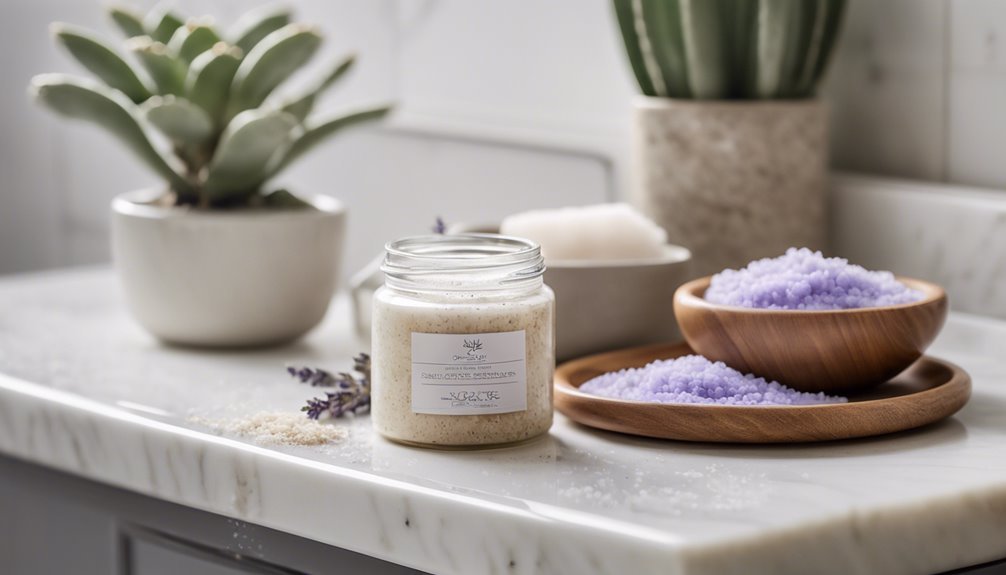
While reducing alcohol intake and stopping smoking are vital for enhancing your skin's health, adopting a thorough skincare routine is equally important. You should start with the foundation of any effective skincare regime: proper cleansing and exfoliation.
Double cleansing, a method renowned for its efficacy, involves first using an oil-based cleanser to dissolve makeup, sunscreen, and sebum, followed by a water-based cleanser to remove sweat, bacteria, and environmental pollutants. This technique ensures that your skin is thoroughly purified without stripping it of its natural oils, which are crucial for maintaining the skin's barrier function.
Exfoliation, on the other hand, is essential for removing dead skin cells that can clog pores and cause dullness. Incorporating exfoliation techniques such as mechanical scrubs or chemical exfoliants like alpha hydroxy acids (AHAs) or beta hydroxy acids (BHAs) can significantly enhance your skin's texture and radiance.
However, it's crucial to choose a method that suits your skin type to avoid irritation and to exfoliate no more than twice a week to prevent compromising the skin's natural defenses.
Use Antioxidant-Rich Products
Incorporating antioxidant-rich skincare products into your routine can significantly protect your skin from environmental stressors such as pollution and UV radiation. Antioxidants are vital in combating the oxidative stress caused by free radicals, which can lead to premature aging and skin damage.
By using products infused with antioxidants, you're not only defending your skin but also enhancing its natural healing processes.
Antioxidant benefits include:
- Mitigation of Sun Damage: Antioxidants like Vitamin C and E can help mitigate the damage caused by UV rays, reducing the risk of photoaging and skin cancer.
- Improved Skin Repair: Ingredients such as green tea and retinol promote faster cell turnover, helping your skin repair itself more efficiently.
- Enhanced Brightness and Tone: With regular use, antioxidants can improve skin's luminosity and even out skin tone, giving you a more youthful appearance.
When selecting products, look for key product ingredients known for their potent antioxidant properties. Vitamins C and E, ferulic acid, and niacinamide are excellent choices.
They not only shield your skin from external harm but also nourish it deeply, ensuring a healthier, more resilient complexion.
Prioritize quality and research-backed products to fully harness the protective and restorative power of antioxidants.
Monitor Skin's Hydration Levels

After optimizing your skincare regimen with antioxidants, another key step is monitoring your skin's hydration levels. Staying informed about your skin's moisture content is crucial for maintaining its health and vitality. You can adopt several skin hydration techniques that will help you keep your skin supple and radiant.
Firstly, utilize hydration monitoring tools like digital skin sensors. These devices measure the moisture levels in your skin and provide you with real-time feedback. By using such tools, you're not just guessing about your skin's needs; you're applying a scientific approach to ensure optimal hydration.
Additionally, incorporate a hygrometer in your environment. This device measures the humidity level in the air, which significantly affects your skin's moisture. An ideal indoor humidity should range between 40% to 60% to support skin hydration.
Consistently monitoring and adjusting your hydration practices based on these tools can significantly improve your skin's appearance and health.
Remember, maintaining adequate skin hydration isn't just about looking good; it's about preserving the skin's function and supporting its role as a barrier against environmental stresses.
Seek Professional Advice When Needed
Consult a dermatologist or skincare specialist if you notice persistent issues despite your best efforts to maintain skin hydration and health. A professional can provide a tailored skincare consultation that pinpoints specific concerns, from chronic dryness to unexplained breakouts.
Expert recommendations aren't only about addressing current skin problems but also about preventing potential issues in the future.
When considering professional advice, keep these points in mind:
- Personalized Skin Assessment: Understand your skin type and condition deeply through scientific analysis and expert evaluation.
- Advanced Treatment Options: Learn about the latest treatments that aren't typically available over-the-counter.
- Holistic Skincare Approaches: Gain insights into how lifestyle, diet, and even emotional well-being can impact your skin.
Engaging with a specialist equips you with knowledge and treatments that elevate your skincare regimen beyond basic practices.
It's essential to recognize when home remedies and over-the-counter products aren't enough. An expert can guide you through a comprehensive approach that combines clinical therapies with home care, ensuring your skin not only looks but truly is healthier.
Frequently Asked Questions
Can Changing Pillowcases Frequently Improve Skin Health?
Yes, changing your pillowcases frequently can indeed improve your skin health.
Regular pillowcase hygiene reduces the accumulation of oils, skin bacteria, and debris, preventing them from clogging your pores. This practice is crucial because during sleep, your skin is in direct contact with the pillowcase for several hours, which can transfer bacteria back to your skin.
Do Facial Massages Benefit Skin Tone and Elasticity?
Yes, facial massages can significantly benefit your skin tone and elasticity.
Studies show that consistent application of facial techniques, such as kneading and stroking, increases blood circulation and promotes skin rejuvenation.
This not only enhances your skin's glow but also helps in maintaining its elasticity.
Engaging regularly in these practices can lead to visible improvements, making your skin appear more youthful and radiant, serving your desire to maintain a healthy appearance.
How Does Air Pollution Impact Skin Health?
Air pollution significantly compromises your skin health by penetrating and damaging the skin barrier.
Pollutants like smoke and particulate matter trigger oxidative stress, accelerating aging and exacerbating skin conditions such as acne and eczema.
You'll find that continued exposure disrupts skin's ability to retain moisture and elasticity, leading to dryness and increased sensitivity.
To protect yourself, it's crucial to incorporate antioxidants in your skincare regimen and regularly cleanse your skin of pollutants.
Are There Skin Benefits to Using Silk or Satin Pillowcases?
Yes, using silk or satin pillowcases can offer notable skin benefits.
Silk's natural proteins and smooth texture can reduce friction, which means less tugging on your skin and fewer wrinkles over time.
Satin also has advantages; it's less absorbent than cotton, so it won't strip your skin of essential oils, helping you maintain hydration throughout the night.
Both options provide a gentler sleeping surface, promoting healthier, more radiant skin as you rest.
What Role Do Genetics Play in Skin Health?
Ironically, you can't choose your family or your skin inheritance! Genetics play a crucial role in your skin health, often dictating your genetic predisposition to certain conditions like acne, eczema, or even the resilience against aging.
Understanding your genetic makeup can guide personalized skincare routines, helping you serve others by sharing insights into effective skin care practices that are tailored to genetic profiles, enhancing both health and beauty through scientifically informed choices.
Conclusion
To unlock radiant skin, juxtapose nature's bounty with high-tech tools. Hydrate vigorously and let superfoods invigorate your cells, while digital sensors track your skin's moisture. Embrace a meticulous skincare regime, enhanced by potent antioxidants, and shield yourself daily from the sun's harsh narrative. Remember, the silent healer is sleep—prioritize it. Should complexities arise, a professional's lens can offer clarity. This symphony of practices ensures your skin not only survives but thrives.