
While traditional methods of teaching sight words can feel tedious, integrating word puzzles offers a refreshing twist. This approach not only makes learning enjoyable but also enhances children’s understanding and retention of these essential words. Curious about how different types of puzzles can transform your lessons? Let’s explore the various engaging activities that can elevate your teaching strategies.
Key Takeaways
- Word puzzles like crosswords and word searches enhance sight word recognition, making learning engaging and enjoyable for children.
- Jumble puzzles challenge students to unscramble letters, fostering problem-solving skills while reinforcing sight word familiarity.
- Fill-in-the-blank activities allow children to practice contextual understanding by completing sentences with appropriate sight words.
- Matching games create visual associations between sight words and images, enhancing memory retention and recognition.
- Collaborative puzzle-solving encourages social interaction, boosting confidence and motivation in mastering sight words.
The Importance of Sight Words in Early Literacy
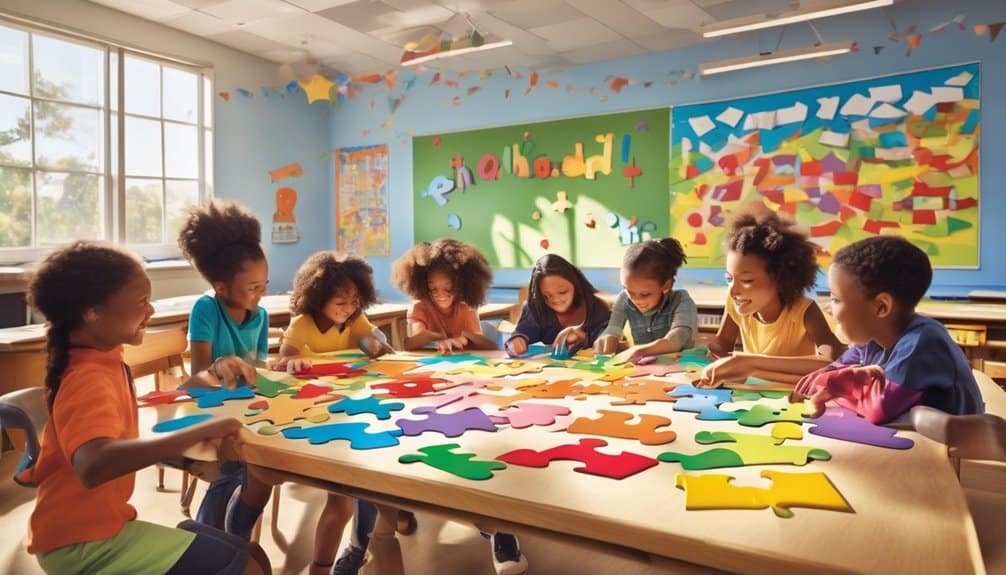
While you may not realize it, mastering sight words is crucial for children as they embark on their literacy journey. These words, often the most common in texts, help kids read fluently and with confidence.
When children recognize sight words instantly, they can focus on comprehension instead of struggling with decoding. This boosts their overall love for reading, creating a joyful experience around books. Imagine the delight in your child’s eyes when they effortlessly read a story out loud.
Types of Word Puzzles for Teaching Sight Words
When it comes to teaching sight words, word puzzles offer a fun and engaging way to reinforce learning. You can explore various types of puzzles to keep your lessons fresh and exciting.
Word searches challenge kids to find sight words hidden among letters, enhancing their recognition skills. Jumble puzzles, where they unscramble letters to form sight words, ignite their problem-solving abilities.
Additionally, fill-in-the-blank puzzles prompt children to recall words based on context, deepening their understanding. You might also consider matching games, where they pair words with images, creating a visual connection.
Each puzzle type not only makes learning enjoyable but also nurtures your child’s confidence as they master sight words in a playful manner.
Creating Engaging Crossword Puzzles
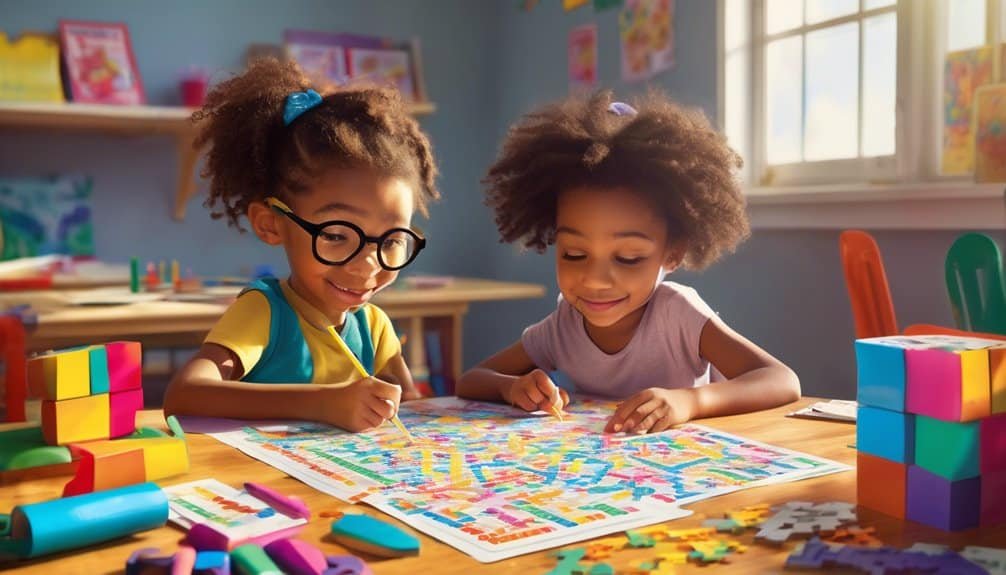
Crossword puzzles are another fantastic way to engage students in learning sight words. You can create these puzzles by incorporating sight words that your students are currently focusing on.
Start by listing the words and then use a simple grid layout to design the puzzle. Make sure to include clues that challenge them but are still relatable.
Encourage your students to work in pairs or small groups to complete the puzzle, fostering collaboration and discussion. As they fill in the blanks, they’ll reinforce their understanding of each sight word.
You might even want to offer small rewards for completed puzzles, making the experience more exciting. With your creativity, you’ll make sight words unforgettable for your students!
Fun With Word Searches
Word searches are a fun and interactive way to reinforce sight word recognition. You’ll find that as you search for these familiar words, they’ll become more ingrained in your memory. It’s a delightful activity to enjoy with a friend or loved one, turning learning into a shared experience.
Here’s a quick look at some sight words you might include in your word search:
| Sight Words | |
|---|---|
| the | and |
| you | it |
| in | is |
| see | a |
Interactive Fill-in-the-Blank Activities
Engaging in fill-in-the-blank activities can significantly enhance your sight word recognition skills while adding an element of fun to the learning process. These interactive exercises invite you to complete sentences with the correct sight words, reinforcing your understanding in an enjoyable way.
You can create your own fill-in-the-blank worksheets or find plenty online. As you fill in the gaps, you’ll not only recall the words, but also see them in context, which deepens your learning.
Why not turn this into a game? Challenge friends or family members to see who can fill in the blanks correctly the fastest. This playful competition makes learning feel less like a chore and more like an exciting adventure in mastering sight words together.
Frequently Asked Questions
How Can I Assess a Child’s Sight Word Knowledge?
To assess a child’s sight word knowledge, you can ask them to read a list of words aloud, observe their recognition speed, or engage them in fun activities that encourage word recall. You’ll see their progress!
Are There Specific Sight Words for Different Grade Levels?
Absolutely! Each grade level has specific sight words that build on prior knowledge. Think of them as stepping stones—each word helps your child grow stronger in reading. You’ll find lists available for kindergarten through third grade.
What Age Is Best for Introducing Sight Words?
The best age for introducing sight words is around four to five years old. At this stage, you’re nurturing their language skills, helping them recognize common words, and building a strong foundation for reading.
How Often Should Sight Words Be Reviewed?
You should review sight words daily, especially during the early stages. Consistent practice helps reinforce recognition and builds confidence. Don’t hesitate to mix it up to keep things fresh and engaging for your learner.
Can Sight Words Be Taught Through Digital Games?
Imagine your child joyfully navigating a vibrant digital world, collecting sight words like treasures. Yes, teaching sight words through digital games can engage them, making learning fun and effective while fostering a love for reading together.
Conclusion
In the garden of literacy, sight words are the seeds that bloom into fluent reading. By nurturing these seeds through engaging word puzzles, you’re not just cultivating skills; you’re creating a vibrant landscape where children thrive. Each puzzle is like a gentle rain, encouraging curiosity and love for learning. So, as you guide young learners on this journey, remember that every challenge is a stepping stone toward a lush, flourishing world of words waiting to be discovered.