
Phonics is a crucial skill for your child’s literacy development, and incorporating word puzzles can make the learning process enjoyable. These engaging activities not only reinforce sound-letter connections but also enhance vocabulary and critical thinking. As you explore different types of puzzles, you’ll find ways to tailor them to your child’s interests. But how can you effectively integrate these puzzles into your daily routine? Let’s take a closer look at some strategies.
Key Takeaways
- Utilize engaging word puzzles like crosswords and word searches to make phonics learning enjoyable and interactive for your child.
- Incorporate different puzzle types to maintain interest and reinforce understanding of phonetic patterns and vocabulary.
- Encourage collaboration and discussion while solving puzzles to enhance critical thinking and problem-solving skills.
- Track your child’s progress with puzzles and celebrate their achievements to boost confidence and motivation in learning.
- Personalize puzzles with themes related to your child’s interests to make the phonics learning experience more relatable and fun.
Understanding Phonics and Its Importance
Phonics is a crucial building block in your child’s reading journey. It helps them connect sounds with letters, forming the foundation for decoding words.
When your little one grasps these sounds, they’ll feel more confident tackling books on their own. Think of phonics as a key that unlocks the world of reading, allowing your child to explore stories and knowledge.
The Benefits of Using Word Puzzles
While your child is learning phonics, incorporating word puzzles can significantly enhance their skills. These engaging activities not only make learning fun but also help strengthen their understanding of sounds and letter combinations.
As they solve puzzles, they develop critical thinking and problem-solving abilities, boosting their confidence along the way. Word puzzles encourage your child to recognize patterns and improve vocabulary, making connections between letters and sounds.
Plus, you can enjoy quality time together as you work through puzzles, fostering a love for language. Watching your child progress with each completed puzzle will fill you with pride, knowing you’re nurturing their literacy journey in a playful, supportive environment.
Embrace the joy of learning through word puzzles!
Types of Word Puzzles for Phonics Learning
Engaging in word puzzles can take many forms, each offering unique benefits for phonics learning. Crosswords are fantastic for introducing new vocabulary, while word searches help reinforce letter sounds and word recognition.
You might also try fill-in-the-blank puzzles that encourage your child to think critically about phonetic patterns. Rhyming puzzles can spark creativity and make learning fun. Scrabble-style games promote spelling and phonemic awareness, allowing your child to explore how letters combine to form words.
Each type of puzzle not only makes learning enjoyable but also strengthens essential skills. As you dive into these puzzles together, you’ll create precious moments that foster a love for reading and language in your child’s heart.
How to Create Custom Word Puzzles
Creating custom word puzzles can be a fun way to tailor phonics learning to your child’s interests and skill level. Start by choosing themes that resonate with them, like their favorite animals or characters. Next, select words that match their phonics knowledge, ensuring the challenge is just right.
Here are some tips to make it special:
- Incorporate their favorite things: Use words they love to spark excitement.
- Add personal touches: Include their name or family members to create a deeper connection.
- Celebrate milestones: Create puzzles that showcase their progress, giving them a sense of accomplishment.
These small details won’t only help them learn but also make the experience more memorable and enjoyable for both of you!
Incorporating Word Searches Into Phonics Practice
Word searches can be a fantastic tool for enhancing your child’s phonics practice. They can help your little one recognize patterns and sounds in a fun, engaging way. Picture the joy in their eyes as they discover words hidden within the puzzle!
Here’s a simple word search example to get you started:
| W | O | R |
|---|---|---|
| A | C | T |
| T | H | E |
| S | K | Y |
As they search for words, encourage them to sound out each letter. Celebrate their successes together, turning every completed puzzle into a cherished memory. This bonding experience not only boosts their literacy skills but strengthens your connection, making learning a delightful adventure.
Engaging With Crossword Puzzles for Literacy Skills
Crossword puzzles can be a fun and effective way to boost your child’s literacy skills. As you sit together, filling in those little squares, you create not just a learning moment but also a cherished memory.
- Watch their excitement as they discover new words.
- Celebrate each completed puzzle as a small victory.
- Encourage them to share their thoughts and ideas, strengthening your bond.
These moments spark curiosity and foster a love for language. You’ll find that they’re not just solving clues; they’re building confidence and critical thinking skills.
Fun Fill-in-the-Blank Activities
While exploring the world of phonics, fun fill-in-the-blank activities can be an engaging way to reinforce your child’s understanding of language. These activities encourage your little one to think critically about word structure and context.
You can create simple sentences with missing words, inviting your child to fill in the blanks with appropriate vocabulary. For instance, “The cat is on the ____,” allows them to think about words like “mat” or “hat.”
You’ll find that these exercises not only enhance phonics skills but also spark creativity and laughter. Plus, working together on these activities strengthens your bond, making learning a joyous experience.
Embrace this opportunity to watch your child thrive in their phonics journey!
Tips for Making Puzzles More Effective
Incorporating puzzles into your child’s phonics practice can be a fun and effective way to reinforce their skills. To make these puzzles even more impactful, consider these tips:
- Choose engaging themes: Use topics your child loves, like animals or superheroes, to spark their interest and make learning feel like play.
- Vary the puzzle types: Mix crosswords, word searches, and matching games to keep things fresh and exciting, ensuring they stay motivated.
- Encourage collaboration: Work together on puzzles, sharing smiles and laughter, which strengthens your bond while learning.
Tracking Progress and Celebrating Achievements
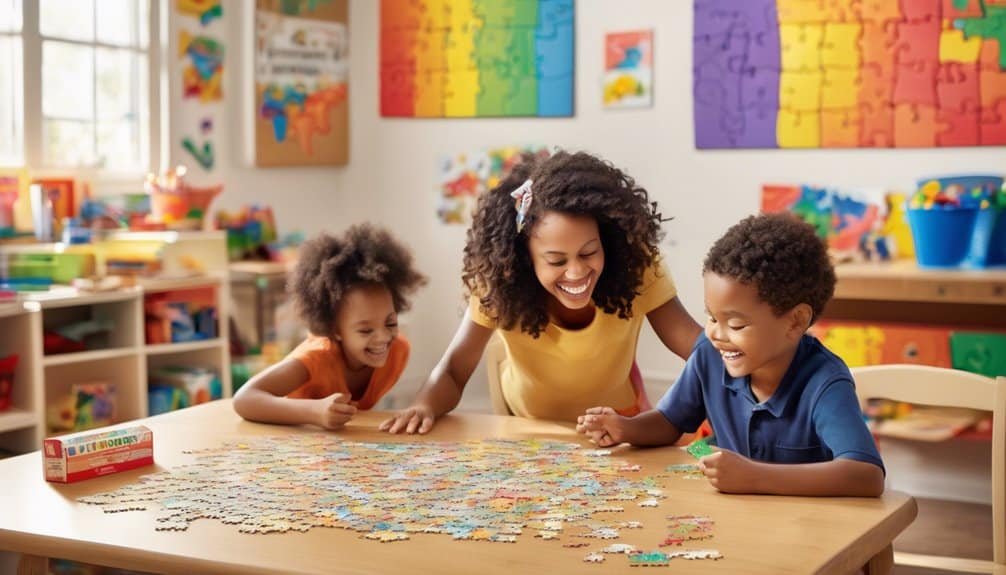
Tracking your child’s progress in phonics is essential for understanding their development and keeping them motivated. Regularly check how they’re doing with word puzzles; this helps you spot strengths and areas that need a little extra love.
Celebrate the small victories—maybe they mastered a tricky word or completed a puzzle independently. These moments matter! Create a progress chart together, marking milestones and achievements. This visual reminder not only boosts their confidence but also makes learning feel like an exciting journey.
Don’t forget to praise their efforts, no matter how small. Share in their joy, and let them know how proud you are. This connection fosters a deeper love for learning and encourages them to keep pushing forward.
Additional Resources for Phonics and Word Puzzles
Celebrating your child’s achievements in phonics is just one part of the journey. To support their learning further, consider exploring these additional resources that make phonics fun and engaging:
- Interactive Apps: There are many apps designed with your child’s learning in mind, turning practice into play.
- Printable Worksheets: You can find a variety of worksheets online that focus on phonics and word puzzles, perfect for hands-on learning.
- Storybooks with Phonics Focus: Choose books that emphasize phonetic patterns, reinforcing what your child learns while sparking their imagination.
These resources can deepen your connection while nurturing their skills. Enjoy the moments of discovery together, and watch your child’s confidence blossom as they tackle new challenges!
Frequently Asked Questions
How Can I Make Phonics Learning Fun for My Child?
You can make phonics learning fun by incorporating games, songs, and interactive activities. Try using colorful flashcards, creating rhymes, or playing word-building challenges. Engaging their imagination will spark excitement and boost their enthusiasm for learning.
What Age Is Appropriate to Start Phonics With Puzzles?
What age should you start phonics with puzzles? Typically, kids around four to five years old are ready. You’ll see their excitement grow as they connect sounds with letters, making learning a joyful adventure together.
Are There Any Online Resources for Phonics Word Puzzles?
You’ll find plenty of online resources offering phonics word puzzles. Websites like Education.com and Starfall have engaging activities. These tools make learning fun for your child while reinforcing essential phonics skills in a playful way.
How Often Should We Practice Phonics Puzzles?
You’ll want to sprinkle phonics puzzles into your routine a few times each week, creating cozy moments of learning together. This gentle approach fosters growth, making the process enjoyable and effective for both you and your child.
Can Phonics Puzzles Help With Spelling Skills?
Absolutely! Phonics puzzles boost spelling skills by reinforcing letter sounds and word patterns. As you engage with these puzzles, you’re helping your child connect letters to sounds, making spelling easier and more enjoyable for them.
Conclusion
By incorporating word puzzles into your child’s phonics practice, you’re not just making learning fun; you’re also enhancing their reading skills. Did you know that children who engage in word puzzles show a 20% improvement in vocabulary retention compared to those who don’t? Celebrate each little victory along the way, and watch their confidence soar. With your support, they’ll develop a lasting love for reading, setting the stage for successful independent learning. Keep the adventure going!