
It’s funny how a simple word search can spark a child’s interest in writing. As you watch them hunt for letters, you might notice subtle changes in their approach to grammar and style. Those patterns they track don’t just belong in puzzles; they can transform how kids express themselves on paper. Curious about how these playful activities can enhance writing skills? There’s more to this connection than meets the eye.
Key Takeaways
- Word searches enhance attention to detail, crucial for identifying grammar errors and awkward phrasing in writing.
- Engaging with word searches introduces new vocabulary, encouraging kids to explore meanings and use words in writing.
- The activity trains kids in spelling through pattern recognition, improving their overall writing skills naturally.
- Solving puzzles develops critical thinking and analytical skills, which are essential for effective writing and problem-solving.
- Celebrating achievements in completing word searches builds confidence, encouraging kids to express themselves more freely in their writing.
The Connection Between Word Searches and Writing Skills
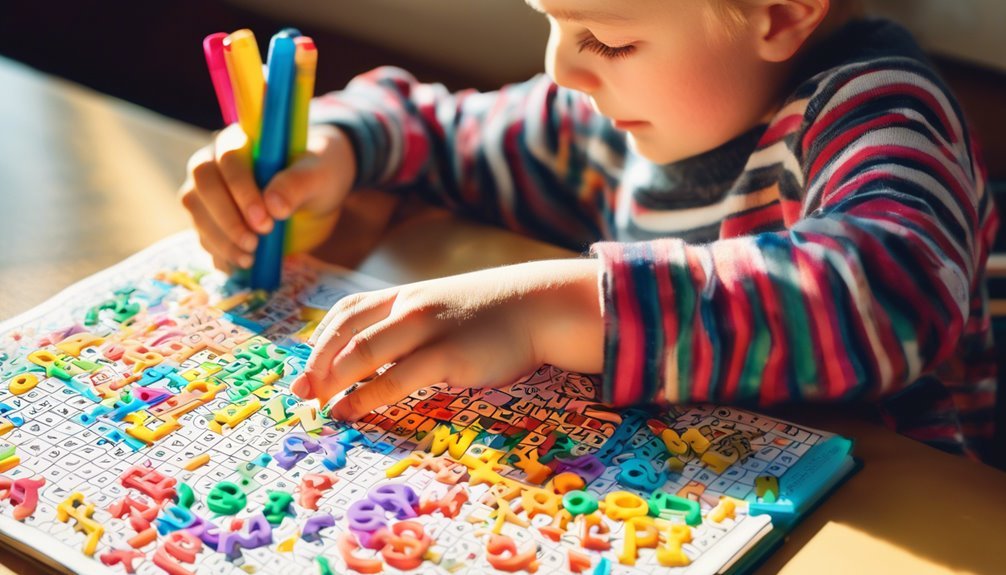
Word searches aren’t just a fun pastime; they actually play a crucial role in enhancing writing skills. When you engage in this activity, you’re sharpening your attention to detail, which is essential for writing. Each time you hunt for a word, you’re training your brain to recognize patterns and connections.
This skill translates directly into your writing, helping you spot grammar errors or awkward phrasing more easily. Plus, as you discover words, you start to visualize how they fit together in sentences, encouraging you to experiment with different structures.
Enhancing Vocabulary Through Word Searches
Engaging with word searches can significantly boost your vocabulary. As you dive into these puzzles, you’ll encounter new words that spark curiosity and invite exploration.
Each time you uncover a term, take a moment to reflect on its meaning and how it fits into your world. You might find yourself jotting down definitions or using these words in your conversations, making them part of your everyday language. This process not only reinforces what you learn but also deepens your understanding.
Plus, the excitement of discovery keeps you motivated! By regularly challenging yourself with different themes and topics, you’ll expand your linguistic repertoire, making you a more confident communicator.
Spelling Improvement: A Fun Approach
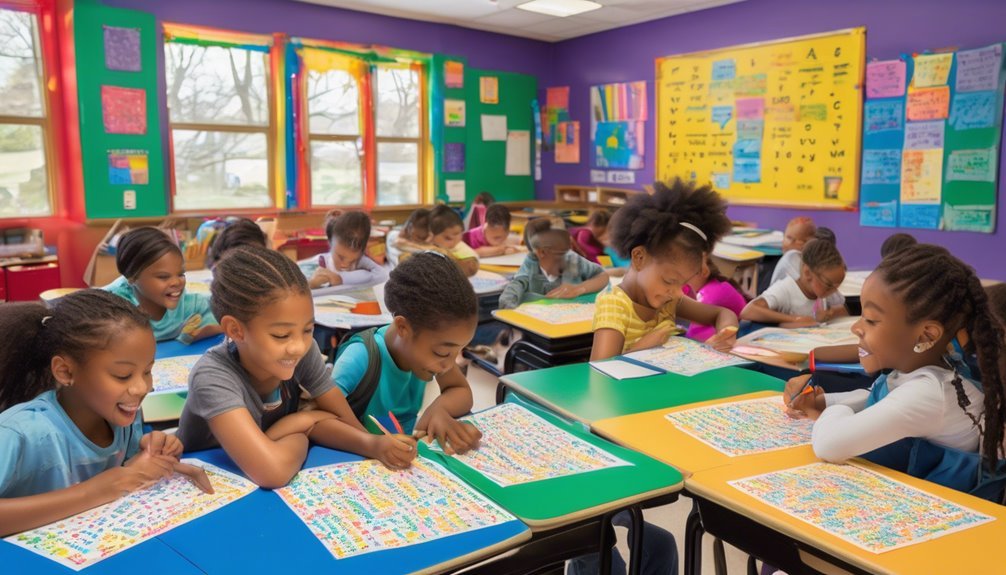
Exploring new vocabulary through word searches isn’t just about learning new words; it can also be a playful way to improve your spelling skills. When you search for words, you engage with their letters, reinforcing how they’re formed. Each time you spot a word, you’re training your brain to recognize its spelling, making it easier to remember later.
Plus, the challenge of finding letters keeps it exciting!
As you enjoy this fun activity, you’ll naturally build confidence in your spelling abilities. You might even find yourself spelling words correctly without thinking about it.
Cognitive Development and Problem-Solving
While tackling a word search, you’re not just hunting for letters; you’re also enhancing your cognitive skills and problem-solving abilities. Each time you scan the puzzle, you engage your brain in critical thinking. You learn to recognize patterns and make connections, sharpening your analytical mind.
As you strategize where to start or how to approach a tricky section, you’re practicing patience and persistence—qualities essential for overcoming challenges in writing and life. This playful exercise helps you develop spatial awareness, too, as you visualize words in various directions.
Building Confidence in Young Writers

Confidence is key to unlocking a young writer’s potential. When kids feel assured in their abilities, they’re more likely to express their thoughts and ideas freely.
You can nurture this confidence by celebrating their small achievements, whether it’s finishing a word search or crafting a simple sentence. Each completed task reinforces their belief in themselves.
Encourage them to share their work with family and friends, creating a safe space for feedback. Remind them that every writer starts somewhere, and mistakes are just stepping stones to improvement.
Encouraging Creativity and Imagination
How can word searches spark a child’s creativity and imagination? These puzzles aren’t just about finding words; they can inspire children to think outside the box.
When kids engage with word searches, they can:
- Invent Stories: Each word they find can lead to a new tale, encouraging storytelling skills.
- Explore Themes: The words can relate to different subjects, sparking curiosity and exploration.
- Visualize Concepts: Kids can imagine scenes or characters tied to the words, enhancing their creative thinking.
- Play with Language: Searching for words introduces new vocabulary, expanding their linguistic horizons.
Engaging Different Learning Styles

Engaging different learning styles is essential for maximizing a child’s potential, especially when it comes to activities like word searches. Each child absorbs information uniquely—some thrive on visual cues, while others prefer hands-on experiences or auditory instruction.
By incorporating word searches, you can cater to these diverse styles. For visual learners, the colorful grids and patterns capture attention. Kinesthetic learners benefit from physically interacting with the paper, while auditory learners can enjoy discussing words aloud.
You can create an inclusive environment by combining these elements, allowing every child to connect with the activity. When kids engage in ways that resonate with them, they’re not just finding words; they’re building confidence in their writing skills, too.
Making Learning Interactive and Fun
While traditional learning methods can sometimes feel dry, incorporating interactive activities like word searches transforms education into a fun experience.
You’ll find that these engaging puzzles not only capture kids’ attention but also spark their creativity. Here are a few ways word searches can make learning more interactive:
- Encourages teamwork: Kids can work together, sharing ideas and strategies.
- Boosts critical thinking: Searching for words requires focus and problem-solving skills.
- Enhances vocabulary: Kids discover new words in a playful context.
- Makes learning memorable: The excitement of solving a puzzle embeds knowledge deeper.
Practical Tips for Incorporating Word Searches

Incorporating word searches into your teaching toolkit can elevate the interactive experience you provide for kids. Start by tailoring word searches to match the vocabulary they’re currently learning. You might even invite them to create their own word searches, encouraging creativity while reinforcing new words.
Try using seasonal themes or topics related to their interests to keep things fresh and exciting. Consider pairing the word search with a writing prompt, asking kids to use the words in sentences or a short story.
Finally, turn it into a fun competition—who can find all the words first? By blending learning with play, you’ll not only boost their writing skills but also cultivate a love for words.
Real-Life Success Stories: Kids Who Write Better
Many kids have transformed their writing skills through the simple yet effective tool of word searches. You might be surprised at how this engaging activity fosters creativity and boosts confidence.
Here are four inspiring success stories:
- Jamie, once hesitant to write, now crafts vivid stories filled with imaginative characters.
- Alex improved vocabulary significantly, impressing teachers with his diverse word choices.
- Mia, who struggled with structure, learned to organize her thoughts better, creating clear narratives.
- Sam developed a passion for poetry, using newfound words to express feelings uniquely.
These stories remind you that the journey to better writing can be both fun and rewarding, encouraging kids to embrace their voices and share their thoughts with the world.
Frequently Asked Questions
Are There Specific Age Groups That Benefit Most From Word Searches?
Yes, younger children, typically ages 5 to 8, benefit most from word searches. They’re developing vocabulary and spelling skills, making these puzzles engaging tools that encourage learning through play while boosting confidence in language abilities.
How Often Should Kids Practice Word Searches for Optimal Results?
Picture your child happily immersed in a colorful grid, eyes sparkling with discovery. Practicing word searches three to four times a week keeps the fun alive, reinforcing learning while boosting confidence and vocabulary skills. Keep it engaging!
Can Word Searches Improve Handwriting Skills as Well?
Absolutely! Word searches can enhance your handwriting by encouraging focus and letter recognition. As you trace and write the words, you’ll naturally improve your motor skills, making your writing neater and more confident over time.
What Types of Themes Work Best for Word Searches?
When creating word searches, themes like animals, seasons, or favorite movies resonate best. They spark curiosity and engagement, making the activity enjoyable. You’ll find that personalizing themes truly enhances the fun for everyone involved.
Are There Digital Word Search Tools Available for Kids?
You’re in luck! There are plenty of digital word search tools available for kids. These platforms make learning fun and engaging, so your little ones can dive right in and explore while sharpening their skills!
Conclusion
Incorporating word searches into your child’s routine isn’t just a game; it’s a gateway to better writing. As they hunt for hidden words, they’re sharpening their vocabulary, spelling, and confidence—all essential tools for budding writers. So, why not turn a simple puzzle into a powerful learning experience? With each search, you’re not just filling in blanks; you’re building a foundation for creativity and expression. After all, every great writer started with a single word—let word searches be the spark!