
Word searches are like treasure maps for young minds, guiding them to discover the riches of language. As you introduce these engaging puzzles, you’ll find they unlock various writing skills in early learners. But how exactly do these simple activities enhance vocabulary and spelling? And what impact do they have on a child’s confidence in their language abilities? Let’s explore the multifaceted benefits of word searches in fostering essential writing skills.
Key Takeaways
- Word searches enhance early writing skills by familiarizing children with spelling, meanings, and contexts of various words.
- Engaging with word searches encourages creativity and critical thinking, essential for developing strong writing abilities.
- Thematic word searches provide a fun way to explore vocabulary, leading to improved writing through diverse word usage.
- Completing word searches boosts confidence in language use, which is crucial for developing effective writing skills.
- Regular practice with word searches transforms learning into an enjoyable experience, promoting sustained interest in writing and language exploration.
The Connection Between Word Searches and Vocabulary Development

While you might think of word searches as just a fun pastime, they actually play a significant role in vocabulary development. As you engage with each puzzle, you’re not only searching for words but also familiarizing yourself with their spellings, meanings, and contexts.
When you spot a word, it sticks in your mind, enriching your vocabulary in the process. You’ll find that the more you practice, the more words you’ll recognize in everyday conversations and reading.
This intimate connection between the puzzles and your word bank encourages you to explore new terms and ideas. So, the next time you sit down with a word search, remember, you’re not just having fun; you’re nurturing your language skills and building a deeper connection with words.
Enhancing Spelling Skills Through Word Searches
Word searches can be a powerful tool for enhancing your spelling skills. As you search for words hidden in the grid, you engage with the letters and shapes of each word, reinforcing your memory. This active participation makes it easier to recall and spell those words correctly later on.
Plus, by focusing on specific themes—like animals or emotions—you’ll not only learn how to spell but also deepen your understanding of each word’s meaning.
The thrill of finding each word can spark joy, making spelling practice feel less like a chore and more like a game. So, grab a word search and let the letters guide you to improved spelling, one delightful find at a time.
Boosting Reading Comprehension With Word Searches

Engaging with word searches not only sharpens your spelling but also boosts your reading comprehension. As you hunt for words, you’re actively connecting letters and meanings, which enhances your understanding of the texts you read. It’s like a fun puzzle that keeps your mind engaged!
Here’s a quick look at how word searches help:
| How Word Searches Help | Benefits |
|---|---|
| Increases vocabulary | Expands your word bank |
| Improves context clues | Enhances comprehension |
| Encourages pattern recognition | Aids in quick reading |
| Builds focus and attention | Keeps you engaged |
| Reinforces spelling skills | Supports writing abilities |
Cognitive Skills and Word Search Activities
As you develop your reading comprehension through word searches, you also enhance various cognitive skills. These activities challenge your brain to recognize patterns, improving your visual processing. When you search for words, you’re not just scanning; you’re actively engaging your mind, boosting your attention to detail.
Your memory gets a workout too, as you recall letter arrangements and word placements. Furthermore, word searches help with problem-solving skills. As you navigate the grid, you learn to strategize and adapt your approach, fostering flexibility in thinking.
This playful exercise doesn’t just sharpen your mind; it builds neural connections that support overall cognitive development. So, dive into those word searches, knowing they’re doing wonders for your brain!
Building Confidence in Language Abilities

A word search can be a powerful tool for building confidence in your language abilities. As you discover words hidden within the grid, you’re not just playing; you’re actively engaging with language. Each word you find reinforces your vocabulary and shows you how much you really know.
| Word Found | Meaning |
|---|---|
| Adventure | An exciting experience |
| Imagine | To form mental images |
| Explore | To investigate or examine |
| Discover | To find something new |
With every completed search, you’re boosting your self-esteem. You’ll realize that tackling language isn’t so daunting. Instead, it becomes a joyful exploration, empowering you to express yourself more freely and confidently.
Creating Engaging Word Search Challenges
When you create word search challenges, you can transform a simple activity into an exciting learning experience.
Consider tailoring the themes to your audience’s interests—whether it’s animals, sports, or favorite characters. This connection makes the challenge more relatable and fun.
Use a mix of familiar and new vocabulary to keep it engaging, ensuring that learners feel both challenged and supported. You might also add a twist, like a timed challenge or a reward for completion, to spark motivation.
Encourage them to work in pairs or small groups, fostering collaboration and conversation.
By crafting these personalized word searches, you’re not just teaching; you’re creating memorable moments that inspire curiosity and a love for learning.
Let the adventure begin!
Incorporating Word Searches Into Daily Learning
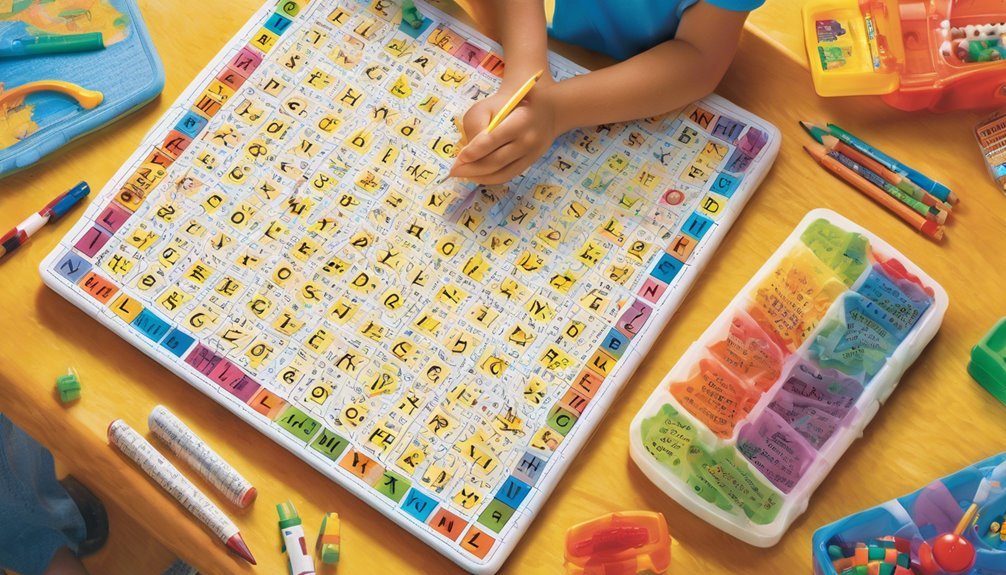
Incorporating word searches into daily learning not only reinforces vocabulary but also makes the process enjoyable. You can easily weave them into your routine, whether it’s a morning warm-up or a fun afternoon activity.
Try creating themed word searches that align with the subjects you’re covering. For instance, if you’re learning about animals, include those words to spark curiosity. Encourage kids to share their discoveries, making it a shared experience.
You’ll find that this simple activity not only boosts spelling skills but also motivates a love for words. Plus, the satisfaction of finding those hidden words can be a little victory that brightens their day.
Embrace this engaging way to enhance learning and watch their confidence grow!
Word Searches as a Tool for Collaborative Learning
Word searches can also foster collaborative learning experiences among students. When you work on a word search in pairs or small groups, you create a space for sharing ideas and strategies. You can discuss the words you’re finding and the themes that emerge, which deepens your understanding of vocabulary.
As you help each other, you build camaraderie and trust, making the learning process more enjoyable. You might even challenge one another to think outside the box, sparking creativity and critical thinking.
This teamwork not only enhances your writing skills but also strengthens social bonds. So, grab a word search and invite a friend or classmate to join in; together, you’ll discover more than just hidden words.
Tracking Progress in Writing Skills With Word Searches
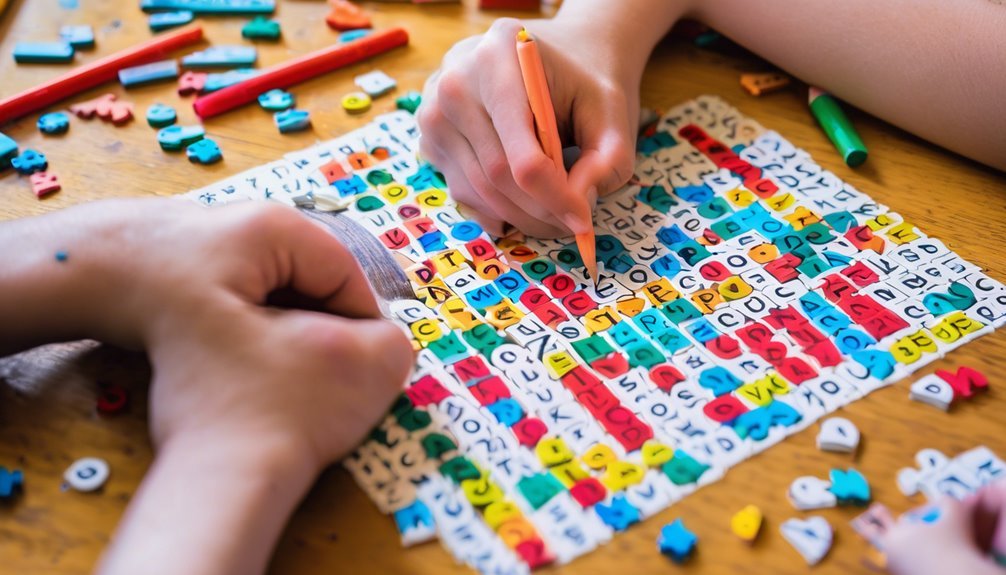
Tracking your progress in writing skills can be both engaging and effective with the use of word searches. As you tackle different themes, you’ll notice patterns in vocabulary and spelling that reflect your growing confidence.
Each completed puzzle serves as a mini-milestone, showcasing words you’ve mastered and areas needing a little TLC. You might even keep a journal to jot down new words you discover during your searches. This way, you’ll not only celebrate your achievements but also create a personalized reference.
Plus, revisiting past puzzles helps reinforce your learning. Embrace the journey; it’s all about the small victories. By observing your progress, you’ll find motivation to continue exploring and expanding your writing skills in delightful ways.
Fun Variations of Word Searches for Different Age Groups
As you celebrate your writing progress with word searches, consider mixing things up to keep the fun alive. For younger kids, try themed searches featuring their favorite animals or toys; it sparks excitement and curiosity.
For older children, incorporate vocabulary from their school subjects, turning learning into a game. You can even create collaborative searches, where family members work together to find words, fostering teamwork and bonding.
For teens, challenge them with timed searches or complex puzzles based on their interests, from pop culture to science.
Lastly, adults can enjoy personalized searches filled with meaningful quotes or shared memories, making it a nostalgic experience.
Embrace these variations, and watch everyone’s writing skills flourish while having a blast!
Frequently Asked Questions
Are Word Searches Suitable for All Age Groups?
Word searches can definitely be enjoyed by all age groups. They engage your mind, boost vocabulary, and offer a fun challenge. Whether you’re young or young at heart, you’ll find joy in solving them together!
How Can Parents Create Their Own Word Searches?
Creating your own word searches is simple! Just choose a theme, list your words, and use graph paper or an online generator. Fill in the grid with letters, mix it up, and you’re all set!
What Materials Are Needed for Word Search Activities?
For word search activities, you’ll need paper, a pencil or pen, and a list of words. You might also enjoy colorful markers for highlighting or printing your puzzles to share with friends and family.
Can Word Searches Help With Language Learning for Non-Native Speakers?
Imagine uncovering new words while searching through letters. You’ll discover that word searches can indeed enhance your language learning, as they immerse you in vocabulary, improve spelling, and boost your confidence in using a new language.
How Often Should Children Practice With Word Searches?
You should encourage your child to practice word searches a few times a week. Regular practice keeps it fun and engaging, helping them build vocabulary and confidence while they enjoy the challenge of finding words together.
Conclusion
Incorporating word searches into your child’s learning journey can spark a flame of curiosity and creativity. As they dive into the world of letters, they’ll not only enhance their vocabulary and spelling but also build confidence in their writing skills. Think of word searches as stepping stones—each puzzle they solve takes them closer to mastering language. By making learning fun, you’re nurturing a lifelong love for writing that will serve them well beyond the classroom.