
You’d think spelling challenges in word puzzles could end world peace. The pressure to solve quickly often leads to mistakes that frustrate even the best wordsmiths. But what if those errors could actually help you improve your skills? Understanding the nuances of spelling in these puzzles might just be the key to mastering your vocabulary and boosting your confidence. Let’s explore how you can turn those challenges into learning opportunities.
Key Takeaways
- Word puzzles often require a strong vocabulary, making it challenging for those who struggle with spelling to participate effectively.
- Spelling mistakes can increase under time pressure, causing frustration and hindering enjoyment of word puzzles.
- Breaking down complex words into smaller parts can simplify spelling and improve performance in puzzles.
- Engaging with others through group activities or discussions can enhance spelling skills and build confidence in solving word puzzles.
- Regular practice with word puzzles can lead to vocabulary expansion and mastery of challenging spellings over time.
Understanding Common Spelling Mistakes
Have you ever wondered why certain words trip you up while spelling? It’s often because of similar sounds or tricky letter combinations that confuse your brain. For instance, words like “definitely” and “defiantly” sound alike but have different meanings. You might find yourself mixing them up, especially when you’re under pressure.
It’s common to overlook silent letters or double consonants too—think “accommodate.” Familiarity plays a big role; the more you see and use a word, the easier it becomes to spell.
Personal experiences can also affect your spelling; if you’ve had a tough time with a specific word, it can stick in your mind. Embracing these challenges helps you grow and improve your skills!
The Impact of Time Pressure on Spelling
When you’re racing against the clock, spelling can become a daunting task. The pressure to finish quickly can lead to mistakes you’d never make otherwise. You might find yourself second-guessing your instincts or overlooking simple errors.
Here’s a closer look at how time pressure affects your spelling accuracy:
| Effect of Time Pressure | Outcome |
|---|---|
| Anxiety increases | More spelling errors |
| Focus shifts to speed | Less attention to detail |
| Confidence drops | More self-doubt about choices |
| Mistakes multiply | Frustration builds |
Recognizing how time pressure influences your performance can help you approach challenges with a bit more awareness. You’ll find that understanding this dynamic can ease some of that racing heartbeat.
Strategies for Improving Spelling Skills
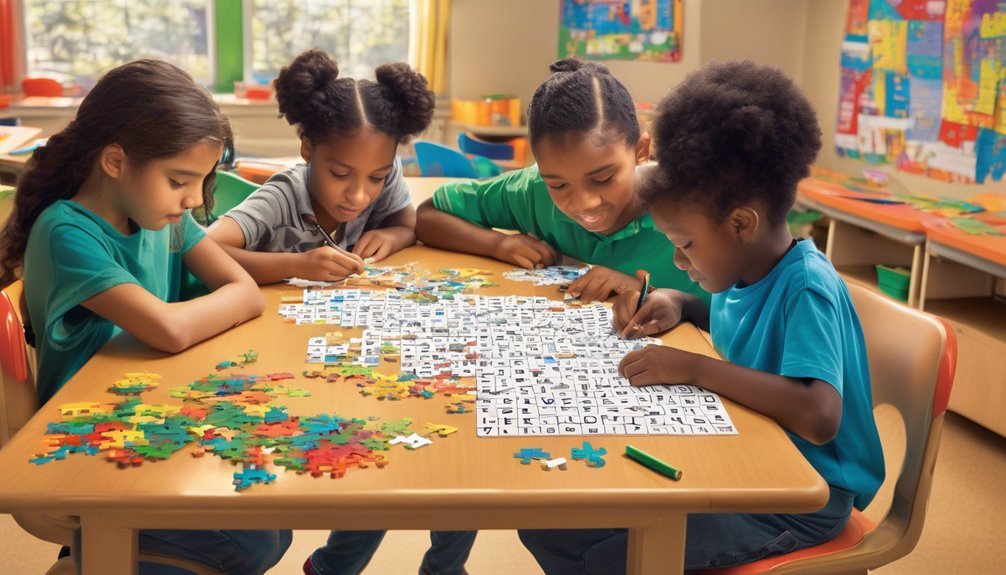
Feeling the weight of time pressure can make spelling seem overwhelming, but there are effective strategies to improve your skills. Start by breaking words down into smaller parts. This makes them easier to digest.
Use mnemonic devices to create memorable associations; they can turn tricky spellings into fun little stories. Practice consistently, even if it’s just a few minutes a day. Engaging with word puzzles can sharpen your mind and boost your confidence.
Don’t shy away from asking for help—discussing words with friends can enhance your understanding. Lastly, embrace mistakes as learning opportunities. Each misspelled word is a step towards mastery.
With patience and persistence, you’ll find your spelling skills blossoming in no time.
The Role of Vocabulary in Word Puzzles
While engaging with word puzzles, you’ll quickly discover that a strong vocabulary plays a crucial role in your success. When you’re faced with tricky clues or complex grids, knowing the right words can make all the difference.
Each time you uncover a new term, you’re not just solving a puzzle; you’re expanding your mental toolkit. It’s like unlocking secret doors to new levels of enjoyment and challenge.
Plus, the more words you know, the more confident you’ll feel as you approach each puzzle. Embrace every opportunity to learn new vocabulary, whether through reading, conversation, or dedicated study.
Your efforts will pay off, turning what might seem daunting into a delightful adventure of word discovery.
How to Tackle Crosswords Effectively
A solid vocabulary sets the foundation for tackling crosswords with confidence. Start by reading the clues carefully, as they’re your guiding light. Trust your instincts; if a word feels right, it probably is.
Don’t hesitate to fill in the answers you know first—these can lead you to the trickier ones. Pay attention to the wordplay; crossword creators love puns and hidden meanings. If you hit a wall, take a break. Sometimes, stepping away helps clear your mind.
Remember, it’s okay to seek help from friends or online resources when you’re stuck. Most importantly, enjoy the process! Each puzzle is a new challenge, and every completed crossword is a small victory worth celebrating.
Happy puzzling!
Tips for Success in Word Searches
Word searches can be a fun and engaging way to sharpen your vocabulary and pattern recognition skills. To boost your success, try these simple tips:
| Tip | Description | Benefit |
|---|---|---|
| Start Small | Choose easier puzzles first. | Build confidence. |
| Look for Prefixes | Identify common beginnings. | Speed up finding words. |
| Scan in Rows | Move horizontally or vertically. | Efficient searching. |
Overcoming Scramble Challenges
Scramble challenges can be tricky, but with the right strategies, you can tackle them effectively. Start by looking for common prefixes or suffixes; they often jump out at you. Don’t hesitate to rearrange the letters in your mind or write them down. It helps to visualize potential words.
Try breaking the scramble into smaller sections; focus on a few letters at a time. If you’re feeling stuck, take a short break—sometimes stepping away for a moment can refresh your perspective. Remember, it’s okay to make mistakes; they’re part of the learning process.
Celebrate each small victory; it builds your confidence. Keep practicing, and soon, those scramble challenges won’t feel so daunting. You’ve got this!
The Benefits of Regular Puzzle Practice
While engaging in regular puzzle practice might seem like just a fun pastime, it actually offers numerous cognitive benefits that can enhance your mental agility. You’ll find that tackling word puzzles sharpens your problem-solving skills and boosts your vocabulary, making your communication more effective.
Plus, this enjoyable activity keeps your brain active, which can help stave off cognitive decline as you age.
As you challenge yourself with different puzzles, you’ll notice improved focus and concentration, allowing you to tackle tasks with greater ease. The thrill of solving each puzzle brings a sense of accomplishment that can lift your spirits.
Resources for Enhancing Spelling Abilities
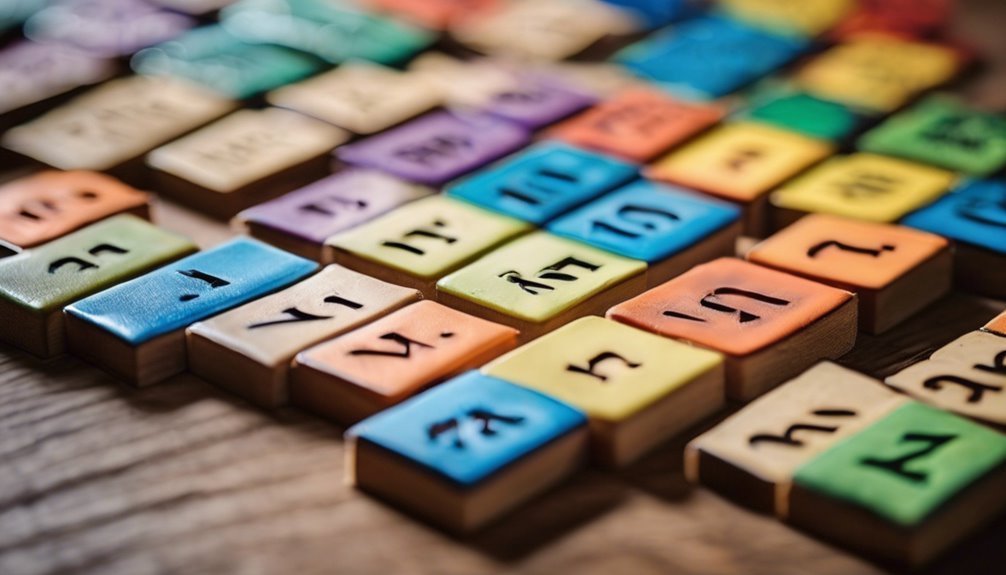
Building on the cognitive benefits gained from regular puzzle practice, enhancing your spelling abilities can further sharpen your language skills.
To get started, consider using apps like Scrabble or Words with Friends; they’re fun and engaging. Websites like Merriam-Webster and Vocabulary.com offer interactive games that make learning new words enjoyable.
Flashcards can be your best friend, too—create them for tricky words and review them daily. Don’t forget about audiobooks; listening while following along with the text can strengthen your grasp of spelling.
Lastly, reading regularly exposes you to diverse vocabulary and spelling patterns. By exploring these resources, you’ll not only improve your spelling but also deepen your love for language.
Dive in and enjoy the journey!
Engaging With Others to Boost Spelling Confidence
Engaging with others can significantly boost your spelling confidence, especially when you practice together. Imagine sitting with a friend, tackling word puzzles side by side. You can share tips, cheer each other on, and celebrate small victories.
When you stumble over a tricky word, your buddy’s encouragement can make all the difference. Group activities, like spelling bees or game nights, create a fun atmosphere where mistakes feel less daunting. You’ll realize you’re not alone in this journey, and learning becomes more enjoyable.
Plus, discussing strategies helps reinforce what you’ve learned. So, gather your friends or family, and make spelling a shared adventure. Together, you’ll build not just your skills but also a supportive community that fuels your confidence.
Frequently Asked Questions
How Can I Stay Motivated While Solving Word Puzzles?
To stay motivated while solving puzzles, set small goals and reward yourself for each achievement. Surround yourself with supportive friends, share your progress, and enjoy the process as you challenge your mind and have fun!
What Are Some Online Resources for Word Puzzle Enthusiasts?
You’ll find countless online resources for word puzzle enthusiasts. Check out websites like Merriam-Webster, Puzzle Baron, or the New York Times crossword. These platforms offer engaging puzzles that’ll keep you entertained and challenged. Enjoy exploring!
Are There Specific Puzzles That Aid in Learning Difficult Spellings?
Absolutely! You’ll find puzzles like crosswords and word searches can really help you master tricky spellings. They engage your mind, making learning feel fun and effortless while reinforcing those challenging words you want to conquer.
How Do Different Languages Affect Puzzle-Solving Strategies?
Languages are like unique keys, unlocking different puzzle-solving strategies. When you embrace diverse linguistic patterns, you’ll find your approach shifts, igniting creativity and deepening your understanding, making each challenge a rewarding journey of discovery.
Can Playing Word Puzzles Improve My Overall Cognitive Skills?
Yes, playing word puzzles can definitely boost your cognitive skills. You’ll enhance your memory, improve problem-solving abilities, and sharpen your critical thinking. Plus, it’s a fun way to challenge your mind and keep it engaged!
Conclusion
In tackling spelling challenges through word puzzles, you’re not just solving for fun; you’re building skills that last. For instance, imagine you struggled with the word “accommodate” in a crossword, but after a few attempts, it clicks. Each puzzle you solve reinforces your confidence and sharpens your abilities. Embrace those mistakes along the way—they’re stepping stones to mastery. So grab a puzzle, and let the journey of learning and enjoyment begin!