
Building confidence in young learners is crucial for their development. Educational games can play a significant role in this journey by making the learning process engaging and enjoyable. You might wonder how interactive storytelling or vocabulary challenges can impact a child’s growth. As we explore various options, you’ll discover effective ways to nurture a child’s love for learning through play and interaction.
Key Takeaways
- Interactive storytelling games allow children to make choices, enhancing their engagement and confidence in navigating narratives.
- Vocabulary building games, such as word scrambles and bingo, make learning new words enjoyable, reinforcing language skills.
- Phonics and word recognition activities, like matching letters with sounds, improve reading skills while celebrating small victories to boost confidence.
- Comprehension challenge games, including story sequencing and inference puzzles, promote critical thinking and deeper connections with texts.
- Engaging with these educational games fosters a love for reading and encourages children to tackle more challenging books.
The Importance of Reading Confidence in Children

Reading confidence is crucial for children’s overall development and love for learning. When kids believe in their reading abilities, they engage more deeply with texts, explore new ideas, and express themselves better.
You’ll notice how their eagerness to tackle challenging books grows, igniting their curiosity. This newfound confidence doesn’t just enhance their academic skills; it fosters a lifelong passion for reading.
As you support them, create a nurturing environment where mistakes are seen as stepping stones, not setbacks. Encourage them to share their thoughts about stories and characters, making reading a shared adventure.
Your warmth and encouragement can transform their perspective, helping them see reading as an enjoyable journey rather than a chore. Trust me, that shift is magical.
Interactive Storytelling Games
Interactive storytelling games can transform the way children engage with narratives, making the experience both fun and educational. When your child dives into these games, they don’t just read—they become part of the story.
They’ll make choices that shape the plot and influence characters, sparking their imagination and critical thinking. You’ll notice how their confidence grows as they explore different endings and scenarios, discovering that their decisions matter.
These games encourage them to think creatively and express themselves, all while improving their reading skills. As they immerse themselves in rich narratives, you’ll see a newfound excitement for reading develop, fostering a lifelong love for stories.
It’s a beautiful way to bond over the magic of imagination.
Vocabulary Building Games

While exploring new words might seem daunting, vocabulary building games make the process enjoyable and engaging for children. These games not only spark curiosity but also boost confidence in using language. From word searches to matching games, you’ll find fun ways to reinforce vocabulary.
Here’s a quick look at some game ideas:
| Game Type | Description |
|---|---|
| Word Scramble | Unscramble letters to form words |
| Flashcard Match | Pair words with their meanings |
| Bingo with Words | Fill a card with words and mark them off as called |
Phonics and Word Recognition Activities
Engaging in phonics and word recognition activities can significantly enhance a child’s reading skills, making it easier for them to decode words and understand their meanings.
You can create a warm, inviting environment by incorporating games that focus on letter sounds and patterns. Try using flashcards to match letters with their corresponding sounds, or play rhyming games that encourage your child to think about word families.
Consider interactive apps or board games that offer fun challenges to reinforce these skills. By celebrating small victories and providing gentle guidance, you’ll boost your child’s confidence in reading.
Comprehension Challenge Games
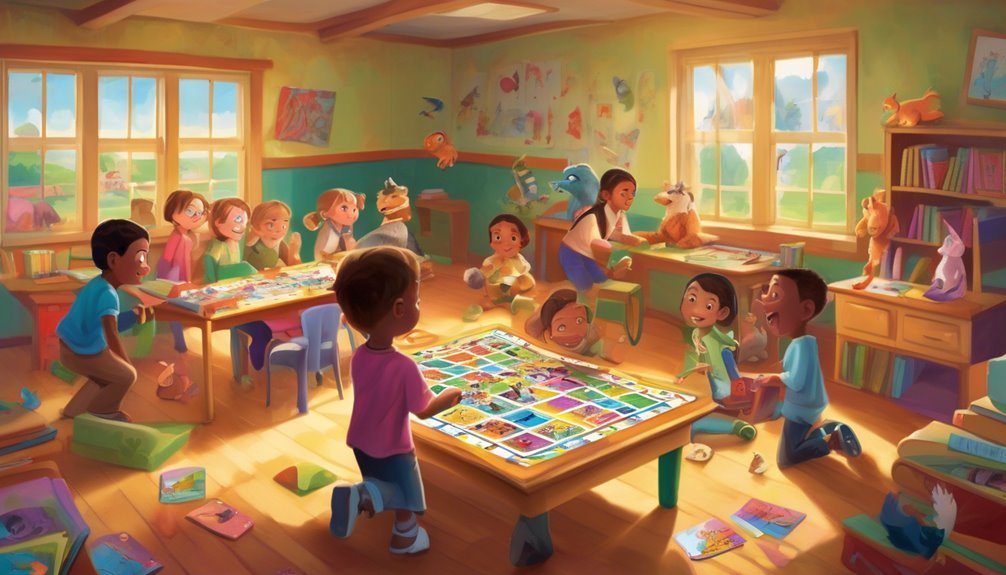
To build reading comprehension skills, you can incorporate challenge games that encourage critical thinking and understanding of text. These games not only boost confidence but also make learning fun. Here are a few ideas:
| Game Type | Description |
|---|---|
| Story Sequencing | Arrange story events in order |
| Character Analysis | Explore motivations of characters |
| Inference Puzzles | Guess the meaning behind clues |
Engaging in these activities invites you to dive deeper into stories, fostering a connection with the material. As you challenge yourself, you’ll discover new perspectives and enhance your understanding. Remember, the more you play, the more confident you’ll become in your reading abilities! Enjoy the journey.
Online Reading Platforms With Game Elements
Building on your reading comprehension skills, online reading platforms with game elements offer an interactive way to enhance your learning experience.
These platforms transform reading into a fun adventure, making it easier for you to engage and improve. Here are three features you’ll love:
- Interactive Quizzes: After reading, you can test your understanding through fun quizzes that feel more like games than assessments.
- Reward Systems: Earn points or badges for completing reading tasks, giving you that extra motivation to keep going.
- Story-driven Challenges: Immerse yourself in narratives where your reading choices impact outcomes, making every session unique.
These elements help you build confidence in your reading abilities while enjoying the journey. You’ll find yourself looking forward to each new challenge!
Collaborative Reading Games for Group Play

There’s something exciting about collaborating with others in reading games designed for group play. These games not only spark joy but also foster a sense of community among participants.
Imagine gathering your friends or classmates, diving into stories together, and sharing your insights. You can play word challenges, storytelling rounds, or even enact scenes from your favorite books. Each person’s unique perspective enriches the experience, making the reading journey feel shared and personal.
As you cheer each other on, you build confidence in your reading skills. Plus, the laughter and camaraderie create lasting memories.
Mobile Apps That Make Reading Fun
As you explore the world of reading, mobile apps can transform your experience into a fun and engaging adventure.
These apps can spark your love for stories while helping you build confidence in your skills. Here are three fantastic options to consider:
- Epic! – Dive into an extensive library of children’s books and audiobooks, tailored to various interests and reading levels.
- Reading Eggs – This interactive app combines games and lessons, making learning to read enjoyable and rewarding.
- Storyline Online – Enjoy beloved books read by actors, complete with engaging animations that bring stories to life.
With these apps, you’ll not only enhance your reading skills but also discover the joy that comes from every page turned.
Incorporating Gamification in Daily Reading Routines

Integrating gamification into your daily reading routine can elevate the experience even further. By adding elements like points, badges, and challenges, you can transform reading into a rewarding adventure. Here’s a simple way to visualize your progress:
| Activity | Points Earned |
|---|---|
| Read for 15 minutes | 10 |
| Finish a chapter | 20 |
| Share thoughts | 15 |
| Complete a quiz | 25 |
Frequently Asked Questions
What Age Group Benefits Most From Reading Confidence-Building Games?
You’ll find younger children, especially those aged 5 to 8, benefit most from reading confidence-building games. Their developing skills thrive in supportive environments, making playful learning essential for nurturing a love for reading early on.
How Can Parents Encourage Reading Outside of Educational Games?
You can encourage reading by creating cozy reading corners, sharing stories together, and visiting libraries regularly. Let your child choose books that excite them, and celebrate their progress to make reading a joyful, shared experience.
Are There Any Risks Associated With Excessive Screen Time for Reading Games?
Yes, excessive screen time can lead to eye strain, disrupted sleep, and reduced physical activity. You’ll want to balance screen use with other activities, ensuring your child enjoys reading while staying healthy and engaged in life.
Can Reading Games Be Effective for Children With Learning Disabilities?
Reading games can be incredibly effective for children with learning disabilities. They engage your child, making learning fun and interactive. Plus, they can tailor content to their needs, boosting confidence while reinforcing essential skills.
How Do I Choose the Right Reading Game for My Child’S Level?
Choosing the right reading game for your child’s level is like finding a cozy blanket on a chilly night. Pay attention to their interests, skill level, and ensure the game feels engaging and fun for them.
Conclusion
In the delightful journey of nurturing reading confidence, educational games are your child’s trusty companions. They transform learning into an adventure, where each choice sparks imagination and each challenge builds strength. By weaving fun into daily reading routines, you’re not just teaching skills; you’re igniting a lifelong love for stories. So, embrace these engaging tools, and watch as your child flourishes, discovering the magic of reading with joy and confidence every step of the way.