
When you think about early literacy, consider how play can enhance letter recognition for young children. Engaging in activities like treasure hunts or creative crafts not only makes learning enjoyable but also fosters important social skills. As you explore different methods to teach letters, you’ll discover various strategies that can turn learning into an interactive experience. What if you could combine these playful approaches with everyday moments in a child’s life?
Key Takeaways
- Play is essential for early learning, allowing children to explore, problem-solve, and enhance social interactions through engaging activities.
- Fun games like Alphabet Treasure Hunt and Letter Bingo make letter recognition enjoyable and foster a competitive yet friendly learning environment.
- Creative crafts, such as making an alphabet book or letter-shaped cookies, reinforce letter skills while encouraging artistic expression and hands-on learning.
- Incorporating technology through apps and interactive e-books transforms letter learning into fun, immersive experiences that capture children’s attention.
- Outdoor activities like Letter Scavenger Hunts and Alphabet Hopscotch promote active learning and strengthen parent-child relationships through playful exploration of letters.
The Importance of Play in Early Learning
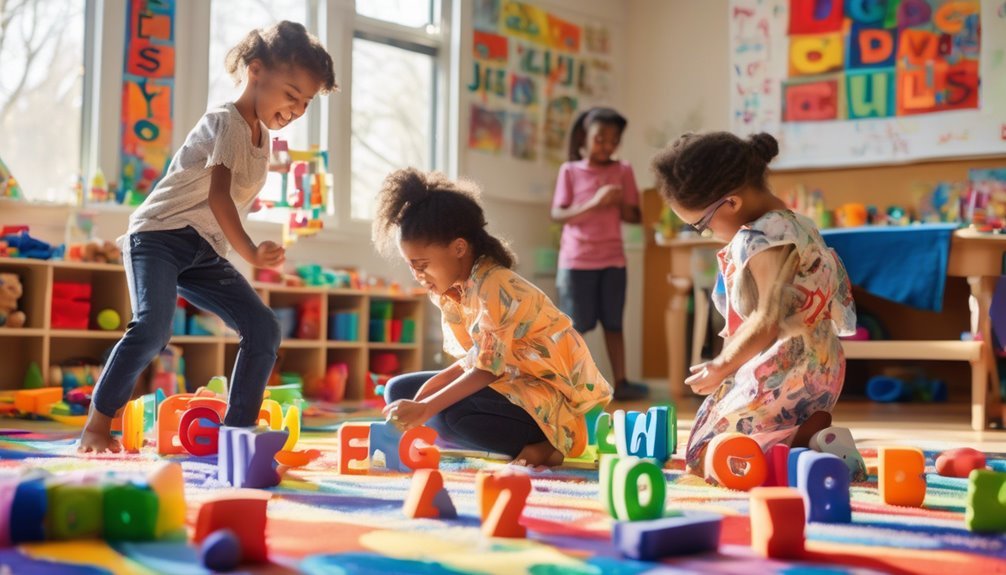
While you may think of play as just a fun activity, it’s actually a vital component of early learning. When kids engage in play, they explore their world, experiment with ideas, and build crucial skills.
It’s through play that they learn to solve problems and interact socially, laying the groundwork for future learning. You’ll notice how their curiosity sparks as they manipulate toys and create stories.
Every laugh and giggle serves as a stepping stone to understanding letters, numbers, and more. When you join in their play, you deepen your connection and create a safe space for learning.
Fun Games for Letter Recognition
Playing games that focus on letter recognition can make learning both enjoyable and effective for young children. Try these fun activities to spark their interest:
| Game | Description |
|---|---|
| Alphabet Treasure Hunt | Hide letter cards around the room and have your child find them, calling out each letter they discover. |
| Letter Bingo | Create bingo cards with letters. As you call them out, your child marks their card, making learning a race against the clock! |
| Letter Matching | Use flashcards to match uppercase and lowercase letters. It’s a delightful way to reinforce their understanding. |
These playful games not only strengthen recognition skills but also create cherished moments together. You’ll witness their joy as they learn, making the experience truly special.
Creative Crafts to Reinforce Alphabet Skills
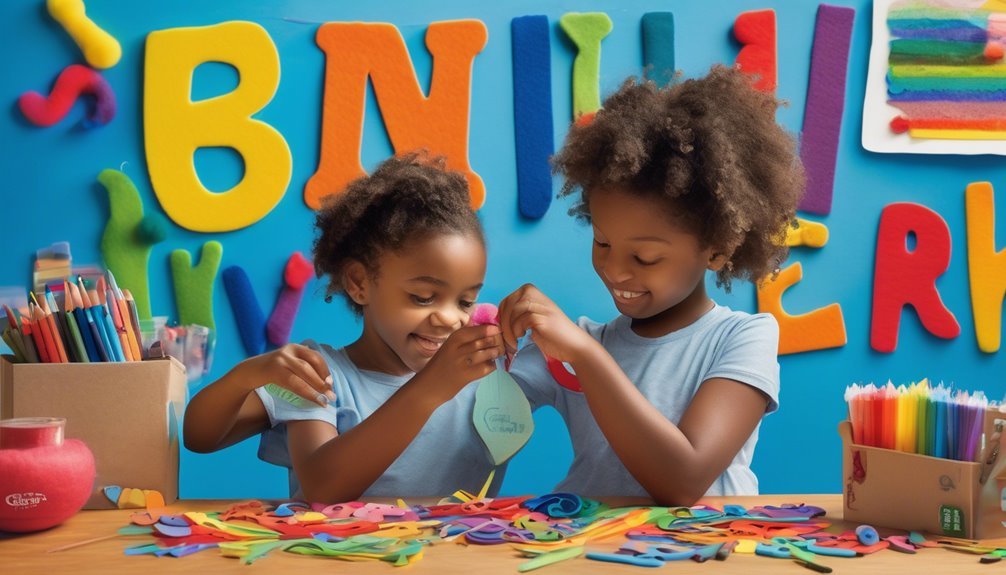
Creative crafts can be a fantastic way to reinforce alphabet skills while allowing your child to express their imagination. You might start by creating a colorful alphabet book together. Use construction paper, magazines, or stickers to illustrate each letter with words and images.
Another fun idea is to make letter-shaped cookies! As you bake, discuss the letters and their sounds, making the experience deliciously educational.
Don’t forget about sensory crafts like salt dough letters; your child can mold and paint them, enhancing their tactile learning. Each project strengthens their connection to letters while fostering creativity.
Enjoy these moments together; they not only develop essential skills but also create cherished memories. Happy crafting!
Incorporating Technology Into Letter Learning
As technology becomes an integral part of daily life, you can effectively harness it to enhance your child’s letter learning experience. Incorporating interactive tools and apps can make learning feel like play.
Here are three engaging ways to use technology:
- Alphabet Apps: Find apps that turn letter recognition into fun games, helping your child practice while they play.
- Interactive E-books: Choose e-books with audio features that pronounce letters and words, allowing your child to hear and see letters in context.
- Online Videos: Explore educational videos that teach letters through catchy songs and animations, making it easier for your child to remember.
Outdoor Activities That Teach Letters
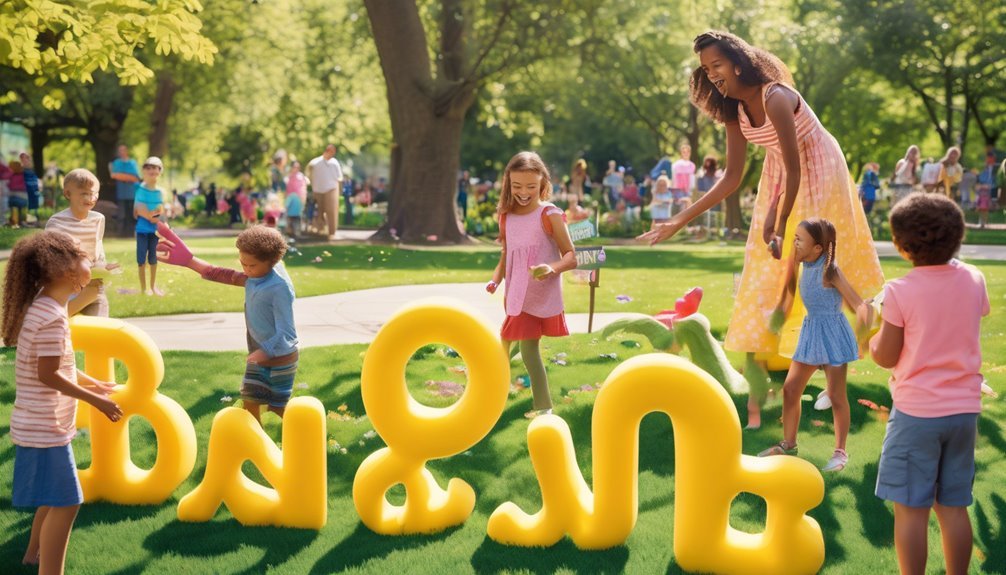
While exploring the great outdoors, you can turn everyday adventures into exciting letter-learning opportunities. Try these fun activities to help your little ones recognize letters while enjoying nature.
| Activity | Letter Learning Focus |
|---|---|
| Letter Scavenger Hunt | Find objects starting with specific letters |
| Nature Letter Tracing | Use sticks or leaves to form letters |
| Alphabet Hopscotch | Jump on squares with different letters |
| Letter Nature Art | Create art using items that represent letters |
These activities not only teach letters but also foster creativity and enhance your bond with your child. So grab your supplies, head outside, and let the fun and learning begin!
Storytime Adventures: Bringing Letters to Life
Storytime can be a magical way to bring letters to life, sparking your child’s imagination while reinforcing their understanding of the alphabet.
As you share stories, every character and scene can become a vibrant learning experience. Here are three ways to enhance this adventure:
- Letter Sounds: Emphasize the sounds of letters as you read, connecting them to words in the story.
- Character Connections: Relate characters to letters—like “A” for Alligator or “B” for Bear—to create memorable associations.
- Interactive Questions: Engage your child with questions about the story, encouraging them to spot letters and words, fostering both comprehension and letter recognition.
Musical Approaches to Learning the Alphabet

Music offers a delightful way to engage children in learning the alphabet, making the process both fun and memorable. You can create catchy tunes that incorporate each letter, transforming the learning experience into a joyful sing-along.
Consider using familiar melodies and changing the lyrics to include the letters and their sounds. This not only reinforces recognition but also helps with pronunciation.
Incorporating instruments can enhance the experience; let your little ones shake maracas or tap on drums while singing. You might also explore songs that relate letters to words, creating an emotional connection.
With music, you’re not just teaching letters; you’re building a love for learning that can last a lifetime. So, turn up the volume and let the musical magic begin!
Sensory Play: Engaging the Five Senses With Letters
Engaging children in sensory play with letters can make learning a multi-dimensional experience. By incorporating the five senses, you help them connect with letters in fun, meaningful ways.
Here are three simple activities to try:
- Tactile Letters: Create letters using sandpaper, fabric, or foam. Let your child trace the shapes, feeling the textures under their fingers.
- Scented Letters: Use essential oils or scented markers to make each letter unique. Encourage your child to associate scents with specific letters.
- Tasteful Learning: Shape letters with edible dough or fruit. This playful approach makes learning memorable and tasty!
Collaborative Learning: Group Activities for Letter Mastery

While individual learning is important, collaborating with peers can significantly enhance letter mastery. When you engage in group activities, you create a lively environment where everyone shares ideas and learns from one another.
Consider organizing a letter scavenger hunt; everyone can search for items that start with a specific letter. Or, try a letter-building challenge using blocks or clay, where each person contributes to forming words together.
These activities foster communication and creativity, making learning feel less like a chore and more like a joyful experience. As you work alongside friends, you’ll not only reinforce your understanding of letters but also build lasting connections.
Embrace the fun of collaboration; it’s a powerful tool in your learning journey!
Tips for Parents and Educators to Encourage Playful Learning
To foster a love of learning through play, parents and educators can create an environment that encourages exploration and creativity. Here are three simple yet effective tips to get you started:
- Incorporate Playful Materials: Use colorful letters, puzzles, and games that spark curiosity. The more engaging the tools, the more your child will want to explore.
- Be an Active Participant: Join in on the fun! Engage with your child during activities, ask questions, and celebrate their discoveries. Your enthusiasm is contagious.
- Encourage Imaginative Play: Allow your child to create stories or scenarios using letters. This not only enhances their learning but also nurtures their imagination.
Frequently Asked Questions
What Age Is Best to Start Teaching Letters Through Play?
There’s no one-size-fits-all age to start teaching letters. Most kids show interest around age 2 to 3. Pay attention to their cues, and get creative with engaging activities that spark their curiosity and imagination.
How Can I Assess My Child’s Letter Recognition Progress?
You’re on a journey, watching your child bloom like a flower. To assess their letter recognition, use fun activities like matching games or flashcards, and celebrate each small victory to nurture their confidence and growth.
Are There Specific Letters That Are Harder for Children to Learn?
Absolutely, some letters can be trickier for kids, like “b” and “d” due to their similar shapes. You’ll notice they often mix them up, so keep an eye on their progress and offer gentle guidance.
How Do I Choose the Right Materials for Letter Play?
When choosing materials for letter play, focus on vibrant colors and engaging textures. Look for items that spark curiosity and encourage hands-on interaction. You’ll create a fun environment that makes learning letters a joyful adventure.
Can Letter Play Be Beneficial for Children With Learning Disabilities?
Absolutely, letter play can be incredibly beneficial for children with learning disabilities. It engages their senses, boosts confidence, and helps them grasp concepts at their own pace, making learning feel fun and less overwhelming for them.
Conclusion
As you dive into these playful learning strategies, imagine the joy on your child’s face as they discover letters in unexpected ways. Picture them laughing during a game of letter bingo or creating a masterpiece with colorful crafts. You won’t just be teaching; you’ll be forging memories that last a lifetime. So, are you ready to embrace this fun-filled journey of exploration and growth? The world of letters awaits, and it’s more exciting than you ever dreamed!