
Imagine a child who struggles with spelling but lights up during a fun word search game. It’s moments like these that show how engaging activities can transform learning into an enjoyable experience. By incorporating games into literacy practices, you can create a dynamic environment that fosters growth and curiosity. But how do you choose the right games to make the most impact? Let’s explore some effective strategies to enhance literacy through play.
Key Takeaways
- Engaging word puzzles like crosswords and word searches boost spelling and reading skills while building vocabulary.
- Interactive spelling bees provide a fun competition that enhances spelling confidence and encourages participation.
- Role-playing games allow children to express creativity and connect emotions with language through storytelling adventures.
- Fun apps like Starfall and Epic! use songs and ebooks to make learning phonics and reading enjoyable.
- Outdoor games such as scavenger hunts and word relay races combine physical activity with spelling practice to enhance learning enthusiasm.
Engaging Word Puzzles for All Ages
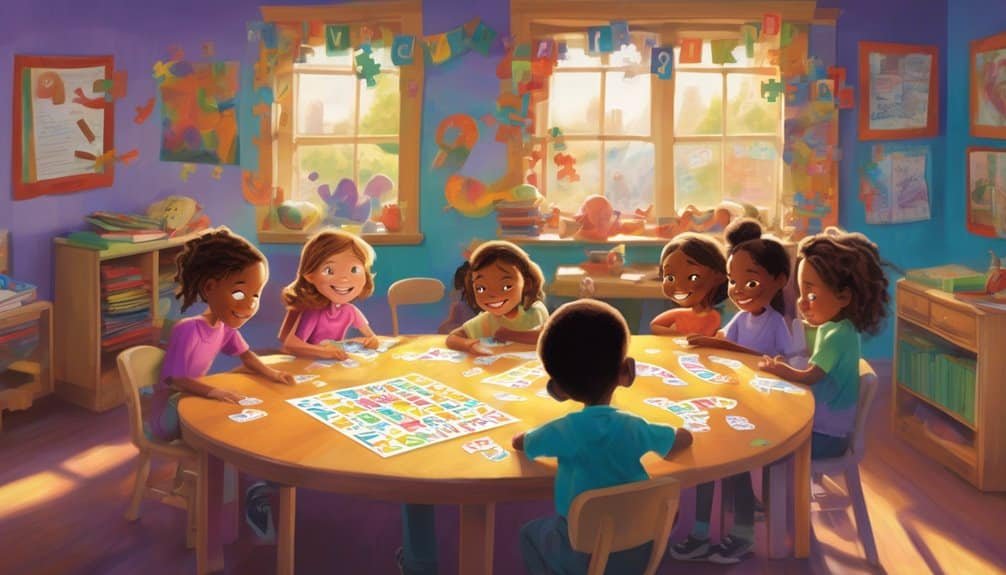
Word puzzles are a fantastic way to spark your child’s interest in spelling and reading. You’ll find that they can turn learning into a fun adventure.
Crosswords, word searches, and anagrams challenge your child’s mind while keeping them engaged. As they work through these puzzles, they’ll not only discover new words but also build their vocabulary and comprehension skills.
You can join in the fun, creating a bonding experience that makes learning feel less like a chore. Encourage them to solve puzzles together or compete for the fastest completion time.
It’s amazing how a simple word game can ignite a passion for language, nurturing skills that will benefit them for years to come. Dive in, and watch your child thrive!
Interactive Spelling Bees to Boost Confidence
Spelling bees can be an exciting way to boost your child’s confidence while enhancing their spelling skills. By creating a supportive environment, you can help your child face the challenge of spelling in a fun and engaging way.
Gather family or friends for an interactive spelling bee, where everyone can cheer each other on. This friendly competition not only makes learning enjoyable but also encourages your child to embrace mistakes as part of the journey.
Celebrate each correct word and offer gentle guidance when needed. You’ll see your child’s confidence grow as they master new words and develop a love for language.
Creative Storytelling Through Role-Playing Games
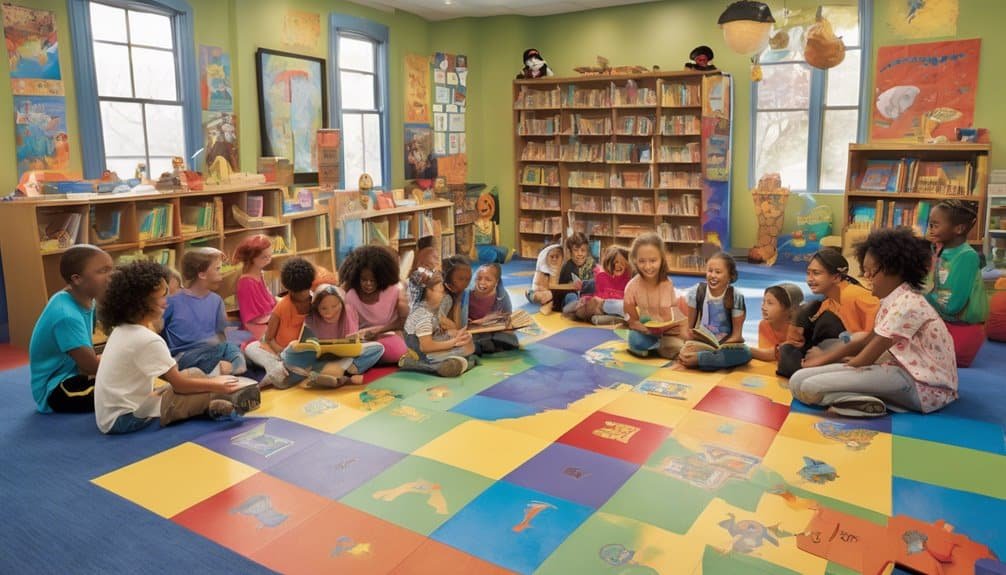
Building on the excitement of spelling bees, you can further engage your child’s imagination and language skills through creative storytelling in role-playing games (RPGs).
In RPGs, your child can step into different characters and worlds, unleashing their creativity while practicing vocabulary and narrative skills. Encourage them to create their own stories, drawing on their experiences and dreams.
As they navigate adventures, they’ll learn to express emotions and ideas, making connections with words in a fun way. You can join in, crafting dialogues and scenarios together, which strengthens your bond.
This interactive play not only makes learning enjoyable but also fosters a love for storytelling that lasts a lifetime. Embrace the journey, and watch their confidence soar!
Fun Apps and Online Resources for Literacy
As your child explores the digital world, you can introduce them to a variety of fun apps and online resources that make literacy exciting.
These tools can spark their interest and boost their confidence in reading and spelling. Here are a few engaging options:
- Starfall: This interactive site helps kids learn to read through songs, animations, and games that make phonics fun.
- Epic!: A vast library of ebooks, audiobooks, and educational videos tailored for kids, fostering a love for reading.
- ABCmouse: An award-winning app filled with games and activities, guiding your child through foundational literacy skills.
Outdoor Games That Encourage Reading Skills
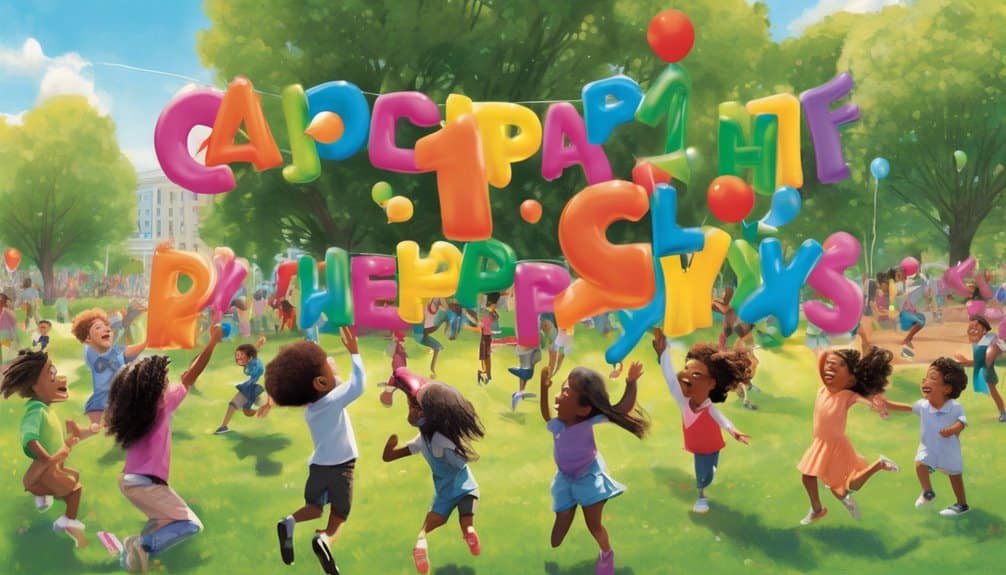
While kids enjoy playing outside, you can turn their playtime into a fun literacy lesson with outdoor games that boost reading skills.
Try a scavenger hunt where they find objects that start with specific letters. As they discover each item, encourage them to spell it out loud.
Another idea is a word relay race; write words on cards, and have them sprint to read and match them.
You can even create a giant hopscotch game with sight words in each square. As they jump, they’ll practice reading and spelling.
These engaging activities not only spark their enthusiasm for learning but also strengthen their reading skills in a lively, memorable way.
You’ll be amazed at how much they’ll enjoy learning outdoors!
Group Activities to Foster Team Learning
When kids work together on group activities, they not only enhance their reading skills but also develop essential teamwork abilities. Engaging in these collaborative experiences can foster a sense of belonging and community among them.
Here are a few fun group activities you can try:
- Story-building circles: Have each child contribute a sentence to create a unique story, encouraging creativity and cooperative thinking.
- Reading relay races: Set up stations with books and have kids race to read passages, promoting both reading and teamwork as they cheer each other on.
- Word scavenger hunts: Create a list of words for kids to find in books or around the classroom, enhancing their vocabulary while working together.
These activities make learning enjoyable and strengthen bonds among young readers.
Using Board Games to Enhance Vocabulary
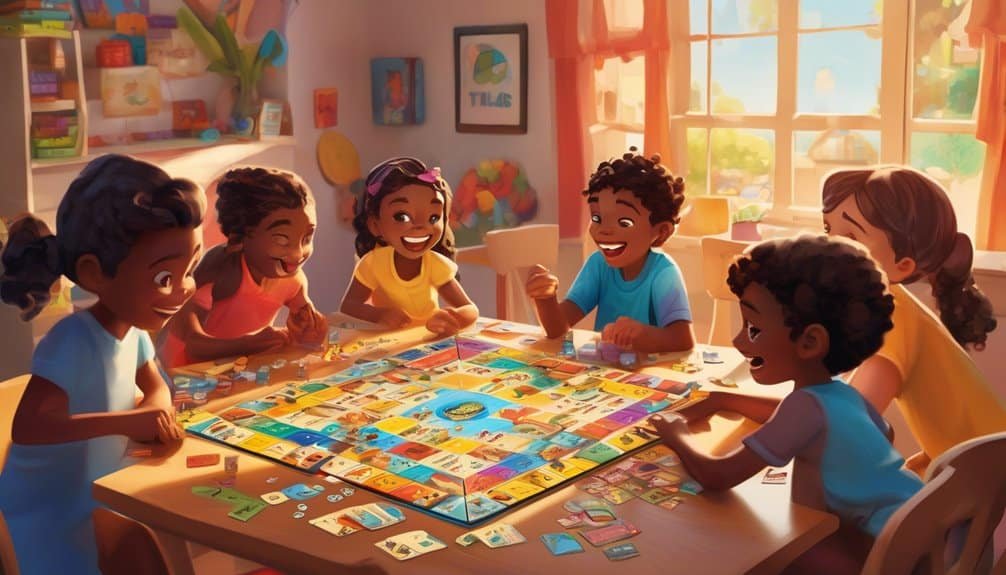
Using board games can be a fun and effective way to boost kids’ vocabulary skills. Gather your little ones around a colorful game board, and watch as they dive into word challenges.
Games like Scrabble or Boggle encourage them to think critically and expand their word choices. You can even create your own vocabulary game tailored to their interests!
As you play, engage them by asking questions about new words and their meanings. Celebrate their wins, no matter how small, to build confidence.
Incorporating these games into your routine not only strengthens their vocabulary but also fosters a love for learning. It’s a wonderful way to bond and share laughter while nurturing their language skills.
Frequently Asked Questions
What Age Group Benefits Most From These Literacy Games?
You’ll find that children aged 4 to 8 benefit most from literacy games. Their curiosity and developing skills make this an ideal time to engage them, fostering a love for reading and spelling early on.
How Can I Adapt These Games for Different Learning Styles?
To adapt games for different learning styles, you’ll want to observe how your child learns best. Incorporate visuals, auditory elements, or hands-on activities, ensuring each game resonates with their unique way of grasping concepts.
Are There Specific Games for Children With Learning Disabilities?
Sure! Seek specialized spelling and reading games that support sensory success. Look for tools tailored to tactile learners or auditory aids. You’ll find engaging, interactive options that foster confidence and creativity for every unique learner’s journey.
How Much Time Should We Dedicate to These Activities Daily?
You should dedicate about 15 to 30 minutes daily to these activities. It keeps things engaging and helps reinforce learning without overwhelming them. Consistency is key, and you’ll see progress over time.
Can These Games Be Played Alone, or Do They Require a Group?
You can definitely play these games alone, but they’re even more fun with friends! Sharing the experience adds excitement and encourages teamwork, making every victory sweeter. So why not invite others to join in?
Conclusion
By incorporating fun games into your child’s reading and spelling routine, you’re not just teaching them skills; you’re creating cherished memories together. Did you know that children who engage in playful learning are 50% more likely to develop a lifelong love for reading? Imagine the joy of watching your child thrive as they build confidence and expand their vocabulary through play. So grab those games and get started—you’re setting the stage for a bright, literate future!