
Word hunts transform learning into an adventure, spark curiosity, and enhance vocabulary. They combine exploration with engagement, making the process enjoyable and memorable. Whether you’re indoors or outdoors, there are countless ways to create these exciting activities. Curious about how to implement these strategies? Let’s explore the various options that can make word hunts not just educational, but also a delightful experience for young learners.
Key Takeaways
- Word hunts engage children in vocabulary development through playful, hands-on experiences that make learning enjoyable and memorable.
- Themed hunts tailored to children’s interests transform vocabulary learning into exciting adventures, enhancing engagement and curiosity.
- Outdoor word hunts combine physical activity with vocabulary exploration, promoting sensory experiences and appreciation for nature while learning new words.
- Digital word hunts provide instant feedback and a variety of engaging formats, making vocabulary learning accessible and fun anytime, anywhere.
- Adapting word hunts for different age groups ensures that activities remain engaging and effective, catering to diverse developmental stages and interests.
The Benefits of Word Hunts for Children

While many activities can help children learn, word hunts stand out for their engaging approach to vocabulary development. You’ll notice that as your child searches for words, they’re not just having fun; they’re also building essential language skills.
This hands-on experience makes learning feel like a game, sparking curiosity and excitement. They’ll start to recognize words in everyday life, enhancing their comprehension and confidence.
Plus, word hunts encourage teamwork and collaboration if done in groups, fostering social skills that are just as vital. By incorporating movement and exploration, you’re creating an enjoyable atmosphere where learning becomes a natural part of play.
Embracing word hunts means nurturing a love for language that can last a lifetime.
Creative Word Hunt Ideas for Young Learners
To spark your child’s enthusiasm for words, try out some creative word hunt ideas that make learning both fun and interactive. You can create a themed word hunt by choosing a topic your child loves, like animals or space. Write words on colorful paper and hide them around the house. As they search, encourage them to say each word out loud, reinforcing their vocabulary.
Another idea is to use a scavenger hunt format where they find items that match certain words. For instance, if they find a “ball,” they can mark it off their list. This hands-on approach not only builds their word bank but also makes the experience memorable and engaging.
Together, you’ll turn learning into an exciting adventure!
Outdoor Word Hunts: Exploring Nature and Vocabulary
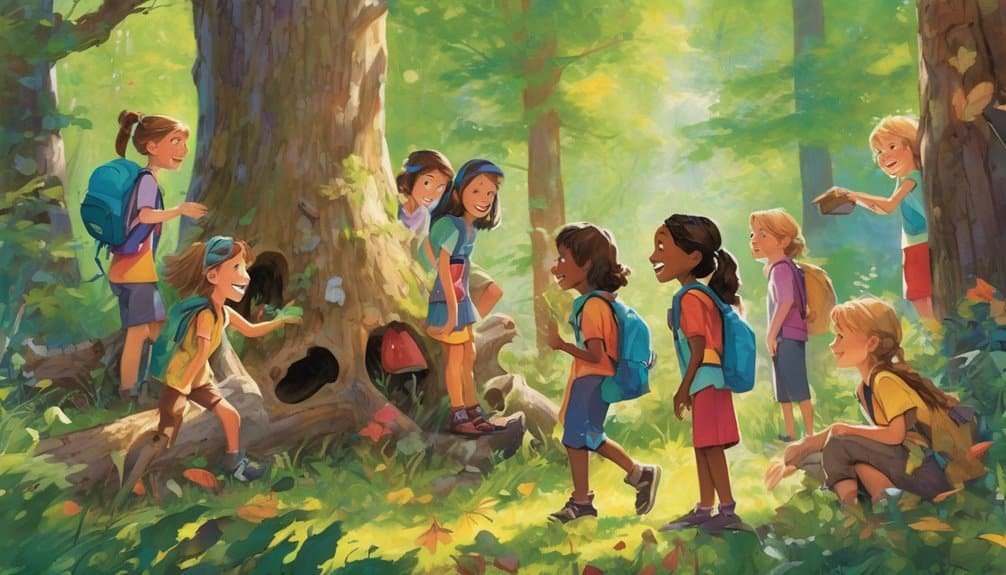
Taking your word hunts outdoors can add a whole new dimension to learning. Imagine the thrill of discovering new words surrounded by nature!
Here are a few ways to make your outdoor word hunts engaging:
- Nature Scavenger Hunt: Create a list of words based on items you might find—like “leaf,” “rock,” or “flower.”
- Sensory Exploration: Encourage your kids to describe textures, colors, and smells, leading to rich vocabulary development.
- Storytelling on the Go: As you explore, prompt them to create stories using the words they find, blending imagination with learning.
Themed Word Hunts for Special Events
Themed word hunts can elevate special events, making them not just memorable but also educational.
Imagine hosting a birthday party with a treasure hunt centered around your child’s favorite storybook; each clue reveals new vocabulary related to the tale.
Or, think about organizing a holiday gathering where guests search for seasonal words, sparking laughter and conversation.
You can even tailor word hunts for milestones like graduations or weddings, incorporating meaningful terms and symbols that resonate with everyone involved.
Not only do these activities encourage teamwork, but they also create lasting connections among participants.
Digital Word Hunts: Using Technology to Enhance Learning

As technology becomes an integral part of education, digital word hunts offer an engaging way to enhance learning experiences. By integrating interactive elements, you can transform standard vocabulary exercises into exciting adventures.
Here are three ways digital word hunts can elevate your learning journey:
- Instant Feedback: You’ll receive immediate results, helping you grasp concepts quickly.
- Variety of Formats: From apps to websites, you can choose platforms that suit your learning style best.
- Accessibility: You can participate anytime, anywhere, making learning flexible and convenient.
Embracing digital word hunts not only makes learning more enjoyable but also connects you with a wealth of resources.
Dive in and discover how technology can spark your curiosity and boost your vocabulary!
Collaborative Word Hunts: Learning Through Teamwork
When you collaborate with others during word hunts, you’re not just hunting for words—you’re building teamwork skills that enhance the learning experience.
Sharing ideas and strategies with your teammates allows you to tap into each other’s strengths, fostering a sense of community. As you work together, you’ll find that communication becomes key; discussing your findings and encouraging each other keeps motivation high.
You’ll discover new perspectives and techniques, making the hunt not just about the words, but about the connections you create. Celebrate each small victory as a group, and watch how that camaraderie transforms your learning journey.
In the end, it’s not just about finding words; it’s about the friendships and skills you develop along the way.
Adapting Word Hunts for Different Age Groups

Word hunts can be tailored to suit various age groups, ensuring that everyone can engage and learn effectively. Here are some ideas to adapt word hunts for different ages:
- Toddlers: Use colorful picture cards. Encourage them to match words with images, making it a sensory-rich experience.
- Elementary: Create themed hunts with age-appropriate vocabulary. Incorporate riddles or clues that guide them, fostering critical thinking.
- Teens: Challenge them with complex words or phrases related to their interests, like music or technology. Incorporate digital tools for a modern twist.
Incorporating Word Hunts Into Daily Routines
Incorporating word hunts into daily routines can transform mundane activities into exciting learning opportunities. Whether you’re cooking, cleaning, or running errands, you can engage your family in a fun way.
Here’s a simple table to inspire your word hunt ideas:
| Activity | Word Hunt Theme | Example Words |
|---|---|---|
| Cooking | Food Items | Apple, Carrot, Rice |
| Cleaning | Household Items | Broom, Soap, Towel |
| Errands | Shopping List | Milk, Eggs, Bread |
As you embrace these moments, you’re not just passing time; you’re building vocabulary, sparking curiosity, and deepening connections. Make it a game, and watch how everyone’s enthusiasm grows! Transform your routine into a playful adventure together.
Tips for Creating Your Own Word Hunt Adventures
Creating your own word hunt adventures can be a thrilling way to engage with language and learning. Here are some tips to make your hunt truly special:
- Choose a Theme: Pick a theme that resonates with your interests—nature, food, or even a favorite book. This makes the hunt feel personal and exciting.
- Set Clear Goals: Decide what you want participants to learn. It could be vocabulary building, spelling, or even grammar. Clear goals keep everyone focused.
- Make It Interactive: Incorporate clues, riddles, or even digital elements. Engaging all senses enriches the experience and fosters deeper connections with the words.
Frequently Asked Questions
What Age Group Benefits Most From Word Hunts?
Children aged 5 to 10 benefit the most from word hunts. At this stage, their curiosity and love for discovery flourish, making learning engaging and enjoyable, giving you the chance to bond through shared experiences.
How Long Should a Typical Word Hunt Last?
Think of a treasure hunt; you wouldn’t want it to drag on. A typical word hunt should last about 20 to 30 minutes, keeping the excitement alive while ensuring you absorb the words effortlessly.
Can Word Hunts Improve Spelling Skills?
Absolutely, you’ll find that engaging in word hunts can significantly enhance your spelling skills. As you search and discover, you’re not just having fun; you’re actively reinforcing your understanding of word structures and patterns.
What Materials Are Needed for a Basic Word Hunt?
For a basic word hunt, you’ll need paper or a notebook, pens or pencils, and a list of words. You might also enjoy a timer for added excitement and a fun atmosphere to keep you engaged.
How Can I Involve Parents in Word Hunts?
Involving parents can boost engagement; studies show kids perform better with family involvement. Invite them to join word hunts, share their favorite words, or even create clues together. It strengthens bonds while making learning lively and fun!
Conclusion
Incorporating word hunts into your child’s learning routine can spark a sensational love for language. By blending adventure with education, you’re not only boosting vocabulary but also building bonds through teamwork. Whether you’re exploring the outdoors or diving into digital formats, these delightful activities can transform learning into a fun-filled quest. So, gear up for great giggles and glorious discoveries—your child’s journey into the world of words is just beginning!