
It’s as if the world of literacy is bursting with endless possibilities. You might be surprised at how fun educational tools can transform the way young learners approach words and stories. From interactive apps to captivating storybooks, these resources offer a unique blend of engagement and learning. But what exactly makes these tools so effective, and how can they spark a lifelong love for language? Let’s explore some of the most intriguing options available.
Key Takeaways
- Interactive reading apps combine colorful illustrations and read-along narration to engage young readers effectively.
- Engaging storybooks offer captivating narratives and stunning visuals, nurturing a love for reading while enhancing comprehension skills.
- Phonics games like Sound Bingo and Rhyming Memory make learning essential literacy skills enjoyable and memorable through interactive play.
- Flashcards and word walls turn word recognition into fun games, fostering confidence and excitement in language learning.
- Storytelling activities encourage creativity and discussion, enhancing vocabulary and reading skills while creating lasting memories.
Interactive Reading Apps
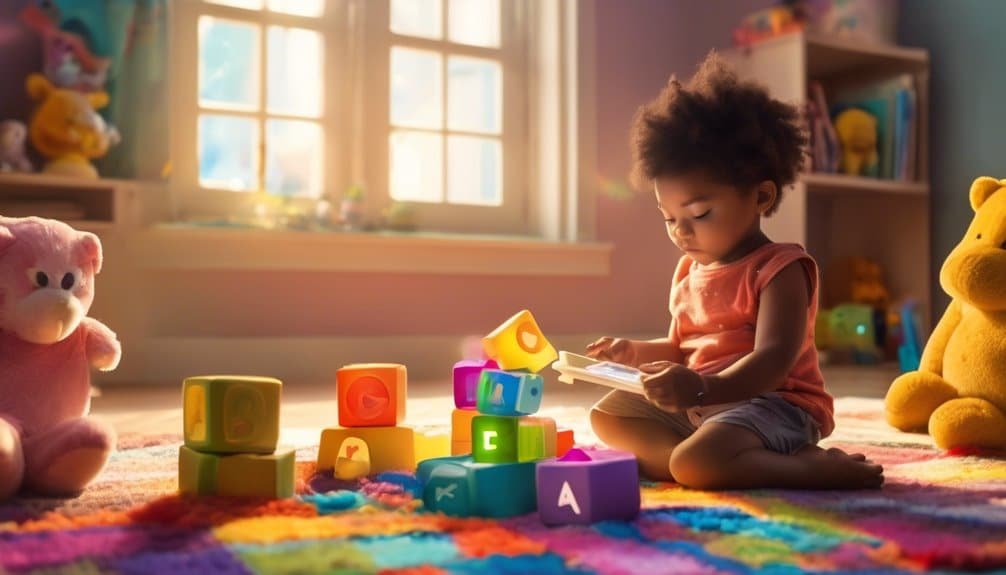
As you explore the world of reading, interactive reading apps can transform the learning experience into an engaging adventure.
These apps invite you to dive into stories, where colorful illustrations and animated characters come to life, making every page turn exciting. You can tap, swipe, and listen, creating a hands-on experience that keeps you captivated.
With features like read-along narration and interactive quizzes, you’re not just reading—you’re actively participating in the story. These apps often adapt to your skill level, ensuring you’re always challenged but never overwhelmed.
Plus, you can enjoy them anytime, anywhere, making reading a delightful part of your daily routine. Embrace the magic of interactive reading apps, and watch your love for stories bloom.
Engaging Storybooks
While diving into the world of engaging storybooks, you’ll discover that they offer a unique blend of captivating narratives and stunning visuals that spark imagination.
These stories invite you to explore new worlds, meet unforgettable characters, and share experiences that resonate deeply. As you read together, you’ll find that storybooks create a cozy bonding moment, allowing you to discuss emotions, lessons, and adventures.
Choose tales that reflect your child’s interests or introduce them to diverse cultures and ideas. With each turn of the page, you’ll nurture a love for reading and enhance comprehension skills in an enjoyable way.
Phonics Games
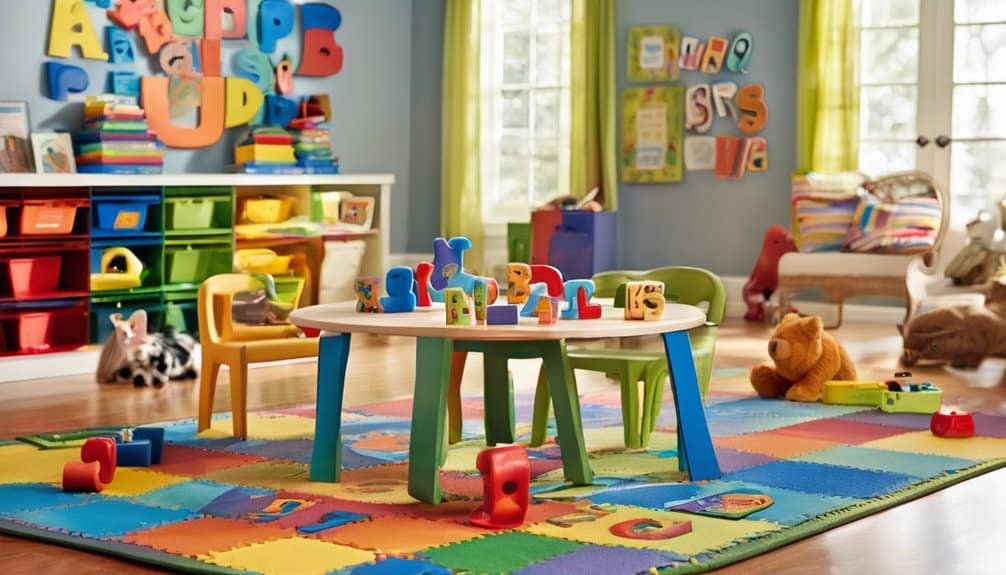
Engaging storybooks lay a fantastic foundation for reading, but incorporating phonics games can take your child’s literacy skills to the next level. These games enhance sound recognition and decoding abilities, making learning fun and interactive. You’ll find that your child enjoys playing while mastering essential skills.
Here are some effective phonics games you can try:
| Game Name | Description |
|---|---|
| Sound Bingo | Match sounds to pictures. |
| Phonics Hopscotch | Jump on letters to make words. |
| Rhyming Memory | Flip cards to find rhyming pairs. |
With these games, you’ll not only build your child’s confidence but also create memorable moments together. Watching them learn through play can be a truly rewarding experience for both of you.
Flashcards and Word Walls
Flashcards and word walls are powerful tools that can significantly boost your child’s reading skills. When you use flashcards, you’re not just presenting words; you’re creating engaging moments together. You can make it a game, turning learning into a fun, interactive experience. As your child recognizes words, their confidence soars.
Word walls, on the other hand, transform a space into a visual reading resource. By adding new words regularly, you encourage your child to explore and discover. Each word becomes a stepping stone to reading fluency.
Together, these tools foster an environment rich in language and excitement. You’ll witness your child’s growth firsthand, and those shared moments of learning will strengthen your bond.
Embrace the joy of reading together!
Storytelling Activities

Building on the excitement generated by flashcards and word walls, storytelling activities offer another dynamic way to enhance your child’s reading skills. You can create a cozy atmosphere by snuggling up with your little one, choosing a story that sparks their imagination.
As you read together, encourage them to predict what happens next or to share their thoughts about the characters. This interaction not only builds comprehension but also fosters a love for storytelling.
Additionally, invite your child to tell their own stories, using props or pictures to inspire them. These activities develop their vocabulary and confidence, making reading a joyous adventure you both can share.
Together, you’ll create unforgettable memories while nurturing their budding literacy skills.
Audiobooks for Kids
While diving into the world of audiobooks can be a game-changer for your child’s reading journey, they offer a captivating way to absorb stories and language.
You’ll find that audiobooks not only spark imagination but also build a love for literature. Listening can enhance vocabulary and fluency, making reading feel less intimidating.
Here’s why you should consider audiobooks:
- Engaging Narratives: Professional narrators bring stories to life.
- Flexible Learning: Kids can listen while doing chores or during car rides.
- Diverse Genres: A wide range of stories caters to every interest, from adventure to fantasy.
- Boosts Concentration: Focusing on the story helps improve listening skills.
Incorporating audiobooks into your routine can make reading a delightful experience for your child.
Reading Comprehension Tools
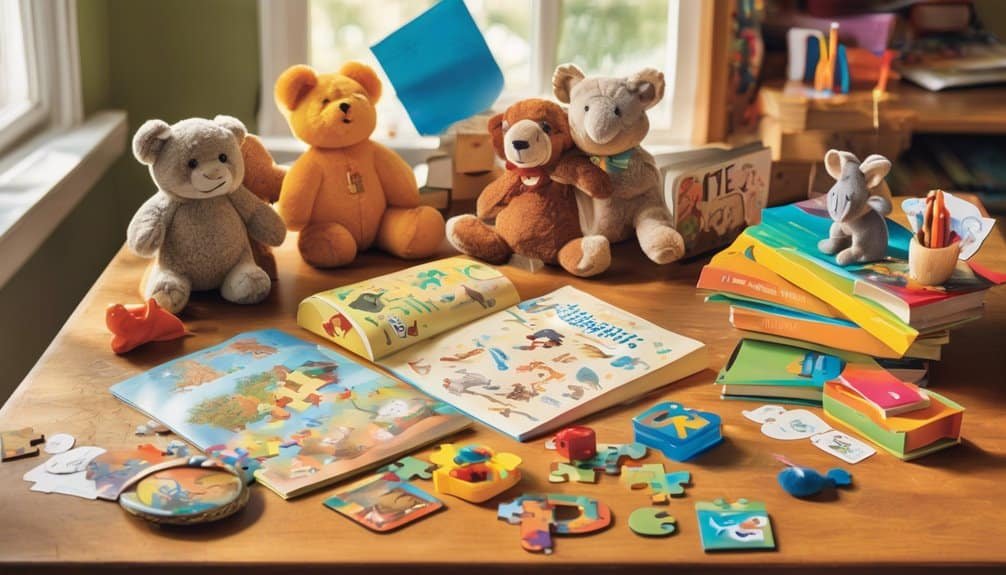
To ensure your child truly understands what they read, incorporating effective reading comprehension tools is essential. You might start with graphic organizers, like story maps, which help visualize key elements like characters and settings.
Ask your child to summarize what they’ve read; this encourages them to process information actively. Discussing the story together can deepen their understanding, so don’t hesitate to ask open-ended questions.
Using flashcards for vocabulary can also boost comprehension by expanding their word bank. Finally, consider engaging them with interactive reading apps that provide instant feedback.
Creative Writing Prompts
How can you spark your child’s imagination and boost their writing skills? Creative writing prompts are a fantastic way to ignite their creativity and encourage self-expression.
These prompts can transform writing from a chore into an exciting adventure.
- Imagine a world where animals can talk. What conversations would they have?
- Write a letter to your future self. What dreams do you hope to achieve?
- Create a story about a magical object found in your backyard.
- Describe a day in the life of your favorite superhero.
Frequently Asked Questions
How Can I Motivate My Child to Read More Often?
To motivate your child to read more often, create a cozy reading nook, explore their interests together, and share stories. Celebrate small achievements, and make reading a fun, shared adventure you both can enjoy.
What Age Is Best to Start Using Reading Tools?
You can start using reading tools around age three, when kids begin recognizing letters and sounds. Early exposure sparks curiosity and builds a love for reading, setting the stage for lifelong learning and enjoyment.
Are These Tools Effective for Children With Learning Disabilities?
Absolutely, these tools can be incredibly effective for children with learning disabilities. They’re designed to engage and support unique learning styles, helping you foster confidence and progress in your child’s reading journey. You’ll see positive results.
How Can Parents Assess Reading Progress at Home?
Think of reading progress like a garden. You can nurture it by observing your child’s fluency and comprehension. Keep a log of their reading habits, celebrate milestones, and ask questions to deepen understanding and engagement.
What Should I Do if My Child Dislikes Reading?
If your child dislikes reading, try making it interactive and enjoyable. Pick engaging stories together, use fun voices, or incorporate their interests. Celebrate small achievements, and gradually introduce new books to spark their curiosity.
Conclusion
Incorporating these fun educational tools into your child’s reading routine can spark a lifelong love for literacy. Whether you’re swiping through an interactive app or flipping the pages of a colorful storybook, each resource transforms learning into an adventure. Phonics games and storytelling activities make practice feel like play, while audiobooks bring stories to life. So, gear up like a knight ready for a quest, and watch your young reader flourish in their journey to literacy!