
When it comes to enhancing your child’s learning experience, educational coloring books can be a valuable tool. They not only promote fine motor skills but also introduce essential concepts in a fun way. By engaging with these books, your child can explore literacy, numeracy, and even cultural awareness. But what makes these resources particularly effective? Understanding their unique benefits could change how you approach learning at home. Let’s explore the various aspects that make these books worth considering.
The Benefits of Educational Coloring Books for Kids
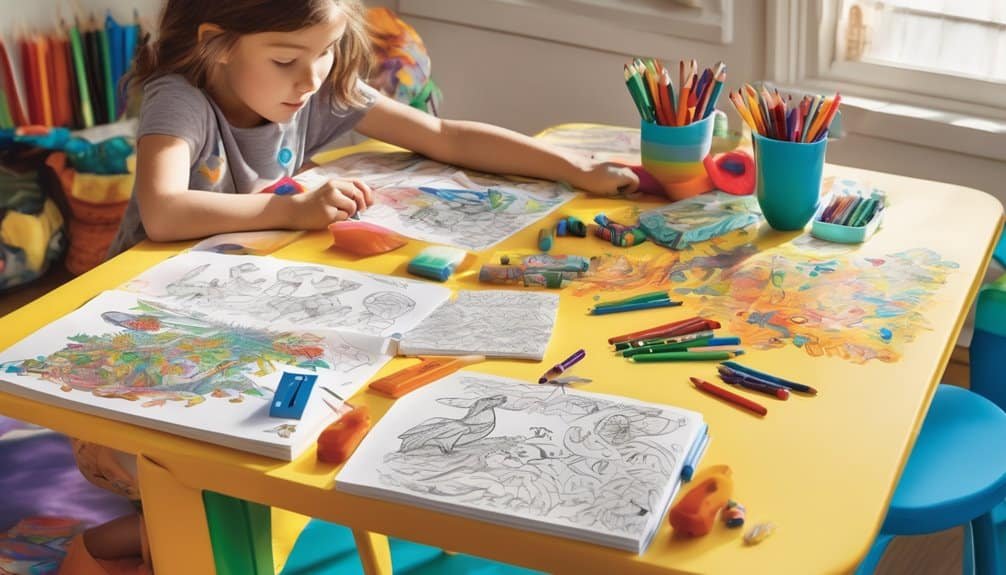
Educational coloring books offer numerous benefits for kids, making them a valuable addition to any child’s learning toolkit. These books not only entertain but also play a crucial role in cognitive development.
As your child engages with various themes and concepts, they enhance their understanding and retention of information. Additionally, coloring helps improve fine motor skills, allowing your child to develop hand-eye coordination and dexterity.
By grasping crayons and navigating between lines, they refine their control and precision. This combination of cognitive engagement and motor skill enhancement fosters a holistic approach to learning.
How Educational Coloring Books Enhance Learning
While you might see coloring as just a fun activity, it actually serves as a powerful tool for enhancing learning. Engaging in coloring helps improve color recognition and fine motor skills, essential for writing and everyday tasks.
As you guide children through various designs, you foster cognitive development and artistic expression, allowing them to explore their creativity. Coloring also encourages problem-solving skills, as kids must decide how to fill in spaces and choose colors.
Additionally, it aids in self-regulation, teaching patience and focus. By incorporating themes from different cultures, coloring books promote cultural awareness, broadening perspectives.
Finally, coloring provides sensory integration, helping kids process visual information while developing critical foundational skills for lifelong learning.
Different Types of Educational Coloring Books
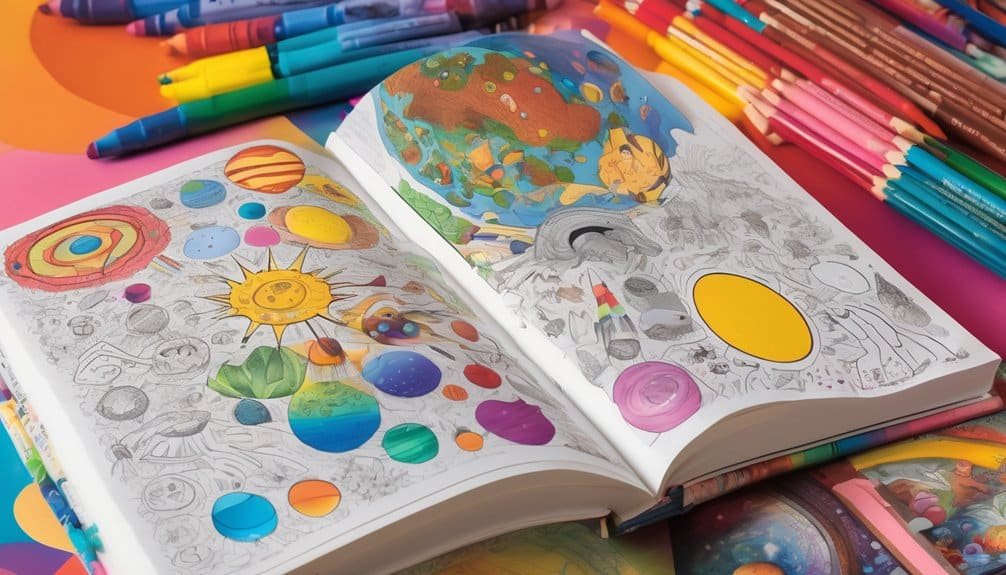
Coloring books come in a variety of forms, each designed to cater to different learning needs and interests. By exploring these types, you can enhance both creativity and knowledge through effective coloring techniques.
Here are some popular categories:
- Alphabet and Numbers: Focus on foundational literacy and numeracy skills.
- Science and Nature: Encourage curiosity about the environment and biology.
- History and Culture: Introduce kids to different cultures and historical events.
- Art Techniques: Teach various coloring methods like shading and blending.
- Mindfulness and Emotions: Promote emotional awareness through calming designs.
Each type offers unique theme exploration opportunities, allowing kids to engage actively with subjects while honing their artistic skills.
Popular Themes in Educational Coloring Books
Many popular themes in educational coloring books captivate young minds and spark their creativity. You’ll find options that encourage nature exploration, helping kids connect with the outdoors.
Historical figures come to life, making history engaging and relatable. Science concepts are simplified through fun illustrations, while cultural diversity themes teach respect and appreciation for different backgrounds.
Books focused on animal habitats allow for an immersive learning experience, revealing the wonders of wildlife. Space themes ignite curiosity about the universe, and math concepts transform numbers into colorful adventures.
Art appreciation invites kids to explore their creativity, and geography lessons help them understand the world around them. These themes not only entertain but also foster essential learning through artistic expression.
Key Features to Look for in Educational Coloring Books
Choosing the right educational coloring book can significantly enhance a child’s learning experience. Here are key features to consider:
Selecting an educational coloring book can greatly enrich a child’s learning journey. Consider key features to maximize their experience.
- Educational Content: Ensure the book covers relevant subjects like math, science, or language arts.
- Interactive Elements: Look for books that include puzzles, games, or questions to keep kids engaged.
- Age Appropriateness: Select books that match your child’s developmental stage for optimal learning.
- Variety of Activities: Choose coloring books with different tasks, such as tracing or matching, to maintain interest.
- Quality Illustrations: Opt for vibrant images that stimulate creativity and make learning enjoyable.
These features will help create a fun and educational environment, fostering your child’s growth while they color.
Top Educational Coloring Books by Age
Finding the right educational coloring book can be a game-changer for your child’s learning journey, especially as they grow through different developmental stages.
For toddlers, look for books featuring simple shapes and vibrant colors to spark their creativity while introducing age-appropriate themes.
As they transition to preschool, opt for books that incorporate letters and numbers, aiding skill development through interactive activities.
For early elementary-aged kids, consider options that explore science and history, fostering curiosity while reinforcing concepts.
Finally, for older children, seek out books that challenge them with complex designs and themes related to art or culture, promoting both creativity and critical thinking.
Tailoring choices to your child’s age ensures effective learning and engagement.
Using Coloring Books to Enhance Learning
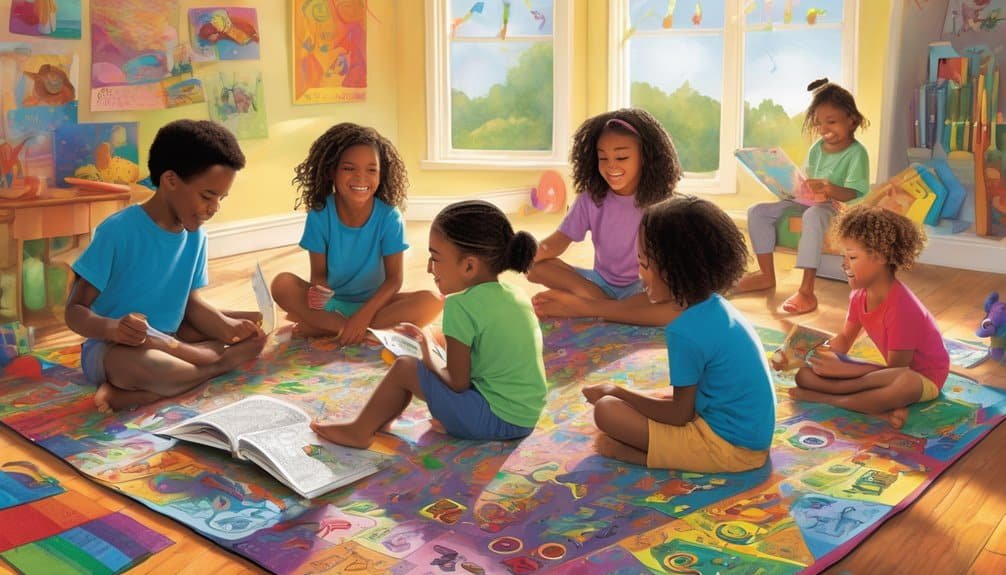
Coloring books serve as powerful tools for enhancing learning in children. They not only stimulate creativity but also support cognitive development through various coloring techniques.
Coloring books are essential for boosting creativity and cognitive development in children through engaging coloring techniques.
By engaging with these books, kids can improve their focus and fine motor skills while learning about shapes, colors, and themes.
Here are some key benefits of using coloring books:
- Boosts Creativity: Encourages imaginative thinking and expression.
- Enhances Motor Skills: Develops hand-eye coordination through coloring techniques.
- Promotes Focus: Helps children concentrate and stay engaged in tasks.
- Teaches Color Recognition: Introduces basic color theory and combinations.
- Encourages Learning: Integrates educational themes, making learning enjoyable.
Using coloring books effectively can provide a fun and educational experience for your child.
How to Add Coloring Books to Your Daily Routine
Incorporating coloring books into your child’s daily routine can be a seamless and enjoyable process, especially when you create specific times for art activities.
Designate a “coloring hour” after school or during quiet times, allowing for daily creativity to flourish. This not only encourages artistic expression but also serves as a valuable tool for sensory development.
Use coloring as a family bonding opportunity; sit together and share your colorful masterpieces. It’s an excellent way to unwind, offering stress relief for both you and your child.
By establishing a consistent coloring routine, you foster an environment where creativity thrives, making art an integral part of your day.
Embrace this simple yet impactful habit to enrich your family’s life.
Creative Ways to Use Coloring Books for Learning
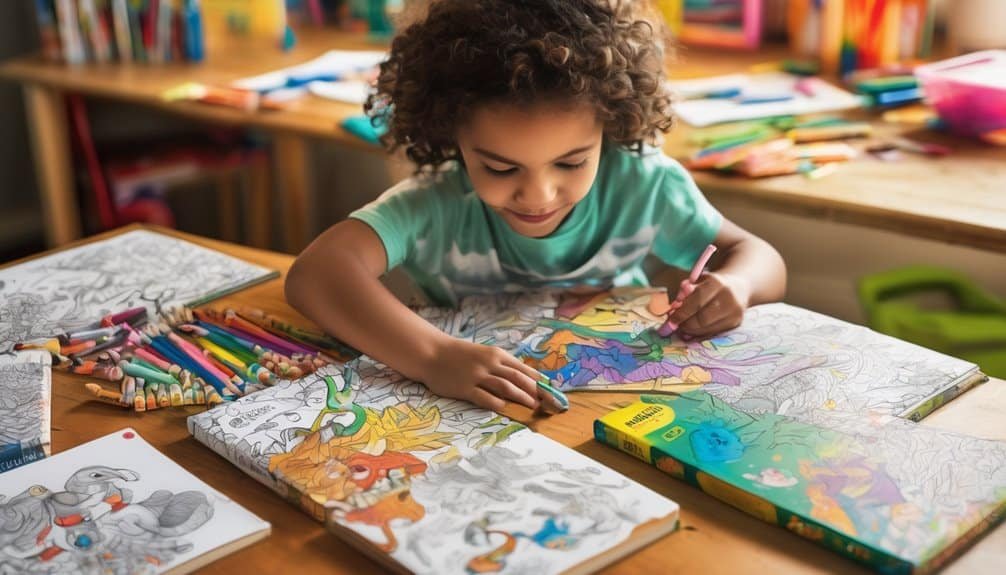
Utilizing educational coloring books can transform learning into an engaging experience for kids. You can creatively incorporate these books into various interactive activities and thematic projects, making education fun and memorable.
Here are some ideas to consider:
- Storytelling: After coloring, have kids create a story based on the images.
- Science Exploration: Use themed books to introduce concepts like animals or the solar system.
- Art Integration: Allow kids to mix coloring with painting or collage.
- Group Activities: Organize coloring sessions where kids can share ideas and collaborate.
- Skill Development: Focus on fine motor skills by encouraging detailed coloring tasks.
These approaches not only enhance learning but also foster creativity and teamwork among children.
Where to Find the Best Educational Coloring Books Online
Wondering where to find the best educational coloring books online? Start with popular online retailers like Amazon or Target, where you can browse extensive themed collections from various educational publishers.
If you prefer instant access, check out digital downloads or printable options on platforms like Etsy or Teachers Pay Teachers. These often come with interactive features that enhance learning.
Subscription services, such as KiwiCo or Cratejoy, can also surprise you with monthly educational coloring books tailored to different age groups.
Don’t forget to read user reviews before purchasing; they offer valuable insights into the quality and engagement level of the books.
Frequently Asked Questions
Can Educational Coloring Books Be Used for Older Children?
Absolutely, educational coloring books can enhance creativity and promote cognitive engagement in older children. They allow for self-expression while challenging them with complex themes, making learning enjoyable and effective, regardless of age.
How Do Coloring Books Support Fine Motor Skills Development?
Coloring books enhance fine motor skills by encouraging you to practice various coloring techniques. As you color, you improve hand-eye coordination, helping your fingers develop strength and dexterity, which is crucial for more complex tasks later.
Are There Digital Versions of Educational Coloring Books Available?
Yes, there are digital versions of educational coloring books available. These often include interactive features that enhance engagement, making them a fun alternative to traditional formats while still supporting skill development effectively. You’ll love the variety!
What Materials Are Best for Coloring in Educational Books?
For coloring, high-quality paper enhances your experience. Opt for wax or oil-based crayons, as they blend smoothly and resist breaking. Experiment with different crayon types to find what you enjoy most while creating vibrant art.
How Can Parents Assess a Coloring Book’s Educational Value?
To assess a coloring book’s educational value, check if it promotes creative expression and aligns with learning goals. Studies show kids retain 75% more when they engage actively, highlighting the coloring book benefits in their development.
Conclusion
Incorporating educational coloring books into your child’s routine is more than just a fun activity; it’s a gateway to deeper learning. While they unleash creativity, they also sharpen cognitive skills, blending play with education seamlessly. Imagine your child transforming a simple coloring page into a vibrant story, fostering both imagination and understanding. By choosing the right books, you can turn every coloring session into a rich learning experience, making education both enjoyable and impactful.