
Did you know that early math skills can set the foundation for lifelong learning? Preschool math activity books are more than just colorful pages; they’re tools that engage your child’s curiosity and creativity. From counting fun to recognizing shapes, these resources can transform everyday moments into valuable learning experiences. Curious about which books to choose and how to make the most of them? Let’s explore the world of preschool math together.
Why Preschool Math Activity Books Are Essential
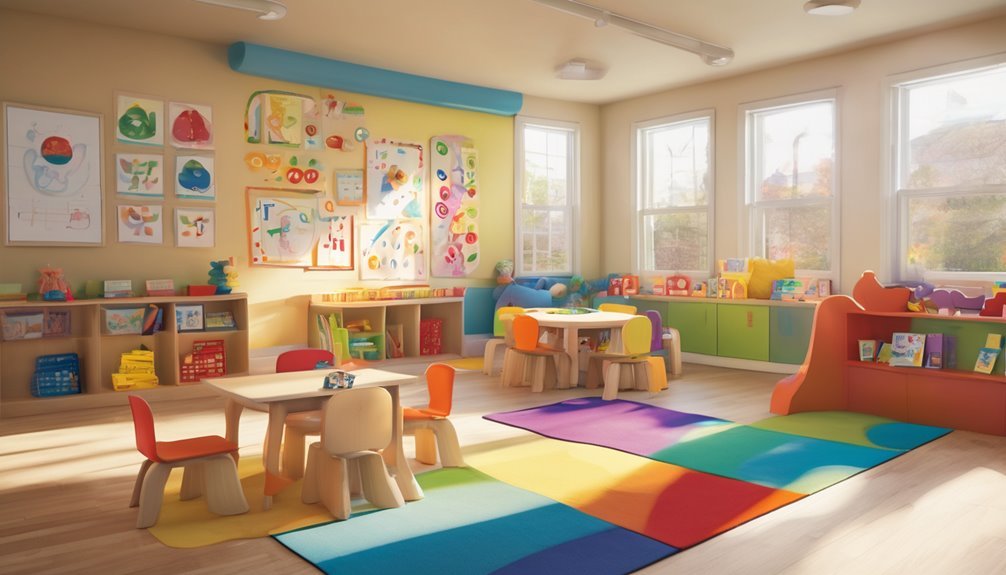
When you introduce preschool math activity books to your little ones, you’re not just handing them a fun pastime; you’re laying the groundwork for critical thinking and problem-solving skills.
These books are designed to engage young minds, making early numeracy exciting and accessible. As your child works through counting exercises, shape recognition, and simple addition, they’re not only developing essential math skills but also enhancing their cognitive abilities.
Designed to captivate young minds, these books make early math both fun and engaging, fostering essential skills and cognitive growth.
Each activity fosters curiosity and encourages exploration, turning learning into a joyful adventure. Plus, by using colorful illustrations and interactive tasks, these books cater to various learning styles, ensuring every child finds joy in math.
Investing in these resources today helps build a strong foundation for their future academic success.
Top Preschool Math Activity Books to Explore
Exploring preschool math activity books opens up a world of fun and learning for your child. These books offer a variety of interactive games that make math concepts engaging and enjoyable.
Look for titles that incorporate sensory activities, like counting with textured materials or measuring with water. These hands-on experiences not only enhance understanding but also keep your little one excited about learning.
Popular choices include “Math in the Garden,” which blends nature with math, and “Count and Color,” featuring vibrant illustrations. Each book encourages problem-solving skills while fostering creativity.
Essential Features of Effective Math Activity Books
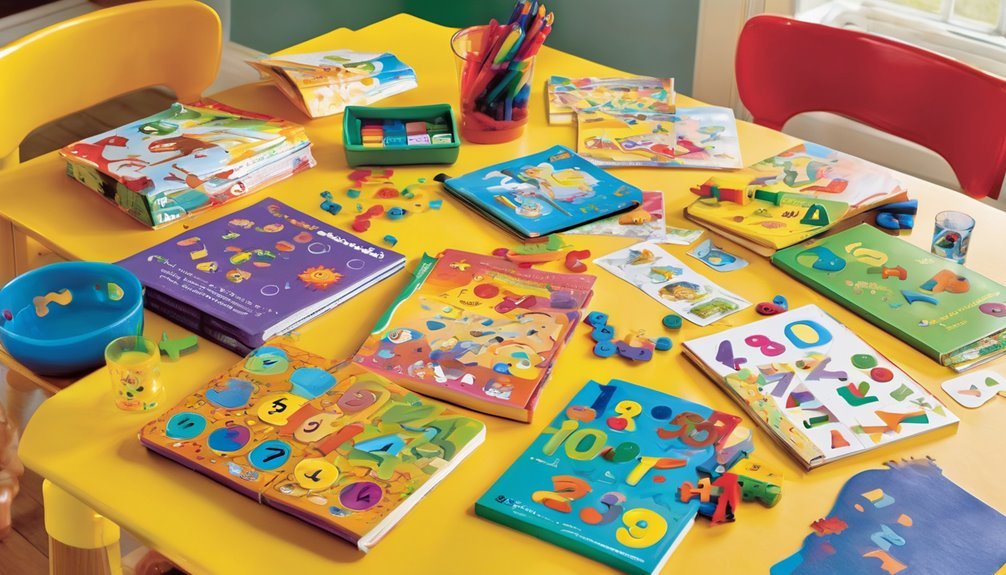
To make the most of math activity books, look for essential features that truly engage your child. Here are four key elements to consider:
- Engaging Illustrations: Bright, colorful images capture your child’s attention and make learning enjoyable.
- Interactive Elements: Look for flaps to lift, puzzles to solve, and activities that encourage hands-on participation.
- Varied Activities: Choose books that offer a mix of counting, sorting, and problem-solving tasks to keep your child challenged and interested.
- Progressive Difficulty: Effective books should gradually increase in complexity, allowing your child to build confidence and skills step-by-step.
Fun Math Activities to Engage Preschoolers
Math can be a blast for preschoolers when you incorporate fun activities that spark their curiosity! Use interactive games like counting bingo or shape scavenger hunts to make learning exciting. These games not only enhance math skills but also promote teamwork and problem-solving.
Incorporating counting songs into your daily routine can bring numbers to life. Sing along to catchy tunes that focus on counting, allowing your little ones to practice without even realizing it.
You can also create hands-on activities, like building block towers or sorting objects by size and color. These engaging experiences offer a playful way for preschoolers to explore math concepts while keeping their enthusiasm high.
Let the fun begin!
Incorporating Math Books Into Daily Learning
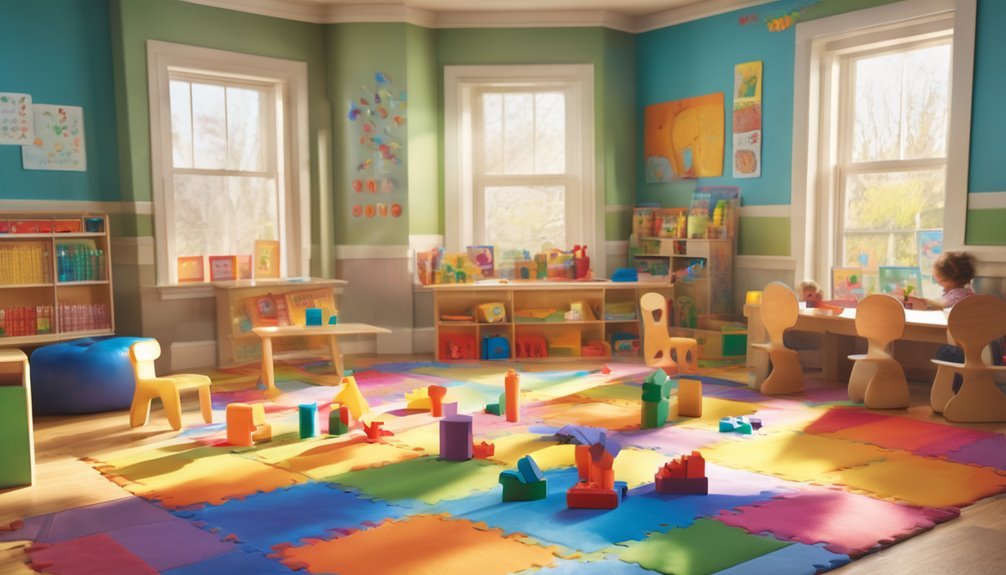
There’s something magical about sharing math books with preschoolers that can ignite their interest in numbers and shapes.
To effectively incorporate math books into daily learning, consider the following:
- Choose the Right Books: Focus on engaging stories that introduce basic concepts like counting and patterns during your math book selection.
- Set a Routine: Dedicate a specific time each day for reading math books, making it a fun ritual.
- Connect to Real Life: Relate the stories to everyday activities, like counting snacks or identifying shapes in the environment.
- Encourage Discussion: Ask open-ended questions about the book to foster critical thinking and reinforce concepts.
Benefits of Hands-On Learning in Preschool Math
While exploring numbers and shapes, hands-on learning offers preschoolers an engaging way to grasp mathematical concepts. Tactile exploration allows kids to touch, manipulate, and experiment with various materials, making math come alive.
When you incorporate interactive play, children naturally develop problem-solving skills and critical thinking. They can build with blocks, sort shapes, or use counting bears—all of which make learning fun and memorable. This approach not only enhances their understanding but also nurtures a love for learning.
By engaging their senses, preschoolers can connect abstract ideas to real-world experiences, reinforcing their knowledge. Hands-on activities empower them to take charge of their learning, fostering confidence and curiosity in math.
Tips for Parents: Making Math Fun at Home

Making math fun at home can be a delightful adventure for both you and your preschooler. Engaging in playful learning creates a positive atmosphere that fosters a love for math. Here are some tips to get you started:
- Incorporate Math Games: Use board games or card games that involve counting, addition, or matching to enhance math skills.
- Use Everyday Objects: Count fruits while shopping or measure ingredients during cooking.
- Create a Math Treasure Hunt: Hide objects and give your child clues involving simple math problems to find them.
- Make Patterns with Craft Materials: Use beads, blocks, or stickers to create and identify patterns, reinforcing early math concepts.
These activities make learning enjoyable and help your child grasp essential math skills!
Celebrating Progress in Preschool Math Learning
Celebrating your preschooler’s progress in math learning is essential to building their confidence and enthusiasm for the subject. Recognizing those math milestones, whether it’s counting to ten or solving simple addition problems, can make a big difference.
Consider hosting learning celebrations to mark these achievements. A small party or a special treat can motivate them further. You might create a “Math Superstar” wall where you display their completed activities and milestones. This not only showcases their progress but also encourages them to keep trying new challenges.
Frequently Asked Questions
At What Age Should I Start Using Math Activity Books?
You can start using math activity books as early as age three. This helps with early learning and skill development. Engaging with these activities now lays a strong foundation for your child’s future math success.
How Do I Choose the Right Book for My Child?
To choose the right book for your child, consider their learning styles and interests. Look for engaging activities that cover essential math concepts, balancing fun with challenge to spark their curiosity and boost their confidence.
Can Math Activity Books Be Used for Homeschooling?
Absolutely, math activity books can enhance your homeschooling experience. They reinforce math concepts while offering engaging exercises. You’ll enjoy the flexibility and the ability to tailor lessons to your child’s unique learning style and pace.
Are There Any Digital Alternatives to Printed Math Activity Books?
Absolutely! You can explore digital resources like interactive apps that turn math into an engaging adventure. These tools spark curiosity, making learning feel like a game while nurturing your child’s mathematical skills in a fun way.
How Can I Track My Child’s Progress With These Books?
You can track your child’s progress by using progress indicators like completed activities and scores. Encourage parent involvement by discussing challenges and successes, making learning a fun, collaborative experience that boosts confidence and skills.
Conclusion
Incorporating preschool math activity books into your child’s routine can feel like planting seeds in a garden. Just as a little water and sunlight help those seeds bloom, your encouragement and engagement will nurture your child’s love for math. Remember, every coloring page and counting game is a step toward building a strong foundation. Celebrate those small victories together—each one is a blossoming bud in their journey toward becoming a confident learner and thinker!