
When it comes to creating a second-grade math workbook, you want to blend fun with learning. Think about incorporating hands-on activities that captivate young minds. Games and art projects can turn math into an engaging experience. Plus, using relatable scenarios can help children see the relevance of math in their lives. Curious about how to craft these elements effectively? Let’s explore some innovative ideas that will make math a favorite subject for your students.
Engaging Hands-On Activities for Math Mastery
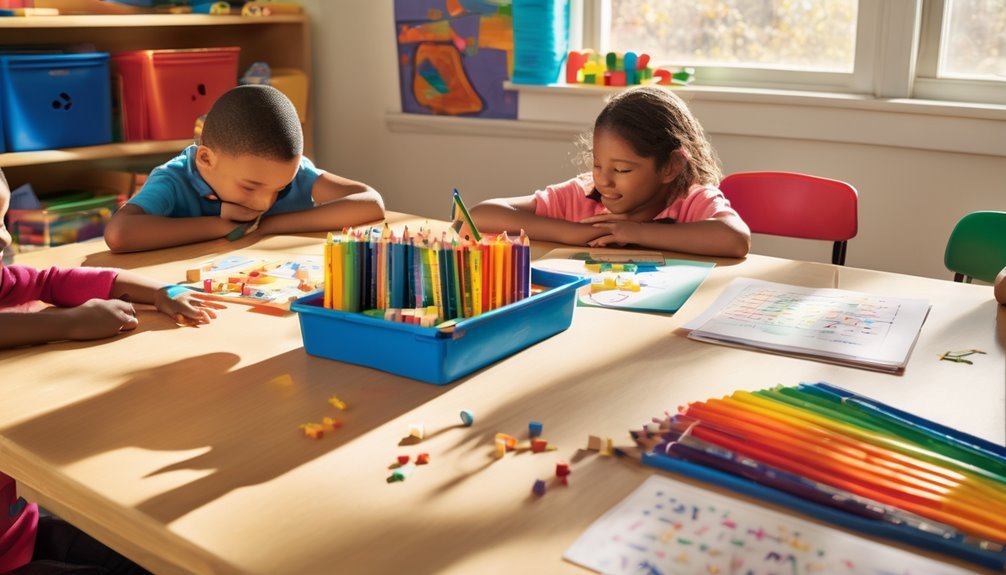
When you incorporate engaging hands-on activities into your second-grade math lessons, students not only grasp concepts better but also enjoy the learning process.
Using manipulative materials like blocks and counters helps them visualize numbers and operations. Math centers can offer diverse activities, allowing for cooperative learning where students work together on real-world problems.
Encourage them to document their discoveries in math journals and interactive notebooks, fostering reflection. Math scavenger hunts make learning dynamic, as students solve problems in a fun, exploratory way.
Additionally, peer tutoring can empower students to teach each other, reinforcing their understanding.
Creative Math Games to Spark Curiosity
To spark curiosity in second graders, creative math games can transform standard lessons into exciting adventures. Incorporating activities like a math scavenger hunt or an interactive number line makes learning dynamic and fun. These games encourage problem-solving and collaboration, making math feel relevant and engaging.
| Game Type | Description | Learning Focus |
|---|---|---|
| Math Scavenger Hunt | Students find items based on math clues. | Counting, addition, shapes |
| Interactive Number Line | Kids jump to solve addition or subtraction problems. | Number sense, sequencing |
| Shape Bingo | Players cover shapes as they’re called out. | Shape recognition, counting |
| Math Relay Races | Teams solve problems to advance. | Teamwork, quick thinking |
| Pattern Match | Match cards to create patterns. | Patterns, critical thinking |
These games not only teach math concepts but also foster a love for learning.
Make Math Fun With Art
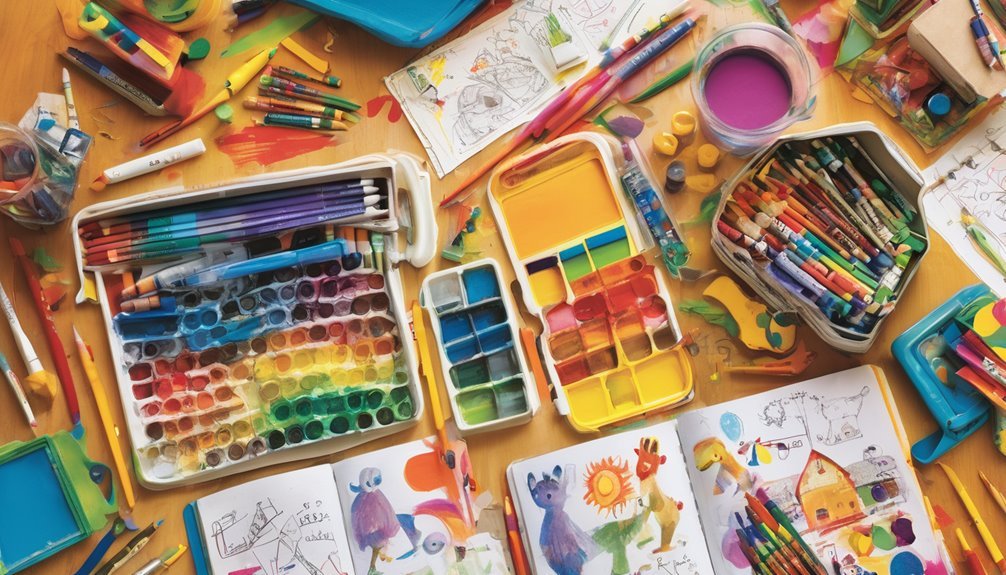
Math doesn’t have to be just numbers and equations; it can also come alive through art! You can start by creating math doodles that illustrate concepts like addition or subtraction.
Turn colorful equations into vibrant wall art, making learning visually appealing. Try your hand at shape sculptures using clay to explore geometry in a hands-on way.
Engage in pattern painting to understand sequences and repetitions, turning math into a beautiful canvas. Don’t forget to make artful graphs that showcase data in a fun, creative format.
Lastly, design creative collages using magazine cutouts to represent different math concepts. Combining art with math not only enhances understanding but also makes learning a joyful experience!
Applying Math to Everyday Life
Although it might seem like math is just for the classroom, it actually plays a crucial role in our daily lives. You encounter real life applications every day!
For instance, when grocery shopping, you calculate prices and manage your budget. Cooking measurements also require math; figuring out fractions helps you adjust a recipe.
Time management is another area where math shines—planning your day involves adding up hours and minutes. Even in sports, statistics help you understand player performance and team scores.
Plus, math in nature, like counting petals or measuring heights, connects you to the world around you. By recognizing these everyday examples, you’ll see how math isn’t just important—it’s essential for making sense of life!
Using Storytelling to Enhance Math Learning
Storytelling can transform math learning into an exciting adventure. By weaving narratives into math lessons, you can make concepts come alive.
Here are three ways to use storytelling in your second-grade math workbook:
- Create Story-Based Problems: Frame math challenges within fun stories. For example, “If Mia has 5 apples and gives 2 to her friend, how many does she have left?” This adds context and relevance.
- Introduce Narrative Math: Use characters and plots to explore math concepts. This could involve a treasure hunt that requires addition or subtraction to progress.
- Encourage Student Stories: Let kids create their own story-based problems. This fosters creativity while reinforcing their understanding of math.
Using these techniques, you’ll engage students and deepen their math comprehension!
Best Tech Tools for Second-Grade Math
In today’s digital age, integrating technology into second-grade math can make learning both fun and effective. You can enhance your students’ understanding with various tech tools. Here are some of the best options:
| Tool | Description | Benefits |
|---|---|---|
| Interactive Apps | Engaging games for math concepts | Boosts motivation and practice |
| Virtual Manipulatives | Digital tools for hands-on learning | Enhances visualization skills |
| Math Websites | Comprehensive resources and exercises | Provides diverse learning paths |
Using interactive apps and virtual manipulatives allows kids to explore math in a dynamic way. They’ll enjoy solving problems and mastering skills at their own pace. Embrace these tools, and watch your students thrive in math!
Personalizing Math Workbooks for Individual Needs
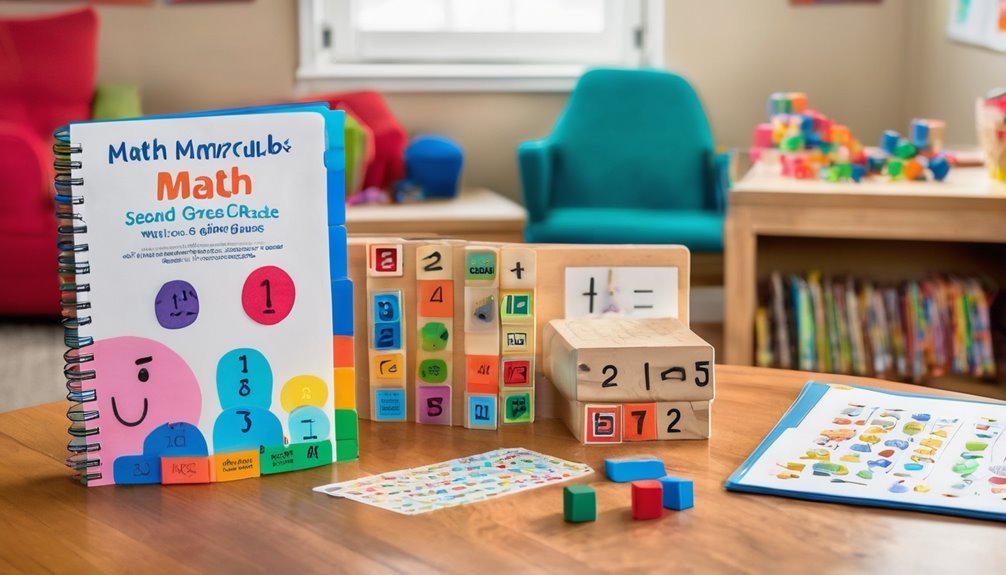
When you tailor math workbooks to meet individual student needs, you create a more engaging and effective learning experience.
By personalizing these resources, you can implement customized learning that enhances understanding and retention.
Here are three adaptive strategies to consider:
- Assess Learning Styles: Identify whether your students thrive with visual aids, hands-on activities, or written exercises, and adjust the workbook accordingly.
- Vary Difficulty Levels: Include a mix of easy, medium, and challenging problems to accommodate diverse skill levels within your classroom.
- Incorporate Real-Life Scenarios: Use relatable examples that resonate with your students, making math more relevant and interesting.
Encouraging Exploration With Math Challenges
While math can sometimes feel like a series of numbers and equations, incorporating challenges invites students to explore concepts more deeply. By presenting engaging math problems, you encourage kids to use problem-solving strategies that spark their curiosity.
For instance, you might pose a scenario where they need to figure out how many different combinations of snacks they can pack for a picnic. This not only makes math fun but also enhances their critical thinking skills.
Encourage teamwork by having them tackle challenges in groups, promoting discussion and collaboration. As they work through these problems, they’ll build confidence and develop a love for math.
Frequently Asked Questions
What Are the Key Math Concepts for Second Graders?
Key math concepts for second graders include mastering addition strategies and practicing subtraction games. You’ll enhance their problem-solving skills, boost confidence, and make learning fun. Engaging activities will ensure they grasp these essential concepts effectively!
How Can Parents Support Math Learning at Home?
Think of math as a treasure hunt! You can support your child’s learning by playing math games and engaging in interactive activities. These fun approaches make numbers come alive, helping your child build confidence and skills.
What Materials Are Essential for a Second-Grade Math Workbook?
For a second-grade math workbook, include colorful workbook designs and engaging activities like puzzles, games, and real-life problem-solving tasks. These materials keep kids motivated and make learning math fun and interactive.
How Often Should Students Practice Math Skills?
You should encourage daily practice to boost skill retention. Just a few minutes each day helps reinforce concepts, making math feel easier and more enjoyable. Consistency is key to building confidence and understanding in math.
Are There Specific Math Standards for Second Graders?
Yes, there are specific math standards for second graders. Think of it like building a strong foundation for a house; the math curriculum and learning benchmarks ensure students develop essential skills for future success.
Conclusion
Incorporating these fun and engaging activities into your second-grade math workbook can truly make a difference. Did you know that students who participate in hands-on learning are 75% more likely to retain information? By mixing manipulatives, games, and art, you’re not just teaching math; you’re inspiring a love for learning. So, dive in and create an exciting math journey that sparks curiosity and encourages exploration. Your students will thank you for it!