If you’re looking for ways to boost your child’s cognitive skills, educational puzzle books might be the perfect solution. These engaging tools not only make learning enjoyable but also promote critical thinking and problem-solving. With various options tailored for different age groups, they cater to your child’s unique needs. Curious about how these books can transform learning into an exciting adventure? There’s much more to discover about their benefits and how to use them effectively.
The Benefits of Educational Puzzle Books for Kids
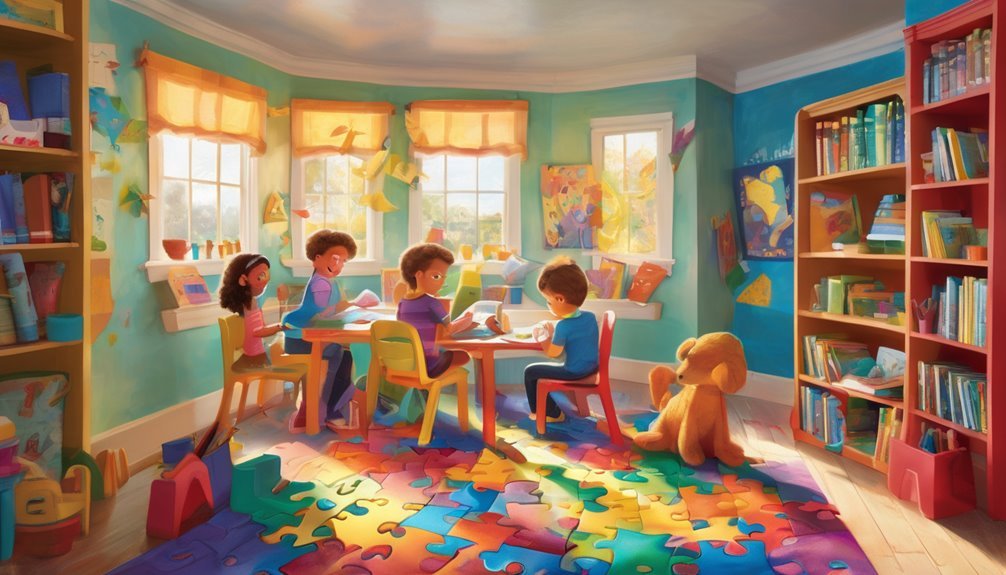
Educational puzzle books for kids offer a treasure trove of benefits that can enhance learning while keeping children entertained.
These books play a crucial role in cognitive development, encouraging kids to think critically and creatively. As they tackle various puzzles, they’re not just having fun; they’re also honing their problem-solving skills.
Educational puzzle books ignite critical thinking and creativity, transforming fun into valuable problem-solving skills for kids.
Each challenge requires them to analyze situations, make decisions, and develop strategies, which boosts their confidence and independence. You’ll notice how engaged they become as they work through each task, leading to improved focus and perseverance.
Plus, these activities can spark a love for learning, making education feel less like a chore and more like an adventure.
Popular Types of Educational Puzzle Books for Different Age Groups
As kids grow, their interests and cognitive abilities evolve, making it essential to choose the right puzzle books that cater to their developmental stage. Here’s a quick guide to popular types of educational puzzle books for different age groups:
| Age Group | Puzzle Types | Skills Developed |
|---|---|---|
| 4-6 years | Visual puzzles, Sequencing activities | Spatial reasoning, Pattern recognition |
| 7-9 years | Word searches, Crossword puzzles | Vocabulary, Critical thinking |
| 10+ years | Logic games, Trivia quizzes, Math challenges | Problem-solving, Analytical skills |
These books can engage your child while enhancing skills such as spatial reasoning and sequencing activities. By choosing the right puzzles, you’ll help nurture their love for learning!
Enhancing Critical Thinking With Puzzle Books
When kids dive into puzzle books, they not only entertain themselves but also sharpen their critical thinking skills. These books offer engaging logic games that challenge young minds, enhancing cognitive skills as they navigate through various puzzles.
By solving creative puzzles, kids learn to approach problems methodically, improving their analytical thinking and critical reasoning. Each challenge fosters decision making, as they weigh options and determine the best solutions. This process boosts mental agility, preparing them for real-world scenarios.
As they tackle different problems, children develop resilience and adaptability, crucial traits for future success. Encouraging regular interaction with puzzle books can transform problem solving into an exciting adventure, setting the foundation for lifelong learning and critical thinking.
Engaging Kids With Fun Brain Teasers and Riddles
Kids love a good challenge, and fun brain teasers and riddles are perfect for keeping their minds engaged. These activities not only stimulate curiosity but also promote brain development and enhance cognitive skills.
By tackling riddles and puzzles, kids sharpen their problem-solving abilities and boost creative thinking. Using brain teasers as screen alternatives encourages interactive learning, making it easy for families to bond over shared challenges.
You can turn this into a fun family game night, where everyone participates in cracking codes or solving riddles together. This not only strengthens connections but also reinforces the importance of teamwork.
Using Art to Enhance Learning in Puzzle Books
Incorporating art into puzzle books can significantly enhance a child’s learning experience, making each page a vibrant canvas for creativity and discovery.
By utilizing various art techniques, you can foster visual learning, helping kids grasp concepts more effectively. Intricate illustrations and thoughtful design elements create a strong illustration impact, capturing their attention and stimulating curiosity.
This imaginative engagement not only boosts creativity but also encourages artistic expression. Moreover, understanding color psychology can further elevate the experience, as different hues evoke emotions and enhance focus.
When art is seamlessly woven into puzzles, it transforms learning into an enjoyable adventure, allowing children to explore and connect ideas in innovative ways while having fun.
How to Choose the Right Puzzle Book for Your Child?
Choosing the right puzzle book for your child can be a fun yet challenging task. Start by considering your child’s age and interests.
Look for puzzle book formats that align with their preferences, whether they’re into mazes, crosswords, or Sudoku. Make sure the challenges are age appropriate; selecting puzzles that are too difficult can lead to frustration, while those that are too easy may not engage them.
Pay attention to the visuals and themes, as vibrant illustrations can enhance their interest.
Lastly, read reviews or ask other parents for recommendations to find a book that strikes the right balance between fun and educational.
With the right choice, your child will enjoy learning through play!
Tips for Making Educational Puzzle Books Interactive and Fun
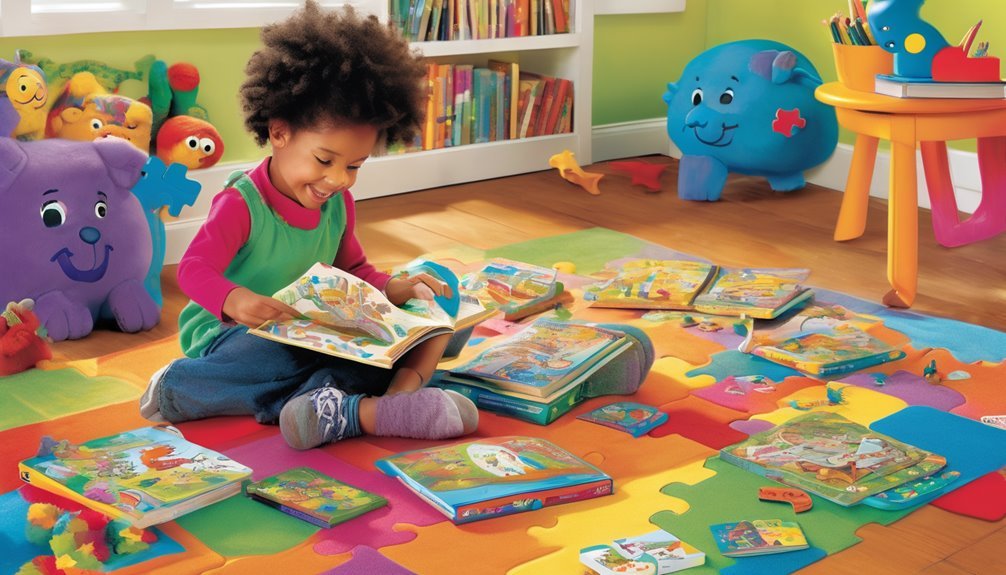
To make educational puzzle books more interactive and fun, consider adding a variety of activities that encourage hands-on participation. Incorporate interactive elements like sensory activities that engage different senses, making learning more immersive.
Use diverse puzzle themes to keep kids excited, from seasonal puzzles to storyline puzzles that spark imagination. Implement reward systems to motivate completion, providing stickers or badges as incentives.
Encourage collaborative challenges where kids can team up to solve puzzles, fostering teamwork and communication skills. For a modern twist, explore digital integration by offering online components or apps that complement the book.
Ways to Use Educational Puzzle Books Effectively in the Classroom?
While puzzle books can enrich your classroom experience, using them effectively requires a bit of strategy. Start by incorporating them into your lesson plans for seamless classroom integration. You might assign specific puzzles that align with your current topics, reinforcing key concepts.
Encourage collaborative learning by having students work in pairs or small groups to solve puzzles together. This fosters discussion and enhances critical thinking skills. Additionally, consider setting up puzzle stations, allowing students to rotate and engage with different types of puzzles.
Finally, use puzzles as a fun way to assess understanding, providing instant feedback. By strategically implementing educational puzzle books, you’ll make learning more engaging and effective for your students.
Top Recommendations for Educational Puzzle Books
Incorporating educational puzzle books into your classroom can spark creativity and critical thinking, but selecting the right ones is key to maximizing their benefits.
Consider exploring various puzzle book genres like crosswords, Sudoku, and logic puzzles. These not only engage kids but also promote cognitive skill development.
For younger students, look for colorful, themed books that mix fun with learning. For older kids, advanced puzzles that challenge their reasoning skills can be beneficial.
Titles like “Brain Quest” and “Highlights Puzzle Mania” offer a mix of fun and educational value.
Strategies for Parents and Educators to Maximize Puzzle Book Benefits
When you dive into the world of educational puzzle books, you’re opening up a treasure trove of opportunities for kids to enhance their learning. To maximize the benefits, encourage your child to practice various puzzle solving techniques. This not only boosts their critical thinking but also fosters creativity.
Incorporating collaborative learning can make puzzles even more engaging. Work on puzzles together, discussing strategies and solutions. This shared experience builds teamwork skills and enhances understanding.
Set aside dedicated time for puzzle-solving sessions, creating a routine that kids look forward to. Lastly, celebrate their achievements, no matter how small. This positive reinforcement keeps them motivated and eager to tackle new challenges, turning puzzle-solving into a fun, enriching adventure.
Frequently Asked Questions
Are Educational Puzzle Books Suitable for Children With Learning Disabilities?
Yes, educational puzzle books can be suitable for children with learning disabilities. Their inclusive design offers engaging challenges, promoting cognitive benefits like problem-solving and critical thinking, helping kids build confidence and essential skills in a fun way.
How Often Should Kids Use Puzzle Books for Best Results?
To maximize puzzle benefits, aim for 15-30 minutes daily. This routine boosts cognitive skills while keeping the experience fun. Short, consistent bursts work better than long sessions, enhancing focus and retention effortlessly.
Can Puzzle Books Replace Traditional Homework Assignments?
Puzzle books can’t fully replace traditional homework assignments, but they offer engaging homework alternatives. By boosting puzzle engagement, they enhance critical thinking and problem-solving skills, making them a valuable supplement rather than a complete substitute.
What Materials Are Best for Creating DIY Puzzle Books?
For DIY puzzle books, use high-quality paper types like cardstock for durability. Consider binding methods like spiral or staple binding for flexibility. These choices ensure your puzzles are both engaging and easy to handle.
Are There Digital Versions of Educational Puzzle Books Available?
Yes, there are plenty of digital versions of educational puzzle books available. These often include interactive features, making learning more engaging. You can explore various digital formats that cater to different interests and skill levels.
Conclusion
So, if you thought educational puzzle books were just glorified paperweights, think again! They’re your secret weapon against boredom, turning your kids into mini Einsteins while keeping them entertained. Who knew solving riddles could rival video games for fun? Grab a few, and watch your kids transform into critical thinkers, problem solvers, and maybe even future rocket scientists. So, get ready to unleash the power of puzzles—because who wouldn’t want their child to outsmart them at their own game?