Did you know that kids who engage with math workbooks regularly score significantly higher in math assessments? These resources not only build essential skills but also make learning enjoyable. With the right workbook, your child can explore math concepts in a fun way that sparks curiosity. Curious about how to choose the best options and maximize their effectiveness? Let’s explore what makes engaging math workbooks so essential for fostering a love of learning.
Why Engaging Math Workbooks Matter for Kids
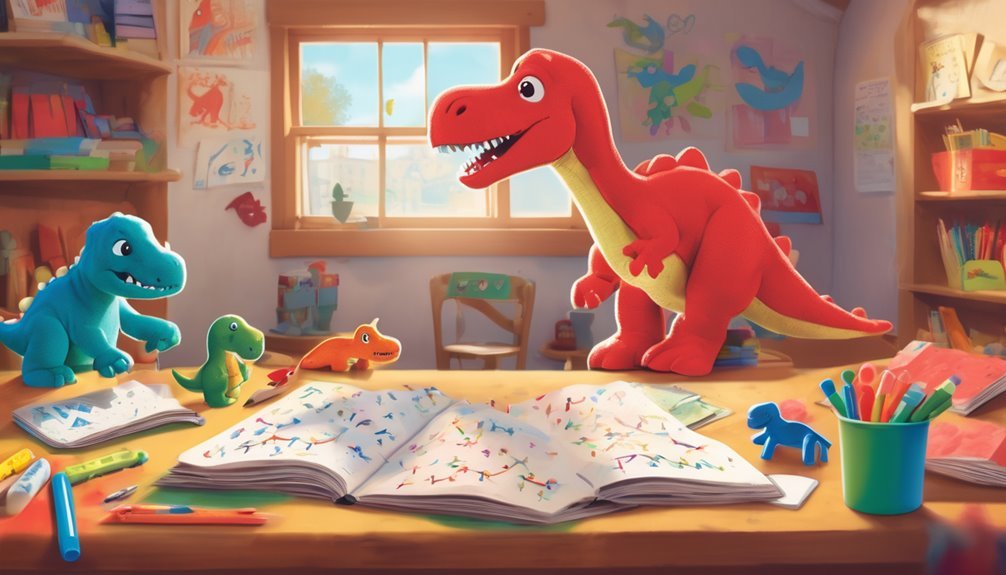
When kids dive into engaging math workbooks, they’re not just solving problems; they’re building essential skills that lay a strong foundation for their future.
The benefits of engagement in these workbooks go beyond mere calculations. They encourage kids to explore, think critically, and develop a love for learning.
As they tackle diverse challenges, they foster positive attitudes toward math, transforming it from a daunting subject into an exciting adventure.
This hands-on approach helps kids see the relevance of math in everyday life, boosting their confidence.
When they feel successful, they’re more likely to persist through tough problems.
Ultimately, engaging math workbooks turn learning into a fun experience, setting the stage for lifelong curiosity and achievement in academics.
Key Features of Effective Math Workbooks
Effective math workbooks share several key features that make learning enjoyable and productive for kids. First, they boast visual appeal, using colorful illustrations and engaging layouts to capture attention. This keeps kids motivated and eager to dive into their tasks.
Additionally, effective workbooks prioritize skill progression, introducing concepts in a logical order that builds confidence. You’ll find exercises that start simple and gradually increase in complexity, helping kids master each topic before moving on.
Clear instructions and varied activities, such as puzzles and games, also enhance understanding and retention. By combining these elements, math workbooks create a supportive environment where kids can thrive while developing their math skills.
Top Math Workbooks for Kids by Age

Finding the right math workbook for your child can make a significant difference in their learning experience.
For younger kids, look for workbooks that focus on foundational skills with age appropriate activities like counting and basic addition. As they grow, choose books that introduce more complex concepts, offering skill building exercises in subtraction and multiplication.
For tweens, consider workbooks that challenge them with fractions and decimals while keeping things engaging.
Finally, for teens, select materials that prepare them for high school math, including algebra and geometry.
These targeted resources not only help to reinforce classroom learning but also boost your child’s confidence in their math abilities.
Each age-specific workbook can spark a love for math that lasts a lifetime!
How Interactive Math Exercises Boost Learning
Interactive math exercises can transform how kids engage with learning, making often daunting concepts feel more approachable. By incorporating hands-on activities, you can spark curiosity and encourage problem-solving skills.
Interactive math exercises make learning fun and accessible, igniting curiosity and enhancing problem-solving skills in children.
When kids actively participate, they retain information better and develop a deeper understanding of math principles.
Digital tools also play a key role in enhancing learning experiences. Apps and online games can make practicing math feel like play, turning challenges into fun adventures.
These resources offer instant feedback, allowing kids to learn from their mistakes without pressure.
Incorporating both hands-on activities and digital tools creates a dynamic learning environment, ensuring your child stays motivated and engaged.
With these interactive exercises, math becomes not just a subject but an exciting journey of discovery.
Fun Themes to Make Math Enjoyable

While many kids might shy away from math, incorporating fun themes can make learning feel like an exciting adventure.
Imagine diving into a magical world filled with colorful illustrations, where each math problem unlocks a new chapter in an engaging story. You could explore outer space, solving alien math puzzles, or venture into the jungle, adding up animals along the way.
These themes not only spark curiosity but also help kids relate math to their interests. By wrapping math concepts in captivating narratives, children are more likely to stay motivated and eager to learn.
Tips for Parents to Maximize Workbook Use
To make the most of engaging math workbooks, parents can take an active role in their child’s learning journey. Here are three tips to enhance workbook routines through parental involvement:
- Set a Schedule: Designate specific times for workbook activities, creating a routine that your child can look forward to each day.
- Be Present: Sit with your child during workbook sessions. Your involvement shows that you value their learning and encourages open communication about any challenges.
- Celebrate Achievements: Acknowledge milestones, no matter how small. Celebrating progress boosts motivation and reinforces a positive attitude toward math.
How to Use Workbooks in Everyday Math Situations?

Incorporating math workbooks into everyday situations can make learning feel natural and relevant. You can start by turning grocery shopping into a math adventure. Have your child calculate the total cost of items or find discounts.
During meal prep, ask them to measure ingredients, reinforcing fractions and volume. Use workbooks for daily practice by setting aside a few minutes each day. Choose tasks that relate to real-life applications, like budgeting for a family outing or planning a small garden.
Encourage your child to see math as a tool they use every day, not just in school. This way, they’ll develop confidence and a deeper understanding, making math both fun and practical!
Frequently Asked Questions
How Do I Choose the Right Workbook for My Child’s Skill Level?
Start with a skill assessment to identify your child’s strengths and weaknesses. Then, explore workbook variety matching those skills. Look for engaging content that challenges yet supports them, ensuring enjoyable learning experiences along the way.
Can Math Workbooks Replace Traditional Classroom Learning?
Math workbooks can’t fully replace traditional classroom learning, but they enhance workbook effectiveness when integrated into lessons. They provide practice and reinforcement, supporting your child’s understanding while complementing teacher-led instruction for a balanced approach.
What Age Is Too Late to Start Using Math Workbooks?
It’s never too late to start using math workbooks. Addressing math anxiety and bridging learning gaps can happen at any age. You’ll find that practice boosts confidence and understanding, making math more approachable for you.
Are Digital Math Workbooks as Effective as Printed Ones?
Digital math workbooks can be just as effective as printed ones, offering unique advantages like instant accessibility and interactive features. You’ll find they engage kids well, making learning both fun and efficient.
How Do I Motivate My Child to Use Math Workbooks Regularly?
To motivate your child, mix math workbooks with fun math games. Celebrate their progress with positive reinforcement, like small rewards or praise. Making learning enjoyable helps build their confidence and encourages regular practice.
Conclusion
So, if you think math workbooks are just boring sheets of paper, think again! These colorful pages are your secret weapon in turning math into a fun adventure. With the right workbook, your child won’t just learn numbers—they’ll discover a world of possibilities. Who knew that solving equations could be as thrilling as a treasure hunt? Embrace these engaging tools, and watch your child’s confidence and love for math blossom in ways you never imagined!