
Coloring isn’t just a fun pastime for kids; it’s a powerful tool for their development. As you watch them mix colors and fill pages, you’ll notice how this creative outlet sharpens their decision-making skills and enhances fine motor abilities. But the benefits go beyond skills—coloring can also nurture emotional well-being. Curious about how you can further enrich this experience? Let’s explore the many dimensions of coloring together.
Cognitive Benefits of Coloring for Kids
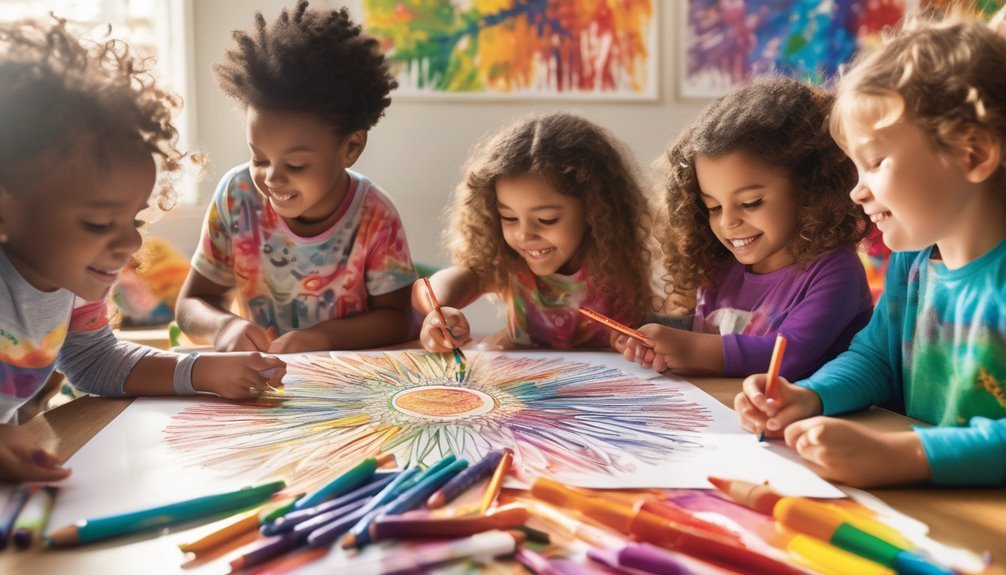
When you encourage kids to color, you’re not just giving them a fun activity; you’re also boosting their cognitive development. Engaging with colors helps children understand color theory, which lays a foundation for visual learning.
As they mix and match hues, they enhance their decision-making skills and learn about relationships between colors. Plus, coloring fosters imaginative expression, allowing kids to bring their unique visions to life.
This creative outlet encourages critical thinking as they choose colors and shapes, promoting problem-solving abilities. By integrating coloring into their routine, you’re nurturing their creativity while supporting their cognitive growth.
How Coloring Supports Fine Motor Skills
Coloring is a fantastic way to boost your child’s fine motor skills. When your little one engages in coloring exercises, they’re not just having fun; they’re also enhancing grip development. As they hold crayons or markers, they learn to control their movements, which is vital for tasks like writing and buttoning shirts.
Additionally, coloring improves hand-eye coordination as they focus on staying within the lines and mixing colors. This practice helps them develop the precision needed for more complex activities.
Plus, allowing your child to express their creativity through artistic expression encourages confidence and individuality. So, grab some coloring books and let your child dive into a world of color while building those essential skills!
How to Use Different Coloring Techniques Effectively
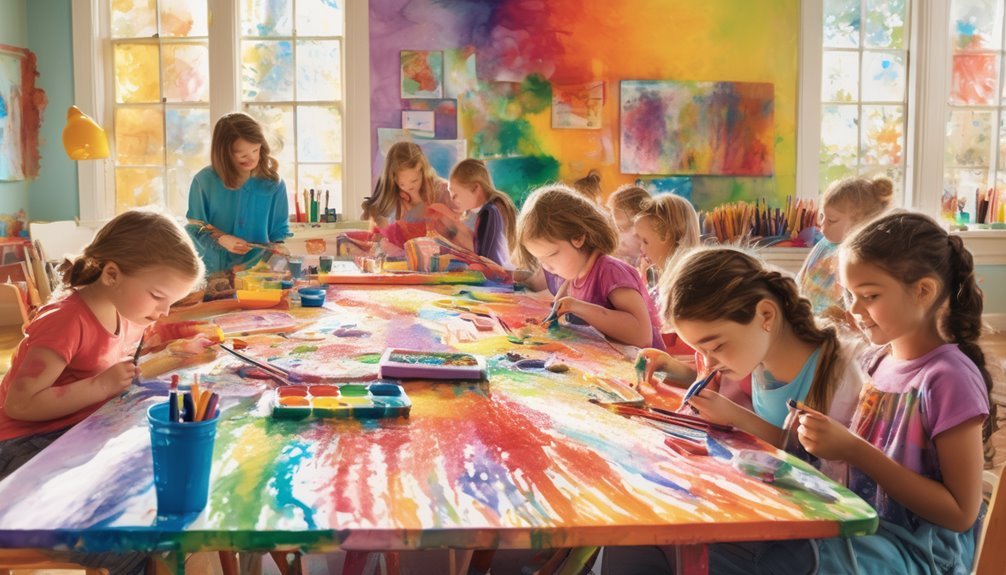
Engaging with various coloring techniques can elevate your child’s artistic journey while further enhancing their motor skills.
Encourage them to experiment with color blending techniques, like layering different hues to create vibrant transitions. This not only adds depth but also fosters creativity.
Introduce shading methods, such as using lighter and darker shades of the same color to give dimension to their artwork. Show them how to hold the crayon or pencil at different angles for varied effects.
As they practice these techniques, celebrate their progress and creativity.
Let them explore freely, and you’ll witness their confidence grow alongside their skills. With your support, coloring becomes not just an activity, but a delightful exploration of art and expression.
Emotional Benefits of Coloring
While exploring the world of colors, your child can experience a range of emotions that contribute to their overall well-being. Coloring isn’t just a fun activity; it serves as a form of color therapy.
When your child picks up those vibrant crayons, they’re tapping into a powerful tool for emotional expression. Each hue can evoke different feelings, helping them to process joy, frustration, or even sadness.
As they fill in those blank spaces, they learn to express themselves creatively, which can boost their confidence and reduce anxiety. Plus, it provides a calming effect, allowing them to focus and unwind.
Choosing the Best Coloring Tools for Children
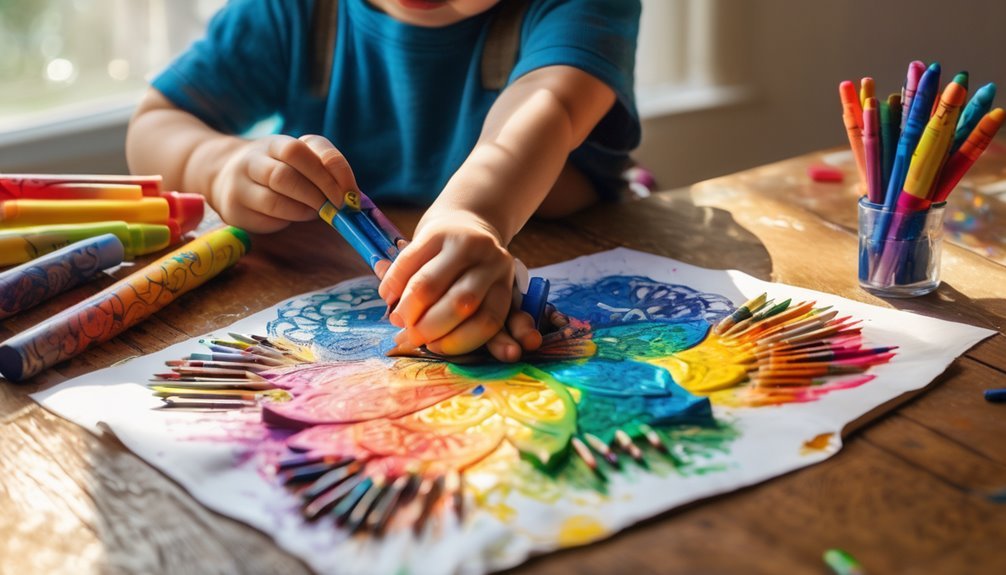
As your child enjoys the emotional benefits of coloring, selecting the right tools can enhance their creative experience. When choosing coloring tools, consider color safety and age appropriateness. Look for washable options to keep messes at bay.
Here’s a quick guide to help you choose:
| Feature | Importance | Examples |
|---|---|---|
| Tool Variety | Encourages artistic expression | Crayons, markers, pastels |
| Texture Variety | Enhances sensory experience | Smooth, textured, chunky |
| Ergonomic Design | Supports comfort and grip | Triangular crayons, soft grips |
Innovative Coloring Ideas to Inspire Creativity
Coloring can become an exciting adventure when you introduce innovative ideas that spark your child’s imagination. Try using coloring prompts that challenge them to think outside the box. For instance, instead of a typical sunset, ask them to color a sunset in their favorite colors. This encourages creativity and personal expression.
Incorporate theme-based coloring sessions, like “Under the Sea” or “Outer Space.” You can provide images related to these themes and let their imaginations run wild.
Encourage storytelling by asking them to create a narrative around their artwork. This not only boosts their creativity but also enhances their communication skills.
Incorporating Coloring Into Daily Learning Activities
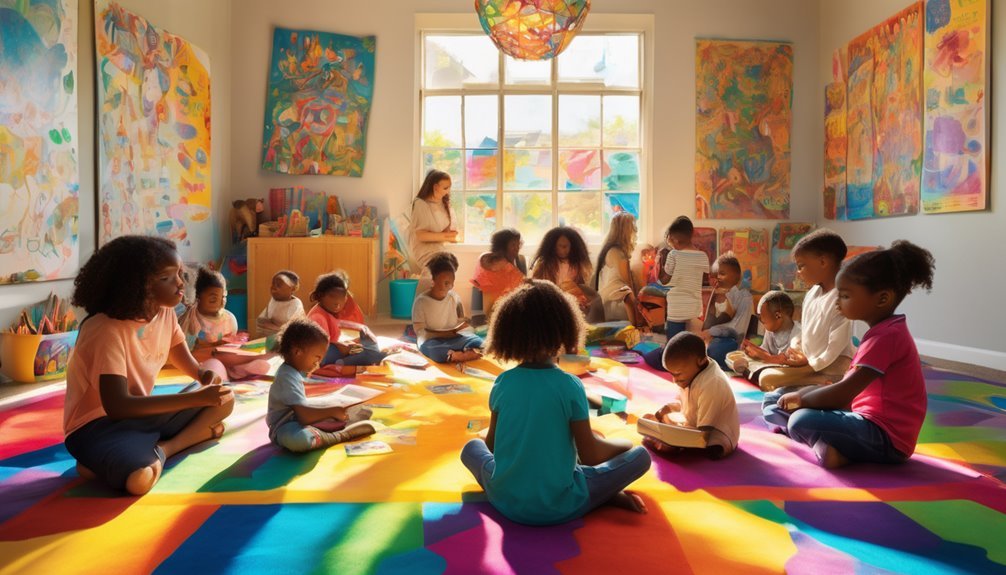
Integrating coloring into daily learning activities can transform routine lessons into vibrant, engaging experiences. By incorporating coloring, you can enhance various educational themes and keep kids excited about learning.
Here are some ways to include coloring in your lessons:
- Coloring games that reinforce math or language skills
- Story integration where kids color scenes from a book
- Seasonal coloring to explore nature and holidays
- Themed projects that encourage art collaboration
- Interactive worksheets with coloring prompts for deeper engagement
These techniques not only boost color recognition but also foster creativity and critical thinking.
You’ll find that kids are more motivated when they can express themselves through art while learning!
Creating a Positive Coloring Environment
A vibrant and inviting space can make all the difference when it comes to coloring activities. To create a positive coloring atmosphere, start by setting up a distraction-free space.
Choose a well-lit area where your child can focus, away from noisy distractions like TVs or electronic devices. Add colorful decorations or inspiring artwork to spark creativity.
Provide a comfortable chair and a sturdy table, making it easy for them to engage in their artwork. Stock up on a variety of coloring supplies—crayons, markers, and colored pencils—so they can explore their imagination freely.
Encourage your child to express themselves without judgment, fostering a sense of confidence. With the right environment, coloring can become an enjoyable and enriching experience!
How to Overcome Common Coloring Challenges
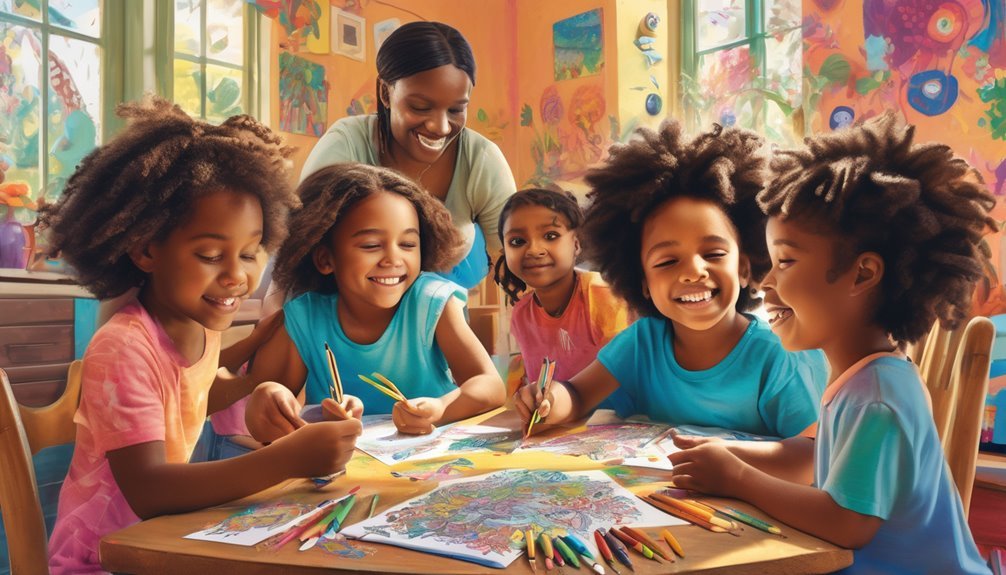
Navigating common coloring challenges can be a rewarding journey for both you and your child. When frustration arises, it’s essential to keep the coloring motivation high.
Here are some tips to help overcome those hurdles:
- Set Realistic Goals: Start with simple designs to build confidence.
- Encourage Experimentation: Let your child explore colors freely without worrying about “staying in the lines.”
- Celebrate Progress: Acknowledge their efforts, no matter how small.
- Create a Routine: Establish a dedicated coloring time to make it a fun habit.
- Stay Positive: Remind them that mistakes are part of learning.
Coloring as a Social Activity for Kids
While coloring may seem like a solitary activity, it can actually become a vibrant social experience for kids. Imagine hosting coloring parties where children gather, share crayons, and exchange ideas.
These gatherings not only spark creativity but also foster friendships. Collaborative projects, like a giant mural, encourage teamwork and communication, letting kids learn to appreciate each other’s styles.
When kids color together, they share laughter and stories, transforming a simple pastime into cherished memories. Plus, you’ll notice their confidence grow as they express themselves in a group setting.
Frequently Asked Questions
What Age Is Best to Introduce Coloring to Children?
You can introduce coloring around age two, as it aligns with developmental milestones. It fosters creativity, improves motor skills, and enhances focus. Engaging in coloring helps your child’s cognitive and emotional growth, making it a fun learning experience.
Can Coloring Help With ADHD Symptoms in Kids?
Coloring’s like a gentle breeze, calming and focused. It can enhance ADHD management by improving concentration and fine motor skills. You’ll find coloring benefits can create a soothing rhythm, helping your child express themselves creatively.
How Can Parents Encourage Their Child’s Coloring Interest?
You can encourage your child’s coloring interest by introducing various coloring techniques. Provide diverse materials and promote creative expression. Celebrate their efforts, and engage in coloring together to foster a joyful, supportive environment for their imagination.
What Are the Best Coloring Books for Toddlers?
For toddlers, “The Very Hungry Caterpillar Coloring Book” is fantastic. It combines favorite themes and encourages coloring techniques like shading. You’ll see their creativity flourish as they explore colors and enhance motor skills through fun pages.
Are There Any Online Coloring Resources for Children?
Yes, there are fantastic online coloring resources for children! Explore various coloring apps that offer digital coloring pages, interactive features, and creative tools, making it easy for your child to enjoy vibrant artistic experiences anytime.
Conclusion
In the colorful world of creativity, coloring isn’t just play—it’s a powerful tool for growth. By embracing this joyful activity, you’re not only nurturing your child’s imagination but also helping them develop essential skills that will last a lifetime. So grab those crayons and let your little one’s creativity soar! Remember, every stroke of color is a step toward self-expression and confidence. Dive into the fun, and watch your child’s world become a vibrant masterpiece!