
Have you considered the impact of fun puzzle books in your classroom? These engaging tools can transform your lessons, making them more interactive and enjoyable for students. By incorporating puzzles, you not only cater to different learning styles but also enhance critical thinking skills. Curious about how to choose the right puzzles and integrate them effectively? Let’s explore the benefits and strategies that can elevate your teaching approach.
The Benefits of Puzzle Books in the Classroom
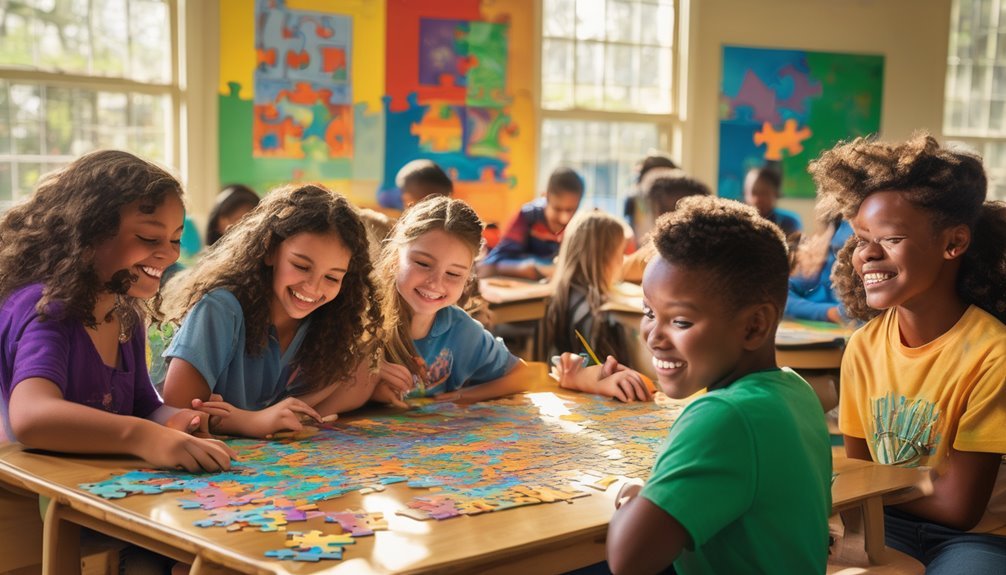
When you introduce puzzle books into your classroom, you’re not just providing a fun activity; you’re also enhancing critical thinking skills among your students.
These engaging tools promote cognitive development by challenging learners to think logically and creatively. As they tackle various puzzles, you’ll notice a significant boost in their problem-solving skills.
Moreover, the fun nature of these activities offers stress relief, allowing students to unwind while learning. This balance keeps them focused and fosters student engagement, making learning enjoyable.
By incorporating puzzle books, you create an environment where creativity thrives, and students feel motivated to explore new ideas.
Ultimately, the benefits extend beyond mere entertainment, nurturing essential skills for their future success.
Choosing the Best Puzzle Books for Your Students
Selecting the right puzzle books for your students can significantly enhance their learning experience. Start by considering student interests and age appropriateness.
Choose books that match various skill levels to ensure every student feels challenged yet capable. Align the puzzles with your learning objectives to reinforce the curriculum effectively.
Explore different puzzle formats—crosswords, Sudoku, and logic puzzles—to cater to diverse preferences. Think about thematic relevance; books tied to current topics can boost engagement and curiosity.
Lastly, incorporate engagement strategies, like group challenges or individual competitions, to foster classroom dynamics.
Popular Puzzle Types for Classroom Engagement
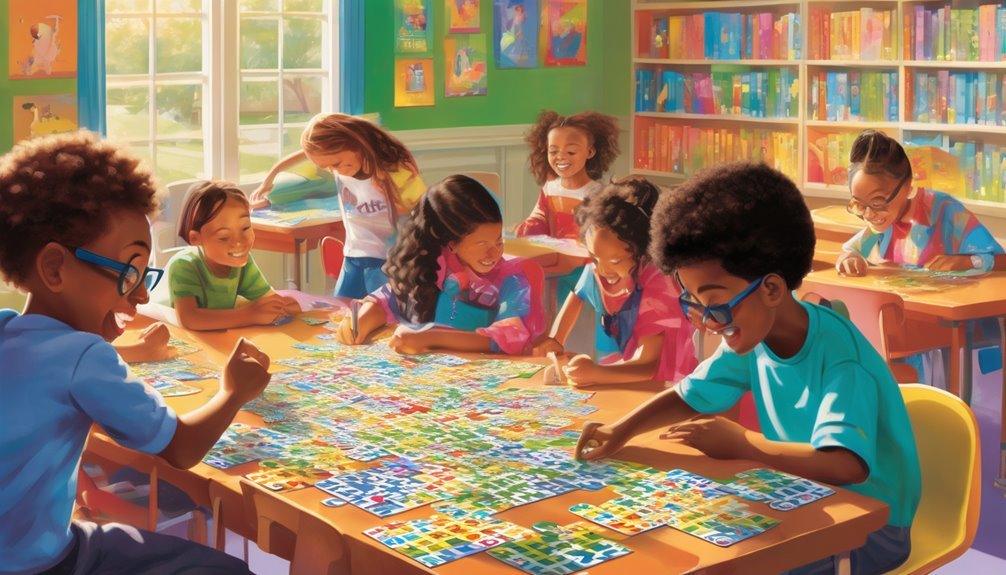
While many puzzle types can spark interest, certain formats stand out for enhancing classroom engagement. Crossword diversity is one of those formats; it not only challenges students’ vocabulary and spelling but also encourages teamwork as they collaborate to fill in the blanks.
Logic puzzles, on the other hand, stimulate critical thinking and problem-solving skills. They present scenarios that require students to analyze information and draw conclusions, making them ideal for developing analytical skills.
Incorporating these puzzles into your activities can create a lively atmosphere, where students feel motivated to participate and learn. By mixing different puzzle types, you’ll keep your classroom dynamic and engaging, catering to various learning styles and interests.
Integrating Puzzle Books Into Lesson Plans
These activities can significantly boost student motivation, encouraging them to approach challenges with enthusiasm.
Additionally, puzzles can improve classroom dynamics, fostering collaboration as students work together to solve problems.
Facilitating Puzzle Challenges in Your Classroom
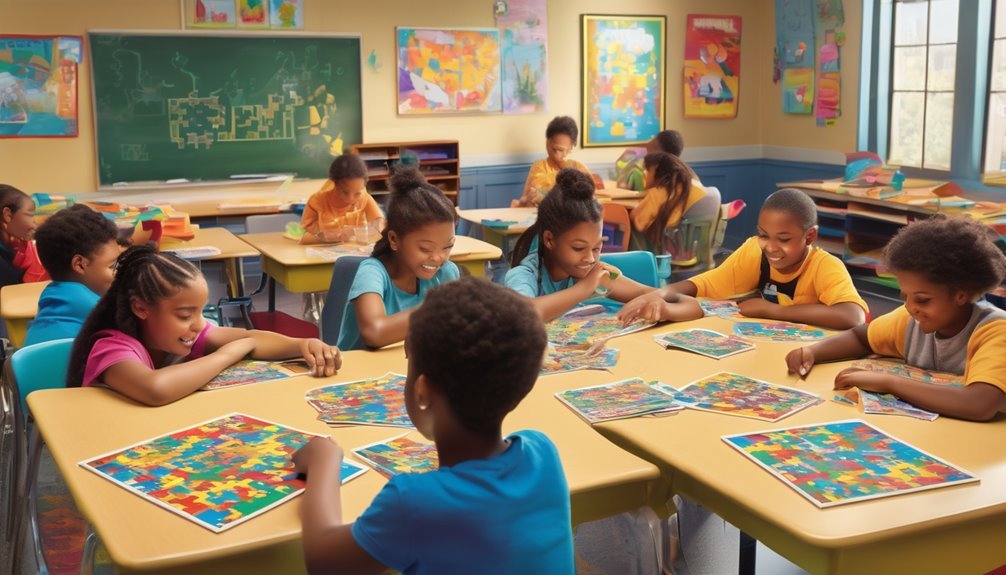
To successfully facilitate puzzle challenges in your classroom, you’ll want to create an environment that encourages teamwork and critical thinking. Start with brainstorming sessions where students can share ideas and strategies. This not only fosters collaboration but also builds problem-solving skills. You can organize puzzle competitions, where teams compete to solve challenges within a set time.
Here’s a quick overview of how to implement these activities:
| Activity Type | Description |
|---|---|
| Brainstorming Session | Gather ideas for puzzles |
| Team Selection | Choose diverse skill sets |
| Puzzle Creation | Design custom puzzles together |
| Competition Setup | Establish rules and time limits |
| Reflection | Discuss strategies post-competition |
Engaging students in these ways makes learning fun and dynamic!
Teamwork Activities With Puzzle Books
When you incorporate puzzle books into teamwork activities, you create an engaging way for students to collaborate and sharpen their problem-solving skills.
These activities can enhance group dynamics and foster a sense of community in the classroom. Here are three effective teamwork activities using puzzle books:
- Puzzle Relay: Divide students into teams and give each team a different puzzle. They must work together to complete it in a timed relay format.
- Collaborative Crossword: Create a large crossword puzzle that requires input from every team member to fill in the answers.
- Mystery Maze: Present a maze where each student has a role in guiding the team through the solution, promoting collaborative problem solving.
These activities not only build teamwork but also make learning fun!
Where to Find the Best Puzzle Books for Classrooms

Wondering where to find the best puzzle books for your classroom? Start by exploring online retailers like Amazon or Barnes & Noble, where you can discover a wide selection.
Don’t overlook local bookstores, which often carry unique titles that cater to your students’ interests. Educational publishers also offer great resources, focusing on curriculum-related puzzles.
Check out library collections for free access to a variety of puzzle books that can spark creativity. If you want a constant flow of new material, consider subscription services that deliver fresh puzzles right to your door.
Finally, digital platforms provide interactive options, letting students engage with puzzles in a modern way. These resources can transform your classroom into a fun, learning-filled environment!
Frequently Asked Questions
How Do Puzzle Books Cater to Different Learning Styles?
Puzzle books cater to different learning styles by incorporating visual learning through images, fostering critical thinking with challenging tasks, encouraging auditory engagement via read-aloud activities, and providing hands-on activities that enhance understanding and retention.
Can Puzzle Books Be Used for Remote Learning?
Yes, puzzle books can enhance remote learning. They provide effective engagement strategies, boosting student motivation. By incorporating puzzles into online lessons, you create interactive experiences that keep students focused and eager to learn.
What Age Groups Benefit Most From Puzzle Books?
Kids ages 5 to 10 benefit most from puzzle books, as studies show engaging activities boost cognitive development by 30%. Tailoring puzzles to their age appropriateness ensures they remain challenged and excited to learn.
Are There Digital Versions of Puzzle Books Available?
Yes, there are digital versions of puzzle books available. These often include interactive features, making solving puzzles more engaging. You can easily access them on various devices, enhancing your puzzle-solving experience anytime, anywhere.
How Often Should Puzzle Books Be Incorporated Into Lessons?
You should integrate puzzle books into lessons regularly, ideally weekly. This frequency keeps students engaged and reinforces learning. Mix puzzles with other activities to balance lesson integration, ensuring they enhance, not distract from, core concepts.
Conclusion
Incorporating fun puzzle books into your classroom can boost student engagement by up to 50%! By choosing the right puzzles and integrating them into your lesson plans, you create an enjoyable learning environment that fosters teamwork and critical thinking. So why not give your students a break from traditional methods and watch them thrive? With the right puzzles in hand, you’ll inspire creativity and collaboration, making learning not just effective but also a whole lot of fun!