
If your kids keep forgetting who feeds the dog or wipes the table, a free printable chore chart can give your family a simple system to follow. You can match tasks to each child’s age, choose a layout that fits your routine, and make responsibilities clear without adding extra stress. The right chart can also help you build better habits, but the best way to set one up depends on a few key details.
Key Takeaways
- Free printable chore charts help families organize household tasks with ready-made, downloadable templates.
- They include names, tasks, days, and checkboxes for clear assignment and tracking.
- Chore charts build routine, responsibility, teamwork, and accountability for children.
- Choose simple, family-friendly designs with color coding, icons, or magnets for easy use.
- Match chores to children’s ages and keep motivation high with rewards and personalized charts.
What Are Free Printable Chore Charts?

Free printable chore charts are ready-made templates you can download, print, and use to organize household tasks for your family. You can choose layouts that fit your space, routines, and kids’ ages.
These charts often include columns for names, tasks, days, and checkboxes, so you can assign work clearly and track completion at a glance. When you review chore chart benefits, you’ll see they save time, reduce guesswork, and help you keep expectations consistent.
Many sites offer creative designs, from simple grids to colorful themes, so you can match your home’s style without extra effort. You can also personalize a chart before printing, which gives you control while keeping setup fast, practical, and easy to maintain.
Why Chore Charts Help Families
Chore charts help families turn daily tasks into a clear routine, so everyone knows what needs to happen and when. You reduce confusion, improve time management, and create space for family bonding through shared effort.
When you assign chores with age appropriateness in mind, you support responsibility building without overwhelming anyone. You can mix task variety to keep the plan practical and engaging, while positive reinforcement helps each person stay motivated.
Over time, your family learns teamwork skills, because everyone contributes to the household goal. Chore charts also teach accountability lessons in a low-stress way: you see what got done, what needs attention, and how to adjust.
With consistent use, you build habits that make home life smoother, fairer, and more organized for everyone.
Choose the Right Chore Chart Style
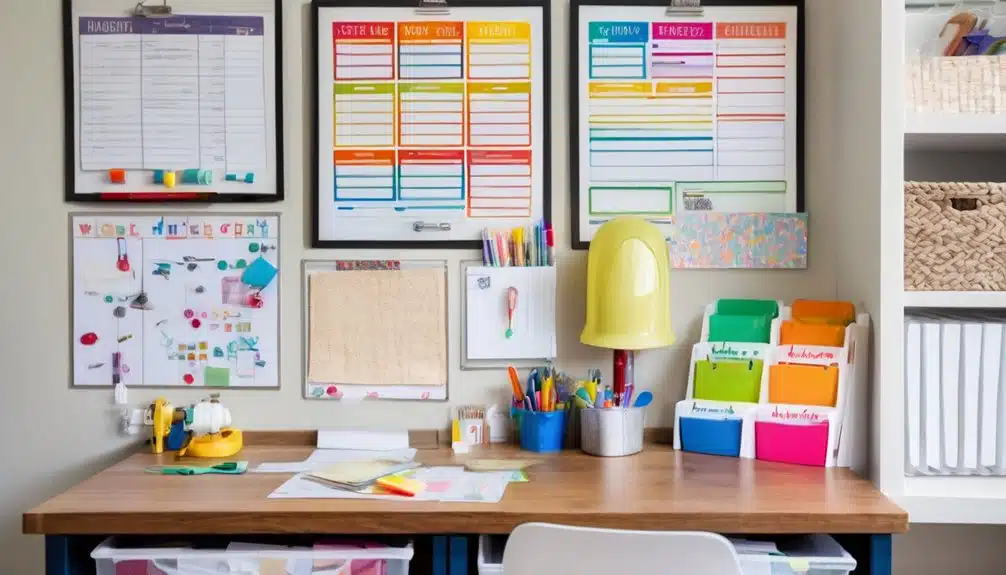
The best chore chart style is the one your family will actually use, so start by matching the format to your household’s age range, schedule, and habits.
Pick a layout that fits your visual preferences and keeps daily expectations obvious at a glance.
- Use a grid for recurring tasks
- Choose magnets for quick updates
- Try color coding for clarity
- Add icons for fast recognition
- Keep design elements simple and consistent
If your family checks a wall each morning, a poster works well. If you’re often on the move, a clipboard or digital printout may be better.
You want the chart to reduce friction, not create it. Test one style for a week, then adjust spacing, labels, and tracking so it feels effortless to maintain.
Free Printable Chore Charts by Age
Once you’ve picked a chart style that fits your home, you can save time by using age-based printable chore charts that match what kids can realistically handle. You’ll find age appropriate chores easier to assign when you compare skill, attention span, and confidence. Creative chart designs can make the work feel doable, not overwhelming.
| Age | Chore Type | Example |
|---|---|---|
| 3–5 | Simple | Put toys away |
| 6–8 | Routine | Set table |
| 9–11 | Independent | Load dishwasher |
| 12–14 | Shared | Laundry folding |
| 15+ | Complex | Meal prep |
Use the table to guide expectations, then print a chart that fits each child. When you align tasks with maturity, you reduce friction and build follow-through.
Set Up Your Family Chore Chart
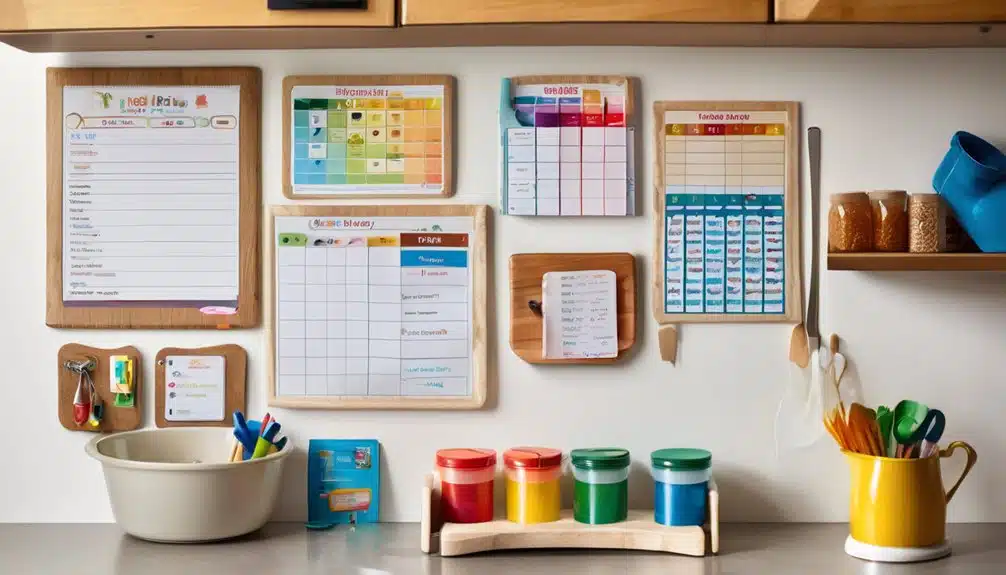
Start by choosing one chart that everyone in your family can actually use, then decide where it will live and how often you’ll update it.
Put it where routines already happen, like the kitchen or mudroom, so it stays visible.
Next, map family roles clearly and assign tasks with precise task delegation, so nobody guesses what to do.
Keep entries short and concrete.
- List daily chores
- Match tasks to age and skill
- Write names beside each task
- Set a weekly review time
- Leave space for swaps and notes
You’ll reduce confusion when expectations stay simple and consistent.
If your chart feels crowded, trim it until each person can read it fast and act without asking.
Keep Kids Motivated With Chore Charts
A little encouragement goes a long way when you want kids to stick with a chore chart. You can boost effort with clear incentive rewards, such as extra screen time, a favorite snack, or choosing a family game.
Highlight teamwork benefits so your kids see chores as shared success, not punishment. Give each child task ownership by letting them pick or decorate their jobs, which strengthens responsibility building.
Use fun designs that match their interests, because appealing visuals keep the chart from feeling boring. Most importantly, make tracking progress simple and visible; a checkmark or sticker lets kids see wins at a glance.
When you praise effort and consistency, you help kids connect chores with confidence, cooperation, and steady growth.
Make Chore Charts Part of the Routine
If you want chore charts to actually work, weave them into your family’s daily rhythm so they feel natural instead of optional. Place the chart where you already gather, then review it at the same time each day. That consistency turns chores into a family routine, not a battle.
You’ll notice the chore chart benefits faster when everyone expects the same check-in.
- Morning: confirm assignments
- After school: reset shared spaces
- Before dinner: quick progress check
- After dinner: complete final tasks
- Bedtime: mark done and prep tomorrow
When you repeat this pattern, you reduce reminders, build accountability, and make follow-through easier.
Keep it simple, steady, and visible, and your system will grow stronger every week.
Frequently Asked Questions
Can I Customize Chore Charts With My Family’s Names and Colors?
Yes, you can customize chore charts with your family’s names and colors. Use a custom design that fits your family preferences, so you’ll boost clarity, ownership, and consistency while making routines feel personal and motivating.
Are Printable Chore Charts Better Than App-Based Chore Trackers?
Printable chore charts often beat app-based trackers: like a visible roadmap, they boost family bonding, support motivation techniques, and sharpen time management. You’ll still gain digital convenience with reminders, but paper keeps chores tangible and shared.
Where Can I Find Free Chore Chart Templates for Multiple Kids?
You can find free chore chart templates for multiple kids on Canva, Pinterest, and parenting blogs. Compare chore chart styles, then choose one that supports family involvement and lets you customize tasks, colors, and names easily.
How Often Should I Update a Family Chore Chart?
You should update your family chore chart weekly, like tuning a compass. That chore chart frequency keeps chores fair and current. Use updating strategies after schedule changes, missed tasks, or new responsibilities so everyone stays on track.
Can Chore Charts Include Rewards or Allowance Tracking?
Yes—you can add rewards or allowance tracking to your chart. You’ll motivate kids with chore incentives, track progress clearly, and adjust goals fairly. Keep rewards simple, consistent, and tied to completed tasks.
Conclusion
Free printable chore charts can turn daily chaos into a well-tuned family rhythm. When you choose a chart that fits your crew, you give each child a clear lane to follow, like stepping stones across a busy stream. Keep it simple, age-appropriate, and consistent, and you’ll build habits that stick. Over time, chores won’t just get done—they’ll help your home feel lighter, stronger, and more connected, one checked box at a time.