If you’re juggling school runs, meals, appointments, and a dozen shifting priorities, a free weekly planner can help you bring order to the chaos. You can use it to map out your week, set simple goals, and keep your family on the same page without extra stress. The right tool doesn’t just track tasks—it gives you a clearer way to manage your time, and a few small choices can make all the difference.
Key Takeaways
- Free weekly planner tools help moms organize appointments, tasks, and family commitments in one simple view.
- Good planners include daily sections, time blocking, and space for weekly goals and priority tasks.
- Color-coding and reminders make it easier to manage family schedules at a glance.
- Meal planning features help moms save time, reduce stress, and keep grocery shopping organized.
- Shared family calendars improve communication and prevent missed events or last-minute surprises.
Free Weekly Planner Tools That Fit Busy Schedules

When your week feels packed from morning drop-offs to bedtime routines, free weekly planner tools can help you stay organized without adding extra work. You can use a printable template, a shared digital calendar, or a simple notes app to improve time management and family coordination.
Choose one tool and build a repeatable rhythm: map appointments, assign chores, and block focused work time. That structure supports stress reduction because you’re not guessing what comes next.
Add short goal setting prompts each Sunday so you keep priorities visible. Use productivity tips like color-coding, reminders, and recurring tasks to stay on track.
Strong organization techniques work best when they fit your real life, so pick a planner you’ll actually open every day and trust.
What to Look for in a Weekly Planner
A good weekly planner should make your life easier, not busier, so look for one that matches how you actually manage your time.
Choose a layout that gives you enough space for appointments, family tasks, and personal goals without feeling cramped. If you prefer visual control, pick a planner with clear daily sections and room for time blocking.
If you think in outcomes, choose one that supports priority setting at the start of each week. You’ll also want flexibility: some weeks need detailed scheduling, while others need broad planning.
Look for simple, readable design, durable formatting, and sections that help you track commitments fast. The right planner should help you stay focused, reduce mental clutter, and make confident decisions every day.
How to Set Up Your Weekly Planner Fast

Start by keeping your setup simple so you can begin using the planner right away. Pick one weekly spread, then block in fixed appointments, family commitments, and deadlines first.
Next, use prioritization techniques to rank your top three tasks each day. This keeps your time management clear and helps you focus on what matters most.
Add quick goal setting notes for the week, then build repeatable routine building cues for mornings, afternoons, and evenings. Use color coding or short labels as organization strategies that save time.
These productivity tips support stress reduction because you’ll always know your next step. Keep your planning mindset flexible, and review your planner every Sunday so you can adjust fast without losing momentum or mastery.
Meal Planning Ideas for a Smoother Week
Meal planning can make your week feel far more manageable, especially when you pair it with your planner. Start by choosing family favorites and a few time-saving recipes, then build your meal prep around what you already have.
Use this simple system:
- Write grocery lists by aisle.
- Match each dinner with healthy choices.
- Set up snack planning and portion control for grab-and-go options.
When you keep kitchen organization tight, you waste less time and cut decision fatigue. You’ll also spot gaps before they become problems, which helps you stay consistent without overthinking every meal.
Aim for repeatable structure, not perfection. A smart plan gives you flexibility, reduces stress, and helps you serve balanced meals all week.
Family Calendar Hacks That Keep Everyone Aligned
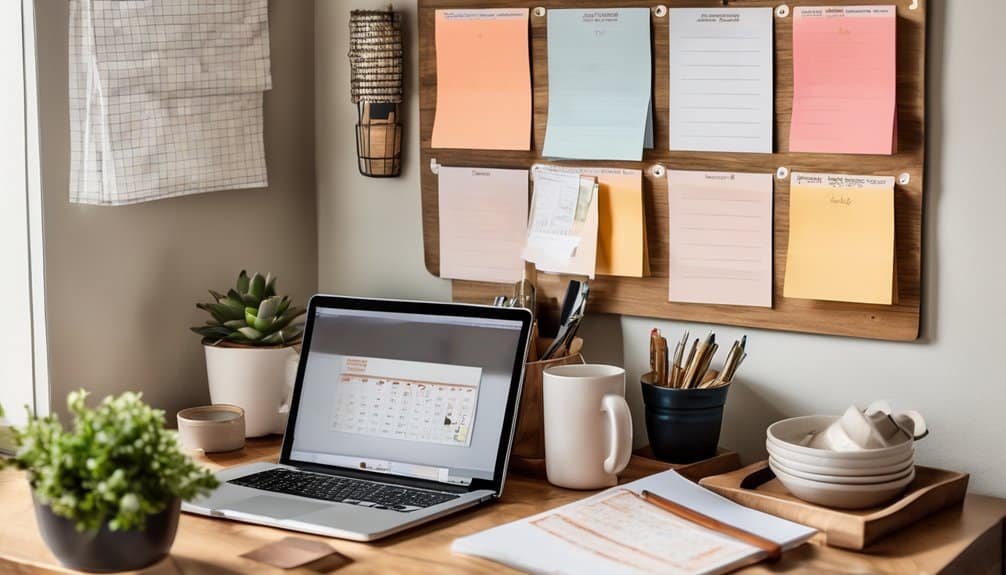
Keeping everyone on the same page gets easier when you give your family one shared calendar and use it consistently. You’ll strengthen family communication by posting events, deadlines, and practices in one place, then reviewing it at a set time each week. Use simple scheduling strategies like color-coding each person, adding reminders for travel time, and blocking recurring routines first.
| Hack | Benefit | Best Use |
|---|---|---|
| Color labels | Fast visual scan | Each family member |
| Weekly review | Prevents surprises | Sunday night |
| Time blocks | Protects routines | Busy weekdays |
When you update the calendar right away, you cut down on last-minute questions and keep plans visible. Choose one place, one routine, and one habit you can maintain.
Free Weekly Planner Templates for Paper and Digital Use
If you want a planner that fits your family’s rhythm without costing extra, free weekly planner templates can give you a simple place to map out school runs, work shifts, chores, and appointments.
Choose digital templates for quick edits, or print paper options when you want a visible command center. Use these customization tips to match your week:
- Add color codes for each person.
- Pick aesthetic designs that stay easy to scan.
- Keep one page for priorities and one for errands.
These organization strategies sharpen time management and create productivity boosts without adding clutter.
When you invite family involvement, you’ll reduce last-minute surprises and keep everyone accountable. With the right template, you can build a system that feels polished, flexible, and ready for real life.
Simple Habits That Make Planning Stick
Planning works best when you make it part of your routine, not a one-time reset. Use consistency strategies like the same planning time each Sunday and visual reminders on your fridge or phone. Pair goal setting with time blocking so your week has clear priorities, then track habits to spot what’s slipping.
| Habit | Why It Helps | Easy Start |
|---|---|---|
| Reflection practices | You learn what worked | Review Friday night |
| Reward systems | You stay motivated | Add a small treat |
| Accountability partners | You follow through | Text a friend weekly |
Keep it simple, adjust as needed, and don’t aim for perfect. When you repeat the process, planning becomes easier, faster, and more reliable for you each week.
Frequently Asked Questions
How Can I Use a Planner With Toddlers Around?
Use a small, visible planner and write during nap time or beside your kids. You’ll build planning routines by expecting toddler distractions, keeping entries short, and reviewing daily so you stay flexible, calm, and in control.
Which Planner Works Best for Home and Work Tasks?
You’ll usually master home and work with digital planners if you need flexibility, while paper planners suit quick visibility; blend task prioritization and time blocking like gears in a clock, and you’ll stay organized, focused, and confident.
Can I Share a Weekly Planner With My Partner?
Yes, you can share a weekly planner with your partner. Use shared calendars to track tasks, appointments, and deadlines, and follow communication tips so you both stay aligned, reduce confusion, and manage responsibilities smoothly.
What if I Forget to Update My Planner Daily?
You’ll miss updates, but you can recover quickly. Set a daily reminder, review yesterday’s tasks, and add today’s priorities. That keeps planner motivation strong, improves time management, and helps you stay organized and confident.
How Do I Keep Planning Simple During Busy Weeks?
You keep planning simple by choosing three priorities, blocking only must-do tasks, and reviewing your week once. Use time management tips and digital planner options to cut decisions, protect focus, and stay flexible.
Conclusion
You can make your week feel lighter when you use free weekly planner tools that match your routine. Think of it like tuning a piano: one loose string can throw off the whole song. In one small family survey, moms who planned meals and appointments ahead reported less last-minute stress. When you set up your planner, keep it simple, review it daily, and let it support you—not control you.