
Like a coach at the final lap, you can help kids turn rough drafts into clear writing by starting with a simple read-aloud. You’ll spot missing words, awkward phrases, and tangled sentences faster that way. Then use a short checklist to tackle one fix at a time, from spelling to punctuation, while giving calm, helpful feedback that builds confidence and makes the next draft stronger.
Key Takeaways
- Read the whole draft first to understand the big picture before making changes.
- Have kids read their writing aloud to catch missing words, awkward phrases, and run-on sentences.
- Focus on one editing area at a time, like spelling, capitalization, punctuation, or organization.
- Use a simple checklist and group similar ideas to improve clarity and flow.
- Give kind, specific feedback that highlights one strength and one clear next step.
How to Edit Kids’ Writing Step by Step

When you help kids edit their writing, start with the big picture: read the piece all the way through to make sure it makes sense, then look at one thing at a time, like spelling, punctuation, and sentence flow.
Next, guide them to spot one type of error before moving on. You can use a simple checklist so they know what to fix first and what to leave for later.
During peer editing, teach them to give kind, specific feedback, not just say, “It’s good.” Try editing games to keep practice focused and lively, like hunting for commas or matching sentences to details.
Finish by asking kids to make changes, reread the draft, and check that each edit improves clarity.
Read the Draft Out Loud First
Have kids read their draft out loud before they start making changes, because hearing the words helps them notice missing words, awkward sentences, and spots that don’t sound right.
You can model a steady pace and ask them to pause where the writing feels choppy. This simple draft performance turns editing into an active skill, not a guessing game. It also supports auditory learning, so kids catch problems their eyes may skip.
Encourage them to listen for repeated words, run-on lines, and places where the meaning gets fuzzy. After one read-through, they’ll often know exactly what to fix.
Keep the tone supportive, because confidence helps kids revise with care and precision.
Help Kids Organize Ideas Clearly
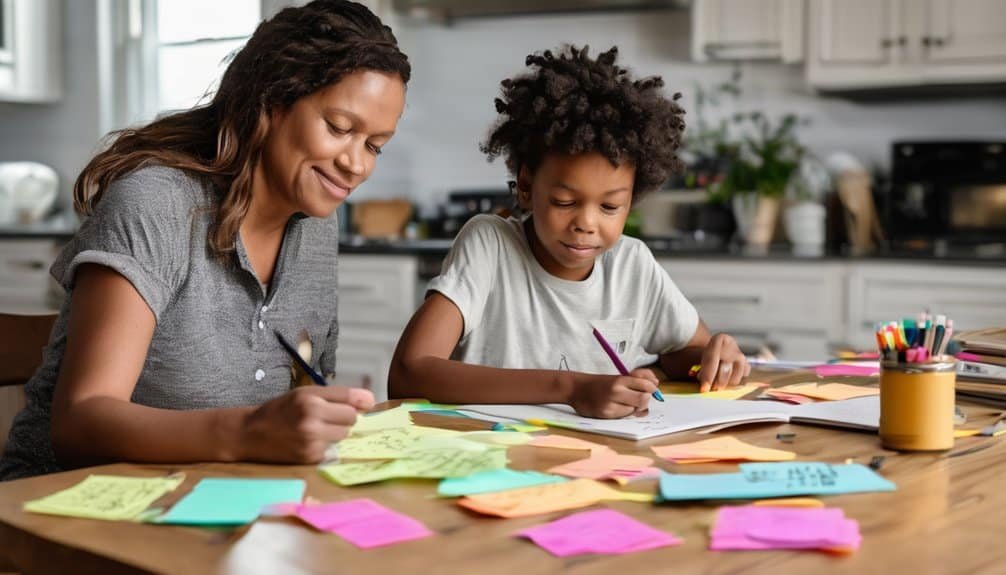
Next, help kids organize their ideas so the writing makes sense from start to finish. You can use brainstorming techniques to list every thought, then sort the best ones into a clear order. Idea mapping helps children see how details connect and which point should come first, next, and last. Ask them to group similar ideas and cross out repeats. This gives them control and builds stronger structure.
| Step | Action | Result |
|---|---|---|
| 1 | List ideas | More options |
| 2 | Group them | Clear topics |
| 3 | Number them | Better sequence |
| 4 | Add details | Strong support |
| 5 | Review flow | Smooth writing |
When you guide this process, kids learn to shape drafts with purpose and confidence.
Check Spelling, Capitals, and Punctuation
Now that kids have their ideas in order, help them check spelling, capitals, and punctuation so their message is easy to read. Read each sentence slowly and look for words that don’t look right. Encourage kids to use spelling strategies, like sounding out words, covering the word and rewriting it, or checking a classroom word wall.
Then review capitals. A sentence should begin with a capital letter, and proper nouns need capitals too. Next, follow punctuation rules. Look for periods, question marks, and commas where they belong.
Have kids read their work aloud, since hearing it can reveal mistakes they missed. Remind them that editing takes practice, and each careful check helps their writing look polished, clear, and ready to share.
Strengthen Word Choice and Add Details

Strong words help your writing come alive. You can guide kids to replace dull words with precise verbs and richer nouns. Ask them what they really mean, then help them choose words that create vivid imagery for the reader.
Instead of “went,” they might write “rushed,” “strolled,” or “charged.” Instead of “big,” they might pick “huge,” “towering,” or “massive.”
You can also encourage kids to add small details that show what they see, hear, feel, smell, or taste. These details make scenes clearer and more interesting.
Read a sentence aloud and ask, “Can you say that in a stronger way?” With practice, kids learn to edit with purpose and make every word work harder.
Fix Run-On Sentences and Fragments
When kids edit their writing, they also need to check sentence boundaries. You can help them spot run-on sentences and sentence fragments so their ideas sound complete and clear. Read each sentence aloud and listen for places where one thought spills into another or stops too soon.
- Look for two full ideas joined without punctuation.
- Add a period, comma, or conjunction where needed.
- Find sentence fragments that miss a subject or verb.
- Combine short fragments with nearby sentences.
- Make sure every sentence says one complete thought.
This practice builds strong control. When you guide kids to fix these errors, they learn to write with precision and confidence.
Clear sentences make their message easier to understand, and that’s a skill they can keep improving.
Use a Simple Editing Checklist for Kids
A simple editing checklist gives kids a clear path to follow after they fix sentences. You can keep it short and focused: check capitals, end marks, spelling, spacing, and complete thoughts.
These editing strategies help kids build habits one step at a time. When you give them a small list, they know exactly what to look for, and they spend less time guessing. That’s one of the biggest checklist benefits.
You can model how to use it by reading each item aloud and marking it off after a quick review. Over time, kids learn to edit with confidence because the routine feels familiar.
A good checklist turns editing into a skill they can practice, repeat, and master.
Give Helpful Feedback Without Overwhelming Them
Kids learn best when you keep feedback simple, specific, and kind. You can help by pointing out one strength, then one fix, so your child knows where to focus. Use positive reinforcement to build confidence, and add constructive criticism that targets the writing, not the writer. Stay calm, brief, and clear.
- Praise one clear success
- Mention one area to improve
- Explain why it matters
- Offer one example
- End with encouragement
This approach keeps editing manageable and teaches your child to revise with purpose. When you limit feedback, you reduce stress and increase attention. Your child can act on your comments without feeling buried.
Over time, that steady support helps build skill, independence, and confidence in every draft.
Make Editing Practice Fun for Kids
Make editing feel like a game so your child stays engaged and willing to try. You can turn proofreading into editing games that build skill without pressure. Ask your child to hunt for missing capitals, circle strong verbs, or fix one error at a time.
Use creative challenges, like racing a timer, editing with a colored pen, or earning points for each correction. Keep the goals small so success feels reachable. You might say, “Find three ways to make this sentence better,” or “Can you spot the trickiest mistake?”
These simple routines help your child notice patterns and think carefully. When you make practice playful, you support confidence, focus, and steady growth. Over time, your child learns that editing isn’t a chore; it’s a skill they can improve.
Frequently Asked Questions
How Can I Help a Reluctant Child Enjoy Editing?
You can make editing feel fun by using engaging activities like color-coding, partner checks, and quick hunts for changes. Offer positive reinforcement often, let your child choose tools, and celebrate each improvement to build confidence.
When Should Kids Start Editing Their Own Writing?
Kids can start editing their own writing as soon as they can reread it with you. Use self assessment techniques and peer feedback early, then gradually let them revise independently, building confidence and mastery each time.
How Much Editing Is Too Much for One Draft?
Like polishing a gem, you should stop before the writing loses sparkle. Set editing limits and protect draft balance. If you’re fixing every line, you’ve gone too far; keep room for voice, growth, and flow.
Should I Correct Every Mistake My Child Makes?
No, you shouldn’t correct every mistake. You’ll build confidence by choosing a few errors, praising effort with positive reinforcement, and using editing tools to help your child notice patterns and improve independently.
How Do I Balance Creativity With Grammar Rules?
Balance creativity with grammar by letting ideas flow first, then using editing techniques to polish them. Like clay, writing can shape both voice and structure. You’ll protect creative expression, teach grammar fundamentals, and build writing confidence.
Conclusion
So, you’ll help kids edit better by treating mistakes like tiny clues, not crimes. Read the draft aloud, check one thing at a time, and keep feedback kind and clear. A simple checklist can stop the chaos from turning into a circus. When you focus on spelling, punctuation, and flow, you’re not just fixing writing—you’re teaching confidence. With practice, kids won’t fear editing; they’ll start seeing it as the bossy little helper it is.