You can make story time more engaging with free printables that turn simple lessons into hands-on activities. Try scavenger hunts, story maps, response sheets, and coloring pages to help kids notice details, recall events, and think about what they’ve read. These tools work well at home or in class, and they’re easy to set up. A few printed pages can change how children connect with books in ways you might not expect.
Key Takeaways
- Free reading printables make reading fun with ready-to-use games, bookmarks, puzzles, and comprehension quizzes.
- Reading scavenger hunts help kids search for characters, settings, and key words while building comprehension skills.
- Story maps organize characters, setting, problem, solution, and plot to support reading understanding.
- Reading response sheets guide retelling, reflection, and discussion using a simple, predictable format.
- Coloring pages turn reading practice into creative activities that reinforce vocabulary, characters, and key events.
Best Free Printables for Reading
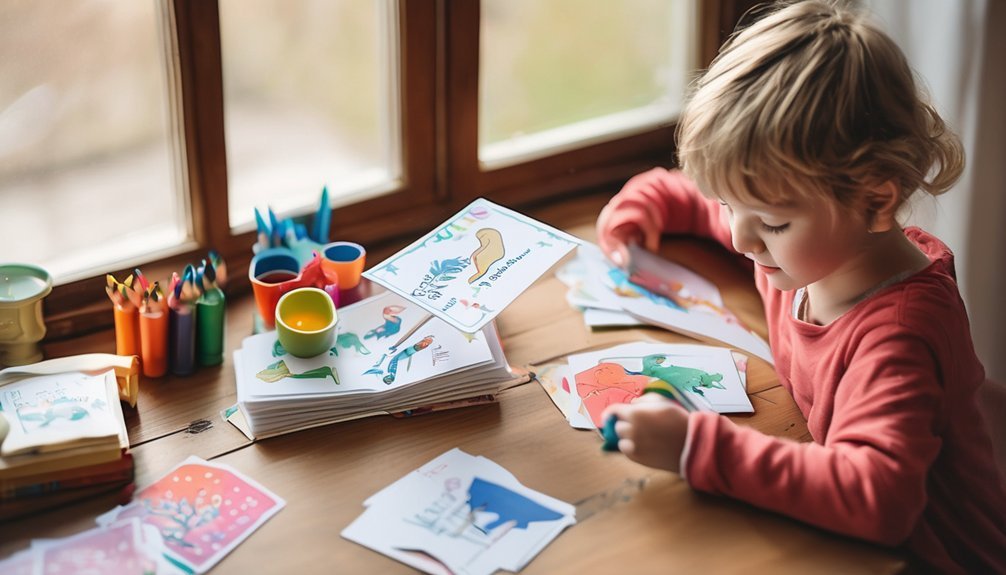
Free printables can make reading time more engaging by giving you ready-to-use activities that reinforce key skills without extra prep. You can choose reading games that build fluency, printable bookmarks that track progress, and literacy puzzles that sharpen decoding.
Add comprehension quizzes to check understanding after each text, then use word searches to strengthen vocabulary recognition. Themed activities keep practice fresh and help you connect reading to holidays, seasons, or favorite topics.
To get the best results, pick printables that match your reading goal, whether you want more accuracy, speed, or recall. You’ll stay focused when each task has a clear purpose, and you’ll build mastery faster by mixing formats instead of repeating the same exercise every time.
Reading Scavenger Hunts for Kids
- Ask kids to find character traits, setting details, or key words.
- Hide clues in seasonal activities, like spring leaves or winter symbols.
- Invite family engagement by having everyone solve one clue together.
These hunts also support genre exploration, because you can tailor prompts for mysteries, nonfiction, or fantasy.
With free printables, you’ll create simple, repeatable challenges that strengthen reading skills and make practice feel fresh.
Story Maps for Reading Comprehension
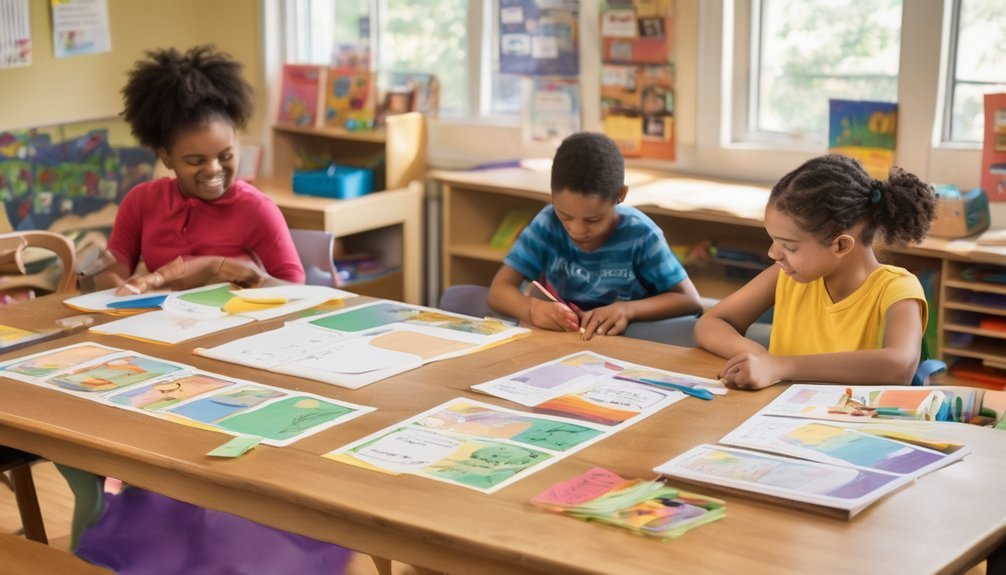
Story maps build on the same hands-on energy as scavenger hunts by giving kids a clear way to organize what they read. You can use a free printable to track story elements like characters, setting, problem, and solution.
This simple tool strengthens character analysis because you ask who the main character is, what they want, and how they change. It also supports plot structure by helping you mark the beginning, middle, and end in order.
Use the setting exploration box to note where and when events happen, then guide theme identification by asking what lesson the story suggests. When you reach conflict resolution, you’ll see how the problem gets solved.
With repeated practice, story maps help you read closely, think critically, and explain texts with confidence.
Reading Response Sheets for Retelling and Reflection
Reading response sheets give kids a simple framework for retelling a text and thinking about it afterward. You can use them to strengthen retelling techniques and guide thoughtful discussion.
After reading, ask kids to complete:
- Who are the main characters and what happened first, next, and last?
- What problem did the characters face, and how did they solve it?
- Which reflection prompts help you share your opinion and connect the story to your life?
These sheets keep responses focused, and they help you see whether kids understand key events, themes, and details.
Because the format is predictable, kids can practice independently and build confidence. When you pair clear questions with space to write or draw, you make it easier for learners to organize ideas and explain their thinking with precision.
Coloring Pages for Reading Practice
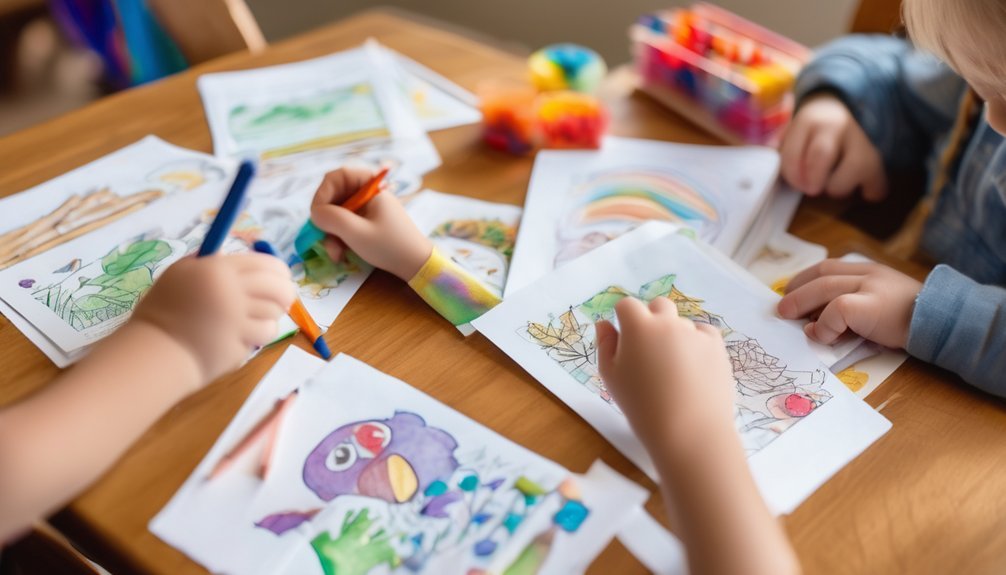
Coloring pages can turn reading practice into a hands-on activity that keeps kids engaged while they think about a text. You can use them to reinforce characters, settings, vocabulary, and key events without adding pressure.
The coloring benefits go beyond fine motor practice because children connect images with meaning, which supports literacy development. You also give them a chance for creative expression as they choose colors that match their own interpretation of the story.
For stronger results, pair each page with simple prompts that ask what they noticed, what surprised them, or what they learned. These engagement strategies help you keep attention focused while making reading feel approachable.
When you choose purposeful coloring pages, you build recall, comprehension, and confidence in a format that feels enjoyable and efficient.
How to Use Reading Printables at Home or School
Whether you’re teaching at home or in a classroom, reading printables work best when you use them with a clear purpose. Start by matching each printable to one skill, then guide practice with reading strategies that build accuracy and confidence. You’ll see the printables benefits when you pair short tasks with feedback and review.
- Use them as classroom tools for warm-ups, centers, or exit tickets.
- Turn them into engaging activities by adding timed reads, partner work, or creative challenges.
- Invite family involvement at home so kids explain answers and prove their literacy skills.
When you rotate materials, you keep educational fun high without losing focus. Choose printables that target comprehension, fluency, or vocabulary, and you’ll create steady progress in every setting.
Frequently Asked Questions
What Age Group Benefits Most From Reading Printables?
Early learners benefit most from reading printables because you build reading comprehension, skill development, and confidence with engaging themes. You’ll see stronger gains when you match activities to their developmental stage and practice consistently.
How Often Should Kids Use Reading Printables?
You should use reading printables 3–5 times weekly, adjusting reading frequency to your child’s attention and goals. Rotate printable variety to keep practice fresh, build skills, and avoid fatigue while reinforcing consistent reading growth.
Can Printables Work for Reluctant Readers?
Yes, printables can work for reluctant readers, even if you think they’ll feel like schoolwork. You can use engaging themes and interactive formats to lower resistance, build confidence, and make practice feel manageable.
Are Reading Printables Suitable for Group Activities?
Yes, you can use reading printables for group activities. You’ll encourage group dynamics and collaborative learning by assigning roles, sharing answers, and discussing strategies. They’re practical for partner work, small groups, and guided reading.
How Can I Organize Printable Reading Materials Efficiently?
Sort by skill level, then label, scan, and file by theme; paper stacks and digital organization can work together. You’ll speed access by using storage solutions like binders, folders, and cloud backups.
Conclusion
With free printables, you can make reading feel like a game instead of a task. Research shows that children who interact with stories through hands-on activities can improve comprehension by up to 20%, giving you a simple way to boost learning. Use scavenger hunts, story maps, response sheets, and coloring pages to help kids notice details, retell events, and stay engaged. You don’t need fancy materials—just a printable and a great book.