
Nearly 8 in 10 kids learn faster with hands-on practice, yet many families miss free tools that can make math easier at home. You can choose simple games, printable worksheets, and app-based lessons that match your child’s level and keep practice manageable. The right mix can turn daily routines into steady skill-building, and a few small changes may surprise you with how much progress your child can make.
Key Takeaways
- Choose free math tools based on your child’s age, skill level, and learning goals.
- Use interactive games with clear feedback to build counting, number sense, and math facts.
- Print short worksheet sets for focused home practice and check answers immediately.
- Pick apps and video lessons with accurate content, simple navigation, and progress tracking.
- Add daily math practice through flash cards, cooking, board games, and timed mixed review.
How to Choose Free Math Tools for Kids

When you’re choosing free math tools for kids, start with your child’s age, skill level, and learning goals. Match the tool to what they can already do, then stretch them one step further.
Check for age appropriateness so the interface, language, and tasks feel manageable, not frustrating. Look for interactive learning features that ask your child to respond, sort, drag, or solve, because active engagement helps build understanding.
Prefer tools that give clear feedback, let you track progress, and work on the devices you already use. Before you commit, test whether the content is accurate, the directions are simple, and the layout stays uncluttered.
You’ll choose better when you compare a few options and keep the one that supports steady growth.
Free Math Games for Counting and Facts
| Game type | Skill focus |
|---|---|
| Dice races | Counting and adding |
| Number bingo | Recognition and comparison |
| Fact match | Quick recall |
Use short rounds and clear goals so your child can track progress. You’ll help them build speed, accuracy, and confidence through play. Keep the challenge steady, and adjust difficulty as they improve.
Printable Math Worksheets for Home Practice
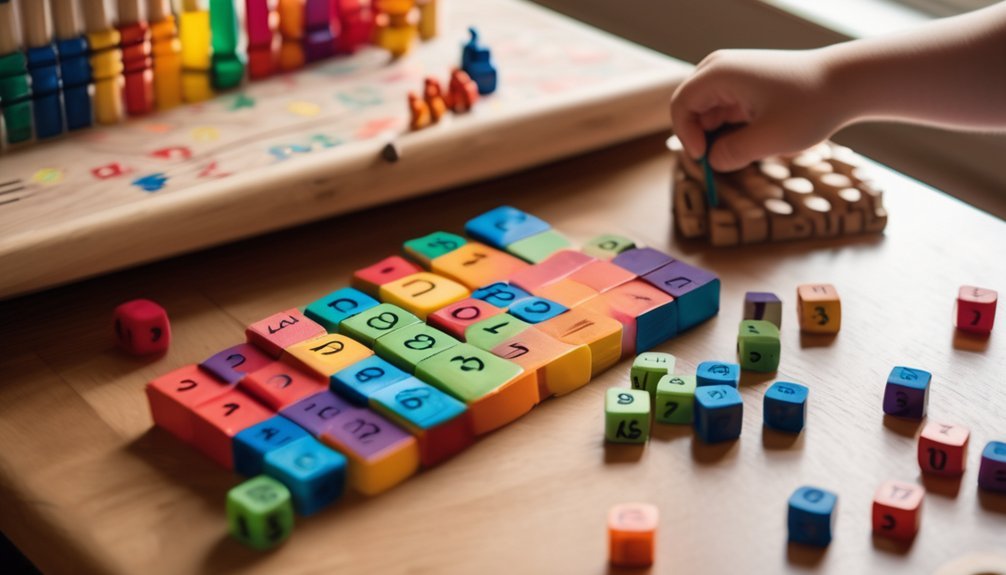
Printable math worksheets give your child focused practice at home, and you can use them to target specific skills like counting, addition, subtraction, or shapes.
Choose worksheet themes that match your child’s interests, such as animals, holidays, or daily routines, to keep attention high while you build fluency. You can also select by skill levels, moving from simple recognition to mixed review as confidence grows.
Print a small set, set a timer, and ask your child to show work neatly. Check answers right away so you can spot errors and correct them before they stick.
Use worksheets as short, purposeful drills, not busywork, and repeat weak skills until your child performs them accurately and quickly.
Free Math Apps and Video Lessons
Look for math app features like instant feedback, adaptive difficulty, progress tracking, and clear audio instructions. These tools help you spot strengths and gaps fast.
Engaging video lessons work well when your child needs a concept explained step by step by a teacher. You can pause, replay, and discuss each example until the method feels solid.
Pick apps and videos with accurate content, simple navigation, and age-appropriate pacing, so your child builds confidence while you stay focused on mastery.
Simple Ways to Practice Math Daily

Once your child has a few helpful apps or videos, you can build on that momentum with small daily math routines at home. Keep practice short, focused, and predictable so math feels natural. Use daily math challenges during breakfast, car rides, or cleanup time. Ask for quick estimates, count steps, or compare prices while shopping. Rotate creative math activities to strengthen fluency and reasoning.
| Routine | Skill |
|---|---|
| Flash cards | Fact recall |
| Cooking together | Fractions |
| Board games | Number sense |
You can also set a timer for five minutes and mix review with new problems. Praise effort, not speed, and correct mistakes immediately. When you practice every day, you help your child build confidence, accuracy, and lasting mastery.
Frequently Asked Questions
How Do I Know if a Math Tool Matches My Child’s Grade Level?
Check the tool’s grade level indicators, then compare its skills, vocabulary, and problem types to your child’s classroom work. You’ll know it fits when it feels challenging but manageable and uses age appropriate resources.
Are Free Math Tools Safe and Ad-Free for Children?
Yes—some are safe, like a locked classroom door, but you’ve got to check first. You should use parental controls, content ratings, and privacy policies, since free tools often hide ads or trackers.
Can These Tools Support Kids With Learning Differences?
Yes, they can support kids with learning differences through adaptive learning and personalized strategies. You can choose tools that adjust pacing, offer hints, and repeat practice, helping you target strengths and fill gaps confidently.
Do I Need an Account to Use Most Free Math Resources?
No, you usually don’t need an account; many free math resources let you start fast. You’ll gain account benefits like progress tracking, but weigh registration drawbacks if you want quick, hassle-free access.
How Can I Track My Child’s Progress With Free Math Tools?
You can track your child’s progress by using progress monitoring charts, quick weekly check-ins, and effective assessments. Review accuracy, speed, and confidence, then adjust practice to target weak skills and celebrate steady growth.
Conclusion
You can turn home into a bright math playground with the right free tools. When you choose games, worksheets, apps, and videos that fit your child’s level, you’ll make learning feel like a puzzle instead of a chore. A few minutes a day can spark real progress, especially when math slips into cooking, shopping, or board games. Keep it fun, simple, and steady, and you’ll help your child build confidence one step at a time.