
If you’ve ever noticed how often guests fumble for event details at the exact moment they need them, QR codes can fix that fast. You can use them to share schedules, maps, and check-in links with almost no friction, but the real advantage comes from how you place, label, and test them. The difference between a useful code and a missed opportunity comes down to a few smart choices.
Key Takeaways
- Choose the right QR code type for your event goal, such as registration, check-in, schedules, or venue maps.
- Link each QR code to a mobile-friendly page with concise, essential event information.
- Customize QR codes with clear labels, branding, and high contrast for easy scanning.
- Place QR codes on tickets, badges, signage, and entrances for convenient attendee access.
- Test QR codes on different devices and track scans to improve event flow and engagement.
Pick the Right QR Code for Your Event
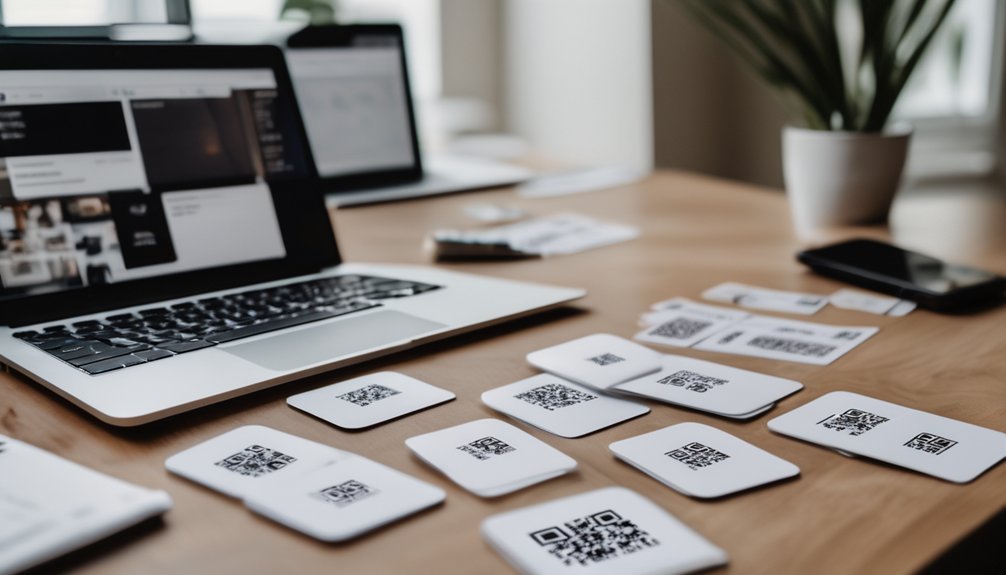
Choosing the right QR code for your event can make the difference between a smooth attendee experience and a missed opportunity. You should match the code to your goals, then refine design considerations so it supports event branding without hurting QR code aesthetics.
Prioritize mobile accessibility, because your audience will scan fast and expect instant clarity. Place it where attention is highest, and optimize QR code placement for entrances, signage, tickets, and sponsor displays.
Use tracking tools to measure scans, compare channels, and sharpen audience engagement with data-driven choices. Every decision should improve user experience while keeping the message simple and persuasive.
When you select the right format early, you strengthen trust, boost response, and position your event for measurable impact.
Create QR Codes for Event Details
Build QR codes for event details that send guests straight to the information they need most, like schedules, venue maps, speaker bios, parking instructions, and registration links.
You should map each code to a focused destination, then refine design considerations so the QR code aesthetics fit your brand without hurting scan reliability. Use code customization to add a clear label or call to action, and keep the file high contrast for fast scanning methods in any lighting.
Prioritize user experience by linking to mobile-friendly pages with concise content, accessibility features, and simple navigation. Protect data security by avoiding unnecessary personal data in the destination.
When you place codes on signage, programs, and digital assets, you’ll increase event engagement and make every touchpoint more useful, polished, and measurable.
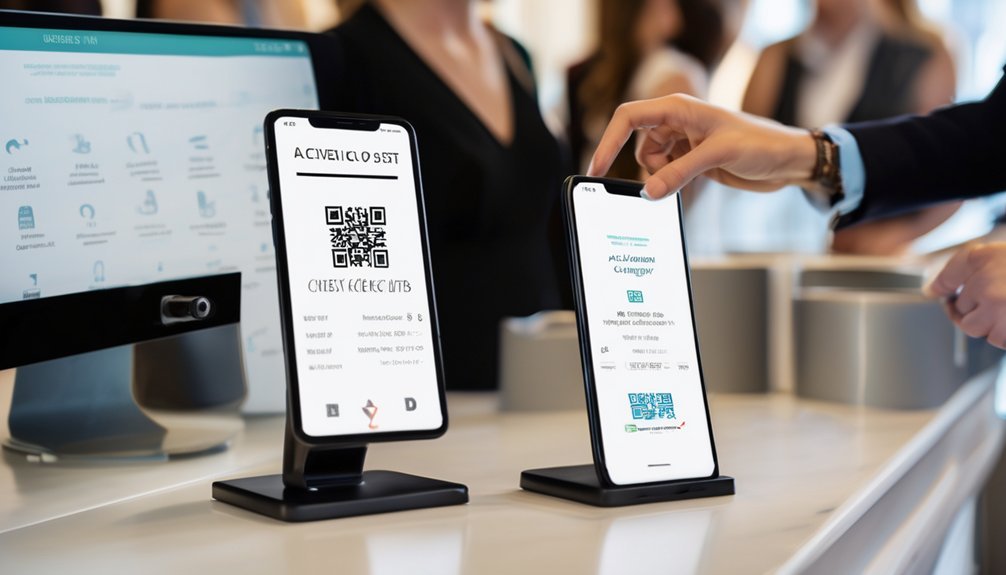
Set Up QR Codes for Event Check-In
| Check-in move | Result |
|---|---|
| Scan | Instant identity match |
| Confirm | Cleaner guest flow |
| Admit | Faster entry |
| Log | Engagement tracking data |
Use the data to sharpen Networking opportunities, tune Marketing strategies, and streamline Feedback collection after arrival. You’re not just speeding entry; you’re creating a controlled, premium arrival experience that builds trust, reduces friction, and gives you measurable insight into attendance behavior.
Add QR Codes to Tickets and Badges
Attach QR codes directly to tickets and badges so every guest carries a scannable entry point from the moment they arrive.
You’ll maximize impact by aligning design considerations with your event’s look, size, and print quality. Choose placement that stays visible without crowding names or sponsor art.
Add accessibility features like clear contrast, adequate spacing, and a short fallback URL for devices that struggle. Strengthen security measures by generating unique, time-sensitive codes that reduce duplication and fraud.
Use branding opportunities to reinforce your logo, colors, and premium feel across every credential.
Then review tracking analytics to measure scans, spot attendance patterns, and improve future campaigns.
When you execute this well, you’ll boost user engagement, streamline entry, and present a polished, high-value experience from the first scan.
Link QR Codes to Schedules and Maps
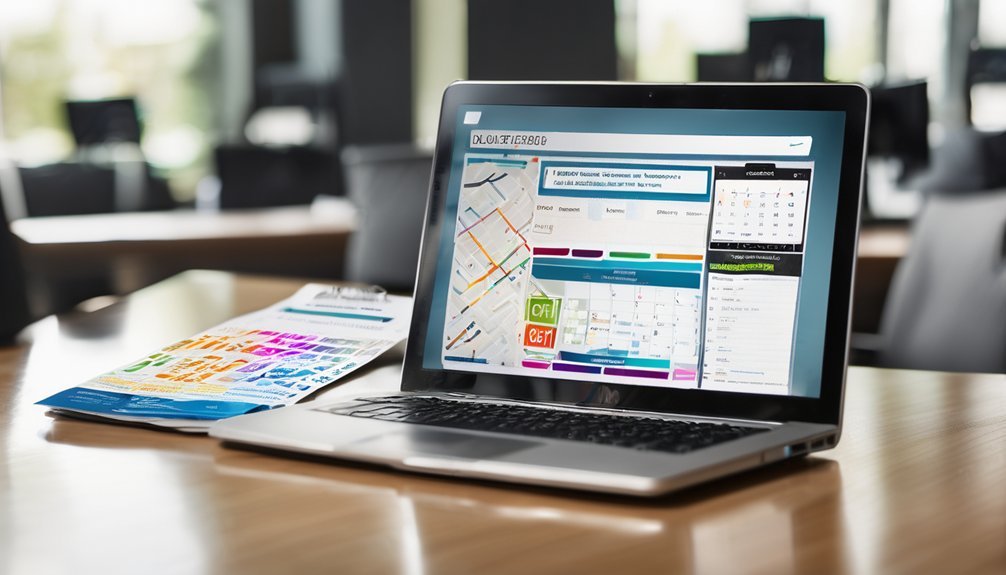
Link QR codes to your event schedule and maps so guests can find sessions, rooms, and amenities in seconds.
You’ll sharpen event navigation and boost attendee engagement by giving people instant, mobile access to the right information.
Build one code for the full agenda and another for venue maps, then update both when plans change. That keeps your experience agile and professional.
- Link each QR code to a live, mobile-friendly page.
- Use clear labels so guests know what to scan.
- Sync updates across sessions, speakers, and room changes.
- Track scans to see what attendees need most.
When you remove friction, you help guests move confidently, stay on time, and connect with more of your event’s value.
Place QR Codes Where Guests Will See Them
Place QR codes where guests naturally pause and look—at entrances, check-in desks, tables, signage, program inserts, and near high-traffic areas—so scanning feels effortless.
Use smart design strategies and placement techniques to maximize visibility options without cluttering the experience. Keep codes at eye level, sized for quick reads, and framed with clear scanning instructions that remove hesitation.
Match them to your event’s aesthetic considerations so they feel intentional, not intrusive. Add accessibility features, like strong contrast and nearby text, to serve every guest smoothly.
When you position codes with precision, you elevate guest engagement and unlock powerful promotional uses, from registration boosts to instant content access.
You’re not just placing a code; you’re engineering a better guest journey.
Test and Track Your Event QR Codes
Once your QR codes are in the right spots, test them in real-world conditions so you know they scan quickly and reliably. Use different phones, lighting, and distances to confirm a smooth experience for every guest.
Then track performance with QR code analytics to see what drives user engagement and where you can optimize.
- Scan each code before launch.
- Compare results across devices.
- Monitor scan time and location.
- Refine links based on data.
When you measure consistently, you spot weak placements, improve conversions, and keep your event strategy sharp.
Make every scan count by reviewing the numbers after each campaign. Small adjustments can lift response rates fast, helping you turn attention into action and action into measurable event success.
Frequently Asked Questions
How Long Do QR Codes Stay Active After an Event Ends?
You control how long QR codes stay active; they can expire immediately after your event duration or remain live longer. Set your expiration period strategically to protect access, track performance, and keep your campaign polished.
Can Guests Scan QR Codes Without Downloading an App?
Yes, they can scan QR codes without downloading an app, so you won’t lose guests to friction. You boost guest convenience, streamline the scanning process, and keep control by using any phone’s camera directly.
What Happens if a QR Code Gets Damaged or Printed Poorly?
If your QR code gets damaged or printed poorly, you’ll risk failed scans, but you can recover with QR code recovery steps, Damage prevention, smart Scanning tips, and Quality assurance to keep every guest moving.
Can One QR Code Work for Multiple Event Days?
Yes—you can use one QR code for multiple event days; irony aside, that’s remarkably efficient. You’ll streamline event management and smart QR code usage by linking it to a dynamic page, keeping control and sophistication.
Are QR Codes Secure for Collecting Attendee Information?
Yes, QR codes can be secure if you use trusted platforms, data privacy controls, and strong encryption methods. You’ll protect attendee information best by limiting access, using HTTPS, and auditing scans regularly.
Conclusion
As you wrap up your event, remember this: the real power of your QR codes isn’t just convenience—it’s control. When you place the right code in the right spot, you guide guests instantly, smoothly, and without friction. But don’t stop there. Test every scan, track every click, and refine what works. That’s how you turn simple codes into a seamless experience—and make your next event even stronger.