
Toddler meal planning often works best when parents keep the process simple and repeatable. A few reliable staples, a basic prep routine, and small balanced portions can reduce stress on busy days. Batch cooking and quick meal rotations also help keep variety without adding much effort. The practical question is not whether these methods save time, but which ones fit a family’s schedule best.
Key Takeaways
- Build balanced meals with protein, grains, fruits, vegetables, and dairy or alternatives for steady toddler nutrition.
- Keep easy staples like yogurt, oatmeal, pasta, crackers, and soft fruits ready for quick meals.
- Prep once a week by washing produce, portioning snacks, and pre-cooking rice, pasta, or vegetables.
- Offer one familiar food with one new item, using small portions and neutral language to reduce picky-eating stress.
- Batch cook toddler-sized portions, freeze them flat in labeled containers, and reheat only what you need.
Start With a Simple Toddler Meal Plan
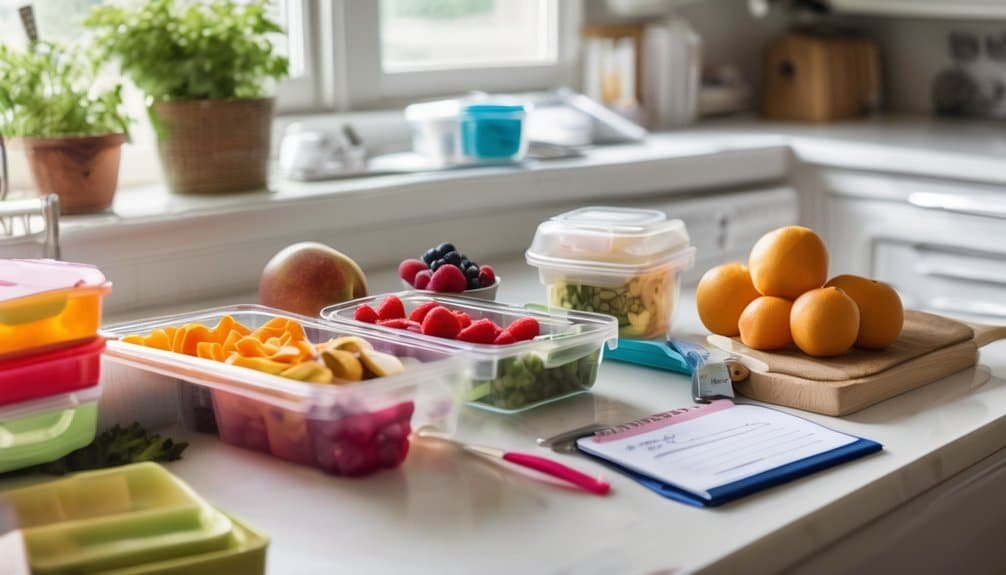
A simple toddler meal plan can make daily feeding more consistent and less stressful by focusing on a few balanced options that repeat through the week. It helps caregivers offer predictable meals while still supporting growth, appetite, and healthy routines.
A practical plan usually includes a mix of protein, grains, fruits, vegetables, and dairy or a suitable alternative across the day. Simple recipes work well because they reduce preparation time and are easier to repeat when schedules feel crowded.
Small changes in texture, color, or flavor can preserve meal variety without adding much effort. This approach also makes it easier to notice what the toddler accepts, avoids, or enjoys, allowing the plan to stay responsive, calm, and genuinely nourishing.
Keep Easy Toddler Staples on Hand
Keeping a few reliable toddler staples on hand helps turn a simple meal plan into a routine that is easier to follow on busy days. Stocking familiar toddler favorites reduces decision fatigue and supports steadier intake, especially when appetite is unpredictable.
Practical pantry essentials can include items that are easy to serve, combine, and accept without much resistance.
- Soft fruits like bananas or applesauce cups
- Whole-grain crackers, oatmeal, or pasta
- Plain yogurt, cheese, or nut-free spreads
These staples offer quick options that feel comforting and familiar. They also make it easier to build balanced plates without elaborate effort.
When the cupboard stays anchored by a few dependable choices, mealtimes feel calmer, more intimate, and less reactive for the family.
Set Up a Toddler Meal Prep Routine
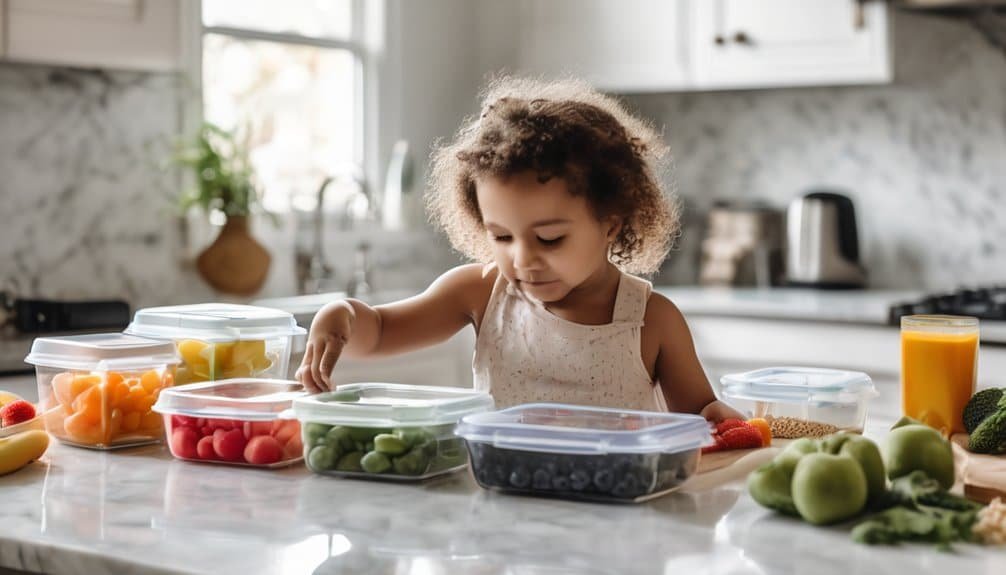
Setting up a toddler meal prep routine can reduce weekday pressure by turning scattered tasks into a predictable system. Evidence suggests that repeated planning lowers decision fatigue and supports steadier follow-through. A weekly block for washing produce, portioning snacks, and pre-cutting safe foods keeps care efficient and calm. Gentle snack organization helps caregivers place items where they are easy to see and reach, which often improves consistency. Veggie incorporation can be simplified by preparing soft vegetables in advance for quick use.
| Routine step | Benefit |
|---|---|
| Choose prep day | Less last-minute stress |
| Portion snacks | Easier snack organization |
| Wash and store produce | Faster use during the week |
| Pre-prepare vegetables | Practical veggie incorporation |
Small, repeatable actions create a dependable rhythm that busy families can trust.
Build Balanced Toddler Meals
Balanced toddler meals work best when each plate includes a simple mix of protein, carbohydrates, healthy fats, and colorful produce. Evidence suggests this pattern supports nutrient diversity and steadier energy across the day. A practical plate can look like this:
- Soft scrambled egg with whole-grain toast.
- Yogurt with berries and chia.
- Beans, rice, and steamed carrots.
Portion sizes should stay small, since toddlers often need only a few spoonfuls of each food. Caregivers can offer one familiar item alongside one new one, which helps reduce mealtime pressure while still encouraging variety.
Texture matters too; foods should be easy to chew and safe to manage. When balanced meals are repeated often, toddlers become more comfortable with wholesome foods and families gain a calmer, more predictable routine at the table.
Make Toddler Meals Fast on Busy Nights
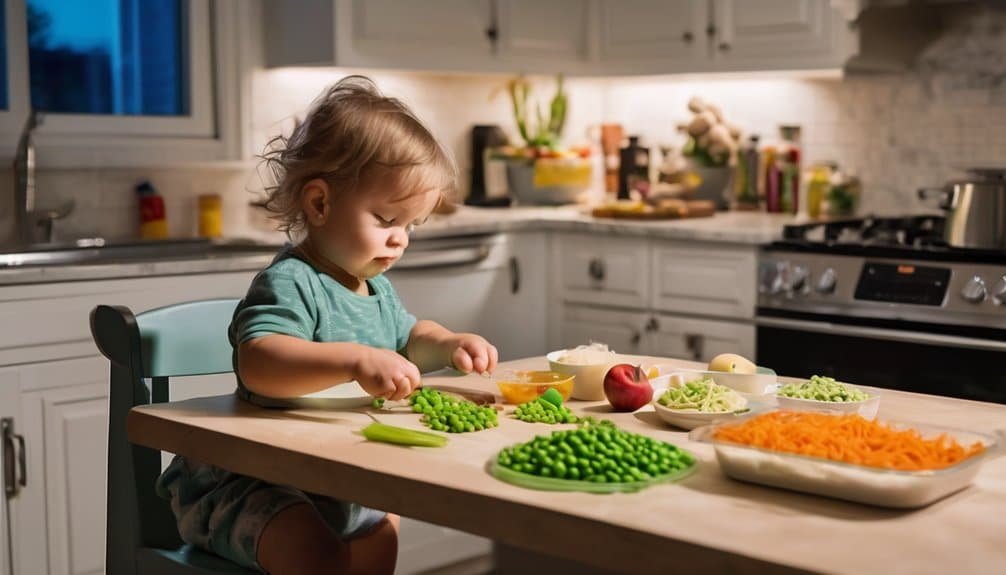
Busy evenings are easier when toddler meals rely on a few repeatable building blocks that can be assembled in minutes. A practical routine uses quick cooking foods such as eggs, frozen vegetables, pre-cooked grains, and soft fruits, which reduce prep time without sacrificing nutrition.
Meal shortcuts, including batch-cooked proteins, washed produce, and simple sauces, help maintain variety while keeping effort low. Evidence from family meal planning research suggests that predictable preparation lowers stress and improves follow-through on busy nights.
Caregivers can keep a small rotation of three to five meals, then adjust portions to fit appetite. This approach supports closeness at the table, because less time spent cooking leaves more time for calm conversation and consistent routines.
Plan Toddler Snacks That Fill Them Up
Snacks can do more than bridge hunger between meals; they can also help toddlers stay satisfied when they include protein, fiber, and healthy fat. A practical plan favors nutrient dense options that are easy to portion and pleasant to hold.
Parents may picture a small plate with:
- Greek yogurt and soft berries
- Hummus with whole-grain pita triangles
- Apple slices with thin nut or seed butter
These creative combinations support steadier energy and reduce the urge to graze. For safety, textures should match the child’s chewing skills, and foods should be served in small, manageable pieces.
When snacks are chosen with intention, the child feels cared for, and the day runs with less friction for everyone.
Rotate Easy Toddler Meal Ideas
Even simple toddler meals tend to work better when a few dependable options are rotated through the week, because familiarity can improve acceptance while modest variety supports exposure to different nutrients and textures.
A practical rotation may include oatmeal with fruit, scrambled eggs with toast, pasta with vegetables, and rice with beans. These toddler favorites can be adjusted with seasonal ingredients, such as berries in spring or squash in autumn, to keep meals fresh without adding complexity.
Repeating a small set of meals also makes shopping and prep more efficient, which can reduce daily stress for caregivers. To maintain balance, each meal can pair a starch, protein, and produce item, offering steady nutrition while keeping the menu calm, familiar, and easy to manage.
Handle Toddler Picky Eating at Mealtimes
Picky eating is common in toddlerhood, and it often reflects normal developmental neophobia rather than a true feeding problem. Caregivers can respect toddler taste preferences while staying calm and consistent, since pressure often reduces acceptance.
Evidence-based mealtime strategies include offering a preferred food alongside one new item, keeping portions small, and repeating exposure without forcing bites. A simple pattern may look like this:
- A bright plate with rice, peas, and soft chicken.
- A small bowl of yogurt beside sliced pear.
- Two carrots, a cheese cube, and water in a cup.
Neutral language helps a child feel safe and seen. Predictable meal times, shared table presence, and patient modeling usually support broader food acceptance over time, especially when adults trust appetite cues.
Pack Toddler Lunches for School and Outings
For school days and outings, toddler lunches work best when they are simple, safe, and easy to eat without much help. A rotating set of lunchbox themes can make planning easier and more inviting, while keeping portions small and familiar.
Portable snacks such as cheese cubes, whole-grain crackers, and soft vegetables support steady energy. Creative wraps cut into fun shapes may encourage interest without adding stress. Easy dips like yogurt or hummus can add moisture and nutrients, and colorful fruits offer natural sweetness plus nutrient boosts.
Many families use DIY lunchables with mild protein, grains, and produce for balanced variety. Choices should stay low-risk for choking, neatly packed, and comfortable for little hands, so the meal feels caring, practical, and manageable.
Save Time With Toddler Batch Cooking
Batch cooking can make toddler meals easier to manage by reducing daily prep and improving consistency. Parents often notice batch cooking benefits when a few core foods are prepared once and repurposed across the week.
Soft vegetables, grains, and protein muffins can be cooled, portioned, and labeled for quick access. Good toddler food storage supports safety and preserves texture, especially when meals are frozen flat or kept in shallow containers.
- Cook rice, pasta, or oats in small batches.
- Freeze fruit, sauces, and muffins in toddler-sized portions.
- Reheat only what is needed for each meal.
This approach can ease evening stress while keeping familiar flavors close, helping caregivers offer steady nourishment with less effort.
Frequently Asked Questions
How Can I Know if My Toddler Is Getting Enough Water?
A toddler is likely getting enough water if urine stays pale, diapers are regularly wet, and energy remains normal. Consistent hydration habits and adequate water intake are signs, while dark urine or lethargy suggest concern.
What Signs Show My Toddler May Have a Food Allergy?
Common food allergy symptoms include hives, vomiting, wheezing, swelling, or diarrhea soon after eating. Common allergens include milk, eggs, peanuts, tree nuts, soy, wheat, fish, and shellfish. Persistent reactions warrant prompt medical evaluation.
How Do I Handle Eating Out With a Toddler?
Eating out with a toddler works best with restaurant strategies: choose toddler friendly menus, arrive early, bring snacks, and request simple portions. Calm routines, predictable seating, and patient pacing reduce stress and support shared intimacy.
When Should I Worry About My Toddler’s Growth or Weight?
Weight concerns merit attention when growth milestones stall, weight changes are sudden, or eating seems persistently difficult—truly a tiny rebellion against physics. Evidence suggests pediatric evaluation, nutrition balance, and healthy snacks can help.
What Kitchen Tools Make Toddler Meal Prep Easier?
A sturdy blender, food processor, steamer basket, silicone muffin tray, and small storage containers make toddler prep easier. Blender benefits include purees and sauces; portion control improves with measuring cups, child-sized bowls, and airtight labels.
Conclusion
In the end, toddler meal planning becomes less of a scramble and more of a steady rhythm when simple systems are in place. A stocked pantry, a set prep day, balanced small portions, and batch-cooked meals can turn busy evenings into smoother moments. Like a well-organized kitchen shelf, these habits keep healthy options within reach, making it easier for parents to serve variety, reduce stress, and support their toddler’s growth with confidence.