
Finding free activities for toddlers near home can support early learning without adding stress to the day. A short walk, a library visit, or simple water play can offer movement, language, and sensory practice. Even familiar spaces can become rich with discovery when adults notice what a toddler is ready to explore next. Some of the best ideas are also the simplest, and a few may be closer than expected.
Key Takeaways
- Visit free library story hours and community children’s events for easy, social toddler outings near home.
- Spend time at local parks or playgrounds for climbing, sliding, and big-body movement.
- Try simple backyard nature activities like scavenger hunts for leaves, stones, and feathers.
- Set up indoor play with cushions, books, crafts, and sensory bins for rainy days.
- Use household items for sensory play, such as rice trays, water bins, playdough, and textured baskets.
Easy Free Toddler Activities Near Home
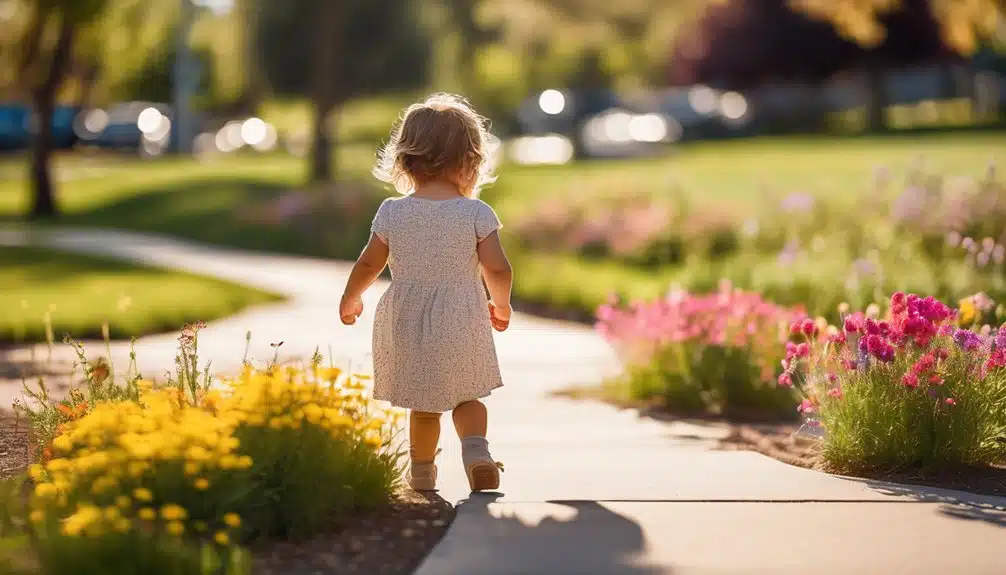
For many families, simple free activities close to home can provide toddlers with the movement, curiosity, and routine they need. A short walk to a nearby library story hour, a visit to a local park bench for snack time, or a few minutes of water play at the sink can support attention and language growth.
Caregivers may also rotate playdate ideas with one trusted family, using blocks, picture books, or songs to encourage turn-taking and comfort. Community events such as free children’s readings or seasonal fairs can offer gentle social exposure without pressure.
These small routines help toddlers feel secure while building confidence, motor skills, and connection. Consistent, low-cost moments often matter most in early development, especially when they are shared with warmth and presence.
Outdoor Toddler Play in Your Neighborhood
Neighborhood outdoor play can give toddlers fresh air, sensory input, and room to practice big-body movement in simple, low-pressure ways. A short walk to local playgrounds lets a child climb, slide, and test balance while a nearby adult offers calm support.
Community gardens also invite gentle exploration through smelling herbs, watching insects, and noticing colors and textures. These simple outings help strengthen coordination, attention, and confidence without requiring special equipment or planning.
Repeated neighborhood visits can build routine, and familiar paths often make toddlers feel secure enough to explore more freely. When play stays close to home, it can feel manageable for caregivers and richly engaging for young children.
Indoor Free Toddler Activities for Rainy Days
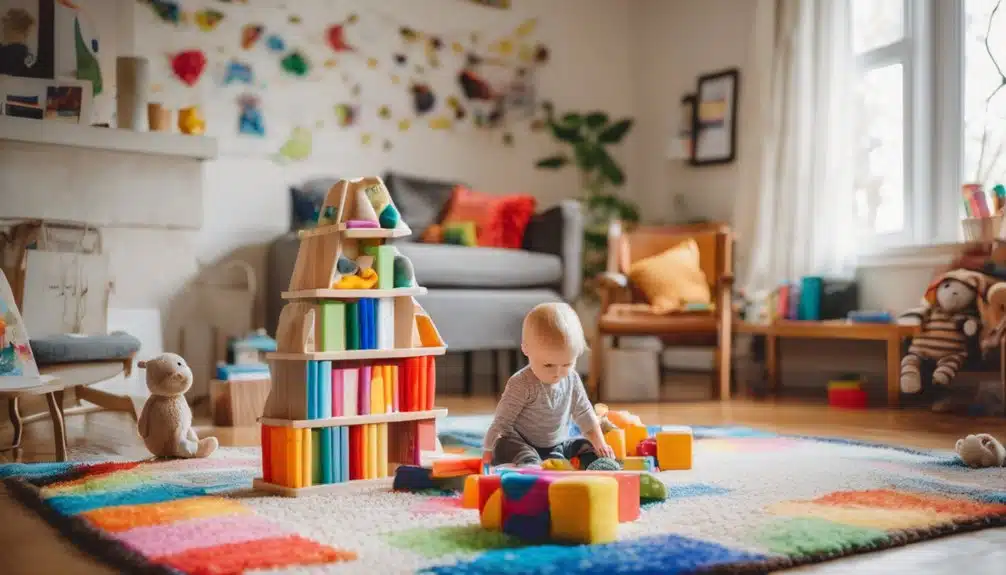
Rainy days can still offer toddlers rich opportunities for movement, discovery, and play indoors without spending money. A calm living room may become a learning space through simple games that invite reaching, sorting, stacking, and pretend play.
Soft cushions, tape lines, and chairs can form an indoor obstacle course that supports balance and coordination while keeping the body active. Quiet corners can hold books, songs, and sensory bins made with household items.
Crayons, paper, and recycled materials can inspire rainy day crafts that strengthen fine motor skills and attention. These activities work best when adults stay nearby, offering gentle encouragement and clear limits.
With simple setup, the home can feel warm, safe, and full of playful connection.
Backyard Nature Adventures for Toddlers
When the weather turns pleasant, toddlers can carry that same spirit of exploration outdoors into the backyard, where ordinary plants, stones, and insects become simple learning tools.
A small nature scavenger hunt can invite a child to notice a yellow leaf, a smooth pebble, or a feather resting near the grass. Caregivers may walk nearby, offering calm words and gentle questions that support observation and wonder.
Backyard bug exploration can stay brief and respectful, letting toddlers watch ants, beetles, or butterflies without touching. These shared moments help build early focus, language, and confidence while keeping play free and close to home.
With patient guidance, the backyard becomes a tender first classroom, full of fresh discoveries and quiet delight.
Sensory Play Ideas Using Things at Home
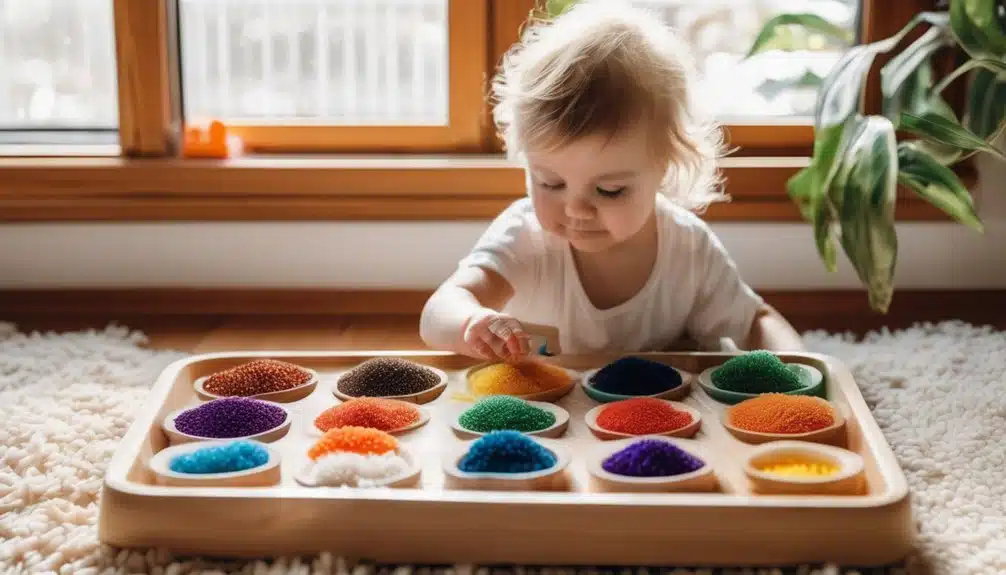
At home, toddlers can explore textures, sounds, and simple materials that support early sensory development. A shallow tray of rice, pasta, or fabric scraps invites quiet reaching and gentle sorting.
Homemade playdough offers soft resistance for squeezing, rolling, and pressing with small hands, while kitchen sensory bins can hold spoons, cups, and safe measuring tools for scooping and pouring.
A bowl of water with floating objects adds coolness and movement, and a basket of scarves or sponges brings variety in touch. These familiar materials create calm, intimate moments beside a trusted adult.
When play stays simple and open-ended, toddlers can notice, linger, and return again, finding comfort and delight in the ordinary home environment.
Free Toddler Activities That Build Skills
Free toddler activities can strengthen early skills while still feeling playful and low-pressure. A walk around the block invites naming colors, sounds, and objects, supporting language development through simple back-and-forth talk.
Sorting leaves, stones, or socks at home builds early math sense and fine motor control as little hands grasp, place, and compare. Stacking cups, turning book pages, and using crayons on scrap paper also encourage hand strength and coordination.
Pretend cooking with safe containers helps toddlers follow directions, imitate routines, and learn social language. Even folding washcloths or carrying lightweight items can build confidence and body awareness.
These everyday moments feel close, familiar, and reassuring, while quietly giving toddlers practice in the skills that matter most.
Frequently Asked Questions
What Age Is Best to Start Structured Toddler Activities?
Structured toddler activities usually begin around 18 to 24 months, when toddler developmental milestones support simple routines, imitation, and brief attention spans. The benefits of structure emerge gently, nurturing confidence, comfort, and early social growth.
How Can I Keep Toddlers Safe During Free Activities?
Safety begins with vigilance. Toddler safety depends on constant supervision, age-appropriate spaces, and outdoor precautions such as sun protection, secure boundaries, and hazard checks. A nurturing caregiver anticipates risks, allowing freedom to explore, safely.
What Free Activities Work Well for Toddlers With Siblings?
Toddlers with siblings often enjoy simple scavenger hunts, bubble chasing, sidewalk chalk, and ball games. These activities encourage sibling interactions and cooperative play, supporting sharing, turn-taking, movement, and warm, developmentally nurturing connection.
How Do I Reduce Cleanup After Toddler Play?
A place for everything. He recommends playtime organization with baskets, trays, and a single toy rotation; this supports mess management and easy cleanup. Soft limits, quick wipes, and tidy routines keep play gentle, intimate, and calm.
Can Free Toddler Activities Help With Speech Development?
Yes, free toddler activities can support speech development. Through speech games and language songs, toddlers practice sounds, words, and turn-taking. Gentle, playful interaction nurtures confidence, strengthens communication, and deepens closeness.
Conclusion
In the end, the best free activities for toddlers near home are often the simplest ones. A short neighborhood walk, a story hour at the library, or water play at the sink can turn an ordinary day into a small adventure. These low-cost moments help toddlers grow in confidence, curiosity, and social skills. Like tiny seeds in a familiar garden, each experience supports healthy development while strengthening the bond between child and caregiver.