
New parents often discover that childproofing starts with the biggest risks, not the smallest details. Furniture, TVs, outlets, cords, stairs, and household chemicals can all create danger fast. A simple checklist helps turn a home into a safer space without making it feel off-limits. The first few changes matter most, and some of the next ones are easier to miss than expected.
Key Takeaways
- Do a room-by-room safety check for falls, choking hazards, outlets, cords, and toxic substances.
- Anchor heavy furniture and TVs to prevent tipping.
- Install baby gates at stairs and block off dangerous areas.
- Store medications, cleaners, and small objects in locked, high cabinets.
- Recheck safeguards regularly and update them as your child grows.
Childproofing Checklist: Start With the Biggest Risks
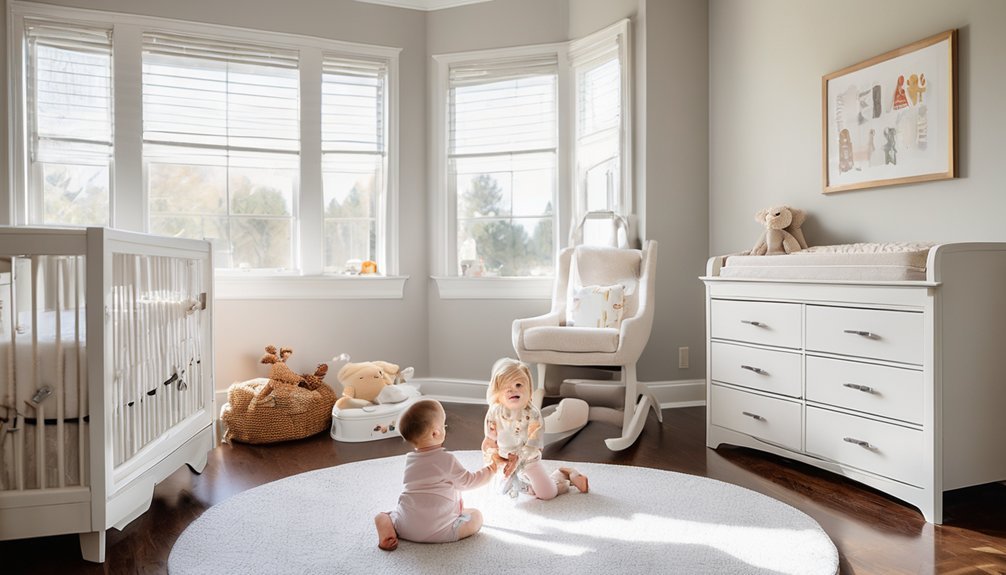
The biggest risks should be addressed first, since falls, electrical hazards, choking hazards, and access to toxic substances account for many of the most serious household injuries in young children.
A calm, room-by-room check helps identify what needs immediate attention. Entryways and stairs may call for baby gate options that fit securely and open easily for adults. Outlets, cords, and power strips should be covered or moved out of reach.
Small objects, coins, batteries, and sharp items belong in closed containers. Cleaning products, medicines, and cosmetics need locked storage, ideally high and separate.
Safety gear, such as cabinet locks and corner guards, can add another layer of protection. The goal is not perfection, but steady progress that makes the home safer and more comforting for everyone.
Secure Furniture and TVs
Heavy furniture and televisions should be anchored to the wall to reduce the risk of tipping, especially as children begin to pull up, climb, or reach. Furniture anchors offer a simple layer of protection, and TV safety improves when screens rest on stable stands or wall mounts.
| Item | Action | Benefit |
|---|---|---|
| Dressers | Secure with anchors | Prevent tipping |
| Bookshelves | Fasten to studs | Add stability |
| TVs | Mount or strap | Improve TV safety |
| Cabinets | Check balance | Reduce movement |
| Stands | Keep low and firm | Support safer play |
A calm home begins with sturdy placement. Parents may feel reassured knowing these steps are discreet, effective, and easy to maintain as a child grows and explores.
Cover Outlets and Tidy Cords
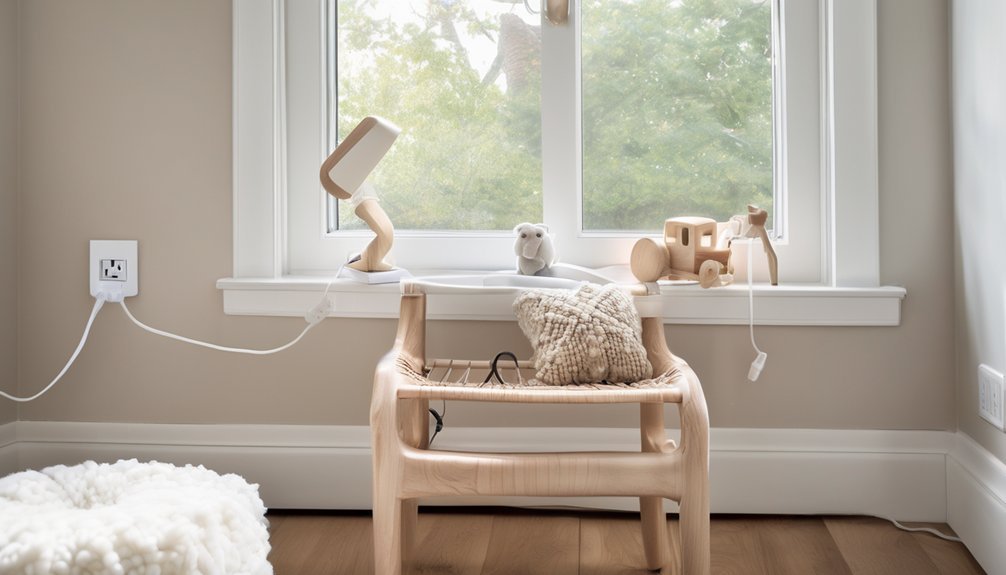
Once furniture is secured, attention can shift to outlets and cords, two common hazards in rooms where infants and toddlers explore at floor level.
Outlet covers should be placed in every unused socket, chosen for a snug fit that resists curious fingers.
In lived-in spaces, cord management matters just as much. Loose charging cables, lamp cords, and blind pulls can be shortened, routed behind furniture, or bundled with simple organizers.
Power strips should be kept out of reach and, when possible, hidden inside protective boxes.
The goal is not to make the home feel sterile, but gently safer, so daily routines remain easy and warm.
With a few quiet adjustments, caregivers can create a calmer environment that supports both closeness and peace of mind.
Lock Away Medications and Cleaners
Cabinets, drawers, and laundry rooms should be secured next, since medications and household cleaners can be especially dangerous in curious little hands.
A high, locked cabinet is ideal for medication storage, with bottles kept in original containers and doses returned immediately after use. Cleaner placement should follow the same rule: store sprays, detergents, and bleach out of reach, separate from food and baby items.
Latches or keyed locks add an extra layer of protection, especially in busy homes where doors are opened often. Families may also benefit from checking purses, diaper bags, and countertops for stray pills or wipes.
Clear habits make protection easier, and steady routines help create a safer, calmer space for everyone.
Block Off Stairs and Off-Limits Rooms
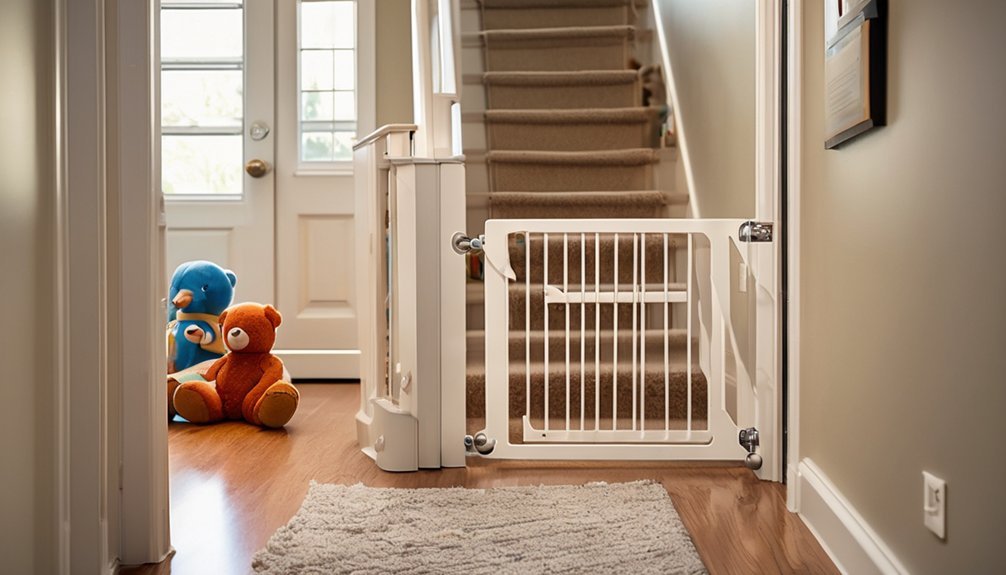
After securing hazardous items, the next step is to control access to areas that may pose falls or contain unsafe objects. Stair gates should be installed at the top and bottom of stairs, firmly anchored and checked often for loose latches.
Room dividers can help create gentle boundaries for doorways, laundry areas, or home offices when full doors are not practical.
- Choose hardware-mounted stair gates for stairs.
- Keep gates closed at all times.
- Use room dividers to block off predictable danger zones.
- Recheck placement as the child grows and begins to climb.
A calm, consistent setup helps the home feel protective and close, while still allowing daily life to flow with ease.
Remove Choking Hazards From Reach
Next, attention should turn to small objects that could fit easily into a child’s mouth. Parents should scan floors, low shelves, and reachable tables for coins, buttons, beads, batteries, and detachable toy parts. Any item smaller than a toilet paper roll can pose danger and should be stored well out of reach.
For small toy safety, adults should check age labels, repair broken toys, and remove loose eyes, magnets, or wheels. Food choking risks also deserve care; grapes, nuts, popcorn, and hard candies should stay away from little hands unless prepared safely and closely supervised.
After each play session, a quick sweep helps keep spaces calm, tidy, and safer for a growing child. Keeping choking hazards away brings peace of mind and supports everyday confidence.
Childproof the Nursery for Sleep Safety
A safe nursery starts with the sleep space itself, which should remain simple, firm, and free of loose items. Clear crib safety begins with a fitted mattress and a tight sheet, creating a steady sleep environment that supports rest without distraction.
- Place the crib away from windows, cords, and wall hangings.
- Remove pillows, bumpers, blankets, and stuffed toys.
- Check hardware often so rails and slats stay secure.
- Keep monitors, cords, and lamps well out of reach.
Soft lighting and a calm room help the baby settle, while clutter stays outside the nursery. A careful setup gives caregivers peace of mind and lets the child sleep in comfort, closeness, and safety.
Babyproof Kitchens and Bathrooms
Kitchens and bathrooms deserve extra attention because they combine sharp edges, heat, water, and chemicals in spaces that are used every day.
For kitchen safety, it helps to lock cabinets with cleaners, keep knives and small appliances out of reach, and turn pot handles inward. Hot drinks and stove controls should stay guarded, with cords tucked away.
In bathrooms, bathroom hazards often include medicines, razors, and slippery floors, so these items belong in latched storage and surfaces need quick cleanup after baths. Toilet locks, faucet guards, and non-slip mats add calm protection.
A parent or caregiver can make these rooms safer by using simple barriers, checking them often, and keeping routines steady. Small changes create a more secure home.
Check Windows, Blinds, and Balconies
Windows, blinds, and balconies need careful attention because even small openings or dangling cords can create serious risks. A calm, thorough check helps keep the home secure while preserving a welcoming, intimate space for family life.
- Install window guards on higher windows, and confirm they cannot be removed by a child.
- Keep blind cords short, tied up, or out of reach to prevent entanglement.
- Use balcony nets or other approved barriers so outdoor areas stay safe without feeling closed off.
- Test latches, screens, and railing gaps, making sure each one is sturdy and fitted properly.
These simple steps can reduce worry and support a safer daily routine.
When each opening is handled with care, parents can relax more fully, knowing the space is prepared with affection and practical protection.
Keep Updating Childproofing as Baby Grows
As a baby begins to roll, crawl, and reach higher, childproofing needs regular updates to match each new stage of mobility. Caregivers can review rooms after each new skill appears, since developmental milestones often change what is within reach.
Gates, cabinet locks, outlet covers, and furniture anchors may need repositioning or replacement as curiosity grows. Ongoing assessments help reveal overlooked hazards, such as cords, small objects, or unstable décor.
A simple routine works well: inspect, adjust, and test each safeguard every few weeks. This steady approach supports a safer home without creating stress.
With each update, the environment stays aligned with the baby’s abilities, allowing exploration to continue with greater confidence and comfort for the family.
Frequently Asked Questions
When Should I Start Childproofing Before My Baby Arrives?
Childproofing should start a few weeks before the baby arrival, ideally in the third trimester. That timing allows careful planning, supporting child safety, and creating a calm, reassuring home before the newborn comes.
How Do I Childproof a Rental Apartment Without Permanent Changes?
They should use temporary solutions: outlet covers, tension gates, cabinet locks, and adhesive corner guards. Then, with quiet suspense, every room reveals safer edges. These measures respect rental restrictions while keeping the home intimate, practical, and reassuring.
What Childproofing Supplies Are Most Budget-Friendly?
Affordable outlet covers and budget friendly gates usually deliver the best value. They protect key hazards without straining finances. He would also consider cabinet locks, corner guards, and door knob covers for low-cost, practical coverage.
How Often Should I Inspect and Replace Worn Safety Gear?
Safety gear should be inspected monthly and after any impact, with replacements made at the first sign of wear. Proactive inspections help extend safety gear lifespan, keeping loved ones protected, confident, and comfortable.
Can Pets Affect My Childproofing Needs at Home?
Yes—pets can significantly change home safety. Nearly 70% of households have animals, so Pet behavior, Safety practices, Child interaction, and Space considerations should guide setup. A detached observer would recommend gates, secure bowls, and supervised introductions.
Conclusion
In the small house of childhood, each latch, gate, and covered outlet was like a quiet guardian at the door. The sturdy chair stayed fastened, the stairway held its barrier, and the medicines slept safely behind locked doors. As the little explorer grew, the house changed its watchful habits, adjusting like a wise lantern following new footsteps. In this way, safety became not a prison, but a path—steady, calm, and ready for every new adventure.