
Keeping toddlers busy while working often starts with a simple setup that feels safe and inviting. A small work zone, a loose routine, and a few open-ended activities can make the day run more smoothly than many parents expect. Quiet play, snack breaks, and thoughtful toy rotation also help. Still, the real difference often comes from how each part fits together when little energy starts to build.
Key Takeaways
- Set up a small toddler work zone with soft flooring, low shelves, and rotating crayons, stickers, and sensory toys.
- Use a simple daily routine with snack, quiet play, movement, and rest blocks to create predictable structure.
- Offer open-ended activities like sensory bins, blocks, art supplies, music, and nature play to keep toddlers engaged.
- Plan regular snack and movement breaks with healthy prepared snacks and short dancing or ball-tossing sessions.
- Stay calm during meltdowns by using a steady voice, gentle boundaries, and one comforting choice like a hug or blanket.
Set Up a Toddler Work Zone
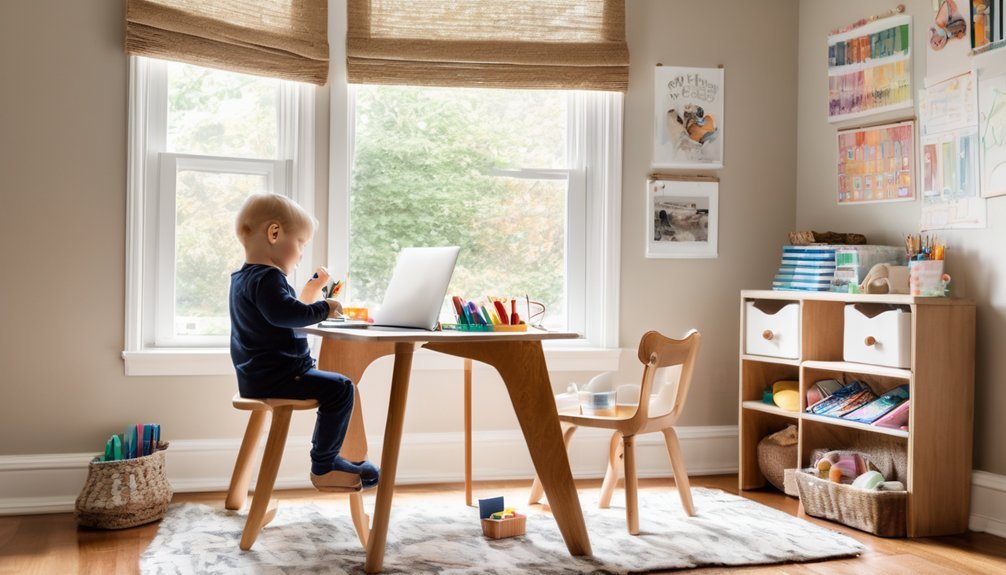
A well-defined toddler work zone can make a busy workday feel more manageable. A small corner with soft flooring, low shelves, and clear boundaries supports toddler safety while giving little hands room to move.
Within reach, she can place creative supplies like chunky crayons, stickers, and paper, along with simple bins for sensory exploration such as fabric pieces or water-resistant toys. Gentle distraction techniques work best when the setup feels inviting, not overwhelming.
A few rotating items help sustain interest without creating clutter. He may find that the child settles more easily when everything needed is nearby and easy to return.
This kind of space offers comfort, structure, and a quiet sense of independence that can make shared hours feel calmer for everyone.
Build a Simple Toddler Workday Routine
When the day follows a simple rhythm, a toddler often settles with less resistance and more confidence. A gentle routine can begin with a brief greeting, a snack, and a few minutes of connection before work starts.
After that, the child can move through predictable blocks of quiet time, movement, and rest. Clear transitions help toddler independence grow, because the child learns what comes next and feels safer doing small tasks alone.
A caregiver may use soft reminders and a visual schedule to keep the flow steady. Short periods of creative play can be placed between work demands, giving the toddler a chance to stay engaged without feeling rushed.
Consistency matters more than perfection, and a calm pattern usually makes the whole day feel easier.
Try Open-Ended Play Ideas

Open-ended play gives a toddler room to explore without needing constant direction, which can be especially helpful during work hours. A caregiver may set out sensory bins, building blocks, and art supplies, then let the child choose how to use them.
Creative crafts and imaginative play invite a toddler to stay engaged, while role playing with simple props can turn ordinary moments into a small adventure. Nature exploration, such as collecting leaves or stones, also offers fresh interest.
Music time can add movement and joy without much setup. These options support independence while still feeling warm and connected. When a toddler feels trusted to lead, the day often becomes calmer, and the adult can return to work with more ease and confidence.
Use Quiet Toddler Activities
Quiet toddler activities can help keep the day steady once the child has had a chance for more active, open-ended play.
Sensory bins with rice, scarves, or soft scoops offer calm focus, while art projects with crayons or stickers invite gentle creativity.
Building blocks, pretend play with simple dolls or animals, and story time can each hold attention without adding too much noise.
Music games with soft clapping or quiet singing bring movement into a peaceful rhythm.
Nature exploration, such as sorting leaves or looking at stones, gives the child something tender to notice.
Puzzle challenges also support concentration and patience.
Together, these quiet choices can soothe the room, respect a parent’s work, and help the toddler feel near, engaged, and secure.
Rotate Toddler Toys and Activities
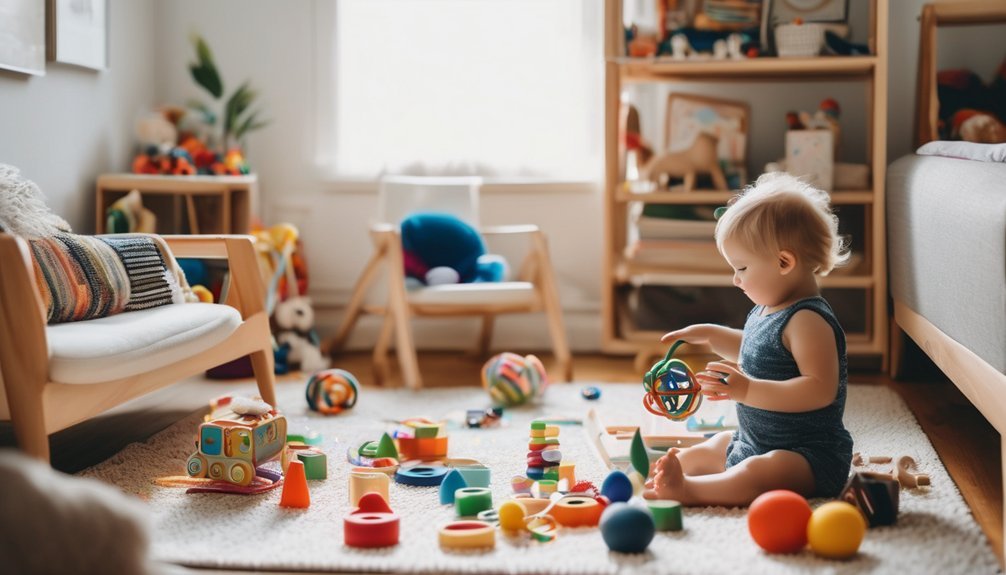
Rotating a few toys and activities can keep a toddler’s interest fresh without adding more clutter or constant planning. A small set of sensory bins, themed boxes, and building blocks can be swapped each week, so each item feels newly discovered.
One day may invite creative art, the next pretend play or interactive games, while story time and outdoor exploration offer gentle variety. This rhythm helps a child settle into play more easily, especially when a familiar toy returns after a short break.
Careful rotation also gives the caregiver a simpler setup, with fewer choices to manage and less tidying at once. A thoughtful mix of favorites and surprises can make long work hours feel more manageable and tenderly supported.
Plan Snack and Movement Breaks
A steady rhythm of snack and movement breaks can help a toddler stay calmer and more cooperative during a workday. Short pauses for healthy snacks give the child something pleasant to look forward to, while also helping maintain energy between tasks.
Simple choices like fruit, yogurt, crackers, or cheese can be prepared in advance, reducing disruption later. After eating, a few minutes of movement can reset attention and release restless energy. Gentle stretching, dancing, or brief active games, such as tossing a soft ball or marching in place, work well.
Keeping these breaks predictable offers comfort and structure. A loving, consistent routine can make long work periods feel more manageable for both parent and child, without demanding constant supervision or perfection.
Handle Toddler Meltdowns Calmly
When a toddler melts down, the goal is not to end the feelings quickly but to keep the moment safe and steady. A calm adult voice, slow breathing, and brief words help the child borrow emotional regulation until it returns.
Gentle boundaries matter: feelings are welcome, hitting is not. After the storm eases, positive reinforcement can support recovery by noticing quiet hands, listening ears, or a softened tone.
- Lower noise and remove nearby hazards.
- Offer one comforting choice, such as a hug or a blanket.
- Stay nearby without crowding, then praise calm behavior.
This approach respects the child’s need for closeness while protecting the parent’s work rhythm. Over time, the child learns that big feelings can pass without fear, shame, or power struggles.
Frequently Asked Questions
How Do I Work From Home With a Toddler and a Baby?
It requires careful time management, realistic expectations, and gentle activity ideas. A parent can alternate short work blocks with babywearing, safe toddler play, naps, and simple routines, creating a nurturing, practical rhythm that feels reassuringly manageable.
What Are the Best Toddler-Friendly Office Jobs?
Best toddler-friendly office jobs include receptionist, administrative assistant, data entry, and remote scheduling roles. These positions often offer predictable routines, a calm work environment, and space for toddler activities, reassuring families seeking intimacy and stability.
How Can I Help My Toddler Learn During Work Hours?
Like sunlight through a window, a toddler’s learning can bloom gently during work hours. She suggests sensory activities and interactive games, keeping lessons brief, warm, and reassuring, so curiosity feels held, not hurried.
What Should I Do if My Toddler Interrupts Important Calls?
They should pause, calmly redirect the toddler, and use call preparation, quiet activities, attention techniques, visual aids, playtime strategies, scheduled breaks, and noise management to reduce toddler distractions, preserving warmth and reassurance during important conversations.
How Do I Balance Work Deadlines and Toddler Care?
Time management, when paired with distraction techniques, often proves the theory that balanced days are possible. He or she may set short work blocks, rotate toddler activities, and accept imperfect progress, easing pressure with gentle, practical reassurance.
Conclusion
Keeping toddlers busy while working is often easier with a calm, thoughtful setup. A designated work zone, simple routine, and a mix of open-ended and quiet activities can support independent play while reducing interruptions. One useful statistic is that toddlers may change activities every 3 to 5 minutes on average, which makes rotating toys and materials especially helpful. With patience, snack breaks, and gentle responses to meltdowns, the day can feel more manageable for everyone.