
A daily cleaning routine for families with kids works best when it stays simple, clear, and age-appropriate. Small tasks can be spread across the day, from morning pickup to evening resets, so no one feels overwhelmed. With a few consistent habits and a shared plan, children can learn responsibility while the home stays more manageable. The next step is deciding which routines fit each part of the day.
Key Takeaways
- Keep routines simple, predictable, and short so kids can follow them easily.
- Use visual chore charts, labels, and checklists for clear daily responsibilities.
- Give kids age-appropriate tasks like putting away shoes, bags, and dishes.
- Build in brief cleanup moments after school, meals, and before bedtime.
- Praise effort often and use small rewards to encourage steady participation.
What a Kid-Friendly Cleaning Routine Needs
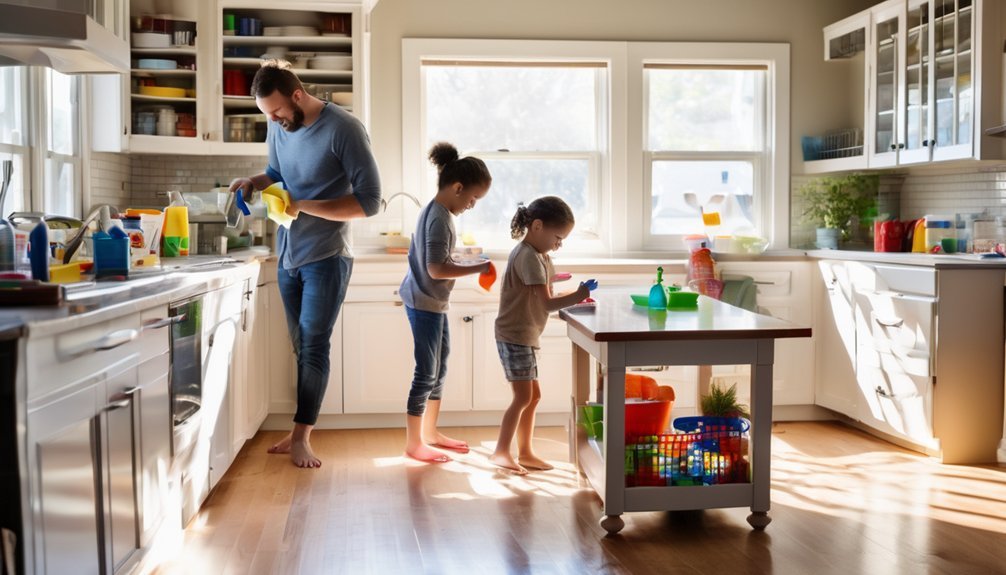
A kid-friendly cleaning routine works best when it is simple, predictable, and easy to follow. It should use short tasks, clear steps, and age-appropriate tools that feel safe in small hands.
Visual cues, such as pictures or color labels, help children know what belongs where without constant reminders. A gentle timer can support focus and reduce frustration.
Regular praise builds cleaning motivation, while small chore rewards can make effort feel noticed without creating pressure. The routine should also leave room for quick wins, because success encourages repeat effort.
Consistent language from adults helps the process feel calm and familiar, which supports trust. When expectations stay realistic, children can participate with confidence and a sense of belonging.
Build a Daily Cleaning Routine for Your Family
With kid-friendly expectations in place, a family can turn them into a daily cleaning routine that fits real life. The aim is not perfection, but a steady rhythm that feels supportive and doable.
Clear chore charts help each child know what belongs to them, while simple check-ins keep cleaning motivation gentle and consistent. A family may find it useful to divide tasks by time, effort, and age.
- Choose a few repeatable chores.
- Assign them with fairness and clarity.
- Review progress together each evening.
This approach builds trust, reduces tension, and keeps the home moving in the same direction. When everyone knows the plan, there is less resistance and more ease.
Small wins matter, especially in close family life.
Morning Tasks for Kids
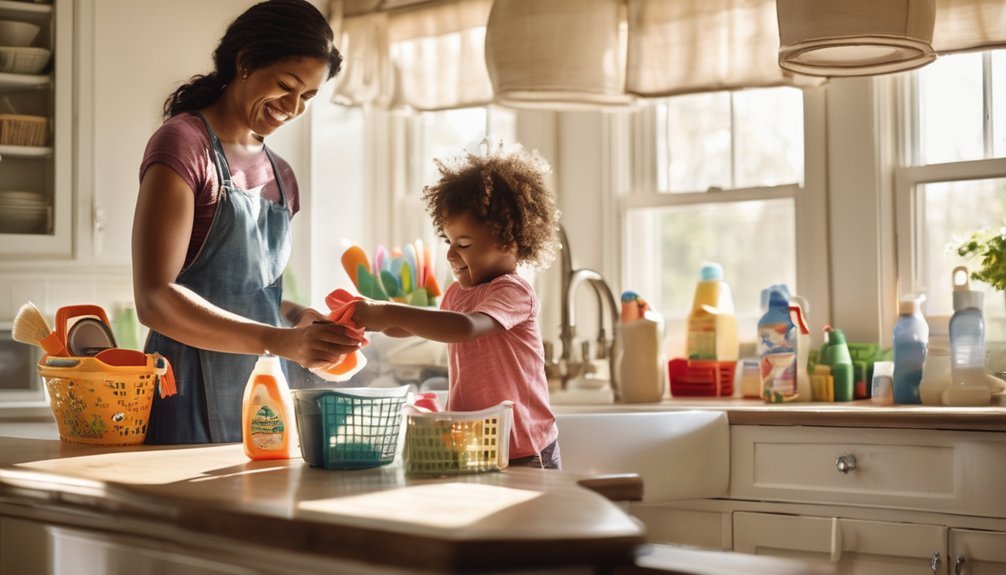
These morning chores build calm habits and help children feel capable without pressure. Parents can keep the list visible near the door or kitchen, so the steps stay clear and familiar.
When kids complete their responsibilities early, the household starts with less clutter and fewer reminders. Gentle praise works well, especially when effort matters more than perfection.
Over time, this routine can feel warm, steady, and shared, giving the home a sense of order that supports everyone.
After-School Cleanup That Sticks
After-school cleanup works best when it becomes a short, consistent transition rather than a long chore list. In a home guided by gentle routine, children can learn that a few small actions protect calm for everyone.
This afterschool organization can stay simple:
- Shoes, bags, and jackets go to one landing spot.
- Papers, devices, and lunch leftovers are cleared from common areas.
- A five-minute homework cleanup follows, with supplies returned and folders checked.
When the same steps happen daily, resistance often fades and confidence grows. Parents can keep directions warm and brief, helping children feel capable rather than managed.
The goal is not perfection; it is a steady rhythm that keeps the evening lighter, tidier, and more connected for the whole family.
Kitchen Reset After Meals
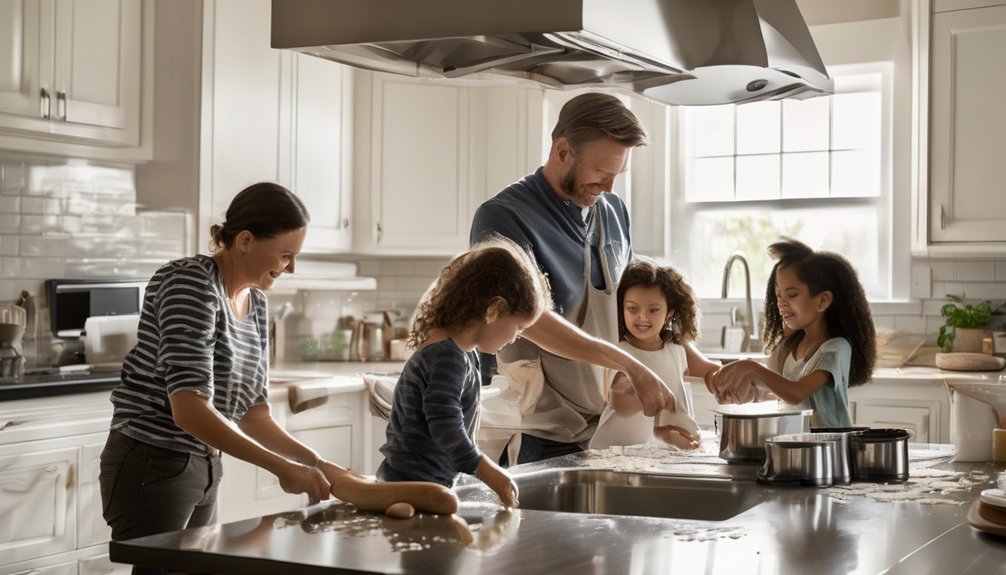
A small kitchen reset after each meal can keep the whole home from feeling unruly. A family can begin by clearing plates, wiping crumbs, and loading dishes right away.
Surfaces stay calmer when counters are returned to a clean state, and kitchen organization becomes easier to maintain. Leftovers should be stored, labeled, and placed where they will be seen for the next meal.
Children can carry napkins, sort reusable containers, or help sweep under the table, making the routine feel shared and gentle. A quick sink rinse and stove check prevent buildup before it starts.
When meal prep follows a tidy space, the next meal feels less rushed and more inviting. This small rhythm supports comfort, order, and a home that feels cared for.
Quick Living Room Tidy-Up
Once the living room begins to collect shoes, blankets, and scattered toys, a short reset can restore calm quickly. A parent or caregiver can guide the family through a calm, five-minute sweep that supports toy organization and clutter management without turning the room into a chore.
- Pick up every item that belongs elsewhere and return it right away.
- Fold blankets, straighten pillows, and smooth the main seating area.
- Use a basket for loose toys so the floor feels open again.
This small habit helps the room feel welcoming, even on busy days, and it teaches children that shared spaces deserve gentle care.
When the tidy-up happens daily, the room stays easier to enjoy and less overwhelming for everyone at home.
Bathroom Cleanup Kids Can Help With
A simple bathroom cleanup gives children a clear way to help keep the space neat and usable each day. They can gather towels, place toys in a basket, and wipe damp surfaces after washing hands.
With a small sponge or cloth, older children may assist with sink wiping, while adults handle stronger cleaners and toilet scrubbing. A short checklist helps the task feel orderly and predictable.
Children can also check for toothpaste spots on the mirror edge, rinse the countertop, and set fresh hand soap in place. Clear praise after each step builds confidence and makes shared care feel warm and close.
When the bathroom is reset together, everyone enters a cleaner space with less stress and more ease.
Bedtime Cleaning Routine for Everyone
As evening settles in, a brief bedtime cleaning routine helps the whole family end the day in a calm, orderly way. Small bedtime chores work best when everyone has a clear part to play, and family involvement keeps the process gentle and connected.
- Put toys, books, and school items back in their places.
- Wipe sticky spots on tables, counters, and shared surfaces.
- Set out clothes, water bottles, and breakfast items for the morning.
This simple rhythm can feel caring rather than demanding, especially when tasks are shared in a steady, predictable order. A tidy room, a clear floor, and a ready kitchen help children settle more easily, while adults enjoy a quieter close to the day.
Keep Your Daily Cleaning Routine Going
Keeping a bedtime cleaning routine helps families end the day in order, and the same steady approach works best when carried into the next day.
Small habits keep momentum strong: making beds, clearing breakfast dishes, and resetting shared spaces before the morning rush. A visible checklist can support cleaning motivation and reduce decisions when energy is low.
Short tasks matched to each child’s age encourage confidence and protect harmony. When family teamwork is present, everyone understands that tidiness is a shared comfort, not a burden.
Gentle reminders, consistent expectations, and a calm tone help the routine feel natural. Over time, these simple actions create a home that feels cared for, close, and ready for each new day.
Frequently Asked Questions
How Can We Clean Safely With Toddlers Nearby?
Safe cleaning means using non-toxic products, keeping bottles closed, and storing tools out of reach. Toddler supervision stays constant, with one adult nearby, clear floors, and short tasks to protect little hands and curious hearts.
What Cleaning Tools Are Best for Small Hands?
Kid friendly brooms and mini dustpans suit small hands best, alongside lightweight microfiber cloths and spray bottles with easy triggers. These tools build confidence, keep chores manageable, and invite gentle, shared participation.
How Do I Motivate Kids to Help Daily?
Motivation blooms like sunlight in a shared garden; chore charts give structure, positive reinforcement builds confidence, fun games turn tasks playful, and family rewards keep daily help warmly connected, practical, and consistent.
How Can We Handle Messes When Routines Change?
When routines change, they can handle messy moments by simplifying expectations, assigning quick reset tasks, and adapting strategies to fit the new day. Gentle consistency keeps the home manageable and everyone feeling connected.
What if One Child Refuses to Participate?
If one child refuses, 70% of family routines improve with consistency. They can use child resistance strategies and sibling cooperation techniques: offer choices, keep tasks brief, praise effort, and preserve warmth while staying firm.
Conclusion
In the end, the simplest daily cleaning routine for families with kids often proves to be the most effective. Small tasks, assigned clearly and repeated consistently, can turn chaos into cooperation. Ironically, the quickest way to avoid a messy home is not a perfect plan, but a realistic one. When children help with morning, after-school, and bedtime cleanups, tidiness becomes less of a battle and more of a shared habit.