
Family game night for toddlers works best when the activities are simple, safe, and easy to join. A soft play space, a few matching games, gentle movement, and quiet closing activities can keep the evening calm and fun. With the right mix of structure and flexibility, even short games can hold a child’s attention and make the night feel special. The small details often matter most.
Key Takeaways
- Choose simple games like matching cards, rolling a soft ball, and block building that toddlers can understand quickly.
- Set up a safe, calm play area with soft rugs, gentle lighting, and toys stored in easy-to-reach bins.
- Use movement games like stretching, tiptoeing, and copying actions with short rounds and lots of praise.
- Try sorting and matching activities by color, shape, size, texture, or animal type to keep toddlers engaged.
- End with quiet games like picture matching, stuffed animal hide-and-seek, puppet whispering, or coloring together.
Best Easy Games for Toddler Game Night
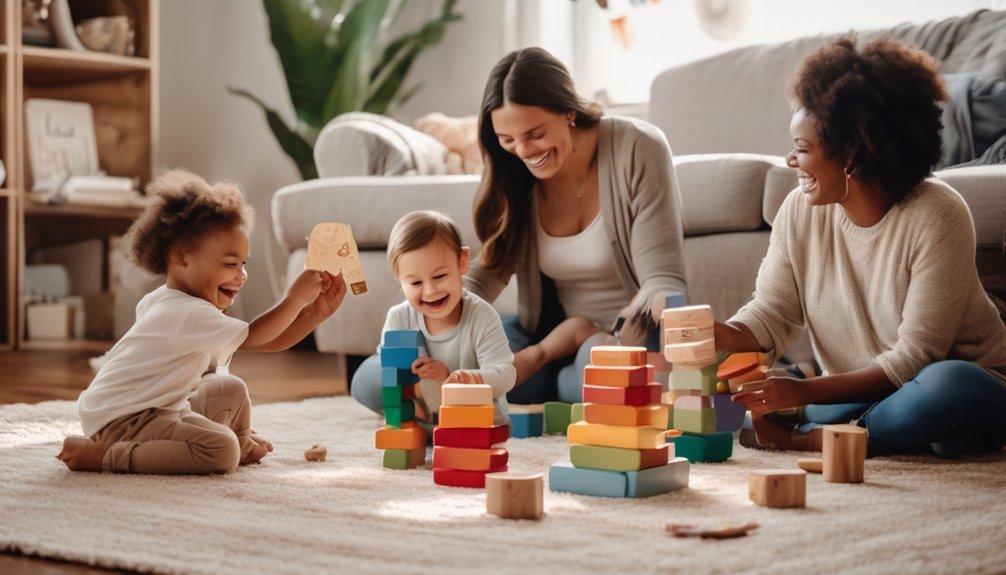
Toddler game night works best when the activities are simple, quick, and easy to understand. Gentle favorites include matching picture cards, rolling a soft ball back and forth, and taking turns placing blocks in a tower.
These games invite small hands to join in without pressure, while still helping little ones feel included and seen. Interactive storytelling can also hold attention, especially when an adult uses different voices, familiar animals, and brief pauses for the child to answer.
Sensory play adds warmth through safe materials like scarves, textured toys, or a bowl of dry pasta for sorting. Each activity should feel calm, close, and reassuring, so the child can explore, smile, and share the moment with care.
Set Up a Toddler-Friendly Game Space
A calm play area helps those easy games feel even more enjoyable and secure. A soft rug, low table, and gentle lighting can make the space feel welcoming for little hands and curious eyes.
For toddler safety, sharp corners should be covered, and small items kept out of reach. Game organization matters too, because tidy bins and labeled baskets help adults find pieces quickly and help toddlers know where things belong.
- Keep the floor clear and soft.
- Store toys in easy-to-open containers.
- Place games within a child’s view.
- Remove clutter before play begins.
With a simple setup, family time feels warm, peaceful, and close. Each detail supports comfort, confidence, and shared joy.
Try Simple Movement Games
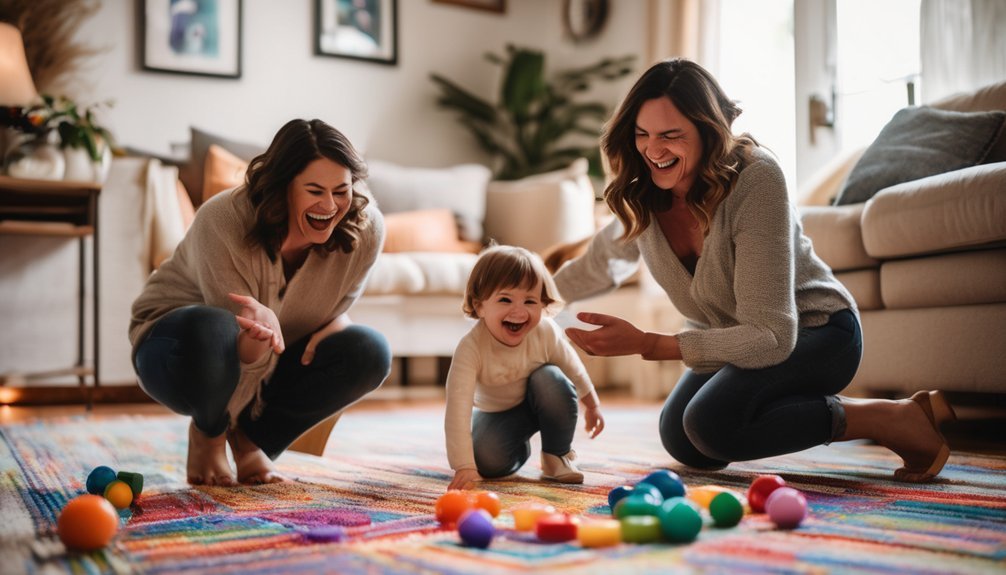
Gentle movement games can keep toddlers engaged while helping them use their bodies in simple, joyful ways. Simple toddler friendly activities like stretching tall, tiptoeing across the room, or clapping to a beat can bring calm excitement to family game night.
A grown-up may invite a toddler to copy easy actions, such as jumping once, turning around, or reaching high, while offering warm praise. These small challenges support movement based fun without pressure or confusion.
Short rounds work best, since toddlers often enjoy quick changes and clear direction. Soft music, open floor space, and steady encouragement can make the experience feel safe and inviting.
With a gentle pace, the whole family can share laughter, connection, and playful movement together.
Play Matching and Sorting Games
Matching and sorting games offer toddlers a calm way to notice shapes, colors, sizes, and simple patterns during family game night. Gentle play helps little hands practice color recognition while feeling safe and seen. A parent may place soft blocks, cards, or toys on a blanket and invite close attention without pressure.
- Shape matching can pair circles, squares, and stars.
- Animal sorting can group lions, birds, and fish.
- Texture exploration can compare smooth, fuzzy, and bumpy items.
- Size sorting can arrange small, medium, and large pieces.
These quiet games support early thinking and offer warm moments of togetherness. When toddlers succeed, their confidence grows, and the family shares a tender, playful rhythm that feels natural, reassuring, and lovingly simple.
Use Music and Rhythm Games
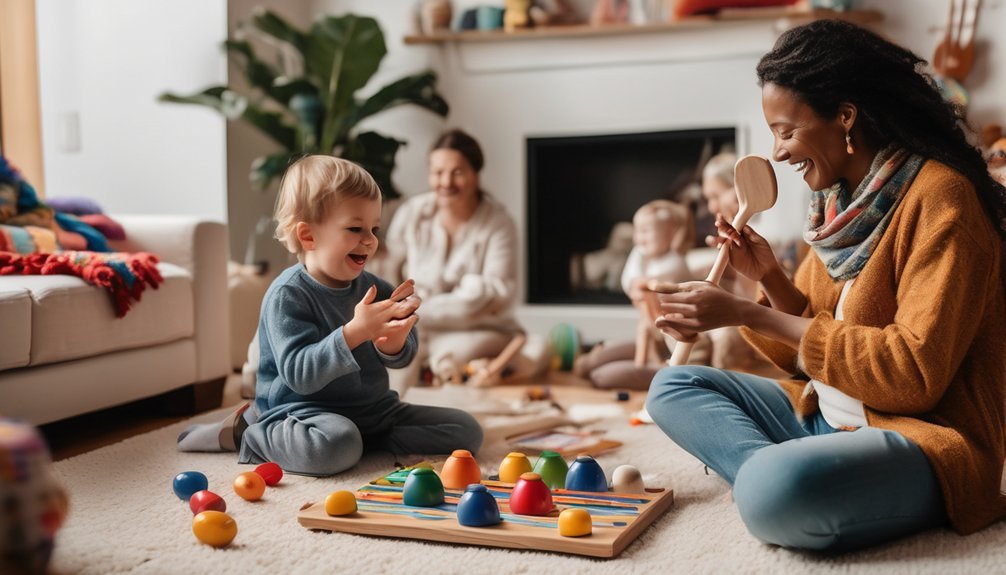
Music and rhythm games give toddlers a cheerful way to move, listen, and join in with the family. Gentle clapping, tapping, and swaying help little ones feel the beat and copy simple patterns.
Rhythm sticks can be passed around for light tapping on the floor or against each other, keeping the activity safe and easy to follow. Simple songs with motions invite toddlers to point, spin, and stomp with delight.
Musical chairs can be played in a soft, toddler-friendly way by using extra cushions and slow music, so every child feels included. These games build listening skills, turn-taking, and body awareness while bringing warmth to family time.
Small moments of music often create the sweetest shared memories.
Add Quiet Games for Wind-Down
As the playtime winds down, quiet games can help toddlers settle into a calmer rhythm. Gentle choices invite quiet time and support relaxation techniques that feel soft and comforting. A family may choose activities that slow the body and soothe the mind.
- Picture matching: Simple cards help little ones focus.
- Stuffed animal hide-and-seek: A favorite toy adds cozy fun.
- Puppet whispering: Soft voices make the room feel peaceful.
- Coloring together: Crayons and paper offer a calm finish.
These quiet games create a tender ending to family game night. They give toddlers a chance to rest while still feeling close, seen, and included.
Keep Toddler Game Night Stress-Free
Keeping toddler game night stress-free starts with simple expectations and flexible choices. Adults can keep toddler expectations gentle by explaining one game at a time, showing the steps, and allowing silly mistakes. A short game duration helps little ones stay calm and interested, especially when attention drifts quickly.
| Gentle choice | Why it helps |
|---|---|
| Simple rules | Easier to follow |
| Short turns | Less waiting |
| Familiar games | More confidence |
| Calm voices | Softer mood |
| Easy exits | Fewer tears |
When a toddler seems tired, the family can pause without worry. The evening stays warm when fun matters more than perfection, and every small success is noticed with tenderness.
Add Snacks and Simple Rewards
Small snacks and simple rewards can help toddler game night feel cheerful and manageable. Gentle snack ideas keep little hands busy and moods steady, while reward stickers add a sweet sense of success. Caregivers may offer foods that are easy to hold and clean to eat, so the evening stays calm and cozy.
- Sliced fruit and soft cheese
- Whole-grain crackers with hummus
- Mini muffins or yogurt bites
- Water in small cups beside each child
After a game, a sticker on a chart can celebrate effort, sharing, or waiting patiently. These small moments of praise help toddlers feel seen and loved.
When snacks stay simple and rewards stay light, the focus remains on togetherness, comfort, and easy joy.
Frequently Asked Questions
What Age Is Best to Start Family Game Nights With Toddlers?
The best age to begin family game nights is around 2 years old, when simple toddler game types and engaging activities can hold attention. Gentle, playful routines help toddlers feel secure, included, and loved.
How Long Should a Toddler Game Night Usually Last?
Usually, it lasts 15 to 30 minutes—because toddler attention spans treat marathon game nights like a royal insult. Gentle game night themes help keep the evening sweet, simple, and close.
What if My Toddler Loses Interest Quickly During Games?
Short bursts and gentle engagement strategies help. Offering game variety, frequent praise, and easy transitions can keep a toddler interested. If attention fades, a brief break or a new activity may restore comfort and joy.
Can Siblings of Different Ages Play the Same Toddler Games?
Yes, siblings of different ages can often join the same toddler games with thoughtful game adaptations. Gentle sibling dynamics improve when older children simplify play, take turns, and help younger ones feel included, safe, and valued.
How Often Should We Have Family Game Night With Toddlers?
Twice a week often works well for toddlers, supporting family bonding without causing fatigue. Gentle game selection keeps evenings fun and predictable, while leaving space for rest, routines, and affectionate connection among everyone involved.
Conclusion
In the end, a toddler family game night can feel like a tiny festival of joy, where simple games become giant adventures. With soft spaces, easy movement, matching fun, music, and calm wind-down activities, little ones stay happily engaged without overwhelm. The best part is not perfection, but the sweet connection shared around every giggle, card, block, and song. A few snacks and gentle rewards can turn an ordinary evening into an unforgettable celebration.