
Printable reward charts can give toddlers a simple, visual way to notice daily routines and small successes. A good chart uses clear pictures, one or two goals at a time, and gentle praise rather than pressure. Many families find that themes, stickers, and predictable placement make the routine easier to follow. The real challenge is choosing a format that supports cooperation without turning the chart into a source of conflict.
Key Takeaways
- Keep toddler reward charts simple, visual, and immediate, using stickers or icons for quick positive feedback.
- Track one daily routine at a time, such as brushing teeth, dressing, or bedtime.
- Choose familiar themes like animals, space, superheroes, princesses, or transportation to boost engagement.
- Use warm, brief praise and consistent routines to avoid power struggles and support cooperation.
- Set realistic goals and celebrate small progress without pressure to help toddlers feel capable.
What Makes a Good Toddler Reward Chart
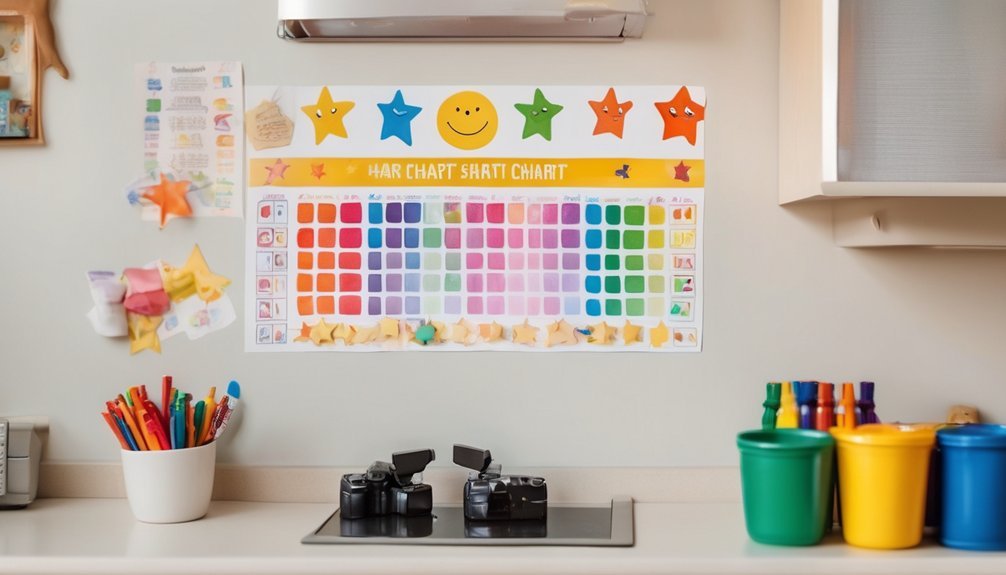
A good toddler reward chart is simple, immediate, and visually clear, helping young children connect their behavior with a concrete outcome. It works best when positive reinforcement follows quickly, so the child can link effort to praise or a small reward.
Chart customization matters because familiar images, colors, and a few easy targets support understanding without overload. Visual progress, such as stickers or icons filling a space, strengthens toddler motivation and makes success feel reachable.
Effective goal setting uses one behavior at a time, keeping expectations developmentally appropriate. Consistency strategies are essential; when adults respond the same way each time, the chart becomes predictable and comforting.
A well-designed chart supports learning, not pressure, and helps toddlers feel seen, capable, and gently guided.
Printable Reward Chart Ideas for Daily Routines
Simple printable reward charts can make daily routines easier for toddlers to understand and follow. Brief, consistent visuals help strengthen memory, support independence, and reduce power struggles. A simple chart may track morning routines, hygiene habits, bedtime tasks, and chore completion.
| Routine | Goal | Reward |
|---|---|---|
| Morning routines | Get dressed | Sticker |
| Hygiene habits | Brush teeth | Star |
| Chore completion | Put toys away | Check mark |
| Bedtime tasks | PJs and story | Hug |
Evidence suggests toddlers respond best to immediate praise and clear steps. Printable charts should use one task at a time, with gentle language and a warm tone. When adults stay steady, little ones often feel safer, more capable, and eager to repeat the routine.
Toddler Reward Chart Themes They’ll Love
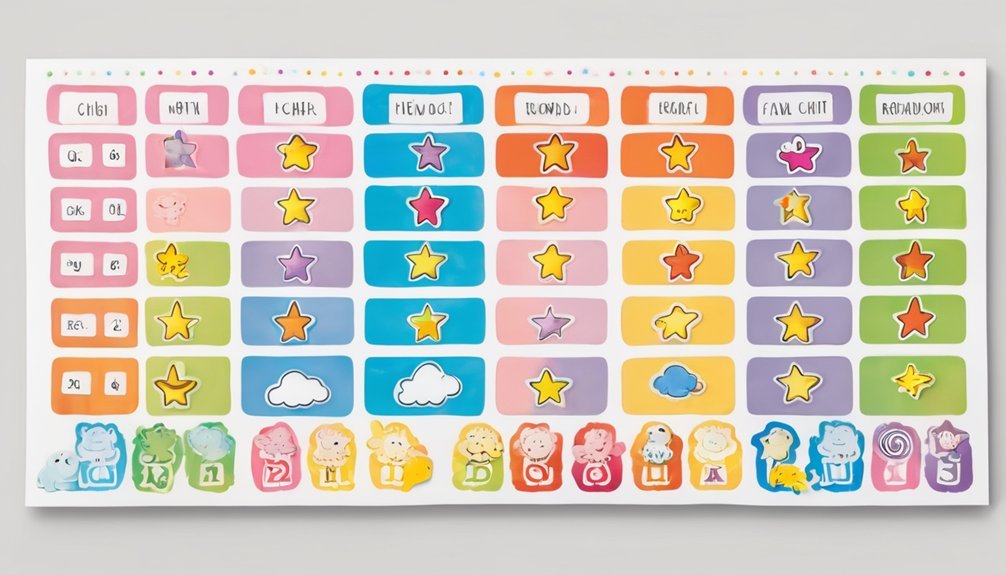
Toddlers often respond well to reward chart themes that feel familiar, playful, and easy to understand, such as animals, stars, vehicles, or favorite colors.
Simple animal themes can make each sticker feel warm and inviting, while space themes add a sense of wonder that many young children enjoy.
Superhero themes may appeal to toddlers who like strong, brave characters, and princess themes often feel magical without needing complex rules.
Nature themes, such as flowers, trees, and sunshine, can create a calm, friendly look.
Transportation themes, including cars, trains, and planes, are especially helpful for children who love movement and routine.
The best themes use clear pictures and limited choices, supporting early attention, recognition, and motivation in a gentle, developmentally appropriate way.
How to Use Reward Charts Without Power Struggles
Reward charts work best when they are introduced as a predictable routine rather than a negotiation tool. For toddlers, the chart should simply mark small efforts, not become a test of will.
Clear, brief language helps, and managing expectations means explaining in advance what earns a sticker and when the reward arrives. Positive reinforcement is most effective when it is immediate, specific, and warm: “You put your toys away.”
If a toddler resists, adults can stay calm, avoid debate, and return to the chart later. The chart should support connection, not control.
When used gently and consistently, it can help a young child feel seen, understood, and capable, while keeping everyday limits steady and loving.
Free Printable Reward Chart Tips for Parents
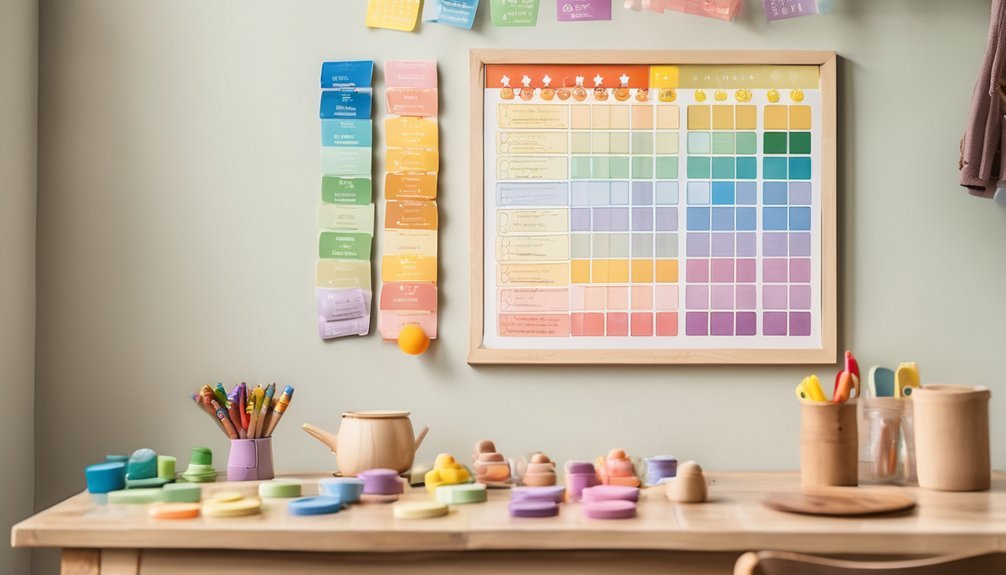
Parents looking for a practical way to keep the routine gentle often find that a free printable reward chart works best when it is simple, visual, and easy to use consistently.
For toddlers, the most effective reward system usually tracks one behavior at a time, such as hand washing or putting toys away. Chart customization matters because a familiar image, bold colors, and a few clear spaces help young children understand success quickly.
Adults should praise effort immediately and pair each mark with warm attention, since short-term encouragement supports learning better than delayed rewards. It also helps to keep goals realistic, use the chart briefly, and celebrate progress without pressure.
When expectations stay tender and predictable, toddlers feel safe, seen, and more willing to cooperate.
Frequently Asked Questions
How Many Stars Should a Toddler Earn Before a Reward?
Typically, a toddler should earn 3–5 stars before a small reward, with star thresholds kept modest and earning consistency emphasized. Developmentally informed, age appropriate, evidence based guidance suggests immediate praise and gentle intimacy throughout.
What Rewards Work Best for Toddlers Without Creating Sugar Habits?
Non food rewards work best: sticker choice, extra playtime, special story, praise, and small privileges. Creative incentives support positive reinforcement and milestone tracking, keeping toddlers engaged without encouraging sugar habits, in age appropriate, evidence based ways.
Can Reward Charts Help With Potty Training?
Yes; a small star chart can act like a lantern, guiding potty training strategies and toddler motivation. Evidence suggests immediate praise and simple visual rewards help toddlers connect toileting success with warm, age-appropriate encouragement.
Should Both Parents Use the Same Reward Chart System?
Yes, both parents should usually use the same reward chart system. Consistency benefits toddlers’ learning, while parent involvement, communication strategies, and chart customization help keep expectations clear, age appropriate, developmentally informed, and evidence based.
How Often Should Printable Reward Charts Be Changed?
Typically, reward charts are changed every two to four weeks, depending on reward chart frequency and chart design variations; conversely, a good old-fashioned tweak keeps toddlers engaged, developmentally supported, age appropriate, and evidence based.
Conclusion
A well-made toddler reward chart can be a small compass, gently guiding daily routines without pressure or confusion. When the chart uses simple visuals, familiar themes, and one clear goal at a time, toddlers are more likely to understand and cooperate. With consistent adult support and calm encouragement, the chart becomes more than a checklist—it becomes a reassuring routine that helps children build confidence, independence, and positive habits in a playful, developmentally appropriate way.