
Busy parents often need a family calendar that does more than list dates. A wall planner, shared app, or digital calendar can each work, depending on the household’s pace. The key is making it easy to see, update, and trust. Color codes, reminders, and a daily check-in can reduce missed events and last-minute stress. The next step is choosing a system that actually fits real family life.
Key Takeaways
- Choose a calendar system that fits your family’s daily rhythm, whether paper, wall, or digital.
- Use a shared calendar to keep everyone informed and reduce scheduling confusion.
- Place the calendar in a high-traffic spot or use mobile access for easy updates.
- Apply color coding and reminders to quickly identify school, work, and urgent events.
- Make calendar checks part of morning and evening routines to stay organized.
Choose the Right Family Calendar System
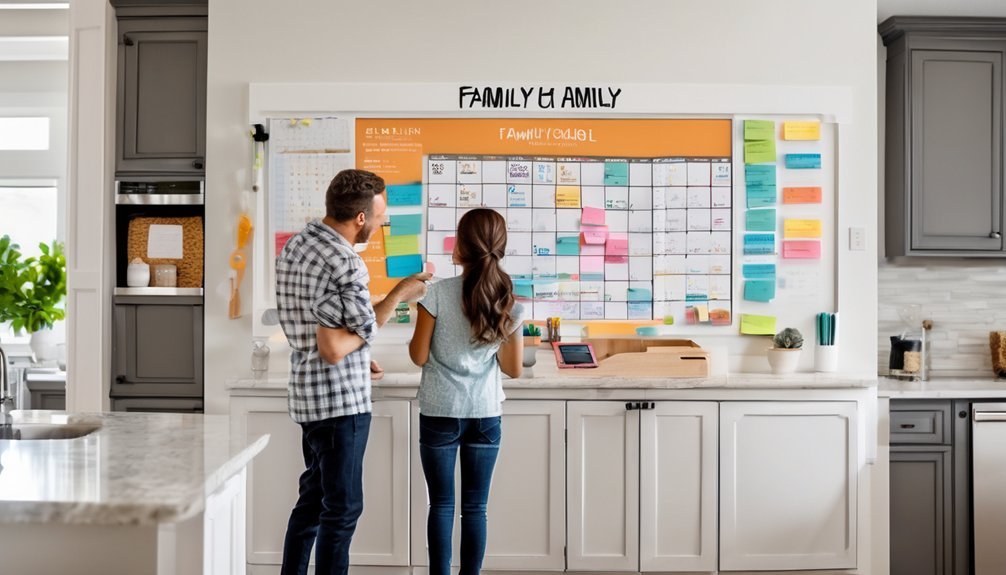
Choosing the right family calendar system begins with matching the tool to the family’s daily rhythm. Some homes stay steady with paper planners, where notes can be seen at a glance and hands can add reminders during family meetings.
Others rely on mobile apps, which keep schedules close on digital devices and help when plans change quickly. The best choice supports memory, reduces stress, and makes responsibilities feel shared rather than hidden.
A parent may notice that one system works better for school dates, another for work shifts, but the goal stays the same: everyone knows what matters, when it matters, and who is involved.
When the system fits the family’s pace, daily life feels calmer, warmer, and easier to navigate together.
Compare Wall, Digital, and Shared Calendars
Once a family calendar system is in place, the next step is deciding which format will be easiest to maintain day after day.
A wall calendar offers visible wall calendar benefits: it keeps plans in sight and suits households that like a calm, shared rhythm.
Digital calendar apps, by contrast, work well for parents who need quick updates and automatic reminders.
Shared calendars sit between those options, letting everyone contribute without crowding the kitchen wall.
- Wall calendars favor easy glanceability.
- Digital calendar apps favor flexibility and alerts.
- Shared calendars favor teamwork and fewer missed details.
The best choice usually reflects the family’s habits, not perfection.
When the format feels gentle and familiar, it becomes easier to keep life organized together.
Make the Family Calendar Easy to Access

A family calendar works best when it is easy to reach and hard to overlook. Busy parents often benefit from placing it where daily routines naturally pass, such as the kitchen, entryway, or shared digital space.
Mobile access through calendar apps helps each person check plans quietly during school runs, work breaks, or bedtime. Family involvement grows when everyone knows where updates appear and feels welcome to use them.
Clear visibility options also matter, since some households prefer a public display while others need privacy for select events. The aim is simple: reduce friction so the schedule supports the household instead of adding pressure.
When the calendar stays accessible, it becomes a steady source of calm and coordination.
Set Up Color Codes and Reminder Rules
Color codes can turn a busy family calendar into a quick visual system, letting each person spot school events, work shifts, appointments, and shared plans at a glance.
Thoughtful color coding keeps the calendar gentle and clear, so no one feels overwhelmed by a wall of text. Many families choose simple rules:
- Blue for school and childcare
- Green for work and household tasks
- Red for urgent or time-sensitive plans
Reminder settings should match the event’s importance. A same-day alert may suit routine tasks, while appointments may need a day-before notice and a final ping an hour ahead.
Keeping the rules consistent helps everyone trust the system. When the calendar feels predictable, it supports busy parents and makes shared life feel a little more cared for.
Turn the Family Calendar Into a Daily Routine

With color codes and reminder rules in place, the family calendar works best when it becomes part of the daily rhythm rather than a tool used only when problems appear. A brief morning check and an evening review can anchor daily habits, helping everyone see what needs attention before the day becomes crowded.
Routine consistency matters, because small pauses build trust and reduce last-minute stress. When children and partners join the check-in, family involvement grows naturally, and shared plans feel less like chores and more like care.
Placing the calendar where it is easy to see supports time management and keeps commitments visible. Over time, this simple practice helps the household stay connected, prepared, and calmer, even during busy seasons.
Frequently Asked Questions
How Do I Get Reluctant Family Members to Actually Use the Calendar?
They are more likely to use the calendar when calendar incentives are simple, and engaging design makes checking it feel effortless. Gentle reminders, shared ownership, and one visible benefit can turn reluctance into habit.
What’s the Best Way to Handle Last-Minute Schedule Changes?
The best approach is schedule flexibility paired with clear communication strategies. They should update the calendar immediately, notify everyone affected, and confirm new plans quickly. A calm, consistent system helps preserve closeness while reducing confusion.
How Can I Prevent Calendar Overload With Too Many Entries?
A stitch in time matters: limit entries to essentials, use calendar prioritization strategies, and choose digital versus physical tools that fit routines. He suggests weekly reviews, color-coding, and saying no to low-value commitments.
Should I Include Meal Plans and Chores in the Family Calendar?
Yes, if kept concise, meal planning and chore assignments can reduce daily stress. A shared calendar works best when it highlights recurring tasks, preserves privacy, and leaves space for flexibility, intimacy, and calm routines.
How Do I Keep the Calendar Useful During Vacations and School Breaks?
Keep it flexible by marking only key dates, travel details, and rest days. During vacation planning, a shared calendar supports family bonding by reducing stress, while allowing spontaneous activities, adjusted routines, and easy updates.
Conclusion
A family calendar works best when it is simple, visible, and used every day. Whether the household chooses a wall calendar, a digital app, or a shared system, the goal is the same: fewer missed details and less last-minute stress. With clear color codes, easy access, and quick daily check-ins, even the busiest home can feel more coordinated. It may not solve every chaos-storm, but it can make family life feel wonderfully manageable.