Step into the world of tiny footsteps with our comprehensive guide to baby shoes for walking.
Just as a sturdy foundation is crucial for a building’s structural integrity, proper foot support is essential for your little one’s development.
From understanding the different types of walking shoes to considering factors like sizing and materials, we’ll equip you with the knowledge needed to make informed choices.
Join us as we explore the intricate details of keeping your baby’s feet comfortable and safe during their exciting journey of learning to walk.
Key Takeaways
- Proper foot support is crucial for preventing foot-related issues in all age groups.
- Baby shoes should have a soft and flexible sole to mimic walking barefoot.
- Walking barefoot improves balance, coordination, and sensory feedback.
- Shoes with a wide toe box are essential for allowing toes to spread out and grip the ground effectively.
The Importance of Proper Foot Support
Proper foot support is crucial for preventing foot-related issues in individuals of all ages, as it ensures the alignment and stability of the feet during various activities. This is especially important for babies who are just learning to walk.
Baby shoe anatomy plays a significant role in providing the necessary support and protection for their developing feet. When babies start walking, their feet are still growing and developing. Choosing the right shoes can have a profound impact on their foot health.
Baby shoes should have a soft and flexible sole to mimic the sensation of walking barefoot. This allows their feet to move naturally and develop strength and coordination. Shoes with a wide toe box are also essential to allow their toes to spread out and grip the ground effectively.
Walking barefoot has several benefits for babies. It helps improve their balance and coordination, as they have to rely on the muscles and tendons in their feet to support their body weight. Barefoot walking also enhances sensory feedback, allowing them to feel different textures and surfaces, which aids in their overall development.
Different Types of Baby Walking Shoes
There are various brands and styles available, and parents can choose between sneakers, sandals, and boots for their baby’s walking shoes. When it comes to choosing the right baby shoe brands for walking, there are a few factors to consider. Here are some key points to keep in mind:
- Comfort: Look for shoes that are made from soft, flexible materials that will provide comfort and support for your baby’s feet.
- Fit: It’s important to choose shoes that fit properly to ensure your baby’s feet have room to grow and develop. Consider shoes with adjustable straps or laces for a snug fit.
- Support: Look for shoes with a sturdy sole and a supportive arch to help your baby’s feet develop properly. Avoid shoes that are too rigid or too flimsy.
- Breathability: Babies’ feet can get sweaty, so it’s important to choose shoes that allow for proper airflow to keep their feet dry and prevent discomfort.
When transitioning shoes for your baby, it’s important to choose shoes that provide a balance of support and flexibility. Look for shoes with a flexible sole that allows for natural movement, while still providing enough support for their growing feet.
Factors to Consider When Choosing Baby Shoes
One factor to consider when choosing baby shoes is the material they are made of, as it can greatly impact the comfort and flexibility for their growing feet. Babies’ feet are delicate and still developing, so it is important to choose shoes that provide proper support and allow for natural movement.
When it comes to material, it is recommended to opt for soft, breathable fabrics such as leather or mesh. These materials help to keep the feet dry and prevent any discomfort or irritation. Additionally, they allow for proper air circulation which is essential for maintaining healthy feet.
Another important factor to consider is proper sizing. It is crucial to ensure that the shoes fit well and provide enough space for the baby’s feet to grow. Ill-fitting shoes can cause discomfort, hinder proper development, and even lead to foot problems in the future.
Durability and longevity are also important considerations. Babies tend to be active and constantly exploring their surroundings, so their shoes should be able to withstand daily wear and tear. Choosing shoes made from durable materials and with sturdy construction will ensure that they last longer and provide adequate protection for the baby’s feet.
Sizing and Fit: Ensuring Comfort and Safety
The appropriate sizing and a proper fit are essential to ensure the comfort and safety of babies when choosing shoes for walking. Baby’s feet are constantly growing, and it is crucial to select shoes that allow for proper foot development and movement. Here are some important factors to consider when it comes to shoe sizing and fit:
Measure the feet: Before buying shoes, measure your baby’s feet accurately using a foot measuring tool or with the help of a professional. This will ensure the correct shoe size is chosen.
Allow room for growth: Babies’ feet grow rapidly, so it’s important to choose shoes that leave some room for growth. A thumb’s width of space at the front of the shoe is generally recommended.
Check for flexibility: Opt for shoes that are flexible and have a soft sole. This allows for natural foot movement and development, promoting healthy foot growth.
Consider the closure: Choose shoes with adjustable closures such as Velcro or laces. This allows for a secure fit and accommodates different foot shapes.
By considering these factors, parents can ensure that their baby’s shoes fit properly, allowing for comfortable and safe walking.
Proper shoe sizing and fit are crucial for healthy foot growth and development in babies.
Materials and Construction: What to Look For
When choosing baby shoes for walking, it is important to consider the materials and construction, as they play a vital role in ensuring the durability and comfort of the footwear. Proper sizing is crucial to prevent discomfort and potential foot problems. It is recommended to measure the baby’s feet regularly and choose shoes that provide enough room for growth.
When it comes to materials, soft and breathable fabrics such as leather or mesh are ideal choices. These materials allow for proper air circulation and prevent excessive sweating, which can lead to discomfort and irritation. Additionally, shoes with flexible soles are essential for proper foot development. The soles should be sturdy enough to provide protection but also flexible to allow natural movement and foot flexibility.
In terms of construction, look for shoes with cushioned insoles and padded collars to provide extra comfort and support. Adjustable closures, such as Velcro or laces, allow for a secure fit and accommodate different foot shapes. It is also important to regularly inspect and clean the shoes to ensure they are in good condition. Regular shoe maintenance, including cleaning, drying, and replacing worn-out shoes, will contribute to the longevity of the footwear and the overall foot health of the baby.
Features for Stability and Balance
In order to enhance stability and balance, it is essential to incorporate innovative features into baby shoes, such as reinforced soles and strategically placed grip patterns. These features are crucial for supporting proper foot development and helping babies achieve important walking milestones.
When choosing baby shoes, it is important to consider the following features:
Reinforced soles: Shoes with reinforced soles provide the necessary support and stability for a baby’s developing feet. The sturdy sole helps distribute the weight evenly and prevents the feet from rolling inward or outward.
Strategically placed grip patterns: Shoes with grip patterns on the soles help prevent slipping and sliding, especially on smooth surfaces. These patterns provide additional traction and help babies maintain their balance while learning to walk.
Flexible construction: Baby shoes should have a flexible construction that allows natural foot movement. This allows the foot muscles to develop properly and encourages proper gait development.
Adjustable closures: Shoes with adjustable closures, such as Velcro straps or buckles, ensure a secure fit. This helps prevent the shoes from slipping off or causing discomfort, allowing babies to walk with confidence.
Protecting Little Feet: The Role of Shoe Design
A comprehensive understanding of shoe design plays a crucial role in ensuring the protection and proper development of little feet. When it comes to baby shoe trends, it is important to consider the comfort, support, and flexibility that a shoe provides. In recent years, there has been a growing trend towards barefoot walking for babies, as it allows their feet to develop naturally. As a result, shoe designers have started incorporating elements of barefoot walking into their designs.
| Comfort | Support | Flexibility |
|---|---|---|
| Soft, breathable materials | Cushioned insoles | Flexible soles |
| Wide toe boxes to allow natural movement | Ankle and arch support | Bendable materials |
| Adjustable closures for a secure fit | Reinforced heel cups | Lightweight construction |
By considering these factors, shoe designers can create shoes that not only protect little feet but also support their proper development. It is important for shoes to be comfortable, allowing babies to move and explore without restrictions. Supportive features such as cushioned insoles and reinforced heel cups provide stability and balance. Lastly, flexibility is key to mimicking the natural movement of barefoot walking.
Baby Shoe Brands to Consider
Among the myriad of options available, parents seeking quality baby shoes should consider reputable and established brands. When it comes to choosing the right baby shoes, it is important to prioritize comfort, durability, and proper fit.
Here are some tips for choosing the right size and a comparison of top baby shoe brands:
Measure your baby’s feet: Use a measuring tape or a foot sizing chart to determine the correct size. Remember that babies’ feet grow rapidly, so it is essential to measure their feet regularly.
Look for flexibility: Babies’ feet are still developing, so it is crucial to choose shoes that allow for natural movement. Look for shoes with flexible soles that mimic barefoot walking.
Consider the materials: Opt for baby shoes made from soft, breathable materials such as leather or canvas. These materials provide comfort and allow for proper foot development.
Check for proper fit: Ensure there is enough room for your baby’s toes to wiggle freely and that the shoes are not too tight or too loose. A snug fit around the heel is also important to prevent slipping.
Comparison of baby shoe brands:
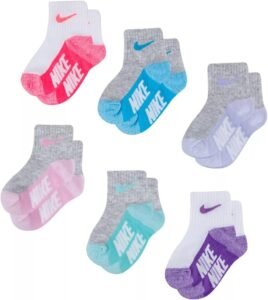
Nike: Known for their quality and durability, Nike offers a range of baby shoes that provide support and comfort for growing feet.
Stride Rite: A trusted brand specializing in children’s footwear, Stride Rite offers a variety of styles designed to promote proper foot development.
Robeez: Robeez is known for their soft-soled shoes, which allow for natural movement and flexibility. They are perfect for babies who are just starting to walk.
Pediped: Pediped offers a wide selection of shoes designed with comfort and foot development in mind. They are known for their flexible soles and adjustable closures.
When choosing baby shoes, it is important to prioritize quality, comfort, and proper fit. By considering reputable brands and following these tips, parents can ensure that their little ones’ feet are well-supported and protected.
Transitioning From Soft-Soled to Hard-Soled Shoes
As babies begin to gain more stability and confidence in their walking abilities, it is crucial for parents to consider the transition from soft-soled to hard-soled shoes, ensuring proper support and protection for their developing feet. The soft-soled shoes that are typically used for infants are designed to mimic the flexibility and movement of bare feet, allowing their feet to develop naturally. However, as they become more proficient walkers, it becomes necessary to provide them with more support and stability.
When transitioning to hard-soled shoes, there are a few tips to keep in mind. Firstly, it is important to find the right fit for your child’s feet. Measure their feet regularly to ensure that you are purchasing the correct size. Additionally, look for shoes with a firm heel counter, which provides stability and prevents the foot from rolling inward. The shoe should also have a flexible sole, allowing for natural movement of the foot.
It is also recommended to choose shoes made from breathable materials, such as leather or mesh, to prevent excessive sweating and discomfort. Finally, observe your child’s gait and behavior while wearing the new shoes. If they appear uncomfortable or complain of pain, it may be necessary to try a different style or size.
Tips for Caring for and Maintaining Baby Shoes
The proper care and maintenance of baby shoes is essential to ensure their longevity and continued support for a child’s developing feet. As parents, it is important to understand that baby shoes require special attention and care to keep them in good condition. Here are some caring and maintenance tips to help you preserve your baby’s shoes:
Regularly clean the shoes: Use a soft cloth or brush to remove any dirt or debris from the shoes. Avoid using harsh chemicals or abrasive materials that could damage the shoe’s material.
Allow the shoes to air dry: After cleaning, let the shoes dry naturally in a well-ventilated area. Avoid placing them near direct heat sources, as this can cause the materials to shrink or warp.
Store the shoes properly: When not in use, store baby shoes in a cool, dry place to prevent moisture buildup and mold growth. Consider using shoe bags or boxes to protect them from dust and potential damage.
Check for wear and tear: Regularly inspect the shoes for any signs of wear and tear, such as loose stitching or worn-out soles. If you notice any damage, repair or replace the shoes as needed to ensure your child’s safety and comfort.
Frequently Asked Questions
Can Baby Shoes for Walking Help With Proper Foot Development?
Baby shoes for walking can potentially aid in proper foot development by providing support and protection. However, it is important to consider factors such as baby shoe sizing and the benefits of barefoot walking for optimal foot health.
Are There Any Specific Shoe Features That Can Promote Stability and Balance in Babies?
There are specific shoe features that can promote stability and balance in babies. These features include proper baby shoe sizing to ensure a secure fit, as well as allowing for the benefits of barefoot walking to support natural foot development.
What Are Some Popular Baby Shoe Brands Known for Their Quality and Support?
When it comes to baby shoe sizing and the best baby shoe materials, there are several popular brands known for their quality and support. These brands prioritize comfort, durability, and foot development.
What Is the Recommended Age to Transition From Soft-Soled to Hard-Soled Shoes?
The recommended age to transition from soft-soled to hard-soled shoes depends on the child’s development and walking abilities. It is generally advised to make the transition when the child is confidently walking and has developed proper balance and coordination.
How Can I Properly Care for and Maintain My Baby’s Shoes to Ensure Their Longevity?
Caring for baby shoes is essential to prolong their lifespan. Proper maintenance includes regular cleaning with a gentle detergent, drying them naturally, and storing them in a cool, dry place. Regular inspections for wear and tear are also recommended.
Conclusion
In conclusion, choosing the right baby shoes for walking is crucial for providing proper foot support and ensuring the comfort and safety of little feet.
By considering factors such as sizing, fit, materials, and construction, parents can make informed decisions when selecting baby shoes.
Additionally, transitioning from soft-soled to hard-soled shoes should be done gradually to allow for optimal foot development.
By caring for and maintaining baby shoes, parents can extend their lifespan and continue to protect their child’s feet as they grow and explore the world.