
A beach day with toddlers goes more smoothly when the basics are planned in advance. A roomy towel, a change of clothes, water shoes, and a small first-aid kit can prevent many common problems. Sun protection matters just as much, with broad-spectrum sunscreen and reliable shade reducing risk. Snacks, water, and a few simple toys help keep the day steady. The hardest part often comes later, when naps and moods begin to shift.
Key Takeaways
- Pack toddler essentials: roomy towel, change of clothes, water shoes, bucket, shovel, and a sealed bag for wet items.
- Use broad-spectrum, water-resistant SPF 30+ sunscreen on all exposed skin, and add shade with umbrellas or tents.
- Keep toddlers within arm’s reach near water, set simple boundaries, and do regular headcounts.
- Bring easy snacks and plenty of water in a cooler bag to keep toddlers fed, hydrated, and happy.
- Plan for naps and meltdowns with a familiar blanket, quiet shade, and a calm backup spot.
Pack the Right Toddler Beach Gear
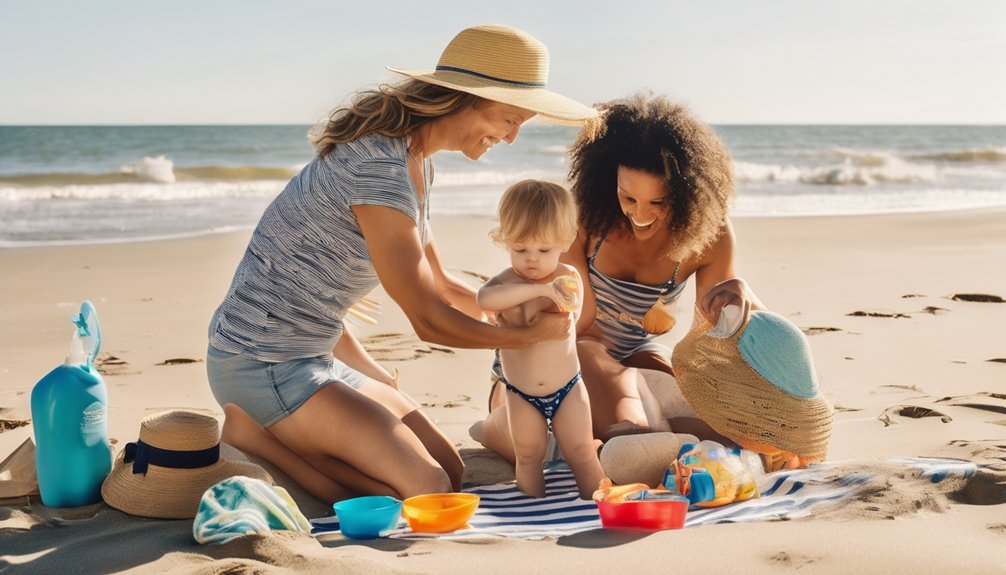
A well-packed beach bag can make the difference between a smooth outing and a stressful one.
For toddlers, the most useful beach gear essentials are simple: a roomy towel, a change of clothes, water shoes, and a small bucket or shovel for safe, focused play.
Toddler swimwear should fit snugly without pinching, allowing easy movement and reducing distractions from sagging fabric.
Parents often benefit from packing a lightweight blanket and a sealed bag for wet items, which helps keep the rest of the gear organized.
Experts recommend choosing items that are easy to rinse, quick to dry, and familiar to the child.
With the right toddler beach gear, a family can support comfort, independence, and calmer transitions from sand to home.
Choose Toddler-Safe Sunscreen and Shade
For toddlers, sun protection works best when sunscreen and shade are used together. A broad-spectrum, water-resistant SPF 30 or higher is usually a sensible choice, especially when it is fragrance-free and gentle on sensitive skin.
Careful sunscreen application matters: it should cover all exposed areas, including ears, the back of the neck, the tops of feet, and any parting in the hair. Shade options such as a beach umbrella, pop-up tent, or stroller canopy can reduce direct exposure during the strongest midday rays.
Reapplying sunscreen as directed helps maintain protection after water play or towel drying. Mineral formulas with zinc oxide or titanium dioxide are often preferred for young children because they sit on the skin and are less likely to sting.
Keep Toddlers Safe at the Beach
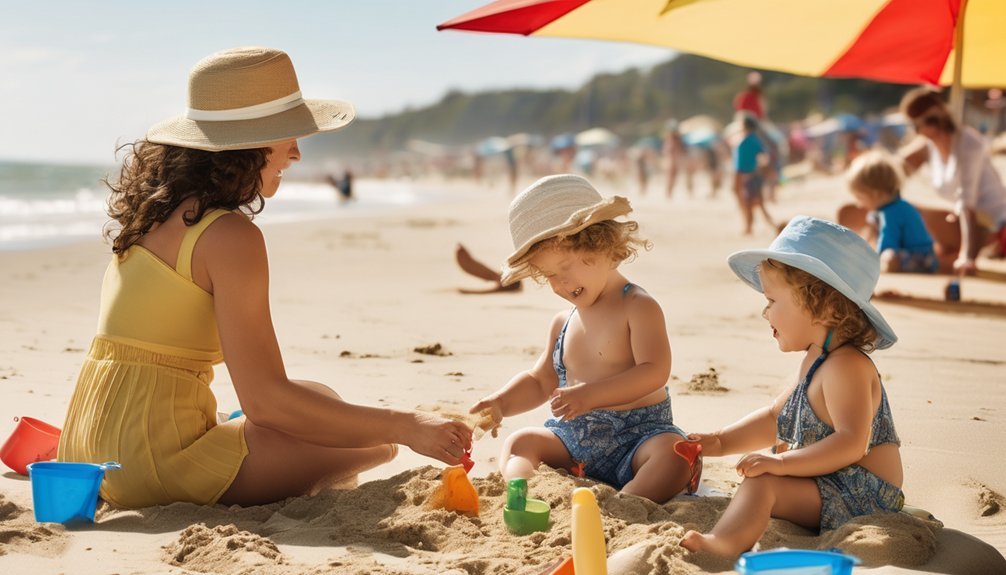
With sunscreen and shade in place, the next step is keeping toddlers safe through the rest of the beach day. Constant toddler supervision matters most, because shallow water, shifting sand, and sudden waves can change quickly.
For beach safety, an adult should stay within arm’s reach whenever a toddler is near the shoreline or tide pools. Clear boundaries help: choose a visible meeting spot, point out flags or lifeguards, and set simple rules before play begins.
Closed-toe water shoes can protect small feet from hot sand, shells, and hidden debris. Regular headcounts are useful during busy moments.
When fatigue, shivering, or fussiness appears, a calm break in the shade often prevents small risks from growing.
Plan Toddler-Friendly Snacks and Drinks
Toddlers do best at the beach when snacks and drinks are planned ahead, since regular nourishment helps maintain energy and mood.
Simple healthy snack options such as sliced fruit, cheese cubes, whole-grain crackers, and soft vegetables can be packed in small portions to reduce waste and fuss. A cooler bag with ice packs helps keep foods safe in warm weather, and easy-to-open containers support quick access when hunger appears.
Water should remain the main drink, offered often in portable drink containers that are leak-resistant and easy for little hands to hold. Avoid sugary drinks, which can raise thirst without lasting benefit.
Preparing extras allows caregivers to respond calmly to appetite changes and helps the outing stay comfortable, predictable, and pleasant.
Pick Beach Toys Toddlers Will Love
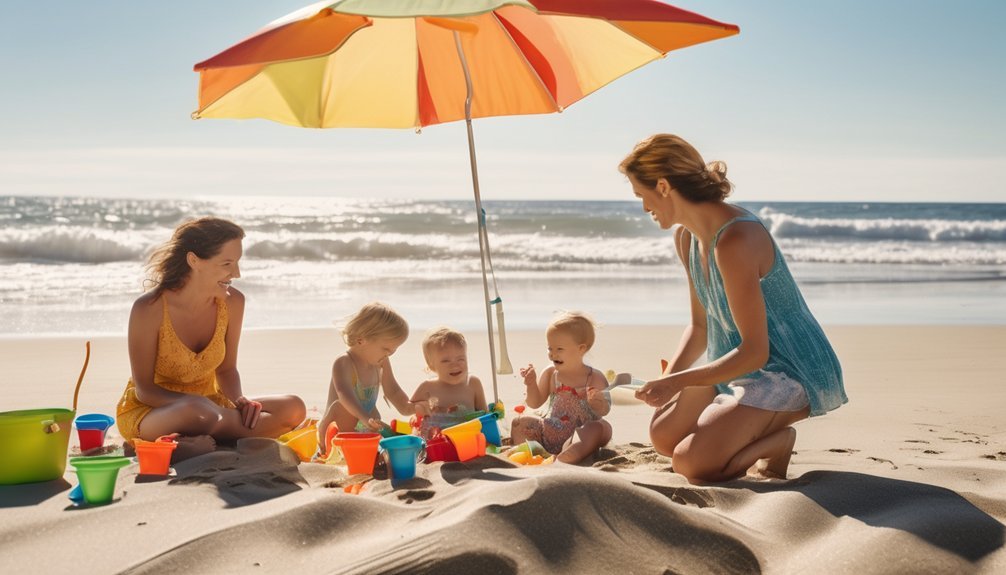
Beach toys that are simple, durable, and easy to grip tend to keep toddlers engaged longer and reduce frustration. Evidence suggests open-ended play supports attention and motor skills, so a few well-chosen items are enough. Sandcastle essentials like a bucket, shovel, and mold invite satisfying repetition, while interactive water toys add gentle novelty.
| Toy | Why it works |
|---|---|
| Bucket | Easy carrying, filling, pouring |
| Shovel | Builds hand strength |
| Mold | Quick wins, less waiting |
| Floaty cup | Calm, interactive water play |
Soft colors and familiar shapes can feel comforting. Caregivers often notice that fewer toys mean more focus, more sharing, and sweeter moments in the sand.
Handle Naps and Meltdowns at the Beach
When naps are overdue or overstimulation builds, a predictable pause can prevent a full meltdown. Families can plan nap strategies before arrival: time the trip around the toddler’s usual rest window, bring a familiar blanket, and create shade for a quiet reset.
A stroller walk, car nap, or brief return to the rental may help a tired child settle. For meltdown management, adults can lower demands, speak softly, offer water, and reduce noise and bright stimulation. Simple comfort items often help a child feel held and safe.
If frustration escalates, moving to a calmer spot is usually more effective than reasoning. With a flexible plan and close attention to cues, the beach can stay soothing even when little bodies are tired and overwhelmed.
Frequently Asked Questions
What Beach Activities Work Best for Toddlers?
Toddlers do best with sandcastle building and shallow water play, plus simple shell collecting and short walks. These activities support sensory exploration, confidence, and short attention spans while remaining safe, soothing, and engaging.
How Do I Choose a Toddler-Friendly Beach Destination?
A toddler-friendly beach destination offers gentle surf, lifeguards, clean restrooms, shade, and easy parking. Prioritizing beach safety and essential toddler gear helps families choose calmer, more manageable spots that support comfort, supervision, and peace.
What Should Toddlers Wear to the Beach?
Toddlers should wear lightweight, long-sleeved swimwear, wide-brim hats, UV-blocking sunglasses, and water shoes for beach safety and sun protection. Breathable fabrics keep them comfortable, while snug fits help reduce irritation and overheating.
How Long Can Toddlers Stay at the Beach?
Toddlers can usually stay 1–2 hours, then need shade, water, and rest. One study found dehydration rises quickly in heat, underscoring toddler safety; regular sunscreen application helps, while short visits remain reassuring and practical.
How Do I Clean Sandy Toddler Clothes After the Trip?
Shake off dry sand first, then use sand removal techniques like brushing, rinsing, and a quick pre-soak. Launder promptly with laundry tips: cold water, gentle detergent, and air-dry if residue remains.
Conclusion
With the right towel, water shoes, sunscreen, and shade, a beach day can unfold smoothly for families with toddlers. When snacks are packed, water is close at hand, and safety boundaries are clear, the afternoon often seems to line up kindly, as if the breeze itself has planned for comfort. Even naps and meltdowns become easier to manage with preparation. In the end, small details create a safer, calmer, more enjoyable day for everyone.