
The best alphabet activities for preschoolers do more than teach letters. They help children build confidence, practice early reading skills, and stay engaged through play. Simple puzzles, songs, sensory bins, and tracing tasks can turn letter practice into a natural part of the day. With the right mix of activities, learning becomes easier and more enjoyable, and a few small changes can make a big difference.
Key Takeaways
- Use alphabet puzzles, matching games, and visual aids to strengthen letter recognition through repeated, hands-on practice.
- Add songs, clapping, hopping, and movement games to connect letters with sounds in a fun, memorable way.
- Try sensory activities like sand writing, foam shapes, and hidden-letter bins to make letter practice tactile and engaging.
- Include simple tracing, short writing prompts, and adult letter modeling to build early writing confidence and control.
- Rotate activities daily with one focused letter to keep preschool learning fresh, calm, and enjoyable.
How Alphabet Activities Build Letter Skills
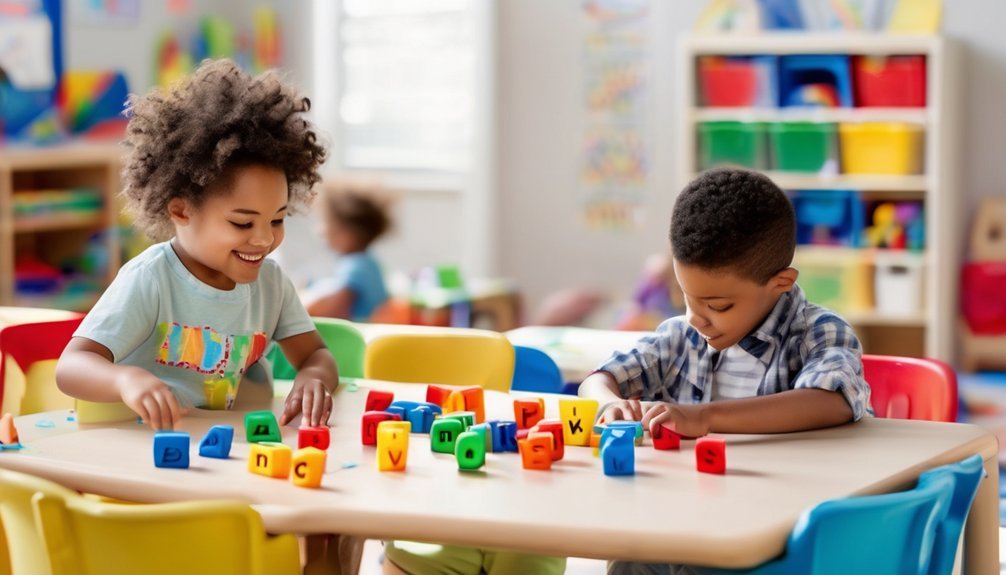
Alphabet activities help preschoolers build letter skills by giving them repeated chances to see, hear, trace, and name letters in fun ways. Through letter recognition, children learn to notice shapes, match capitals with lowercase forms, and remember each letter more easily.
These activities also support phonemic awareness by helping them connect sounds with symbols. As letters become familiar, vocabulary building grows because new words can be introduced with gentle repetition and clear meaning.
Playful learning keeps attention steady and makes practice feel warm rather than tiring. Over time, preschoolers gain confidence, and letters begin to feel friendly, known, and useful.
This early progress creates a calm base for later reading and writing, while keeping learning engaging and close.
Start With Hands-On Alphabet Activities
Hands-on alphabet activities give preschoolers a concrete way to explore letters before moving to more abstract practice. These experiences support letter recognition by letting small hands touch, sort, and match shapes with care. Simple materials make learning feel warm and inviting.
| Activity | Benefit |
|---|---|
| Alphabet puzzles | Build focus and letter recognition |
| Creative crafts | Make letters memorable |
| Storytelling sessions | Link letters with meaning |
| Interactive games | Invite gentle practice |
| Visual aids | Support quick recall |
When adults offer calm guidance, children often feel safe to try again. Repeating familiar tasks helps letters become known friends. A few short sessions each week can nurture confidence, curiosity, and steady progress without pressure.
Try Movement and Song-Based Letter Games
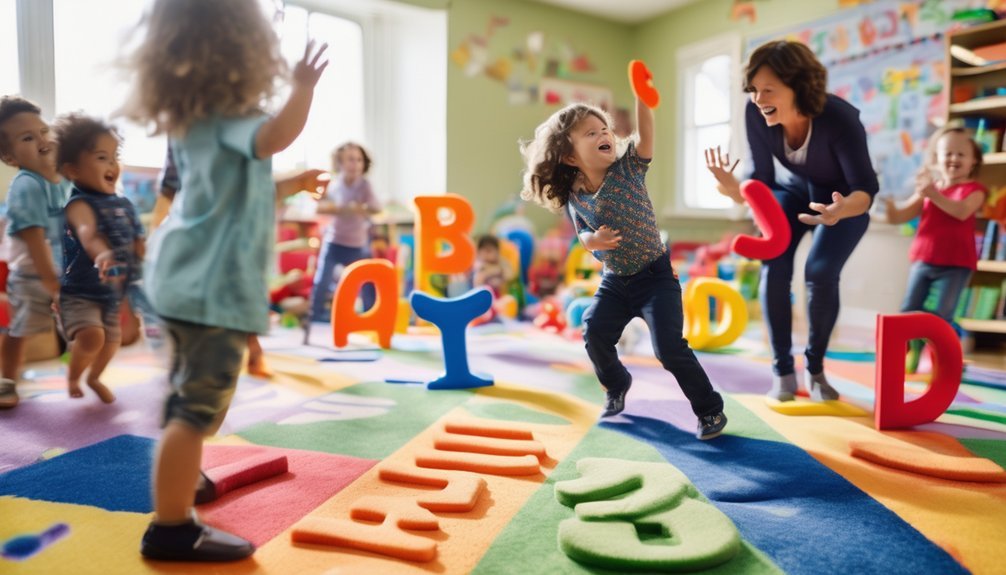
Children often learn letters more easily when movement and music are part of the lesson. Letter songs can turn each sound into a friendly rhythm that stays in a child’s mind.
Movement games help preschoolers connect letters with action, making practice feel light and joyful. A teacher or parent might invite children to clap for each letter, hop when they hear a chosen sound, or march while singing the alphabet.
Simple routines build confidence because children can join in without pressure. These activities also support attention, listening, and memory in a warm, playful way.
When adults repeat the same song or game often, children begin to anticipate the letters and respond with ease. Small moments like these can make learning feel close, familiar, and fun.
Use Sensory Play to Practice Letters
Sensory play can make letter practice feel engaging and memorable for preschoolers. In sensory bins and sensory trays, children can search for tactile letters hidden in rice, sand, or beans. This gentle exploration supports letter recognition while keeping the experience calm and inviting.
| Activity | Purpose |
|---|---|
| Tactile letters in sand | Build letter recognition |
| Sensory trays with foam shapes | Support exploring textures |
| Alphabet crafts with glue and fabric | Reinforce letters through touch |
| Hidden letters in sensory bins | Make practice playful |
A soft, hands-on setup helps each child feel close to the letters they are learning. By exploring textures, preschoolers notice shapes, follow letter names, and stay interested longer. These simple activities fit easily into warm, everyday learning moments.
Add Simple Letter Writing for Preschoolers
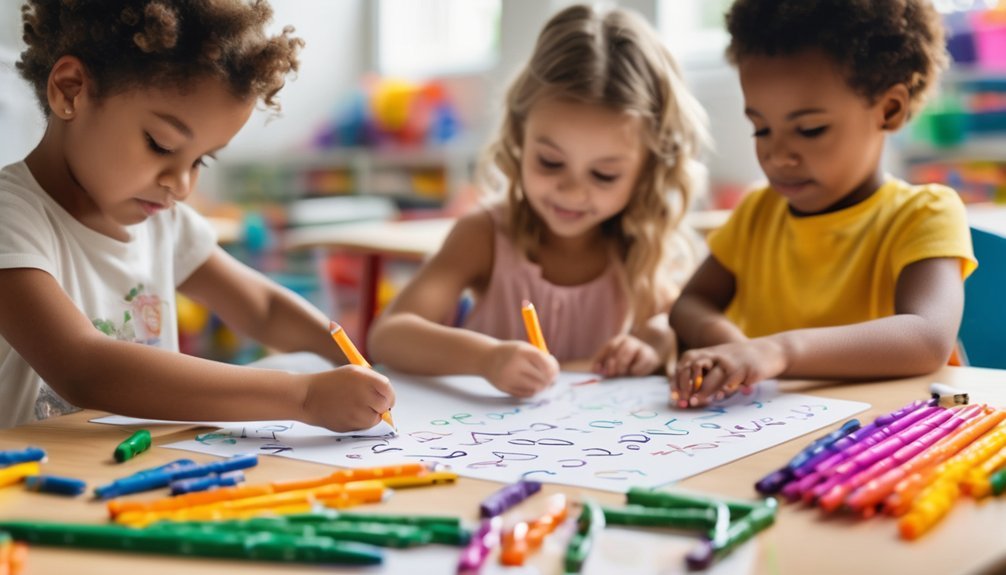
Simple letter writing gives preschoolers a gentle way to begin forming letters with control and confidence. A small set of crayons, pencils, or washable markers can make practice feel inviting.
Short lines, circles, and letter tracing help little hands learn basic strokes without pressure. Simple prompts, such as writing the first letter of a name, keep the task clear and calm.
Adults may model each letter slowly, then let the child copy it in a relaxed way. For variety, alphabet art can blend writing with color, turning practice into something warm and personal.
Praise for effort matters more than perfect shapes, because early writing grows through repetition and kindness. This steady approach helps preschoolers feel safe while learning.
Easy Ways to Rotate Alphabet Activities
Rotating alphabet activities keeps preschool practice fresh and helps maintain interest without adding stress. A gentle letter rotation can move one focus letter through several simple games across the week. This brings activity variety and gives each child repeated, happy exposure.
| Day | Activity | Feeling |
|---|---|---|
| Monday | Letter hunt | Curious |
| Wednesday | Sand tracing | Calm |
| Friday | Sticker match | Proud |
Keeping materials in small baskets makes changes easy and soothing. One basket may hold cards, another crayons, and another toys. Adults can switch only one or two items at a time, which feels manageable. With steady rotation, children stay engaged, and learning feels warm, familiar, and close.
Frequently Asked Questions
What Materials Work Best for Alphabet Activities at Home?
Materials like magnetic letters, flashcards, crayons, playdough, sand, and paper work best for alphabet activities at home. They support letter recognition and sensory play, while keeping learning gentle, simple, and warmly engaging.
How Often Should Preschoolers Practice Alphabet Activities?
As a rule of thumb, preschoolers should practice a little each day. Short alphabet games support letter recognition best, keeping learning gentle and warm, while avoiding overwhelm and helping confidence grow naturally.
What if My Child Is Not Interested in Letters Yet?
If a child is not interested in letters yet, that is normal. Gentle letter play through playful learning, songs, stories, and games can build curiosity slowly, without pressure, until confidence and interest grow.
Are Alphabet Activities Safe for Younger Siblings?
Yes, alphabet activities can be safe for younger siblings, like a gentle garden with clear paths. With close supervision, alphabet safety and sibling engagement flourish together, keeping small hands from choking hazards, sharp edges, and frustration.
How Can I Track My Preschooler’s Letter Progress?
They can track letter progress by noting letter recognition during simple routines and updating progress charts weekly. A small checklist, photos, and brief observations help parents see growth clearly, calmly, and affectionately.
Conclusion
In conclusion, the best alphabet activities for preschoolers work best when they are playful, hands-on, and varied. Letter puzzles, songs, sensory bins, and simple writing practice help children build confidence while learning. One interesting statistic shows that young children often remember up to 90% of what they do, which is why active learning matters so much. By rotating fun activities, caregivers can keep preschoolers curious, engaged, and excited to explore letters every day.