
Finding the best breakfast ideas for toddlers starts with simple meals that are soft, balanced, and easy to handle. Good options combine protein, fiber, and healthy fats to support steady energy and growth. Busy mornings often call for make-ahead choices, while picky eaters may do better with familiar textures and mild flavors. The next step is choosing breakfasts that are safe, nutritious, and likely to be accepted.
Key Takeaways
- Offer balanced breakfasts with protein, whole grains, fruit, and healthy fats for steady toddler energy.
- Choose soft, easy-to-chew foods like oatmeal, yogurt, scrambled eggs, and avocado toast.
- Keep portions small and cut foods into toddler-safe pieces to reduce choking risks and waste.
- Use quick options such as smoothies, yogurt parfaits, and mini egg muffins for busy mornings.
- Make breakfasts lower in added sugar and salt, with familiar flavors and gentle variety.
What Makes a Great Toddler Breakfast
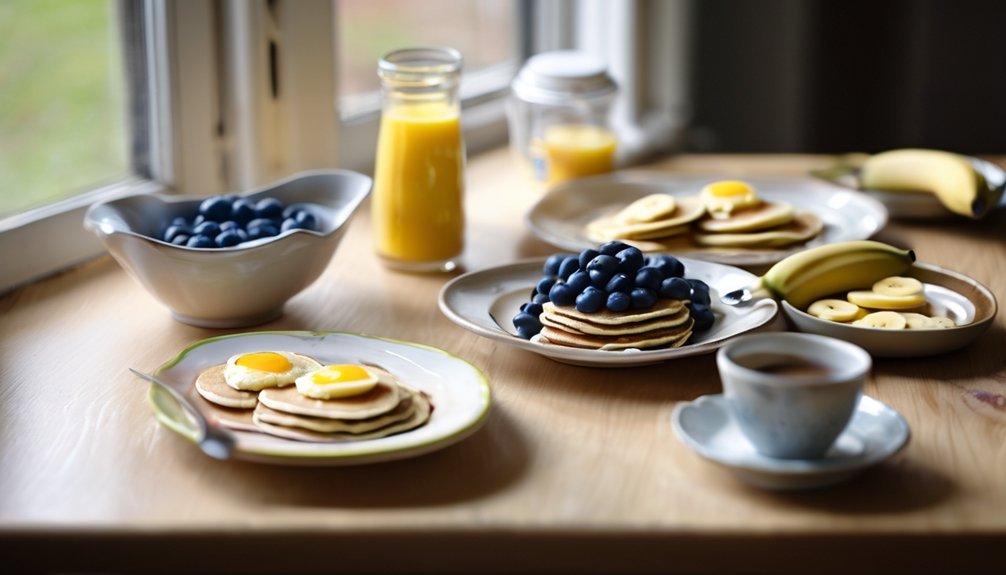
A great toddler breakfast is one that provides steady energy, supports growth, and is easy for small hands to manage. It usually combines a source of protein, whole grains, fruit or vegetables, and healthy fat, while following nutritional guidelines for age-appropriate variety.
Small portion sizes matter because toddlers have limited appetites and benefit from manageable servings that reduce waste and frustration. Texture should be soft enough to chew safely, yet varied enough to encourage acceptance of new foods. Added sugar and excess salt are best kept low.
A calm mealtime routine can help little children eat well and feel secure. When breakfast is balanced and simple, it supports learning, play, and consistent morning comfort throughout the day.
Easy Toddler Breakfast Ideas for Busy Mornings
When mornings are rushed, the best toddler breakfasts are simple, fast, and still balanced enough to provide steady energy.
Soft oatmeal topped with mashed banana and nut butter offers fiber, healthy fat, and a familiar flavor. Greek yogurt with fruit and oats makes easy yogurt parfaits that feel special while delivering protein and calcium.
Whole-grain toast with avocado or thinly spread bean puree adds lasting fullness. For children who prefer sips, smoothie recipes blending milk, yogurt, berries, and spinach can be made ahead and poured quickly.
Mini egg muffins, if prepared in batches, give another protein-rich option. These meals work well because they combine carbohydrates, protein, and fat in modest portions, supporting attention, mood, and appetite without slowing a busy family morning.
How to Serve Toddler Breakfast Safely
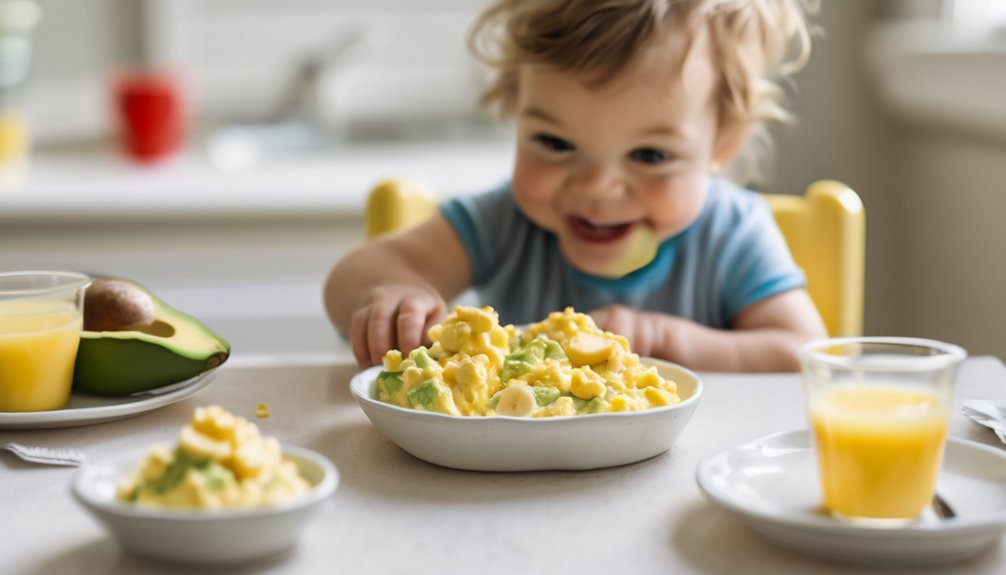
Serving toddler breakfast safely matters just as much as choosing nutritious foods. Caregivers support toddler food safety by cutting foods into small, manageable pieces and avoiding hard, round, sticky, or slippery items that can block breathing.
Best serving practices also include serving foods at a warm, not hot, temperature and checking each bite before offering it. A seated child should eat in a stable high chair or booster, with an adult nearby and focused on the meal.
Sippy cups and open cups should be handled slowly to reduce spills. Food should be fresh, clean, and prepared on washed surfaces with clean hands.
Gentle supervision, calm pacing, and familiar textures help toddlers eat comfortably and safely each morning, with confidence.
Balanced Toddler Breakfasts With Protein and Fiber
Balanced toddler breakfasts work best when they combine protein with fiber, because that pairing helps support steady energy and fuller feelings between meals.
A practical plate can include nutrient density from eggs, yogurt, oats, beans, fruit, and whole grains, all sized for small hands and small appetites. Gentle flavor combinations make the meal feel comforting and familiar, such as creamy, soft, warm, and naturally sweet notes.
- Scrambled egg with oatmeal and berries
- Greek yogurt with pear and ground flax
- Whole-grain toast with nut butter and banana
- Bean mash with avocado and soft fruit
These choices help toddlers practice chewing, stay satisfied, and receive important nutrients without excess sugar.
Each meal can feel simple, warm, and close.
Toddler Breakfast Ideas for Picky Eaters
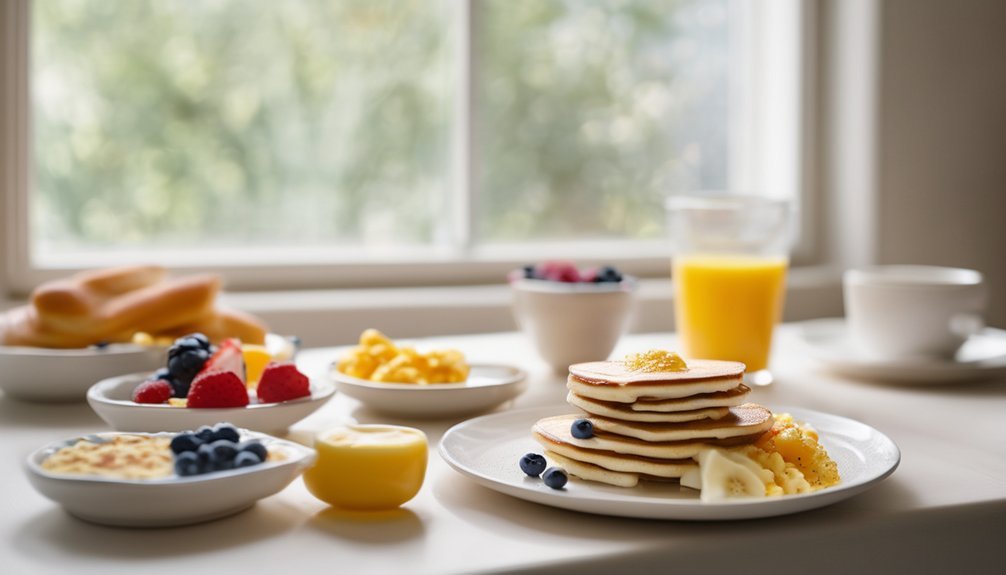
Picky toddlers often respond best to breakfasts that look familiar, taste mildly sweet or savory, and allow them some control over texture and portion size. Soft scrambled eggs, mini pancakes, plain yogurt with fruit, and toast cut into strips can feel safe while still offering useful nutrients.
Small choices matter; letting a child pick between banana slices or berries may increase interest without pressure. Smoothie variations can work well when blended thick and served in a cup, especially with simple fruit combinations such as banana and strawberry or mango and peach.
Gentle repetition helps toddlers accept new foods over time, so the same breakfast may need several exposures before it is welcomed. Caregivers can stay calm, offer variety, and trust small steps.
Make-Ahead Toddler Breakfast Ideas
Make-ahead breakfast options can reduce morning stress while still giving toddlers nourishing, easy-to-eat foods. Research on routine and hunger management suggests that planning ahead helps adults offer balanced morning meals with less rush.
- Chilled overnight oats with mashed banana and cinnamon
- Smoothie packs frozen in portions for quick blending
- Baked egg cups stored in the refrigerator
- Mini muffins made with oats, fruit, and yogurt
These choices can be prepared in batches, then served within a few days for freshness and safety. Parents can keep textures soft, flavors familiar, and portions small, which often suits toddler appetites.
A gentle morning rhythm, paired with ready-to-serve foods, can make breakfast feel calm, warm, and quietly dependable for the whole family.
Finger Foods Toddlers Can Self-Feed
Finger foods can support toddlers’ growing independence by letting them practice grasping, chewing, and bringing food to the mouth with less adult help.
Soft fruit combinations, such as banana slices with berries or diced pear with melon, are easy to hold and gentle on small mouths. Steamed vegetable bites, like carrot coins, broccoli florets, or zucchini strips, offer color, texture, and familiar routine at breakfast.
Small toast strips, cooked oatmeal patties, and thin wedges of pancake can also work well when cut for safe handling. Foods should be soft, bite-sized, and low in added sugar or salt.
Caregivers can sit nearby, offer water, and let toddlers choose among a few simple options, which often makes mornings calmer and more inviting.
Toddler Breakfast Ideas With Eggs and Dairy
Eggs and dairy can add protein, fat, and key nutrients to a toddler breakfast while still fitting the soft, easy-to-manage foods that young children can handle. Caregivers often find that simple combinations help meet hunger without overwhelming small appetites.
A sliced egg muffin can be made ahead and served in tender pieces. Plain yogurt parfait, layered with soft fruit and a little cereal, offers variety and texture while remaining gentle.
- Soft scrambled egg
- Mini egg muffin
- Plain yogurt with mashed berries
- Cottage cheese with diced pear
These foods are practical for busy mornings and can be adjusted for chewing skills. Mild flavors, small portions, and seated supervision support a calm, nourishing start that feels close and reassuring.
Warm Toddler Breakfast Ideas Like Oatmeal and Pancakes
Warm breakfast foods such as oatmeal and pancakes can offer toddlers a comforting, easy-to-eat start to the day. Oatmeal variations, including mashed banana, cinnamon, or finely grated pear, add flavor while keeping texture soft and familiar. Whole-grain oats provide steady energy, and a small spoonful of nut butter can increase satiety if allergens are already introduced safely.
For pancakes, smaller, thinner portions are easier to handle and less likely to break apart. Simple pancake toppings such as yogurt, fruit purée, or a light smear of avocado add nutrients without excess sugar. Warm foods may also help picky eaters accept breakfast more readily.
Serving moderate portions and cooling them slightly supports comfort, safety, and a calm family routine.
Frequently Asked Questions
When Should Toddlers Start Eating Breakfast Independently?
Toddlers can begin breakfast independence around 12 to 18 months, when motor skills allow. Gradually promoting self feeding with safe foods builds toddler breakfast independence, supports confidence, and respects each child’s readiness and pace.
How Much Breakfast Should a Toddler Eat?
A toddler typically eats ¼ to ½ cup of each breakfast food, guided by toddler appetite and meal timing. A spilled spoon at dawn can signal enough. Small, repeated portions suit most children.
Can Toddlers Skip Breakfast Occasionally?
Toddlers can occasionally skip breakfast if toddler hunger is low, but breakfast importance remains significant for energy and mood. Caregivers should watch appetite patterns, offer nourishment soon after, and consult clinicians if skipping becomes frequent.
What Drinks Pair Best With Toddler Breakfast?
Like morning sunlight, water, milk, or diluted fruit juice pairs best with breakfast; these favorite drinks offer nutritional benefits, including hydration and calcium. Small portions, unsweetened choices, and age-appropriate cups support toddler health.
How Do I Know if My Toddler Is Allergic to Breakfast Foods?
Allergic reactions may show as food allergy symptoms like hives, swelling, vomiting, or wheezing after breakfast. Common allergens include milk, eggs, wheat, and peanuts. A pediatrician should confirm suspected reactions and guide safe testing.
Conclusion
In the end, the best breakfast ideas for toddlers are simple, balanced, and easy to eat. A bowl of oatmeal, a yogurt parfait, or a soft egg muffin can be as nourishing as a sunrise, gently helping little bodies wake, grow, and play. When meals include protein, fiber, and healthy fats, they support steady energy and fewer hunger crashes. With safe textures and familiar flavors, breakfast becomes both practical and comforting.