Family traditions for young children tend to work best when they are simple, repeatable, and emotionally reassuring. Small rituals like bedtime stories, weekend games, or seasonal outings can support attachment and create lasting memories without adding pressure. Research suggests that children respond well to routines that feel predictable yet flexible. The strongest traditions often begin with ordinary moments that quietly become meaningful over time.
Key Takeaways
- Choose simple, repeatable traditions like bedtime stories, morning cuddles, or goodnight phrases that help children feel secure.
- Keep rituals brief and sensory-rich, such as family games, shared cooking, or art projects, to match young children’s attention spans.
- Make weekend traditions fun and predictable with activities like game nights, outdoor walks, or community service.
- Use easy holiday traditions like simple crafts, festive recipes, or seasonal stories to create belonging and excitement.
- Stay flexible and playful so traditions can adapt to schedules, travel, and moods without losing their meaning.
Key Traits of Lasting Family Traditions
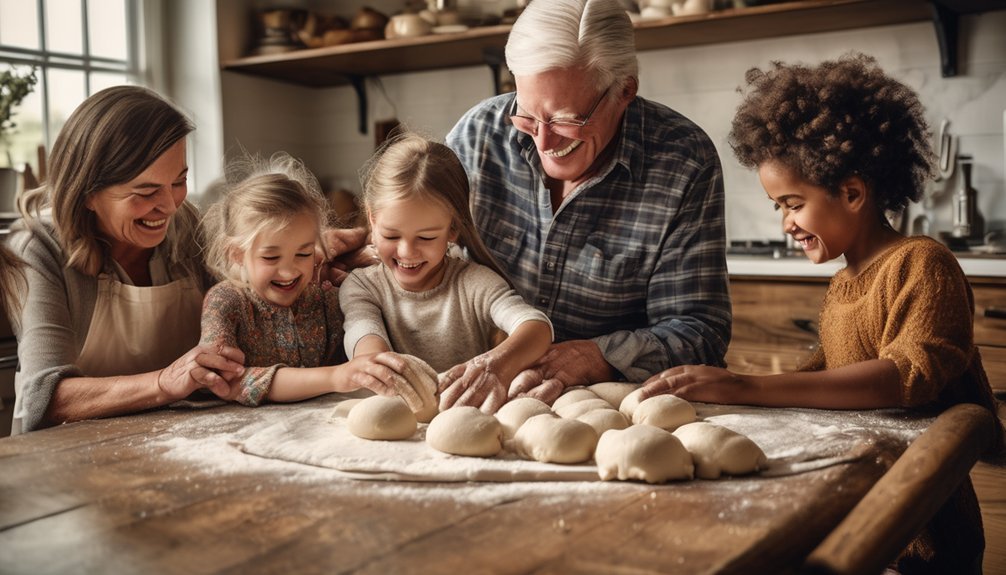
Lasting family traditions tend to share a few clear traits: they are simple, repeatable, and meaningful to the people who take part in them.
Research on family routines suggests that consistency strengthens family bonding by creating a shared rhythm that feels safe and familiar. The best traditions also leave room for flexibility, so they can continue through changing schedules and seasons.
Their value often comes from memory making rather than expense or perfection; a small, thoughtful ritual can carry more emotional weight than a complicated event.
Effective traditions usually connect to family identity, such as meals, greetings, or seasonal habits, and they are easiest to sustain when everyone understands their purpose.
When a tradition feels warm, personal, and easy to return to, it is more likely to last.
Family Traditions for Young Children
For young children, the most effective family traditions are usually brief, predictable, and sensory-rich, because children in early development respond well to repetition and familiar cues.
Gentle rituals such as cultural celebrations, storytelling nights, and a simple family game can strengthen belonging without overwhelming attention spans. Shared cooking together, art projects, and a family book club invite touch, taste, and conversation, which support memory and language growth.
Outdoor adventures, nature walks, and small community volunteering experiences help children feel connected to people and place. Movie marathons can also become comforting, shared occasions when kept occasional and cozy.
The best traditions stay flexible, warm, and age-appropriate, allowing caregivers to build secure memories while honoring the child’s need for delight, structure, and emotional closeness.
Daily Rituals Kids Will Love

A few simple daily rituals can give young children a dependable sense of comfort and belonging. Research suggests that predictable routines help regulate emotions, support language growth, and reduce daily stress.
Warm morning cuddles, for example, can signal safety before the day begins, while bedtime stories create a gentle bridge into sleep and invite close listening. Families often find that these moments feel most meaningful when they are brief, consistent, and unhurried.
- Greet each morning with calm affection.
- Share one short bedtime stories session.
- Use meals as quiet check-in moments.
- End the day with a fixed goodnight phrase.
These rituals work best when repeated lovingly, because children thrive on knowing what comes next and feeling deeply held.
Weekend Traditions That Build Connection
Weekend traditions can give young children a steady sense of togetherness, especially when weekdays feel rushed or fragmented. Researchers note that predictable shared activities help children feel secure, seen, and more willing to open up.
A simple family game night can invite laughter, turn-taking, and gentle problem-solving, while also creating space for warm conversation without pressure. Some families strengthen bonds through community service, such as sorting donations or helping a neighbor, because shared care teaches empathy and belonging.
The most effective weekend rituals stay modest, repeatable, and pleasant, allowing children to anticipate them with comfort. Over time, these moments become emotional touchpoints, helping young children associate home with closeness, reliability, and attentive love.
Easy Holiday Traditions for Young Children
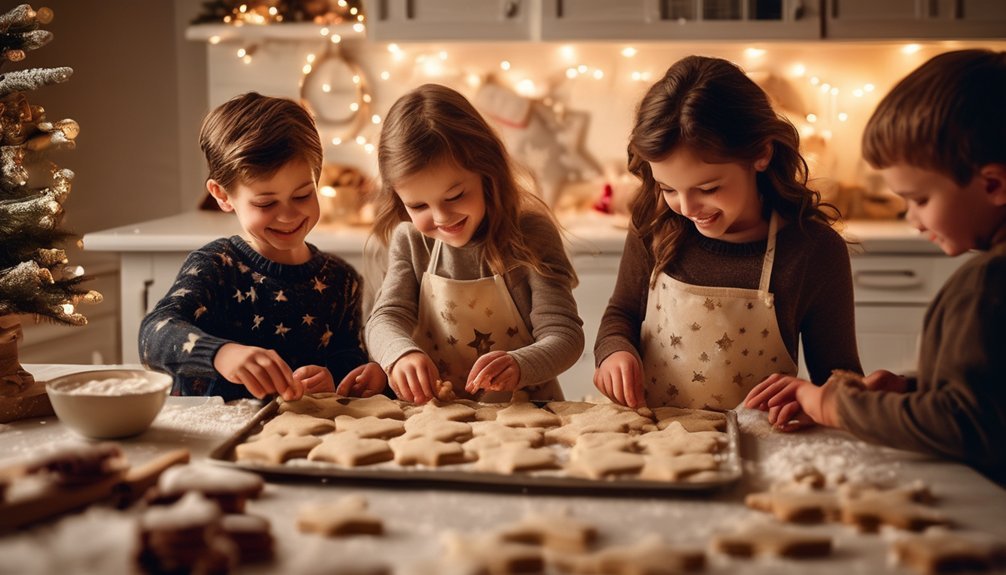
Holiday customs can offer young children the same kind of comfort that steady weekend rituals provide, especially when the season feels busy or overstimulating.
Research suggests simple, repeated experiences help children feel secure and connected. For families wanting ease, small traditions work best:
- Make holiday crafts together with safe materials and short steps.
- Prepare festive recipes that invite stirring, sprinkling, and tasting.
- Read one seasonal story each evening to signal calm.
- Light a candle or string gentle lights at the same time each day.
These routines do not need to be elaborate. When adults keep them predictable and affectionate, young children often look forward to the rhythm.
The result is a tender sense of belonging that can quietly support emotional regulation.
Birthday Traditions That Feel Special
Birthday traditions can help young children feel seen and celebrated when they are kept simple, predictable, and age-appropriate. A small birthday countdown builds anticipation, while personalized decorations make the day feel uniquely theirs.
Many families choose a modest birthday cake, special songs, and family games to create warm, repeated moments children can recognize. A brief photo booth or memory books session helps preserve the occasion without overwhelming the child.
Some households add a gift treasure hunt with one or two clues, keeping excitement gentle rather than intense. Themed parties may delight some children, yet research suggests that familiar routines often matter more than spectacle.
Surprise guests can be lovely only when the child enjoys them, since comfort supports joy and makes the celebration feel deeply special.
Seasonal Traditions for Family Fun
As the seasons change, young children often benefit from simple family traditions that repeat each year and give them a sense of rhythm, belonging, and anticipation.
Research suggests that predictable seasonal rituals can support emotional security and memory building, especially when they are shared warmly. Families may choose gentle seasonal celebrations that mark the first snowfall, spring blooms, summer evenings, or autumn leaves.
Outdoor adventures can deepen connection and encourage healthy movement.
- Watch the first signs of each season together.
- Prepare a favorite food or drink for the moment.
- Take a short walk, visit a park, or notice nature.
- End with a calm family reflection or photo.
Such traditions feel intimate, steady, and comforting.
Free Family Traditions That Cost Nothing
Some of the most meaningful family traditions for young children require no money at all. Research on child development suggests that predictable, shared rituals build security and belonging.
Free traditions can be as simple as weekly nature walks, where children notice seasons, listen for birds, and feel close to caregivers.
Storytelling nights create another gentle rhythm; a parent, grandparent, or sibling can retell family memories, favorite books, or made-up adventures by lamp light.
Everyday routines also carry warmth when they are repeated with care, such as Saturday pancake music, sunset observations, or bedtime gratitude.
These moments ask for attention rather than spending, and they often become the memories children hold most tenderly.
How to Start a New Family Tradition
A new family tradition begins best with something small, repeatable, and easy to protect in a busy week. Research on family rituals suggests that consistency, not grandeur, helps young children feel secure and connected.
During creative brainstorming, adults may ask children what moments already feel warm and special, then shape one into tradition inspiration. A gentle start can be outlined as:
- Choose one simple action.
- Attach it to a regular time.
- Keep the steps familiar.
- Mark it with attention and affection.
A bedtime story, Saturday pancake breakfast, or monthly walk can become meaningful when repeated with care.
Over time, the ritual quietly tells a child, “You belong here,” and that message often lasts longer than the activity itself.
Keeping Traditions Fun and Flexible
Traditions tend to stay meaningful for young children when they remain playful and adaptable rather than rigid. Research on family routines shows that children engage more deeply when they can anticipate familiar patterns yet still enjoy surprise.
A holiday ritual may shift in length, location, or materials without losing its heart. This creative adaptation helps adults protect connection during busy seasons, travel, or changes in mood. Playful flexibility also reduces pressure, allowing a child to participate with comfort instead of perfection.
When a song becomes a dance, or a recipe uses simpler ingredients, the tradition still signals belonging. Small adjustments can preserve warmth, invite cooperation, and keep shared moments tender, memorable, and easy to return to again and again.
Frequently Asked Questions
How Do Traditions Differ Across Cultures?
Traditions differ across cultures through rituals, values, foods, and family roles, reflecting cultural significance and shaping global celebrations. They often nurture belonging, honor history, and offer practical ways for communities to express intimacy and continuity.
Can Family Traditions Help Shy Children?
Yes, family traditions can help shy children by providing routine familiarity, emotional bonding, confidence building, and gentle chances to practice social skills. Research suggests predictable rituals reduce anxiety, creating a nurturing, practical path toward openness.
What if Grandparents Live Far Away?
Like a lantern across miles, grandparents can remain present through virtual connections and creative alternatives. Research suggests children benefit from predictable contact, shared stories, and small rituals, which nurture intimacy despite distance.
How Do Traditions Work for Blended Families?
Traditions in blended families work best when they create blended celebrations and inclusive rituals, giving each member a sense of belonging. Research suggests consistent, shared practices build trust, while flexibility helps honor each family’s history.
When Should Traditions Evolve as Kids Grow?
Traditions should evolve when developmental changes, growing independence, or new interests appear; family dynamics and seasonal adjustments can guide updates. A thousand small signals suggest it: expanding horizons invite rituals to stay warm, practical, and intimate.
Conclusion
In the end, the best family traditions for young children are often the simplest: a bedtime story, a shared meal, a Saturday walk. Like a well-worn refrain, these rituals offer comfort, identity, and belonging. Research suggests that consistent, warm routines help children feel secure and connected. Whether planned for holidays or born from ordinary days, lasting traditions do not need to be grand; they need only be repeatable, meaningful, and joyfully shared.