
Good manners in kids often begin with what they see at home. When adults consistently use “please,” “thank you,” and calm reminders, children are more likely to copy those habits. Simple routines at meals, playdates, and family interactions can turn manners into practice, not theory. Praise helps reinforce what works, while gentle correction keeps learning steady. The real challenge is making these habits stick in everyday life, and that starts with small, repeated choices.
Key Takeaways
- Model polite behavior daily so children learn manners by watching respectful language and actions.
- Teach “please,” “thank you,” and other basics early through gentle repetition and simple role play.
- Practice manners during meals, playdates, and outings so children apply them in real-life routines.
- Praise specific good manners when you see them to reinforce polite behavior and build confidence.
- Correct mistakes calmly with clear reminders so children can try again without feeling shamed.
Model Good Manners Every Day
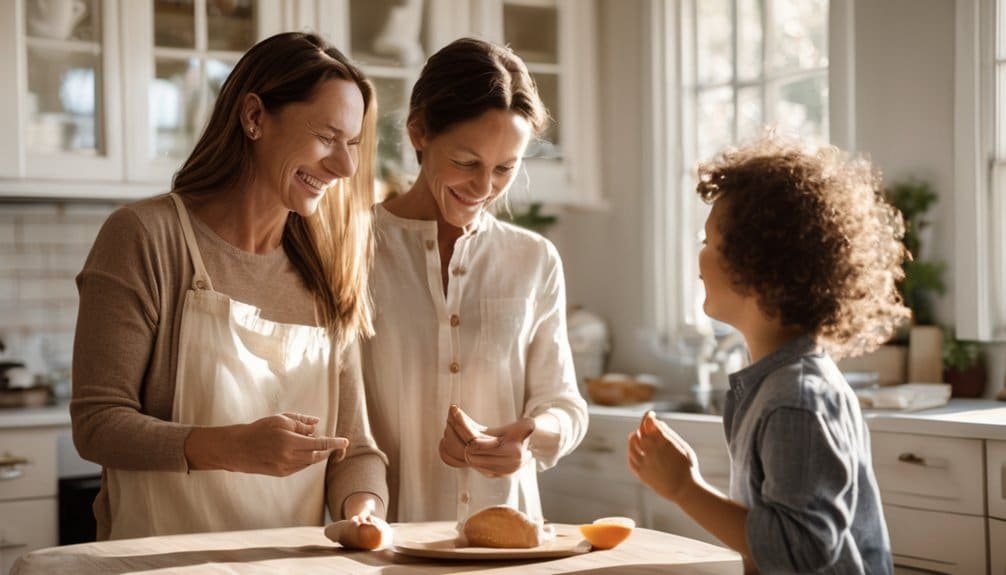
Children learn manners most effectively when they see them practiced consistently by the adults around them. Role modeling matters because children absorb tone, patience, and respect from daily interactions long before they can explain the rules.
When adults say hello, listen without interrupting, and acknowledge mistakes calmly, those habits become familiar and safe. Small moments—thanking a clerk, waiting their turn, using a gentle voice during stress—teach more than reminders alone.
Evidence shows that children copy behaviors they observe, especially from trusted caregivers. Consistency is key: polite language at home, in public, and with family builds a clear standard.
This steady example helps children feel secure, and it quietly shapes manners into something warm, natural, and lasting.
Teach Please and Thank You First
Once polite behavior is modeled consistently, the simplest phrases can be introduced and reinforced: “please” and “thank you.” These words give children an easy, concrete way to show respect, and they often become the first manners they can use confidently.
Gentle repetition helps them learn that kindness is not vague; it can be spoken aloud in a few small words. Role playing scenarios can make practice feel safe, letting a child rehearse asking, receiving, and responding without pressure.
Gratitude exercises also strengthen the habit by helping children notice kindness and name it clearly. When adults respond warmly to each attempt, children usually feel seen, not corrected.
Over time, these expressions can become natural, familiar, and reassuring signs of social awareness.
Practice Good Manners in Daily Routines
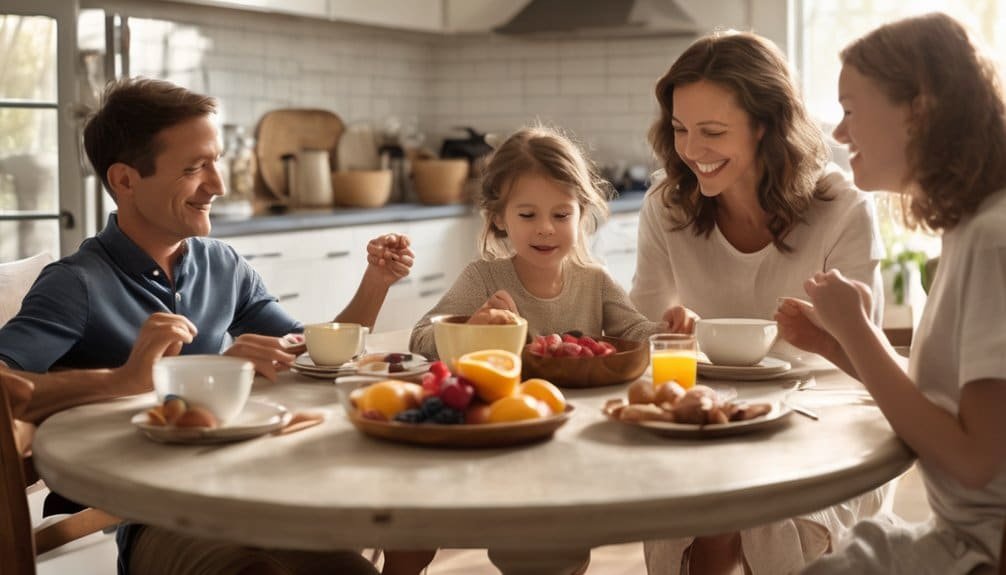
Daily routines offer dependable moments to practice manners because they repeat often and feel familiar. At the dinner table, children can learn to wait, listen, and speak kindly while sharing space with others.
During playdates, simple habits like taking turns and using gentle words can become natural with steady reminders. Family outings and grocery shopping offer chances to say excuse me, stay patient, and thank helpers.
Bedtime routines can include a calm goodnight, helping children end the day with warmth. Holiday gatherings provide richer practice, since excitement can make manners harder to hold onto.
When adults model these small courtesies consistently, children tend to copy them more readily. Repetition, not pressure, helps manners settle into daily life and feel safe.
Teach Respect at Home and in Public Settings
Respectful behavior grows best when it is taught in both familiar and unfamiliar settings. At home, children learn to listen without interrupting, use gentle words, and recognize personal space.
In public, those same habits become public etiquette: waiting turns, lowering voices, and respecting shared property. Caregivers can make expectations concrete through role playing scenarios, such as greeting a cashier, asking before touching an item, or handling a delay calmly.
These brief rehearsals help children predict situations and reduce anxiety. Consistency matters because children copy what they see, especially from trusted adults. When respect is modeled in everyday interactions, it feels safe, understandable, and worth repeating.
Over time, children begin to carry considerate behavior from the kitchen table into stores, parks, and classrooms.
Praise Good Manners When You See Them
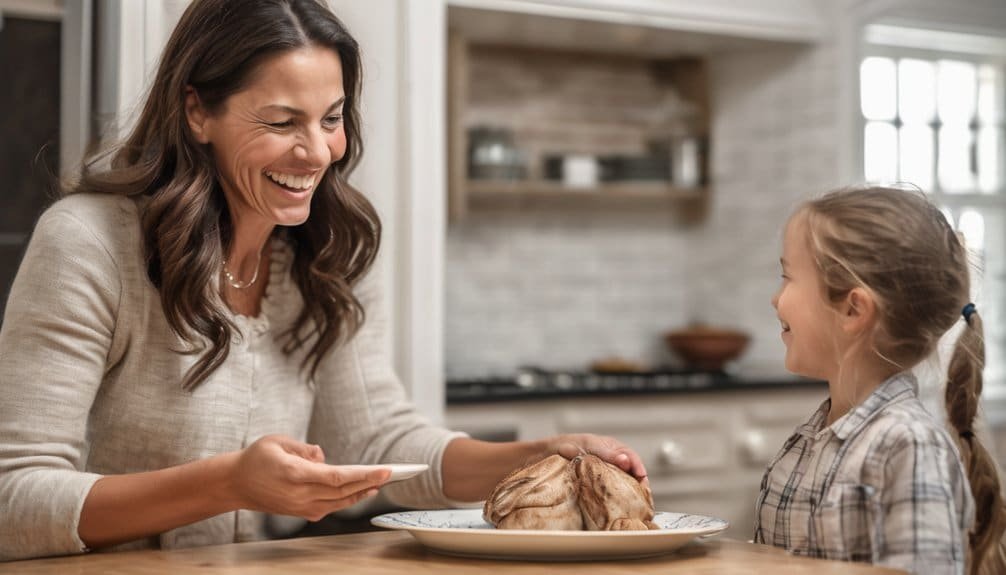
Noticing good manners in the moment helps children connect behavior with positive attention. When a child says please, waits patiently, or uses a gentle tone, brief praise can strengthen the habit.
Positive reinforcement works best when it is specific: “That was thoughtful when you thanked her,” or “He noticed how you waited your turn.” Such comments feel warm and personal, which can make a child feel seen and valued.
Over time, repeated recognition helps manners become natural rather than forced. Parents and caregivers can also use role playing scenarios to practice polite greetings, sharing, and table behavior, then praise the effort afterward.
Small, sincere acknowledgment builds confidence, supports learning, and encourages children to repeat courteous actions in daily life.
Correct Manners Mistakes With Calm Reminders
When a child forgets a polite habit, a calm reminder usually teaches more than a sharp correction. Gentle reminders help the child notice the mistake without feeling ashamed, which supports learning and trust. Research on behavior change shows that children respond better when adults stay steady, specific, and warm.
- Say the expected phrase clearly: “Please use your indoor voice.”
- Model the correction, then let the child try again.
- Pair the reminder with positive reinforcement when manners improve.
- Keep the tone soft, even when the moment feels tiring.
This approach protects closeness, reduces resistance, and makes good manners feel achievable. Over time, repeated calm guidance builds habits that last and helps the child feel safe while learning.
Frequently Asked Questions
At What Age Should Children Start Learning Manners?
Children should start learning manners in early childhood, as soon as they begin social interactions. Family influence, cultural differences, role modeling, and positive reinforcement help manners develop naturally, with empathy and practical guidance.
How Do I Teach Manners to a Shy Child?
Teaching manners to a shy child works best through gentle role playing scenarios and consistent positive reinforcement. Small, rehearsed interactions build confidence, while praise for effort helps the child feel safe, understood, and gradually more social.
Can Screen Time Affect a Child’s Manners?
Yes—screen time can shape manners: endless scrolling may blunt social interactions, while thoughtful digital etiquette can reinforce respect. With parental guidance, children learn to balance screens with face-to-face empathy, keeping kindness practical and warm.
What Books Help Kids Learn Polite Behavior?
Books with gentle social stories, like those featuring sharing, greetings, and apologies, can help children learn polite behavior. Storytime strategies that pause for discussion strengthen character development, making lessons feel warm, practical, and memorable.
How Can Grandparents Support Good Manners?
Grandparents can be a steady lighthouse, guiding children through grandparent activities like shared meals and stories, while using positive reinforcement. Research supports warm praise, gentle reminders, and consistent modeling to nurture respectful, affectionate behavior.
Conclusion
In the end, helping children build good manners works best when adults model respect, teach simple phrases, and practice politeness in everyday moments. Small routines, like saying please and thank you at meals or during play, give kids repeated chances to learn. Praise helps good behavior stick, while calm reminders keep corrections gentle. In the long run, this steady guidance shapes children who can move through home and public life with the grace of a well-tuned smartphone.