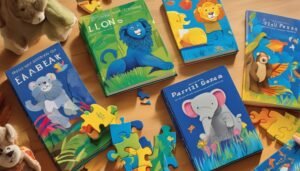
Did you know that 85% of a child’s first impression of a book comes from its cover? That’s a powerful statistic! When you’re creating kids’ book covers, every choice counts—from the colors that pop to the fonts that dance across the page. But how do you strike the perfect balance between fun and functionality? Let’s explore the essential elements that make a cover irresistible to both kids and their parents.
Why Color Matters for Kids’ Book Covers
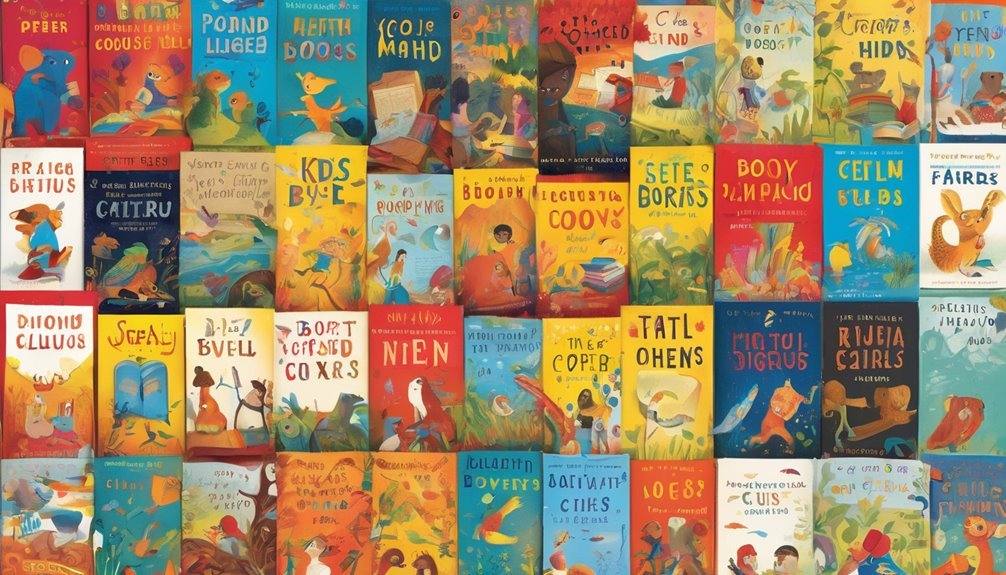
When you glance at a kids’ book cover, color instantly grabs your attention, sparking curiosity and excitement. Color psychology plays a huge role here; it can evoke emotions and set the mood.
Bright yellows and playful pinks might scream fun, while cool blues can offer calmness. It’s all about knowing what resonates with kids at different ages.
Imagine a toddler’s delight in vibrant reds and greens, while older kids might appreciate deeper shades that hint at adventure or mystery.
Choosing colors that fit age appropriateness ensures your book speaks to its audience. So, when designing that cover, think carefully about colors—after all, they’re your first chance to connect with young readers and invite them into a world of imagination!
Choosing the Right Fonts for Children’s Book Covers
While you might think color is the star of a kids’ book cover, the right font plays a crucial supporting role. Choosing fonts for children’s books can be a fun adventure, so let’s make sure you grab their attention with font readability and playful typography!
Color may steal the spotlight on a kids’ book cover, but the right font is essential for captivating little readers!
Here are some tips to consider:

- Keep it simple – Choose fonts that are easy to read at a glance.
- Be playful – Use whimsical fonts that capture the spirit of your story.
- Mix and match – Pair a bold title font with a softer subtitle for contrast.
- Consider age – Tailor your font style to your target age group for maximum appeal.
With the right font, you’ll enhance your cover and invite little readers into your magical world!
How to Choose Illustrations That Engage Young Readers?
Choosing illustrations for your children’s book can be a delightful journey, as the right images spark curiosity and imagination. You want to captivate young readers with vibrant visuals that reflect diverse characters and engaging illustration styles. Think about how these elements tell a story even before the words do!
Here’s a handy table to guide your choices:
| Illustration Style | Character Diversity |
|---|---|
| Whimsical | Multicultural |
| Realistic | Unique Abilities |
| Cartoonish | Different Backgrounds |
| Minimalist | Varied Ages |
| Abstract | Inclusive Themes |
Mix and match these styles to create a visual feast that resonates with every child. Remember, the goal is to invite them into a world that feels both familiar and fantastical!
Designing Covers That Appeal to Parents and Kids
Great book covers grab attention and draw both kids and their parents in with a playful charm.
To design covers that resonate with your target audience, keep these points in mind:
- Emotional Appeal: Use colors and characters that evoke joy and curiosity, creating an instant connection.
- Visual Storytelling: Let your cover illustrate a hint of the adventure inside. It should whisper tales of excitement and wonder.
- Simplicity Matters: Don’t overcrowd your design. A clean, simple layout makes it easier for parents to understand the age appropriateness and genre considerations.
- Playful Themes: Incorporate elements that reflect current market trends and resonate with kids’ imaginations.
Testing Your Cover Design With Kids
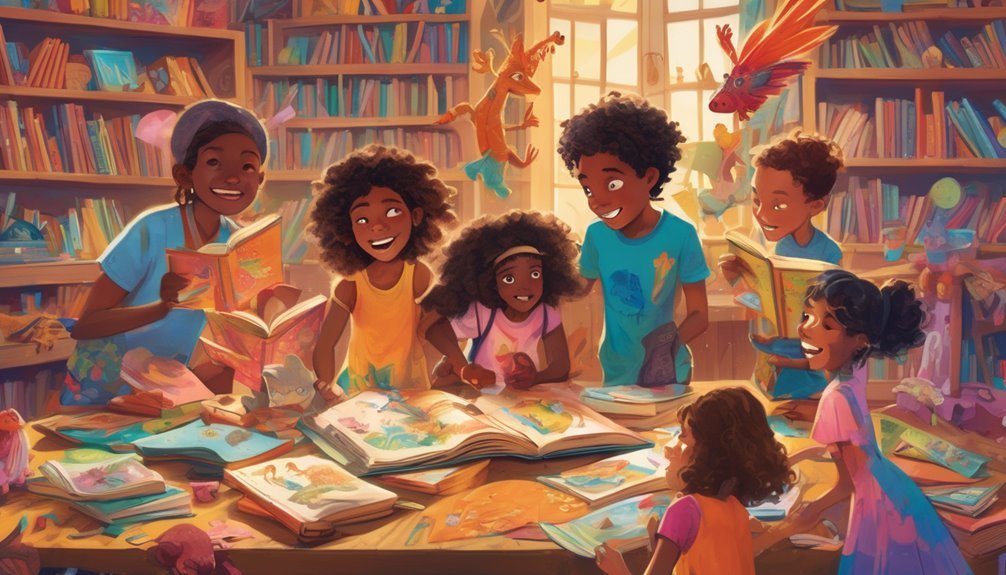
Once you’ve crafted a captivating cover, it’s time to see how it resonates with the real critics—kids themselves! Gather focus groups from different age groups and dive into feedback sessions. Watch as their eyes light up or dim down when they see your design.
Here’s a playful way to capture their thoughts:
| Age Group | Visual Preferences | Thematic Relevance |
|---|---|---|
| 5-7 | Bright colors, animals | Adventure, friendship |
| 8-10 | Bold fonts, action scenes | Mystery, exploration |
| 11-13 | Subtle tones, characters | Identity, challenges |
| 14+ | Minimalist, emotional | Realism, deep themes |
Engage them in storytelling elements—ask them what stories your cover tells. Their insights will shape a cover that truly connects!
Frequently Asked Questions
What Are Common Mistakes to Avoid in Kids’ Book Cover Design?
Avoid dull color choices that don’t grab attention. Steer clear of overly complex typography styles that confuse. Instead, opt for vibrant colors and playful fonts that spark curiosity, making your cover irresistible to kids and parents alike!
How Does the Target Age Group Influence Cover Design Choices?
The target age group shapes your cover design choices. For younger kids, bright colors and playful fonts grab attention, while older readers prefer sophisticated designs. Use color psychology and font selection to spark curiosity and engagement!
Can I Use Photos Instead of Illustrations on Kids’ Book Covers?
Sure, you can use photos on kids’ book covers! Just keep an illustration balance in mind. A fun mix of vibrant images and playful designs can engage young readers and spark their imagination wonderfully!
What Printing Techniques Enhance the Appeal of Kids’ Book Covers?
Printing techniques can make your kids’ book covers pop like fireworks! Use vibrant colors to tap into color psychology and add texture contrasts for a tactile experience. Kids’ll be irresistibly drawn to your dazzling creations!
How Important Is the Spine Design for Children’s Books?
The spine design’s crucial! You want spine visibility to grab attention on shelves, while spine durability ensures it withstands little hands. A well-crafted spine makes your book stand out and last through countless readings!
Conclusion
When it comes to kids’ book covers, remember: vibrant colors can boost a child’s interest by 80%! So, don’t shy away from bold hues and playful fonts that make them giggle. Engage with illustrations that spark their imagination and resonate with parents too. By testing your designs with kids, you’ll refine your masterpiece into something irresistible. Dive into the colorful world of cover design, and watch those little readers flock to your books like bees to a flower!