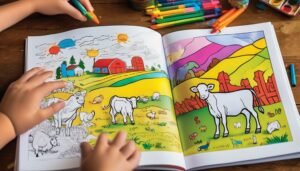
If you’re looking to nurture your child’s creativity, daily drawing sketchbooks can be a game changer. These tools not only provide a canvas for their imagination but also help develop essential skills like fine motor control. By establishing a routine, your young artist can explore their emotions and ideas visually. Curious about how to choose the right sketchbook or encourage consistent practice? Let’s explore some key insights that can make a real difference.
The Benefits of Daily Drawing for Kids
When kids pick up a pencil and start drawing each day, they’re not just having fun—they’re also unlocking a treasure trove of benefits.
Daily drawing gives a fantastic creativity boost, allowing your child to express their thoughts and emotions in unique ways. As they sketch, they develop fine motor skills, improving their hand-eye coordination and dexterity.
This practice not only enhances their artistic abilities but also supports cognitive development, as they learn to visualize and plan their creations. Moreover, drawing can be a great stress reliever, helping kids to relax and focus.
Choosing the Right Sketchbook for Young Artists
How can you find the perfect sketchbook for your young artist? Start by considering sketchbook size; smaller ones are great for portability, while larger options provide more space for creativity.
Next, think about paper quality—look for thicker paper that can handle various mediums like pencils, markers, or paints.
Consider the paper quality; thicker sheets are essential for supporting various mediums, from pencils to paints.
Binding type matters too; spiral bindings lay flat, making it easier to draw.
Factor in your child’s artist preferences; some may prefer a blank canvas, while others like prompts.
Don’t forget budget considerations—there are quality options at different price points.
Finally, explore brand comparisons to find those known for durability features, ensuring the sketchbook can withstand daily use.
Happy sketching!

Creative Drawing Prompts to Spark Imagination
Once you’ve picked the perfect sketchbook, it’s time to fill those pages with creativity! Start with some imaginative prompts to spark your artistic journey.
How about drawing a fantasy creature that lives in a magical place? Or create a scene in nature where playful animals explore together. You could also sketch silly characters doing everyday activities in unexpected ways.
Imagine an imaginative landscape filled with dream worlds—cloud castles or underwater cities! Don’t forget to incorporate everyday objects, like a talking teapot or a dancing chair.
Let your imagination run wild and fill your sketchbook with these exciting ideas. Each drawing is a chance to express yourself and discover new stories waiting to be told!
Ways to Encourage Daily Sketching Habits
Creating a daily sketching habit can significantly boost your artistic skills and creativity. To help you establish effective sketching routines, try these tips:
| Time of Day | Duration | Activity |
|---|---|---|
| Morning | 10 mins | Quick doodle session |
| Afternoon | 15 mins | Nature sketching |
| Evening | 20 mins | Draw from imagination |
| Weekly | 30 mins | Experiment with styles |
Setting a specific time each day can make sketching a regular part of your life. Celebrate small achievements to build your artistic confidence. Consider using prompts or themes to keep things fresh and exciting. Remember, consistency is key—sketching daily will transform your skills and ignite your creativity!
How to Use Colors and Mixed Media in Sketching
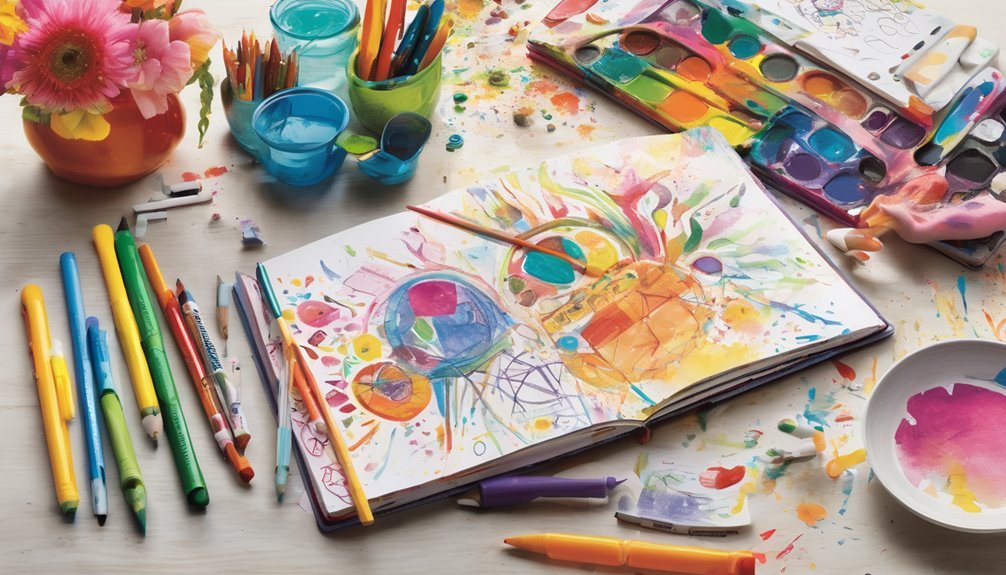
While sketching, adding colors and mixed media can elevate your artwork to new heights and make the process even more enjoyable.
You’ll discover that combining different materials not only enhances your sketches but also sparks creativity.
Here are some tips to get started:
- Experiment with color blending: Mix colors to create unique shades and effects.
- Use watercolors: They add a beautiful wash to your sketches, giving them depth.
- Incorporate collage elements: Cut out images from magazines or use textured paper for added interest.
- Try markers and pastels: These can enhance details and provide vibrant pops of color.
Embrace the freedom of mixed media; it’s all about expressing yourself and having fun!
Strategies to Tackle Common Drawing Challenges
Combining colors and mixed media is a fantastic way to enhance your sketches, but you might face some common drawing challenges along the way. Don’t worry! Here are some strategies to help you tackle them:
| Challenge | Strategy | Benefit |
|---|---|---|
| Perfectionism | Embrace mistakes | Builds confidence |
| Lack of ideas | Use prompts or themes | Sparks creativity |
| Proportions | Use basic shapes as guides | Improves accuracy |
| Fear of critique | Share with supportive friends | Encourages growth |
| Observation skills | Draw from life, not photos | Enhances observational skills |
Tips for Displaying and Sharing Young Artists’ Work
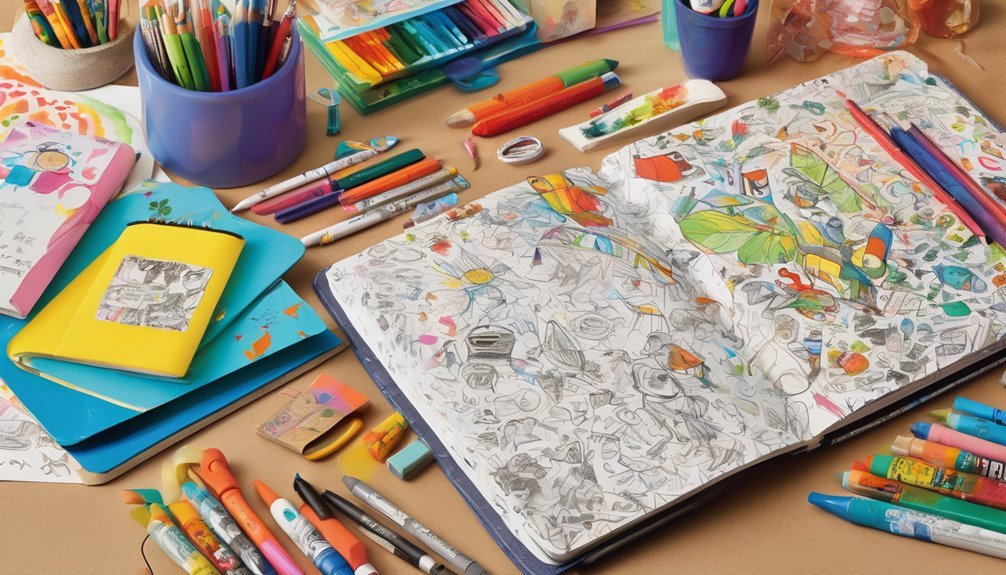
Every young artist deserves to have their work celebrated, and displaying their creations can boost their confidence and inspire further creativity.
Here are some exciting ways to showcase their art:
- Host Family Showcases: Invite family and friends to view the artwork and share positive feedback.
- Create Online Galleries: Use digital portfolios to share their art with a wider audience, making it easy to access and enjoy.
- Participate in Art Exhibits: Encourage them to enter local contests or community events, fostering community involvement and peer feedback.
- Engage in Collaborative Projects: Team up with other young artists to create larger pieces, enhancing teamwork and creativity.
These strategies not only highlight their talent but also encourage ongoing artistic exploration!
Resources for Parents and Educators Supporting Young Artists
Supporting young artists takes more than just encouragement; it involves providing the right resources to help them flourish. Start by stocking up on quality art supplies that inspire creativity, like sketchbooks and colored pencils.
Engage in parental involvement by exploring art workshops together, where they can learn new drawing techniques and meet fellow young artists. Creating a supportive, creative environment at home allows for free artistic expression—encourage them to experiment without fear of judgment.
Implement feedback mechanisms by discussing their work and offering constructive insights. This not only aids skill development but also boosts their confidence.
Frequently Asked Questions
What Age Is Best to Start Daily Drawing With Kids?
You can start daily drawing with kids as early as two years old. This age fosters artistic development and creative expression, encouraging them to explore their imagination while building essential skills in a fun, engaging way.
How Can I Motivate My Child to Sketch Regularly?
To motivate your child, introduce fun drawing challenges and creative prompts. For example, set a theme each week, like “underwater worlds.” This sparks excitement and keeps their imagination flowing, making sketching a delightful routine.
Are Digital Sketchbooks Suitable for Young Artists?
Yes, digital sketchbooks are great for young artists! They offer fun creative apps and digital tools that spark imagination, making art more accessible. Plus, kids can easily share their work, boosting confidence and creativity.
What Materials Are Essential for Beginner Sketchers?
To ignite your creativity, start with essential drawing tools like pencils, erasers, and sketch paper. Experiment with various sketch techniques; they’ll sharpen your skills and boost your confidence as you bring your imagination to life!
How Do I Organize My Child’s Sketchbook Collection?
To organize your child’s sketchbook collection, use labeled sketchbook storage bins. Group them by sketching themes like animals, nature, and fantasy. This way, they’ll easily access inspiration and enjoy their creative journey even more!
Conclusion
As you watch your child fill their sketchbook, think of it as a garden. Each drawing is a seed, nurtured by their imagination and effort. Just like a garden flourishes with care, their creativity will bloom with daily practice. By providing the right tools and support, you’re helping them cultivate a vibrant landscape of ideas and self-expression. So, encourage them to draw, explore, and let their artistic journey unfold—there’s no limit to what they can create!