
Did you know that 85% of children find drawing to be a relaxing activity? This makes drawing practice books an essential tool for nurturing creativity and building artistic skills. With structured guidance and engaging themes, these books can transform complex images into fun projects. But how do you choose the right one for your child? Discover the key factors that can inspire a lifelong love for art and boost your child’s confidence.
Why Drawing Practice Books Are Essential for Kids
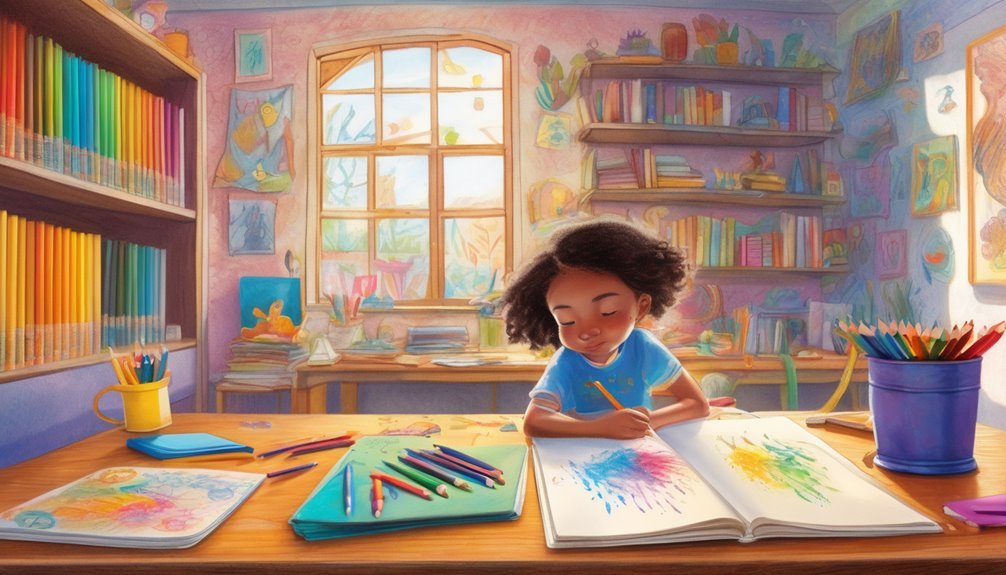
When kids dive into drawing practice books, they not only unleash their creativity but also develop vital skills that can benefit them in various areas of life.
These books offer structured ways to enhance creativity development, allowing your child to explore different styles and techniques. As they learn to express themselves visually, they gain confidence in their artistic abilities.
Every completed drawing is a small victory, boosting their self-esteem and encouraging them to tackle new challenges. Moreover, these practice sessions can serve as a calming, focused activity, helping kids improve their concentration.
How to Choose the Right Drawing Practice Books for Your Child?
How can you ensure your child picks the perfect drawing practice book? Start by exploring various drawing styles. Does your child enjoy cartoons, realistic sketches, or abstract art? Look for books that cater to their interests, as this will keep them engaged.
Next, consider the artistic mediums they want to try—pencil, watercolor, or markers. A versatile book that introduces multiple mediums can spark creativity and help them discover their preferences.
Consider the artistic mediums your child wishes to explore—pencil, watercolor, or markers—to ignite their creativity and discover new preferences.
Also, check the complexity of the instructions. Books with clear, step-by-step guidance can be incredibly helpful, especially for beginners.
Lastly, consider age-appropriate options; younger kids may benefit from simpler designs, while older kids might enjoy more challenging projects. Choosing the right book can inspire a lifelong love of drawing!
Benefits of Step-by-Step Drawing Instructions
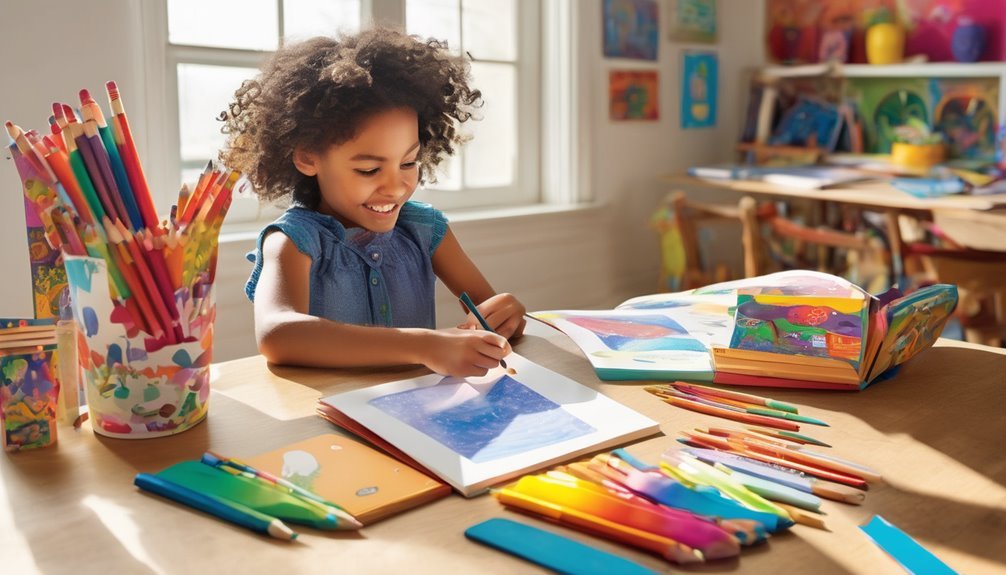
While diving into drawing, you’ll find that step-by-step instructions can make a world of difference for your child.
These guides cater to visual learning, breaking down complex images into manageable parts. Your child can follow along easily, transforming what might seem overwhelming into a fun, achievable task.
Popular Themes in Kids’ Drawing Books
Kids’ drawing books often feature themes that spark imagination and creativity, making it easier for young artists to connect with their art. Here are some popular themes you’ll find:
- Animal Adventures: Kids can explore wildlife through fun sketches of their favorite creatures.
- Fantasy Worlds: Let their imaginations run wild with mythical creatures and enchanting landscapes.
- Space Exploration: Kids can draw planets, rockets, and aliens, fueling their curiosity about the universe.
- Nature Scenes: These books encourage capturing the beauty of trees, flowers, and animals in their habitats.
With themes like cartoon characters and undersea wonders, kids are sure to find inspiration and joy in every page.

Encourage them to express themselves, and watch their creativity bloom!
Techniques to Enhance Your Child’s Drawing Skills
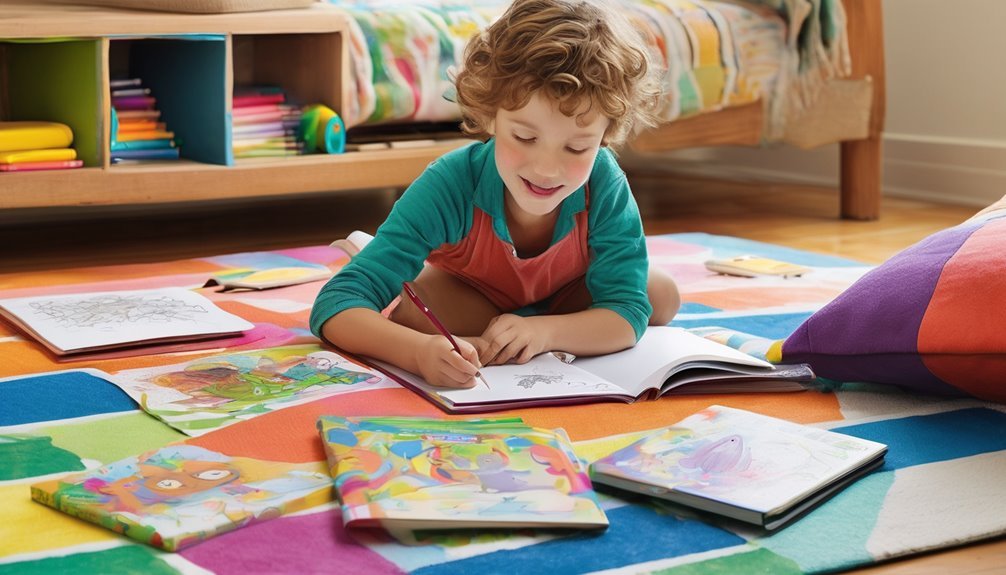
To boost your child’s drawing skills, it’s essential to introduce them to a variety of techniques that make the process both fun and educational. Two key areas to focus on are color blending and line techniques.
Encourage your child to experiment with mixing colors to create unique shades. This not only enhances their understanding of color but also sparks creativity. Additionally, practicing different line techniques—like hatching, cross-hatching, or stippling—can help them gain control over their pencil and improve their overall drawing quality.
Here’s a quick overview of techniques:
| Technique | Purpose | Fun Activity |
|---|---|---|
| Color Blending | Create depth and dimension | Blend crayons or paints |
| Line Techniques | Enhance detail and texture | Draw with different strokes |
| Shape Practice | Build foundational skills | Trace and fill various shapes |
Top Drawing Books for Kids by Age
Finding the right drawing books for your child can ignite their passion for art and keep them engaged for hours.
Discovering the perfect drawing books can spark your child’s creativity and keep them happily engaged for hours.
Here are some top picks by age group, featuring beginner techniques and creative prompts:
- Ages 3-5: “My First Drawing Book” – Simple shapes and fun prompts to spark imagination.
- Ages 6-8: “Draw Your Own Adventure” – Encourages storytelling through drawings with creative prompts.
- Ages 9-12: “The Art of Drawing” – Introduces beginner techniques, covering various styles and subjects.
- Ages 13+: “Sketching for Teens” – Focuses on advanced techniques while inspiring personal expression.
These books can guide your child on their artistic journey and make drawing a delightful experience!
How to Integrate Drawing Practice Into Daily Routines
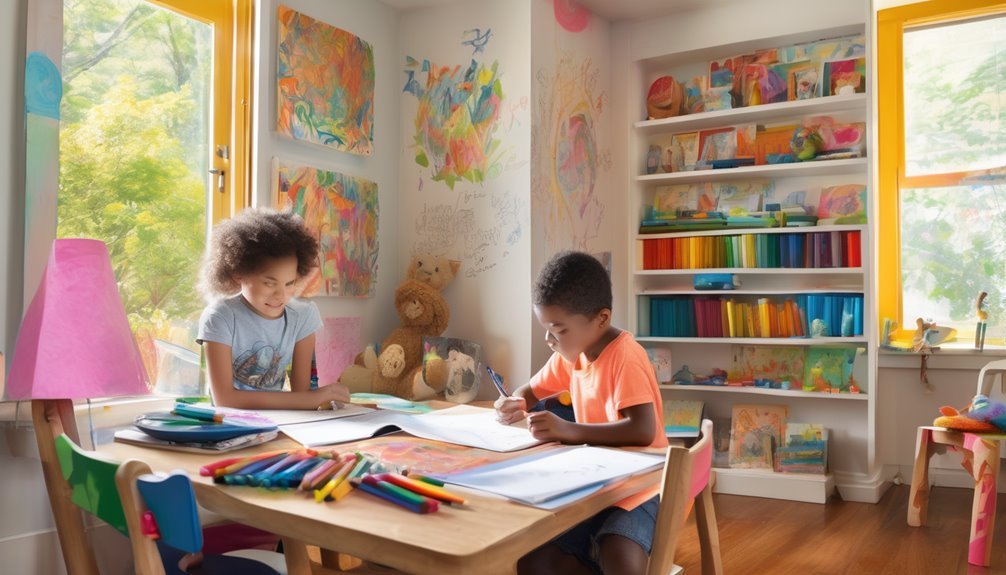
While daily routines can feel hectic, weaving drawing practice into them can transform ordinary moments into creative opportunities. Start by setting aside a few minutes each day, perhaps during breakfast or before bedtime, to establish drawing routines.
Encourage your child to sketch their favorite breakfast food or doodle their dreams from the night before. Consider creating a drawing challenge—like a “daily creativity” theme—where each day focuses on a different subject.
You can even keep a sketchbook handy during car rides or while waiting for appointments. These small commitments make drawing a natural part of life, fostering a love for art and creativity that can flourish in your child.
How to Encourage Your Child’s Self-Expression Through Art?
Every child has a unique voice waiting to be expressed, and art offers a wonderful outlet for that creativity.
Every child possesses a distinct voice, and art serves as a beautiful channel for that creative expression.
To encourage your child’s self-expression through art, consider these tips:
- Provide Materials: Stock up on various art supplies, like crayons, paints, and markers, to promote artistic freedom.
- Create a Safe Space: Designate an area where your child can freely explore their creativity without fear of mess or judgment.
- Encourage Exploration: Let your child experiment with different styles and techniques, fostering their creative exploration.
- Celebrate Their Work: Display their art proudly at home, reinforcing the value of their self-expression.
Tips for Parents to Support Young Artists
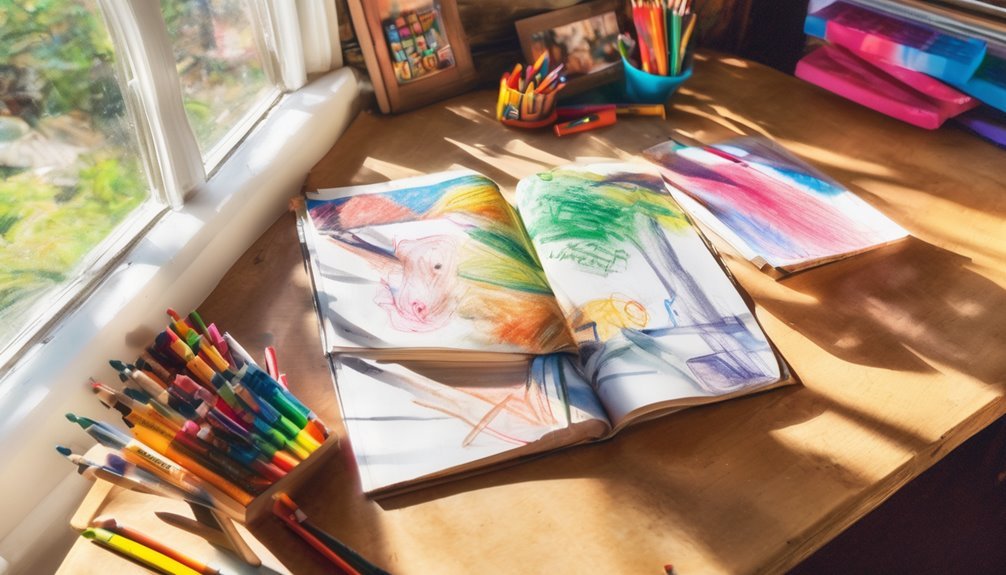
Supporting your young artist can be a joyful journey, especially when you actively engage with their creative process.
Start by involving them in art supply selection—let them choose colors, textures, and tools that spark their imagination. A well-stocked art space can encourage exploration, so create a creative environment that’s inviting and inspiring.
Set aside specific times for art activities, and join in! Show enthusiasm for their work, asking questions that guide their thinking without imposing your ideas.
Don’t forget to display their artwork proudly; this boosts their confidence and validates their efforts. Celebrate their unique style and remind them that there are no mistakes in art, only opportunities for creativity.
Your support can ignite a lifelong passion for artistic expression!
Inspiring Success Stories From Young Artists
Young artists around the world are proving that talent knows no age. Their artistic journeys inspire us all, showcasing how creativity can flourish when nurtured.
Here are four remarkable success stories:
- Maya, age 10: She held her first gallery exhibit after just two years of drawing, highlighting her unique perspective.
- Liam, age 8: His digital art gained a significant following online, showcasing how technology can amplify creativity.
- Ella, age 12: She launched a community mural project, transforming public spaces and bringing people together.
- Noah, age 11: He published a children’s book, merging storytelling with his illustrations, marking a huge creative milestone.
These young artists remind you that with passion and support, anything’s possible!
With passion and support, young creatives show us that the sky’s the limit!
Keep encouraging those creative sparks!
Frequently Asked Questions
What Age Should Kids Start Using Drawing Practice Books?
Kids can start using drawing practice books around age four to boost their artistic development. These resources encourage creative expression, helping you nurture their imagination and build essential skills while having fun together.
How Often Should Kids Practice Drawing From These Books?
You should encourage kids to practice drawing several times a week. Establishing a drawing schedule within their creative routines helps them build skills, boosts confidence, and sparks imagination. Consistency makes all the difference in their artistic growth!
Can Drawing Practice Books Improve Handwriting Skills?
Yes, drawing practice books can enhance handwriting skills. As you develop fine motor skills through creative expression, you’ll notice improved control and fluidity in your writing. Enjoy the journey, and watch your skills flourish!
Are Digital Drawing Books Effective for Kids?
Absolutely! Digital drawing books are effective for kids. They engage creative expression through interactive features and digital tools, making learning fun. You’ll see improvement in skills while your child explores their artistic side with ease.
How Can I Store and Organize My Child’s Drawing Books?
“Out of sight, out of mind!” Organize your child’s drawing books by using creative storage solutions like bins or shelves. Keep drawing supplies nearby for easy access, encouraging inspiration and creativity whenever they want to create!
Conclusion
Incorporating drawing practice books into your child’s routine can spark creativity like a sudden splash of color on a blank canvas. Imagine your little artist, pencil in hand, bringing fantastical creatures to life, each stroke revealing their unique vision. As they explore different themes and techniques, you’ll witness their confidence bloom like a flower in spring. So, embrace this journey together—encouraging self-expression through art can lead to beautiful surprises and unforgettable moments that brighten your days.