
You want learning that’s easy, useful, and low-stress after school. You want tools that build reading, math, and curiosity without turning the evening into homework. With the right apps, games, printables, and STEM kits, you can keep your child engaged and make practice feel natural. The question is which options actually fit your child’s needs, and that’s where the choices get interesting.
Key Takeaways
- Choose tools with clear learning goals, age-appropriate content, and simple instructions.
- Use short app sessions with quizzes or games that give immediate feedback and limit distractions.
- Try hands-on reading and math games like word matches, story sequencing, dice, and counters.
- Print worksheets and puzzles for focused practice, spelling, vocabulary, and fine motor skills.
- Use easy science and STEM kits for experiments, building challenges, and problem-solving at home.
What to Look for in After-School Educational Tools
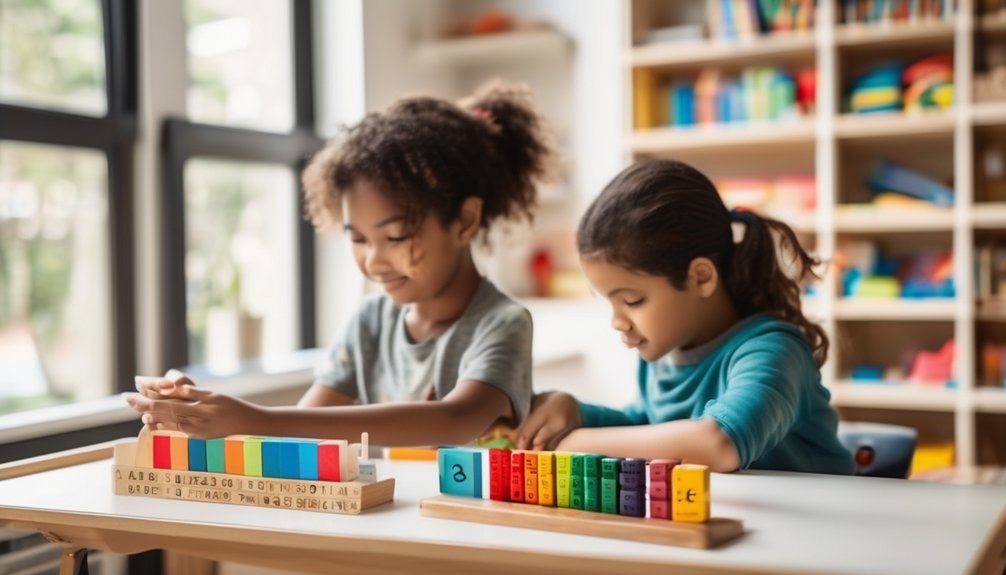
When choosing after-school educational tools, what should you look for first? You should start with your goal. Pick tools that build digital literacy, strengthen core skills, and support steady progress.
Look for clear instructions, age-appropriate content, and activities that challenge you without causing confusion. The best tools let you practice actively, check your understanding, and adjust as you improve.
You’ll also want options that encourage creative expression, so you can explain ideas, solve problems, and make original work. Check whether the tool works on your device, respects your time, and keeps you focused.
If it helps you learn with purpose and confidence, it’s a strong choice.
Simple Apps That Make Learning Fun
Once you know what you want from an after-school tool, simple apps can make learning feel more inviting. You can use them to practice skills in short, focused sessions that fit your schedule.
Many apps use interactive quizzes to check understanding right away, so you see what you know and what still needs work. Others use gamified learning to keep you engaged with points, levels, and progress tracking. This kind of structure can help you stay consistent without feeling overwhelmed.
Choose apps with clear instructions, limited distractions, and age-appropriate content. When you review results after each session, you build better habits and stronger recall.
With the right app, you can turn spare time into steady progress and enjoy the process.
Hands-On Games for Reading and Math
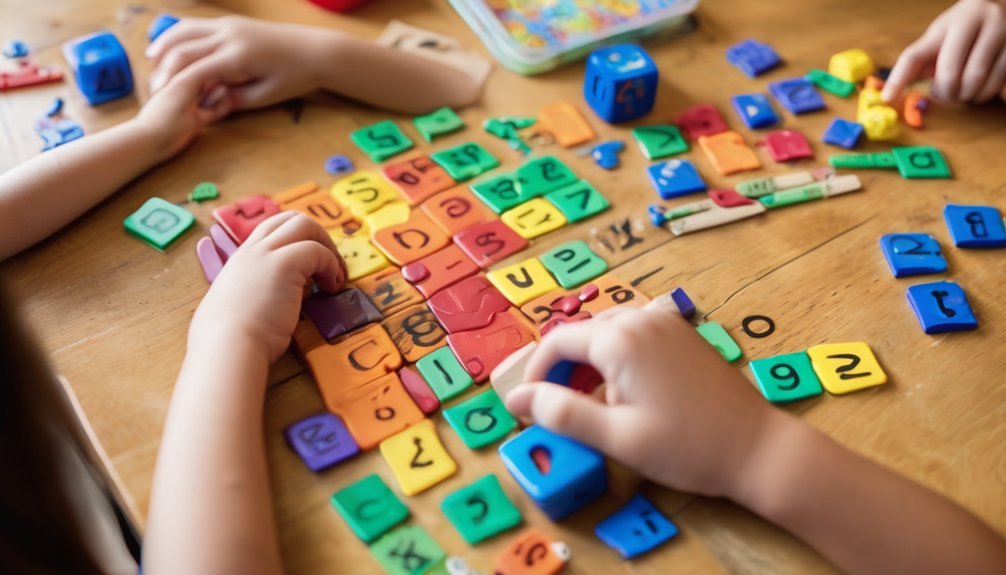
Hands-on games can make reading and math feel more natural because you learn by doing, not just by watching or listening. You can play word card matches, story sequence games, or sound hunts to strengthen reading comprehension.
For math, you can use dice, counters, or number races to build math fluency. These games help you think quickly, notice patterns, and fix mistakes right away. You also stay engaged because each move has a clear goal.
When you explain your choices out loud, you deepen understanding and keep control of your learning. Try short rounds, then repeat them with tougher rules. That way, you grow skill step by step, and you build confidence without pressure or boredom.
Printable Activities You Can Use Today
Printable pages can turn a quiet afternoon into focused learning. You can print a small set of coloring worksheets to build fine motor control, attention, and calm practice.
Add word puzzles to strengthen spelling, vocabulary, and pattern recognition without making the task feel heavy. If you want steady progress, choose pages that match the skill you’re teaching, then review each answer with your child. You’ll help them notice errors, explain choices, and try again with confidence.
Keep a pencil nearby for corrections, and use a timer if you want short, focused sessions. Rotate activities often so your child stays interested.
With simple printouts, you can offer practice that’s easy to start, easy to repeat, and strong enough to support real mastery.
Easy Science and STEM Kits for Home
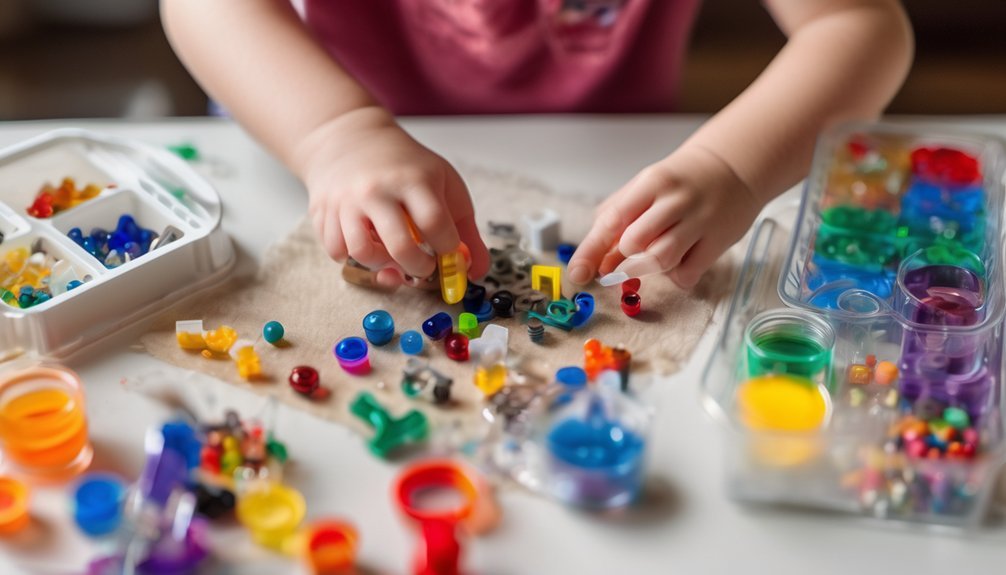
If your child enjoys quiet worksheet time, you can keep that momentum going with easy science and STEM kits at home. You can open a kit, follow the steps, and turn a spare table into a learning lab.
These kits often include simple tools, clear directions, and materials for hands-on science experiments that build observation, measuring, and problem-solving skills. You can also use them to spark STEM challenges, like making a tower, testing a bridge, or mixing safe reactions.
Keep the setup short and focused so your child stays engaged. After each activity, ask what happened and why. That reflection helps your child notice patterns, explain results, and grow confidence with each new project.
How to Choose the Right Tool for Your Child
How do you pick the best tool for your child? Start by matching the tool to your child’s goals, interests, and learning styles. If your child learns best by seeing, choose visual guides, charts, or videos. If they learn by doing, look for hands-on kits and practice tools.
Check age appropriateness, because a tool that’s too hard can frustrate them, and one that’s too easy won’t build skills. You should also consider attention span, safety, and how much help you can give.
Read reviews, compare features, and test one tool at a time. Ask your child what feels engaging, then adjust as they grow.
The right choice should challenge them, support confidence, and make after-school learning feel natural and rewarding.
Frequently Asked Questions
How Much Screen Time Is Appropriate for After-School Learning Tools?
You should aim for 30 to 60 minutes of screen time daily for after-school learning tools, following screen time guidelines and maintaining educational balance. Adjust based on age, attention, and offline activities.
Can After-School Tools Support Children With Learning Differences?
Yes, you can use after-school tools to support children with learning differences. Assistive technology and personalized learning let you adjust pacing, format, and practice, so your child can build skills confidently and independently.
What Age Groups Benefit Most From Educational Tools at Home?
You’ll find preschoolers and elementary-aged kids benefit most from educational tools at home, since they build preschool readiness and elementary engagement. Older children also gain, especially when you match tools to their skills and goals.
How Do I Keep My Child Motivated to Use Learning Tools Regularly?
You can keep your child motivated by setting small goals, using reward systems, and mixing interactive activities. Keep sessions short, praise effort, and let them choose tools sometimes so learning feels rewarding, not forced.
Are There Free Resources Available for After-School Education?
Yes, you can find free online platforms and community resources for after-school education. You’ll discover worksheets, videos, tutoring, and library programs. Start small, compare options, and choose tools that fit your child’s goals.
Conclusion
When you choose easy educational tools for after school, you give your child a chance to learn without pressure. You can use apps, games, printables, and STEM kits to build skills in fun ways. One study found that kids who stay engaged in learning outside school can improve achievement by up to 20%. That means small daily practice can make a real difference. Keep it simple, and you’ll help learning feel natural and enjoyable.