
Like a steady lantern on a winding path, the right math tools can help your child feel sure of each step. You can use simple worksheets, age-fit apps, or quick games at home to build skill without pressure. When you fit practice into everyday moments, math starts to feel useful, not scary, and a few common missteps can make all the difference.
Key Takeaways
- Use math practice tools that give clear directions, instant feedback, and small wins to build confidence.
- Choose age-appropriate materials that match your child’s current skill level and challenge them just enough.
- Printable worksheets offer low-pressure practice, especially when they include varied formats and engaging themes.
- Math apps can make practice fun with game-like rewards, skill levels, and progress tracking.
- Add math to daily routines by counting, measuring, reading clocks, and estimating during everyday activities.
How Math Practice Tools Build Confidence

Confidence often grows in small, steady steps, and math practice tools help create those steps for your child. You can use them to turn hard problems into manageable wins.
When your child sees clear directions, instant feedback, and repeat practice, they start trusting their own thinking. That trust supports confidence building because each correct answer shows progress, not perfection.
You also give positive reinforcement when you notice effort, not just results, and that keeps motivation steady. Simple tools can reduce pressure, so your child can focus, try again, and learn from mistakes without fear.
Over time, this calm practice helps your child approach math with more control, stronger habits, and a greater belief that success is within reach.
How To Choose Math Tools By Age And Skill
Choosing math tools that fit your child’s age and skill level can make practice feel helpful instead of frustrating. Start with age appropriate tools that match the concepts your child is ready to learn, then check whether the format is simple enough to use independently.
You’ll get better results when you use skill level assessments to spot strengths and gaps before you buy or download anything. If your child is working confidently, choose tools that add challenge without overload. If they’re still building basics, pick materials with clear examples and small steps.
You should also watch how your child responds during practice; confusion means the tool may be too advanced, while boredom means it’s too easy. The right fit keeps practice focused, steady, and productive.
Printable Math Worksheets For Quick Practice
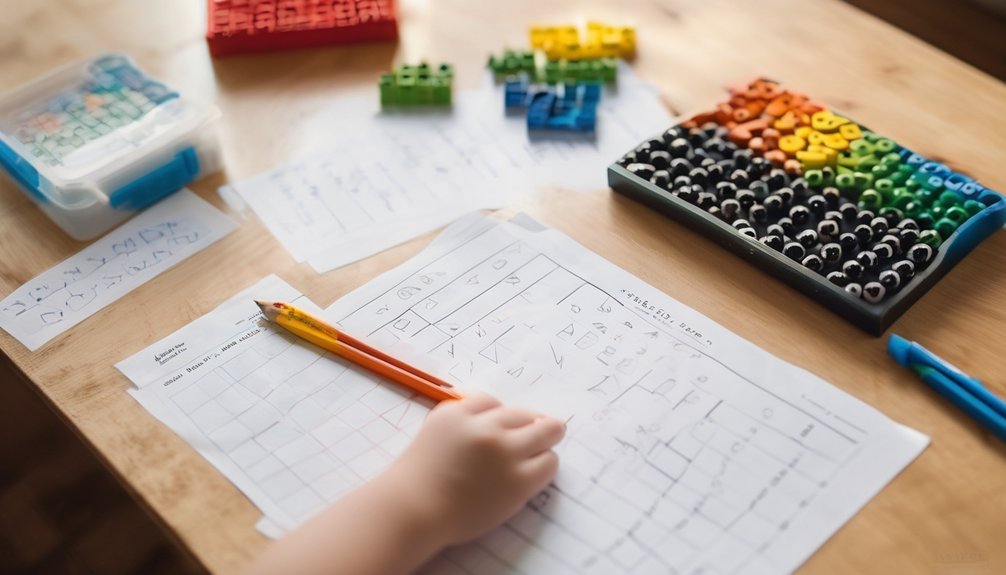
Printable math worksheets can give your child a simple, low-pressure way to practice a specific skill. You can use them for five-minute review sessions, targeted drill, or quick checks before moving on.
Choose worksheet variety so your child sees different formats, such as equations, word problems, and visual models. That keeps practice focused while reducing boredom. You can also look for engaging themes that match your child’s interests, like animals, sports, or seasons, because familiar topics can make practice feel more approachable.
Print only a few pages at a time, then review answers together and correct mistakes right away. This helps you spot gaps early and build accuracy, confidence, and steady progress without overwhelming your child.
Math Apps That Make Practice Feel Fun
Math apps can turn practice into something your child actually wants to do, thanks to game-like rewards, colorful visuals, and instant feedback. You can use them to build confidence through short sessions that fit busy days.
Look for apps with interactive learning, clear skill levels, and gamified quizzes that adapt as your child improves. This keeps practice focused without feeling repetitive. You’ll also get quick insight into strengths and gaps, so you can choose the next topic with confidence.
Many apps let you track progress, which helps you stay involved without hovering. Pick one app, set a routine, and review results together.
When practice feels manageable and engaging, your child is more likely to stick with it and master each skill.
Math Games You Can Play At Home

At home, you can turn everyday moments into math practice with simple games that feel more like play than homework. Try these options to build skill and confidence:
- Board games: Use dice, spins, and scorekeeping to practice addition, subtraction, and strategy.
- Card games: Compare values, build sets, and explain your moves to strengthen number sense.
- Group activities: Try storytelling math, kitchen math, or outdoor challenges that ask your child to measure, estimate, and reason.
You can also use online resources and DIY tools to create custom challenges, such as flashcard races or pattern hunts.
Keep rules clear, start with short rounds, and invite your child to explain answers. When you choose games that match your child’s level, you make practice steady, enjoyable, and effective.
Simple Ways To Fit Math Practice Into Daily Routines
You can build math practice into the day without adding extra homework time. Count steps while you walk, compare prices at the store, and estimate cook times while you prepare dinner.
Ask your child to read the clock, measure ingredients, or double a recipe, so math feels useful instead of abstract. Use car rides for quick mental facts, and let your child explain how they got an answer. That math storytelling strengthens thinking and memory.
Look for real life applications in laundry, travel, and household planning, because everyday routines offer steady practice. Keep questions short, specific, and calm.
When you notice progress, point it out right away. Small, repeated moments build confidence, accuracy, and fluency over time.
Common Math Practice Mistakes To Avoid
Even with the best intentions, a few common mistakes can make math practice feel harder than it needs to be. You can avoid them by focusing on quality, not quantity. When you rush through worksheets, you may miss weak spots in conceptual understanding.
When you correct every answer too quickly, you can prevent your child from explaining their thinking. And when you ignore error patterns, you lose clues about what they truly need.
- Choose a few problems and discuss each one carefully.
- Ask your child to show the steps, not just the answer.
- Review mistakes regularly so practice builds mastery.
If you stay patient and specific, you’ll turn practice into progress. Keep the pace steady, and let understanding lead memorization, not the other way around.
Frequently Asked Questions
How Much Should Kids Practice Math Each Day?
You should aim for 15 to 20 minutes of daily practice, adjusting practice duration to your child’s age and focus. Keep sessions short, consistent, and calm, and you’ll build mastery without overwhelming them.
What Signs Show My Child Needs Extra Math Support?
Frequent frustration, fumbled facts, and fading focus often signal math struggles. If your child misses learning milestones, avoids homework, or needs constant help, you should step in early with patient, practical support and extra practice.
Can Math Practice Tools Help With Test Anxiety?
Yes, they can. You’ll build confidence with focused test preparation strategies and anxiety management techniques, so your child practices calmly, spots weak areas, and walks into tests feeling more prepared and in control.
Are Math Tools Effective for Children With Learning Differences?
Yes, they can be. When you pair visual learning with hands-on activities, adaptive technology, and personalized feedback, you give your child support and challenge at once, helping them build mastery confidently.
When Should I Stop Using Beginner Math Practice Tools?
You should stop using beginner math practice tools when you meet advanced skill benchmarks and can solve problems confidently without support. Make the beginner tool transition gradually, so you keep building mastery without gaps.
Conclusion
You don’t need to turn math into a battle. The best tools feel simple, not stressful: a worksheet one day, an app the next, a counting game at dinner. By choosing age-appropriate practice and mixing calm routines with playful moments, you help your child build confidence without pressure. Small, steady practice beats long, tiring drills. Keep it light, keep it consistent, and you’ll make math feel both easy and engaging.