Word searches are the ultimate educational tool, capable of transforming preschoolers into vocabulary wizards overnight. These engaging puzzles not only entertain but also lay the groundwork for essential cognitive skills. If you’re curious about how to effectively incorporate word searches into your child’s learning routine, you’ll want to explore the right themes and words that resonate with their interests. Let’s uncover the best strategies to make word searches both fun and educational for young learners.
Key Takeaways
- Choose simple themes like animals or colors to keep preschoolers engaged in word searches.
- Use 8-10 recognizable words to ensure comprehension and enjoyment during the activity.
- Create a word grid on graph paper, filling in empty spaces with random letters for added challenge.
- Incorporate picture-word searches to match images with words for enhanced engagement.
- Collaborate with preschoolers during solving to foster teamwork and enhance vocabulary development.
The Importance of Vocabulary Development in Preschoolers
Vocabulary development is a crucial building block in a preschooler’s learning journey. You play a vital role in nurturing your child’s language skills, helping them communicate their thoughts and feelings.
Engaging in conversations, reading together, and introducing new words during everyday activities can make a world of difference. You mightn’t realize it, but each word you share adds to their understanding of the world around them.
As your preschooler learns new vocabulary, they’re not just memorizing words; they’re building connections to concepts and experiences. This foundation sets the stage for future learning and enhances their confidence in expressing themselves.
How Word Searches Enhance Cognitive Skills
Engaging in word searches can spark curiosity and enhance cognitive skills in preschoolers. As they search for words, they’re not just having fun; they’re also developing essential skills that will benefit them in the long run.
Here’s how these activities can make a difference:
- Improved Concentration: Kids learn to focus on tasks, honing their attention spans.
- Pattern Recognition: They begin noticing patterns in letters, which is crucial for reading.
- Problem-Solving Skills: Figuring out where words fit enhances critical thinking.
- Memory Boost: Remembering word locations strengthens their memory.
Choosing the Right Themes for Word Searches
When it comes to word searches, selecting the right themes can make the activity even more enjoyable and educational for preschoolers. Think about their interests and what excites them! Popular themes can spark joy and curiosity while enhancing their vocabulary. Here’s a quick table to inspire you:
| Theme | Example Words | Benefits |
|---|---|---|
| Animals | Cat, Dog, Bird | Builds animal recognition |
| Colors | Red, Blue, Green | Teaches color names |
| Food | Apple, Cake, Milk | Introduces healthy choices |
| Nature | Tree, Flower, Sky | Connects them with the outdoors |
| Transportation | Car, Bike, Train | Promotes understanding of travel |
Age-Appropriate Words for Young Learners
Choosing age-appropriate words for young learners is crucial in making word searches both fun and educational. When you select words that resonate with their experiences, you spark their curiosity and enhance their learning.
Simple, familiar terms allow children to feel confident and excited as they search.
- Focus on everyday objects, like “cat” or “ball.”
- Use colors and shapes, such as “red” or “circle.”
- Incorporate animals they love, like “dog” or “fish.”
- Include family-related words, such as “mom” or “dad.”
Tips for Creating Your Own Word Searches at Home

Creating your own word searches at home can be a fun and rewarding activity for you and your child. Start by choosing a theme, like animals or colors, to keep it engaging.
Pick 8-10 simple words that your little one can recognize. Use graph paper or a blank sheet to create your grid, placing the words in different directions—horizontally, vertically, or diagonally. Fill in the empty spaces with random letters to make it more challenging.

Once you’ve finished, share it with your child and enjoy solving it together. To add a personal touch, you can even draw pictures related to the words! This not only boosts their vocabulary but also strengthens your bond through shared learning and laughter.
Incorporating Word Searches Into the Classroom
Word searches can be a fantastic addition to your classroom activities, enhancing both learning and engagement among preschoolers. They’re not just fun; they also help little ones develop essential skills.
Here’s how you can incorporate them effectively:
- Reinforce Vocabulary: Use words from your current lessons to strengthen language skills.
- Encourage Teamwork: Have kids work in pairs, promoting collaboration and social skills.
- Adapt to Themes: Tailor word searches around holidays or topics, making learning relevant and exciting.
- Monitor Progress: Observe how kids tackle challenges, providing insight into their comprehension and problem-solving abilities.
Fun Variations of Word Searches to Try
Exploring different variations of word searches can make learning even more enjoyable for preschoolers. You might try creating themed searches based on their favorite characters or seasons.
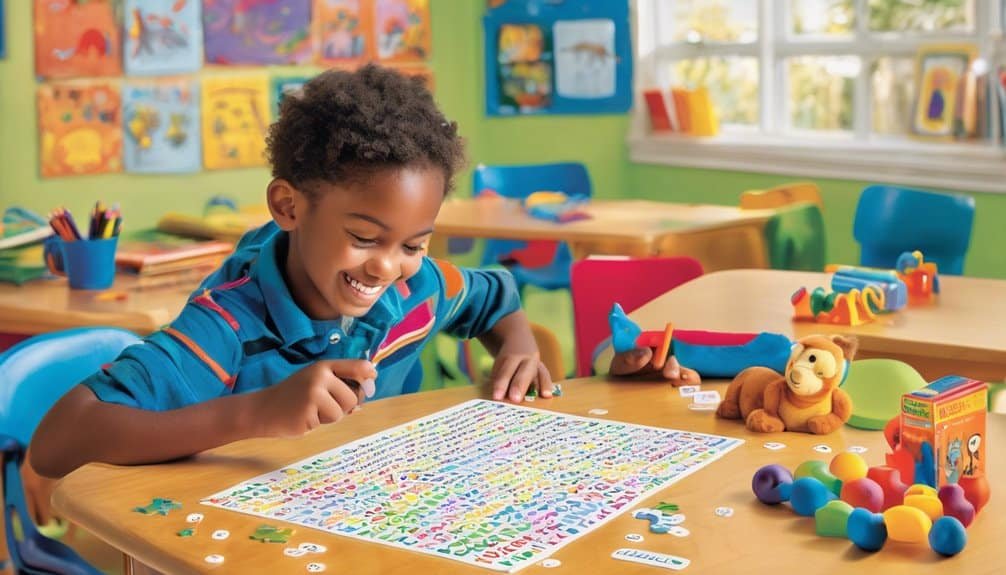
Consider using a picture-word search where they match images to words, making the activity more engaging. Another fun twist is a timed challenge; see how many words they can find in a set time!
For a collaborative experience, pair them up to solve a word search together, fostering teamwork. You can also incorporate scavenger hunts where they find words hidden around the room.
Each variation keeps the excitement alive, helping them build vocabulary while having a blast. So, get creative and mix it up! Your little learners will love it.
Engaging Preschoolers With Colorful Word Search Designs
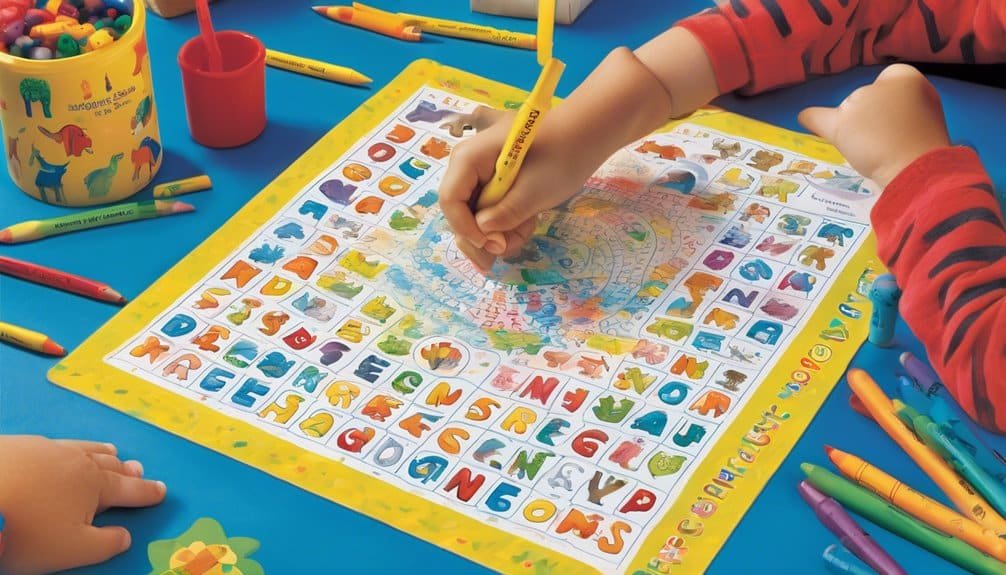
There’s something magical about colorful designs that can instantly draw preschoolers into a word search. When you use vibrant colors and playful themes, it transforms a simple activity into an exciting adventure.
Your little ones will be more eager to engage, enhancing their learning experience. Here are a few tips to keep in mind:
- Choose bright colors: Use contrasting shades to make words stand out.
- Incorporate fun themes: Use their favorite animals or characters to spark interest.
- Add illustrations: Pair words with cute pictures that relate to the search.
- Make it interactive: Encourage them to use crayons or markers to highlight words.
With these elements, you’ll create a delightful learning tool that keeps them excited and eager to explore!
Tracking Progress: How to Measure Learning Outcomes

Measuring learning outcomes in preschool can feel daunting, but it doesn’t have to be. Start by observing your child’s engagement with word searches. Are they excited to find words? Take note of their reactions and how they approach the activity.
You can also track their progress by keeping a simple log. Record which words they find easily and which ones challenge them. This helps you see growth over time. Encourage conversations about what they’ve learned; asking open-ended questions fosters deeper understanding.
Lastly, celebrate their achievements, no matter how small. This not only boosts their confidence but also reinforces the joy of learning. With these simple steps, you can create a nurturing environment that truly measures your child’s learning journey.
Resources for Printable Word Searches for Preschoolers
To make learning fun and engaging for your preschooler, you can find a variety of printable word searches designed specifically for young learners.
These resources not only enhance vocabulary but also promote critical thinking and problem-solving skills.
Here are some great places to discover these activities:
- Educational websites: Look for sites dedicated to early childhood education.
- Printable activity books: Many offer themed word searches that align with preschool topics.
- Social media groups: Join communities where parents share free printables.
- Local libraries: They often have resources for parents and children, including word search sheets.
Frequently Asked Questions
How Do Word Searches Support Early Literacy Skills?
Word searches boost your early literacy skills by enhancing visual recognition, improving vocabulary, and promoting problem-solving. You’ll enjoy connecting letters while developing critical thinking, making it a fun way to learn essential reading skills together.
Can Word Searches Be Used for Non-English Languages?
Absolutely, you can create word searches in any language! Picture vibrant letters swirling around, forming words from another culture. It’s a fun way to explore new languages and deepen your connection with them. You’ll love it!
What Materials Do I Need to Create Word Searches?
To create word searches, you’ll need grid paper, a pencil, and a list of words. You can also use online tools or word search generators, making it easier and more fun to craft unique puzzles together!
Are There Any Online Tools for Making Word Searches?
While you could scribble letters on paper, online tools like Discovery Education or Puzzle-Maker let you create word searches effortlessly. You’ll find it’s more fun to click and customize than to fuss with pen and paper.
How Can I Modify Word Searches for Different Learning Styles?
To modify word searches for different learning styles, you can adjust the complexity, incorporate visuals, or use themes that resonate with your learners. Personalizing the experience will engage them and enhance their enjoyment and understanding.
Conclusion
Incorporating word searches into your preschooler’s learning routine can be a game-changer. As the saying goes, “Practice makes perfect,” and these fun activities not only boost vocabulary but also enhance cognitive skills. By choosing engaging themes and age-appropriate words, you’ll keep your little ones excited about learning. So grab some colorful designs and start creating your own word searches at home. You’ll be amazed at how much they grow while having a blast!