Imagine a child who completes a crossword puzzle and then writes a short story inspired by the words they found. This playful activity not only boosts their vocabulary but also sparks creativity. By integrating writing tasks into puzzle games, you can encourage early writing skills in a fun and engaging way. What strategies can you use to make this experience both enjoyable and educational for young learners?
Key Takeaways
- Puzzle games like word searches and crosswords enhance vocabulary and comprehension, laying a foundation for writing skills in early learners.
- Incorporating writing tasks, such as filling in missing words or creating character dialogues, fosters engagement and creativity during puzzle gameplay.
- Interactive storytelling through jigsaw puzzles encourages children to express ideas and develop narrative skills essential for writing.
- Parents and educators can create treasure hunts with writing prompts to make learning fun and reinforce writing through playful exploration.
- Celebrating children’s writing efforts by sharing their work aloud cultivates confidence and motivation to continue writing and engaging with language.
The Connection Between Puzzle Games and Writing Skills

While you mightn’t immediately associate puzzle games with writing skills, these engaging activities can significantly enhance your ability to communicate effectively.
When you dive into puzzles, you’re not just solving; you’re also practicing critical thinking and vocabulary in a playful context. Each challenge nudges you to think creatively, helping you form ideas and express them clearly.
As you work through clues and connections, you’ll discover how words fit together, mirroring the way you’ll string together sentences in your writing. This fun interaction with language fosters a deeper understanding of structure and meaning.
Types of Puzzle Games That Foster Literacy
Puzzle games come in many forms, each offering unique benefits that can boost literacy skills. You might enjoy word search puzzles, which help expand vocabulary as you hunt for words. Crossword puzzles challenge you to think critically about definitions, while jigsaw puzzles can enhance storytelling skills as you piece together narratives visually. Here’s a quick overview:
| Puzzle Type | Literacy Benefit |
|---|---|
| Word Search | Vocabulary expansion |
| Crossword | Improves definitions |
| Jigsaw | Enhances storytelling |
| Logic Puzzles | Develops critical thinking |
These engaging activities not only make learning fun but also foster an intimate connection between play and literacy. Dive into these games, and watch your writing skills flourish!
How to Integrate Writing Tasks Into Gameplay
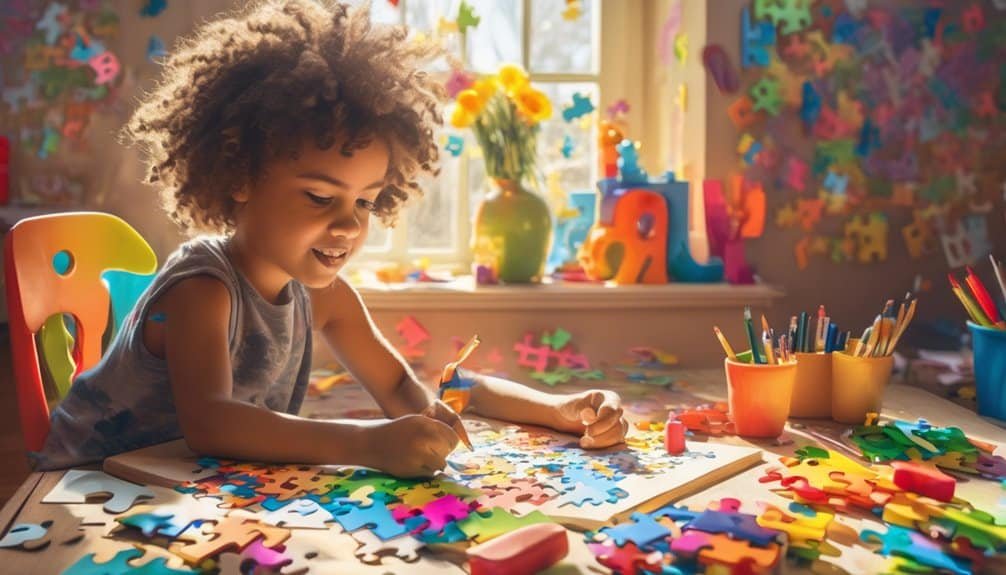
Integrating writing tasks into gameplay can significantly enhance the learning experience, making it both enjoyable and effective.

Start by designing puzzles that require players to fill in missing words or create sentences to progress. For instance, you might ask players to write a short story based on the game’s theme, encouraging creativity.
Incorporate character dialogues where players must write responses to unlock new levels or features. You can also use prompts that challenge players to describe their favorite game moments in a few sentences.
Benefits of Using Puzzle Games for Early Learners
Using puzzle games can be a game-changer for early learners, as they not only make learning fun but also foster critical thinking skills.
When you engage your child with these games, you’re helping them develop problem-solving abilities and encouraging creativity. They learn to think outside the box, which lays a solid foundation for writing later on.
Plus, the interactive nature of puzzles keeps them motivated and eager to explore new ideas. As they tackle challenges, they gain confidence in their abilities, making them more willing to express themselves through writing.
Tips for Parents and Educators to Encourage Writing Through Play
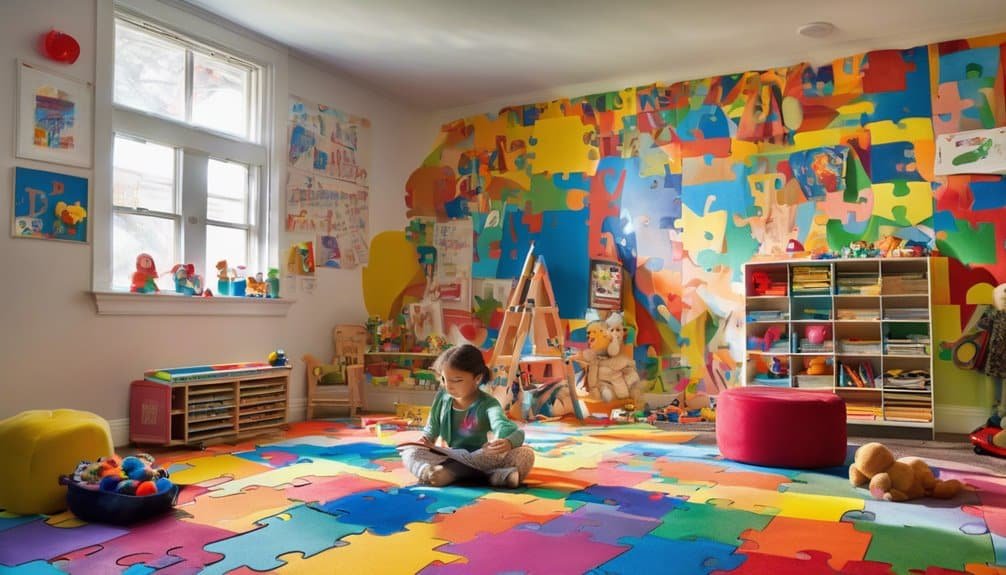
While children thrive in playful environments, parents and educators can take advantage of this by incorporating writing activities into games and playtime.
Start by using puzzles that require them to write clues or create stories around the images they see. Encourage them to keep a playful journal, where they jot down daily adventures or doodle.
You might even turn writing into a treasure hunt—leave little notes or prompts for them to find and respond to. Celebrate their efforts by reading their work aloud together.
Lastly, don’t forget to model writing in fun ways; let them see you writing letters, making lists, or crafting stories.
Frequently Asked Questions
What Age Is Appropriate for Introducing Puzzle Games for Writing?
You can introduce puzzle games around age three. At this age, kids start grasping basic concepts and enjoying playful challenges. Engaging them early fosters creativity and problem-solving skills, making learning both fun and effective.
Are There Specific Puzzle Games to Avoid for Early Writing?
When navigating the sea of puzzle games, steer clear of overly complex ones. They can overwhelm young minds, stifling creativity. Instead, choose simple, engaging games that spark joy and curiosity in their writing journey.
How Can I Assess My Child’s Writing Progress With Games?
To assess your child’s writing progress with games, observe their engagement and ability to express ideas. Keep track of their vocabulary usage and sentence structure, and celebrate their improvements to boost their confidence and motivation.
Can Puzzle Games Replace Traditional Writing Instruction?
Puzzle games can’t completely capture conventional classroom creativity. They can complement traditional teaching, sparking your child’s curiosity and enhancing their skills. Embrace a blend of both methods for a balanced approach to writing development.
What Materials Are Needed for Puzzle Game Writing Activities?
For puzzle game writing activities, you’ll need paper, colorful markers, and a variety of puzzles. A comfortable space to play and create together makes it even more enjoyable. Let your imagination soar as you write!
Conclusion
By blending the fun of puzzle games with the challenge of writing, you create a dynamic learning experience for children. They’ll move from solving clues to crafting sentences, transforming playtime into a powerful tool for literacy. While they navigate through words and logic, they’ll also discover their voice, turning confusion into creativity. This balance of play and skill not only makes learning enjoyable but also builds a strong foundation for their future communication, igniting a lifelong love for writing.