
A family command center can turn daily chaos into a manageable routine. It gives busy homes one place for calendars, mail, school papers, keys, and reminders. The right setup depends on space, habits, and who uses it most. Some systems stay simple. Others need labels, bins, and a checklist to keep everyone on track. The real difference often comes from one overlooked detail.
Key Takeaways
- Place the command center in a high-traffic area like the kitchen, entryway, or mudroom for easy daily use.
- Include essentials such as a family calendar, mail sorter, key holder, notes board, and dry-erase checklist.
- Create labeled zones for mail, school papers, homework, charging devices, and daily reminders.
- Use routines like weekly updates, paper sorting, and document recycling to keep the system organized.
- Add shared calendars and brief family meetings to improve communication and reduce missed commitments.
Plan Your Family Command Center Essentials
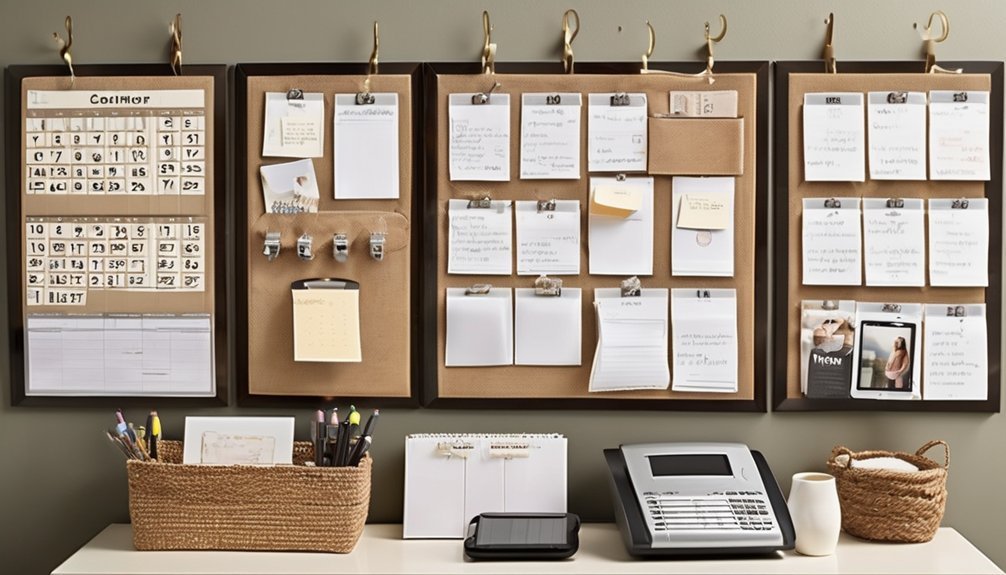
A well-planned family command center begins with the essentials: a calendar, a place for mail, a key holder, and a section for notes or reminders. These essential tools help a household stay organized without adding clutter.
A dry-erase board, labeled bins, and simple hooks can support daily routines with calm efficiency. When family supplies are kept together, it becomes easier to track school papers, appointment cards, and small items that often disappear.
Each element should serve a clear purpose, so the system feels personal and close, not rigid. The goal is practical support for busy days, with enough structure to reduce stress and strengthen household connection.
A thoughtful setup turns ordinary tasks into a smoother shared habit for everyone.
Pick the Best Spot for Your Center
The best location for a family command center is one that people pass often and can use without effort, such as a kitchen wall, entryway, or mudroom.
These ideal locations support daily family dynamics by keeping schedules, reminders, and shared items close at hand. The visibility factor matters because a center that is seen often is more likely to stay useful.
It should fit the home’s traffic flow and avoid areas that feel crowded or hidden. Natural light can help the space feel welcoming, while accessibility needs should guide placement for children and adults alike.
Personal preferences also matter, especially when choosing a spot that feels calm and familiar. A nearby wall with decluttering zones can keep the area orderly and inviting.
Choose a Layout That Fits Your Routine
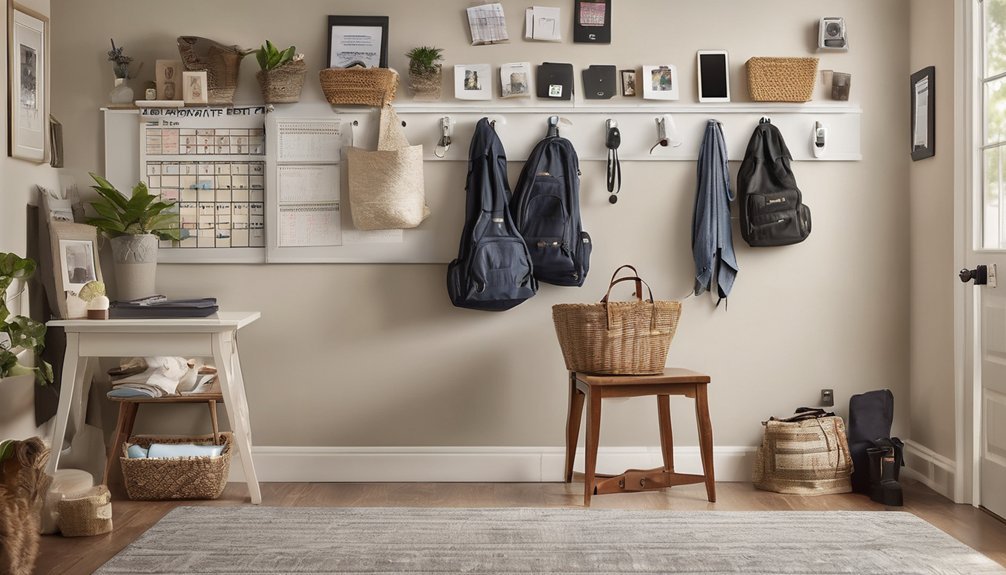
Once the right spot is chosen, the next step is matching the layout to the family’s daily habits. A strong plan supports visual organization without crowding the room. Open shelves, wall grids, and slim bins can improve space utilization while keeping essentials easy to reach.
Functional design matters most when each zone has a clear job, such as mail, keys, notes, or school papers. Family input helps refine the setup so the layout feels natural to everyone. Routine adaptability is also important, since busy homes change through seasons.
For a polished look, balance storage with aesthetic appeal. Simple technology integration, like a charging dock, can support activity flow and reduce clutter. The best layout feels calm, intimate, and ready for daily use.
Add a Shared Family Calendar
Adding a shared family calendar brings immediate clarity to a command center by placing appointments, school events, practices, and deadlines in one visible location.
Digital tools support family synchronization by keeping every schedule current without extra effort. With color coding, each person’s commitments stand apart, while visual reminders make priorities easy to spot at a glance.
Mobile access lets updates travel quickly from room to room, and notification systems reduce missed plans. For event planning, a single calendar helps parents coordinate errands, meals, and transportation with less overlap.
Time blocking becomes simpler when busy hours are marked in advance. The result is a calm, organized rhythm that supports close family communication and keeps daily responsibilities from slipping through the cracks.
Sort Mail and School Papers
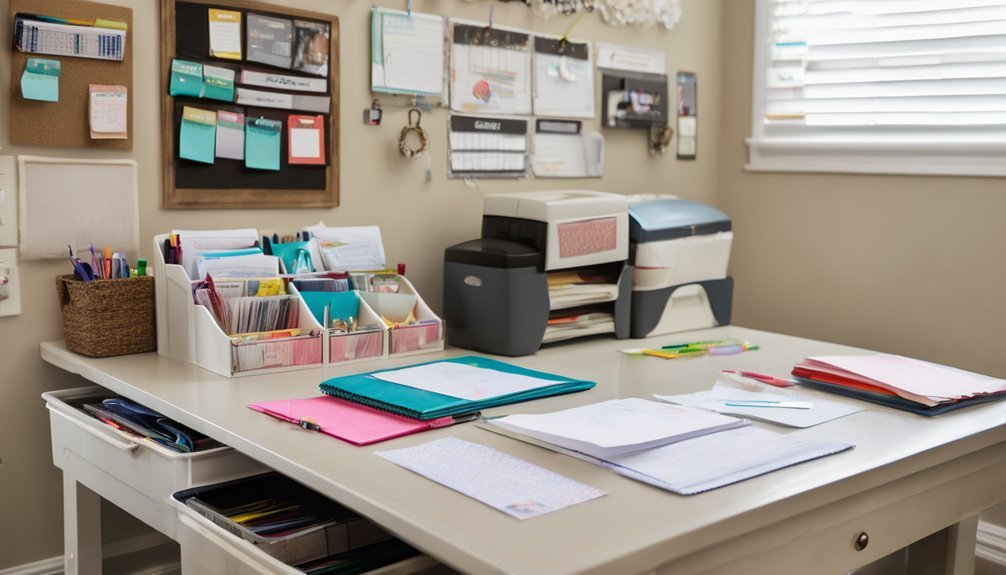
Sorting mail and school papers keeps a family command center from becoming cluttered with loose stacks and misplaced notices. A simple mail sorting routine can separate bills, invitations, and items to discard, making paper organization calm and predictable.
An inbox system with labeled trays or pockets helps each person know where new papers belong. School folders for each child support quick review of permission slips, announcements, and returned work, while document retention rules decide what stays and what can be recycled.
This steady approach strengthens family communication because important notices are easier to find and share. When papers move through a clear path, the household feels more organized, and daily life becomes less hurried and more personal.
Set Up a Homework and Forms Station
A homework and forms station gives each family member a clear place to complete assignments, gather handouts, and return signed papers. It supports homework supplies within easy reach, so pencils, paper, and calculators remain ready when needed.
A compact study space can encourage focus, while a distraction free zone protects attention during busy evenings. Good forms organization helps parents and children track permission slips, notices, and schedules without last minute searches.
This setup also improves time management by reducing delays and making task prioritization easier after school. When everyone uses the same area, family collaboration becomes simpler, and resource accessibility stays consistent for daily routines.
Placed near the command center, this station can steady the household and keep school responsibilities moving smoothly.
Use Labels and Bins for Easy Organization
Clear labels and sturdy bins turn a busy family command center into a system that is easier to maintain.
Thoughtful labeling strategies help each person know where papers, supplies, and shared items belong. With bin organization, similar objects stay grouped, reducing clutter and saving time during hectic mornings.
Color coding can add a simple visual cue, making storage solutions even easier to follow for children and adults alike. When items are placed for easy access, the space supports daily routines without extra effort.
A functional design keeps the layout calm and intuitive, while consistent labeling systems prevent confusion. For families seeking efficient storage, the goal is not perfection but a dependable setup that feels personal, organized, and quietly supportive every day.
Create a Charging Spot for Keys and Phones
With the organization in place, a dedicated charging spot for keys and phones can keep the busiest items in one predictable location. This approach supports phone organization and reduces the small losses that interrupt a calm home rhythm. Practical charging station ideas often pair a shelf, outlet, and shallow tray so each person knows where to pause.
| Item | Purpose | Benefit |
|---|---|---|
| Keys | Set down point | Faster departures |
| Phones | Reliable power | Less searching |
| Tray | Shared landing zone | Clearer habits |
Placed near the entry or kitchen, the station should feel easy to reach, yet discreet. A compact setup invites consistent use and helps the household move with quiet efficiency, almost like a familiar hand waiting nearby.
Add a Daily Checklist for Everyone
A daily checklist gives every household member a simple set of tasks to follow, reducing confusion and repeated reminders.
In a family command center, it can list morning essentials, after-school responsibilities, and bedtime steps in one calm place. Clear labels make task delegation easier, so each person knows what belongs to them without needing extra direction. This supports steady daily routines and helps the home feel organized and cared for.
A child may check off backpack, shoes, and lunch; an adult may note bills, dinner prep, or pickup times. The format should stay brief, visible, and easy to update.
When everyone can see their part, the household moves with less friction and more quiet cooperation.
Keep Your Command Center Updated Weekly
A weekly update keeps the family command center accurate and useful by removing outdated papers, refreshing schedules, and replacing completed tasks with new ones.
During weekly reviews, one person can verify family schedules, confirm appointments, and adjust task delegation before small issues become stress points. This routine works best when family meetings are brief and consistent, with clear priority setting and simple communication strategies that keep everyone aligned.
Digital tools can support goal tracking, especially when shared calendars and reminders reduce missed commitments. A tidy board and a checked list offer a quiet sense of order, helping each person feel seen and supported.
When the update becomes a habit, the command center stays current, calm, and ready for the week ahead.
Frequently Asked Questions
How Can I Make a Command Center Look Stylish, Not Cluttered?
It looks stylish when clutter is hidden in matching bins, trays, and wall-mounted pockets. Aesthetic organization and stylish storage work best in a limited palette, with clear labels, vertical spacing, and only essential items displayed.
What Budget-Friendly Supplies Work Best for Organizing a Family Command Center?
Affordable supplies include a bulletin board, storage baskets, wall hooks, labeled folders, and a small tray. These pieces keep essentials visible, sorted, and easy to reach, while maintaining a warm, orderly, intimate feel.
How Do I Involve Kids in Maintaining the Command Center?
Children can be gently enlisted by giving small ownership roles: tidy folders, update chore charts, and earn praise through reward systems. Such shared duties foster warmth, consistency, and a quietly cooperative household rhythm.
Can a Family Command Center Work in a Small Apartment?
Yes, it can work in a small apartment. With space saving solutions and multifunctional furniture, a compact wall station, hidden storage, and shared family routines keep essentials organized, private, and comfortably accessible.
What Are the Best Digital Tools for a Family Command Center?
Digital calendars and shared to do lists are the best tools. They centralize schedules, tasks, and reminders, reducing confusion. A detached observer would note that syncing across phones and tablets keeps family coordination simple, intimate, and efficient.
Conclusion
A family command center can turn daily chaos into a workable routine. In one busy household, a wall by the kitchen door became the “control tower,” cutting missed school forms and lost keys almost overnight. That simple shift shows the value of structure: the right spot, a clear calendar, labeled bins, and a weekly reset keep everyone aligned. With a few practical systems in place, the home runs more smoothly and with less stress.